
How to Grow a Healthy Snake Plant from Cuttings?
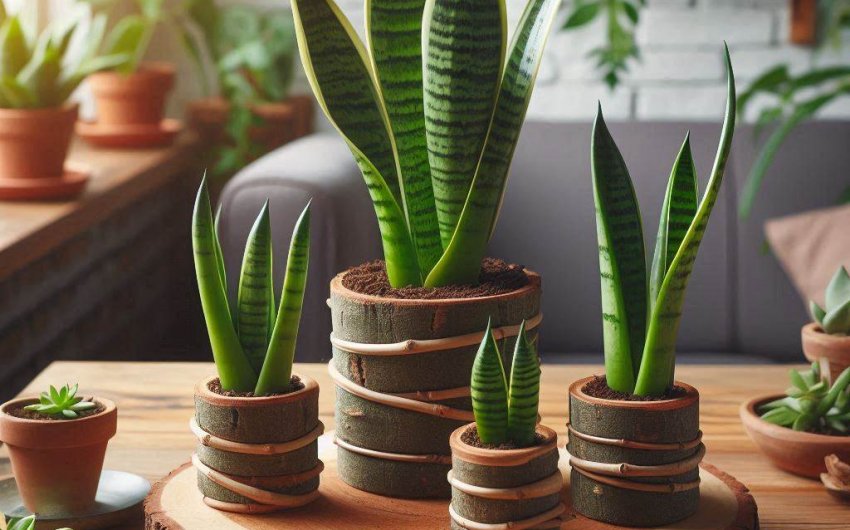
The snake plant (Sansevieria trifasciata), also known as Mother-in-Law's Tongue, is one of the most popular houseplants, and for good reason. It's incredibly tough, tolerant of neglect, and has striking, architectural leaves that add a modern touch to any room. Beyond its beauty, it's also a fantastic air purifier. What makes the snake plant even more appealing is how easy it is to make more of them! Growing new snake plants from cuttings is a straightforward and rewarding process that allows you to expand your collection, share with friends, or simply rejuvenate an older plant. You don't need a green thumb to succeed; just a few basic tools and a bit of patience will get you started on your way to a thriving collection of these resilient beauties. It’s a great way to learn about plant propagation and watch new life emerge from a simple piece of a leaf.
Why Should I Grow Snake Plants from Cuttings?
Propagating snake plants from cuttings is not only easy but also offers several compelling reasons for both beginner and experienced plant enthusiasts.
Cost-Effective Plant Expansion
Buying new plants can get expensive, especially if you want several of them. Growing snake plants from cuttings is virtually free! If you already have one mature snake plant, you have an endless supply of material to create more. This is a fantastic way to fill your home with greenery without spending a dime. It's also perfect for sharing with friends and family, giving them the gift of a beautiful, low-maintenance plant.
Rejuvenating Old or Leggy Plants
Over time, a snake plant might become a bit "leggy" or sparse, especially if it hasn't received ideal light or if older leaves have been damaged. Taking cuttings from these healthier sections allows you to essentially "restart" the plant, giving you new, compact, and vibrant specimens. It's a way to give your existing plant a new lease on life.
Easy and High Success Rate
Compared to propagating some other houseplants, snake plant cuttings are remarkably forgiving. They don't require special equipment beyond basic gardening tools, and their resilience means they have a high success rate even for beginners. It's a very satisfying project to watch a new plant grow from a simple leaf piece.
Space Saving
If your existing snake plant is growing too large for its spot, or you have several large plants, taking cuttings allows you to create smaller, more manageable plants. This is great for fitting them into tighter spaces or on shelves.
Sharing and Gifting
Once you get the hang of it, you'll likely have an abundance of new snake plants. These make fantastic, thoughtful gifts for housewarmings, birthdays, or just because. They're easy for others to care for too!
Learning Opportunity
Propagating plants from cuttings is a fundamental skill in gardening. Successfully growing snake plants from cuttings builds confidence and teaches you about plant physiology, root development, and the importance of specific environmental conditions. It's a hands-on lesson in horticulture.
Genetic Duplication
Unlike growing from seed, which can introduce genetic variations, growing from cuttings creates an exact genetic copy of the parent plant. This means the new plant will have all the same characteristics (leaf color, variegation, growth habit) as the plant you took the cutting from. This is especially important if you have a specific variegated variety you want to replicate.
What Are the Essential Tools and Materials I Need?
You don't need a lot of fancy equipment to propagate snake plants from cuttings. Most of what you need you probably already have around the house or can easily find at a garden store.
For Taking Cuttings
- Sharp, Clean Cutting Tool: This is the most important tool. You need something that can make a clean cut without crushing the plant tissue.
- Pruning Shears: A small pair of hand pruners small pruning shears are ideal for thicker, older leaves.
- Sharp Knife: A clean, sharp kitchen knife or a utility knife works well, especially for cutting sections from a long leaf.
- Razor Blade: For very precise, thin cuts, a sterile razor blade is excellent.
- Rubbing Alcohol or Bleach Solution: Crucial for sterilizing your cutting tool. This prevents the spread of diseases from the parent plant to your cutting, or from any previous cuts. Use a solution of (70\%) isopropyl rubbing alcohol or a (10\%) bleach solution.
For Rooting in Water
- Clean Glass Jar or Vase: Any clear glass container will work. It allows you to easily see the roots as they develop. Make sure it's tall enough to support the cutting upright.
- Room Temperature Water: Fresh, clean tap water is usually fine. Some people prefer filtered water or rainwater to avoid chlorine or other chemicals, but it's not strictly necessary for snake plants.
- Optional: Rooting Hormone: While not strictly necessary for snake plants (they root easily on their own), liquid rooting hormone liquid rooting hormone for cuttings or powder rooting hormone powder rooting hormone can sometimes speed up the rooting process and increase success rates.
For Rooting in Soil
- Well-Draining Potting Mix: This is absolutely critical for success and preventing rot. Do NOT use regular garden soil or heavy potting soil. Look for a cactus and succulent potting mix cactus and succulent potting mix or create your own by mixing regular potting soil with extra perlite horticultural perlite or coarse sand coarse horticultural sand (at least (50\%) perlite to (50\%) soil).
- Small Pots with Drainage Holes: Choose pots that are only slightly larger than your cuttings, usually (2-4) inches in diameter. Terra cotta pots terra cotta pots with drainage are excellent because they are porous and help the soil dry out faster, which is great for snake plants. Plastic pots work too, as long as they have good drainage holes.
- Gloves (Optional but Recommended): Snake plant sap can be mildly irritating to some people, so wearing gardening gloves gardening gloves for pruning is a good idea.
General Supplies
- Permanent Marker: For labeling your cuttings, especially if you're propagating multiple types or want to remember which end is "up."
- Paper Towels or Clean Cloth: For drying tools and cuttings.
Having these tools and materials ready before you start will make the process smooth and enjoyable, increasing your chances of success in growing healthy new snake plants from cuttings.
How Do I Take a Healthy Snake Plant Cutting?
The success of your new snake plant starts with taking a healthy cutting from the parent plant. This step is straightforward but requires attention to detail.
1. Choose a Healthy Leaf
- Select Mature, Disease-Free Leaves: Look for a mature, firm, and healthy leaf from the parent plant. Avoid any leaves that are discolored, damaged, soft, or show signs of disease or pest infestation. A healthy leaf has the best chance of successfully rooting and growing.
- Consider Variegation: If your snake plant has variegated (striped) leaves, be aware that when rooted from a leaf cutting, the new plant (the "pup" that eventually grows) will often revert to plain green, losing its stripes. This is a natural genetic occurrence. If you want to maintain variegation, you'll need to propagate by division instead of leaf cuttings. If you don't mind plain green, or if your plant is already plain green, a leaf cutting is perfect.
2. Prepare Your Cutting Tool
- Sterilize: Before making any cuts, thoroughly clean and sterilize your pruning shears plant pruning shears or knife. Wipe the blade with rubbing alcohol or dip it in a (10\%) bleach solution and let it air dry. This prevents the transfer of diseases that could harm your cutting or the parent plant.
3. Make the Cut
- Full Leaf Cutting: You can cut an entire healthy leaf from the base of the plant. Make a clean cut near the soil line, ensuring you get the entire leaf. This usually yields one very long cutting.
- Sectioned Cuttings: For longer leaves, you can cut them into several (2-6) inch sections.
- Maintain Orientation: This is critical! When you cut a long leaf into sections, it's vital to remember which end was originally "down" (closest to the roots) and which end was "up" (closer to the tip of the leaf). Roots will only grow from the original "down" end.
- Marking: To avoid confusion, you can make a small "V" shape cut or a diagonal cut on the bottom (rooting) end of each section. Alternatively, use a permanent marker to draw an arrow pointing upwards on each piece.
- Cutting Angle: A straight cut is fine, but some people find that cutting the bottom end at a slight angle or making a small V-shape can increase the surface area for rooting and helps distinguish the bottom.
4. Allow the Cuttings to Callus
- Why Callus? This is a crucial step that many beginners skip. After you make a cut, the raw plant tissue is vulnerable to rot, especially if placed directly into water or moist soil. Allowing the cut end to callus (form a dry, protective layer) helps prevent rotting.
- How to Callus: Place your cuttings (either whole leaves or sections) in a dry, well-ventilated area, out of direct sunlight. A windowsill or a shelf works well.
- Drying Time: Let them sit for a few days up to a week, or even two weeks for very thick cuttings. You'll know they're ready when the cut end feels dry and slightly hardened, almost like a piece of cardboard.
Once your cuttings have properly callused, they are ready for the next step: choosing your rooting method!
What Are the Best Ways to Root Snake Plant Cuttings?
There are two main methods for rooting snake plant cuttings: in water or directly in soil. Both can be successful, but they have different advantages and requirements.
Method 1: Rooting in Water
This is often the most popular method because you can visually see the roots forming, which is exciting for beginners.
1. Prepare the Jar
- Cleanliness: Use a clean, clear glass jar or vase. Sterilizing it with a little bleach solution and then rinsing thoroughly can help prevent bacterial growth that might harm your cutting.
- Water Level: Fill the jar with about (1-2) inches of room temperature water. The water level should be just enough to cover the bottom (1) inch or so of the cutting. You don't want the entire cutting submerged.
2. Place Cuttings in Water
- Orientation: Make sure to place the correct (original "down") end of the callused cutting into the water.
- Keep Upright: If you have multiple cuttings in one jar, ensure they don't get too crowded and that they remain upright. You can use pebbles or small stones at the bottom of the jar to help stabilize them, but make sure they don't completely cover the cutting.
3. Choose the Right Location
- Bright, Indirect Light: Place the jar in a spot that receives bright, indirect sunlight. A north- or east-facing window is often ideal. Avoid direct, intense sun, which can heat the water too much and promote algae growth.
- Warmth: A warm environment (around (70-80^\circ F) or (21-27^\circ C)) will encourage faster rooting.
4. Change Water Regularly
- Fresh Water: Change the water every few days, or at least once a week. This keeps the water fresh, oxygenated, and prevents the buildup of bacteria and algae. If the water looks cloudy or smells stagnant, change it immediately.
5. Be Patient!
- Root Development: This is where patience truly comes into play. It can take anywhere from a few weeks to several months (often (1-3) months) for roots to appear. Don't be discouraged if you don't see roots right away. Some cuttings are faster than others.
- Pup Formation: After roots form, you'll eventually see a small new plant, called a "pup," sprout from the base of the cutting. This pup will grow from the rhizome that forms at the base of the roots. This pup often grows very slowly at first.
6. When to Pot in Soil
- Root Length: Once the roots are at least (1-2) inches long, your cutting is ready to be transplanted into soil. Don't wait too long, as water roots are different from soil roots and adapting to soil can be easier when the roots are still relatively young.
- Pups Ready: If you're waiting for a pup, make sure the pup is starting to develop its own root system or is at least an inch or two tall.
Method 2: Rooting in Soil
Rooting in soil can sometimes take longer for visible results, but it can lead to stronger root systems that adapt more easily to their final potted environment. It also often produces the variegated pups from variegated cuttings, though the jury is still out on whether this is a consistent rule.
1. Prepare the Potting Mix
- Well-Draining Mix: Fill small pots (with drainage holes!) with a well-draining potting mix succulent potting mix designed for cacti and succulents. You can also make your own by combining equal parts regular potting mix, perlite garden perlite, and coarse sand horticultural sand.
- Moisten the Soil: Lightly moisten the soil mix before planting. It should be damp but not soggy.
2. Plant the Cuttings
- Optional: Rooting Hormone: Dip the callused "down" end of your cutting into rooting hormone powder rooting hormone powder, then tap off any excess. This can help stimulate root growth.
- Insert into Soil: Make a small hole in the center of the potting mix with your finger or a pencil. Insert the callused end of the cutting about (1-2) inches deep into the soil, ensuring the correct orientation.
- Firm Gently: Gently firm the soil around the base of the cutting to hold it upright.
- Multiple Cuttings: You can plant multiple cuttings in one larger pot, just make sure they aren't touching and have enough space.
3. Choose the Right Location
- Bright, Indirect Light: Place the pots in a spot with bright, indirect sunlight, similar to the water rooting method.
- Warmth: A warm environment will encourage rooting. If your home is cool, a heating mat plant heating mat placed under the pots can significantly speed up the process.
4. Watering After Planting
- Initial Water: Lightly water the soil around the cutting after planting.
- Infrequent Watering: This is crucial. Snake plant cuttings are highly prone to rot in soggy soil. Allow the soil to dry out almost completely between waterings. You might only need to water once every (2-4) weeks, especially if your humidity is moderate. Err on the side of underwatering.
- Misting (Optional): Some people lightly mist the top of the soil occasionally, rather than full watering, to maintain slight humidity, especially if the air is very dry.
5. Test for Roots (and Patience!)
- Gentle Tug Test: After several weeks or months (it can take (2-6) months for roots to form and then a pup to emerge), you can gently tug on the cutting. If you feel resistance, it means roots have formed.
- New Growth (Pup): The ultimate sign of success is the emergence of a new little pup (a small shoot) growing from the base of the cutting. This pup grows from the rhizome that forms underground. The original cutting itself will not grow taller.
Both methods require patience, but the reward of seeing a new snake plant emerge from a simple leaf cutting is incredibly satisfying.
How Do I Care for My New Snake Plant Pups?
Once your snake plant cutting has rooted and produced a healthy little "pup," it's time to nurture it into a strong, independent plant. The care for these young plants is similar to mature snake plants but with a few extra considerations.
1. Transplanting (if Rooted in Water)
If you rooted your cutting in water, the first step after roots are (1-2) inches long is to transition it to soil.
- Potting Mix: Use the same well-draining cactus and succulent potting mix succulent and cactus soil mix you would use for soil rooting.
- Pot Size: Choose a small pot, perhaps (3-4) inches in diameter, with excellent drainage. Don't put a small pup in a huge pot, as too much soil holds excess moisture and can lead to rot.
- Gentle Handling: Water roots are delicate. Handle the cutting carefully as you transfer it to the soil.
- Initial Watering: Water lightly after transplanting to help settle the soil around the roots.
- Acclimation: Place the newly potted pup in bright, indirect light. It might experience a slight shock or pause in growth as it adjusts from water to soil roots. Give it time.
2. Light Requirements
- Bright, Indirect Light: New pups, like mature snake plants, thrive in bright, indirect light. A few feet from a south- or west-facing window, or right in a north- or east-facing window, is often ideal.
- Avoid Direct Sun: Too much direct, intense sunlight can scorch the delicate new leaves of the pup.
- Low Light Tolerance: While snake plants are famous for tolerating low light, they will grow much slower and be less vibrant in such conditions. For strong growth, aim for good light.
3. Watering Your New Pup
This is the most critical aspect of caring for your young snake plant.
- "Dry Out Completely" Rule: Allow the soil to dry out almost completely between waterings. For a small pup in a small pot, this might mean watering every (2-4) weeks, but always check the soil with your finger or a moisture meter plant moisture meter.
- Thorough Watering: When you do water, water thoroughly until water drains from the bottom of the pot.
- Drainage: Ensure the pot has excellent drainage and never let the pot sit in standing water.
- Seasonal Adjustment: Reduce watering frequency significantly in fall and winter when light levels are lower and growth slows.
4. Humidity
Snake plants are not particularly fussy about humidity and tolerate average household humidity levels. You don't usually need to provide extra humidity for them.
5. Fertilizing (Less is More)
- Delay Fertilizing: Do not fertilize your new pup right away. Wait until it has established well in its new pot, usually several months after potting, and shows signs of consistent new growth. The potting mix will have enough nutrients initially.
- Infrequent Feeding: When you do fertilize, snake plants are light feeders. Fertilize once or twice during the active growing season (spring and summer) with a balanced liquid houseplant fertilizer liquid houseplant fertilizer diluted to half strength. Avoid fertilizing in fall and winter.
6. Repotting
- Slow Growers: Snake plants are relatively slow growers and prefer to be a bit root-bound, so they don't need frequent repotting.
- When to Repot: Repot your pup only when it has significantly outgrown its current pot, meaning roots are circling the bottom or growing out of the drainage holes. This might be every (1-3) years.
- Increase Pot Size Gradually: When repotting, only go up one pot size (e.g., from a (4)-inch pot to a (6)-inch pot).
7. Dealing with Variegation Loss
- Embrace the Green: As mentioned earlier, if you rooted a variegated snake plant leaf cutting, the new pup will most likely be plain green. This is normal. Appreciate its simple beauty!
- Division for Variegation: If maintaining variegation is critical to you, propagate by division (separating offshoots from the parent plant's rhizome) rather than leaf cuttings.
By providing these simple, consistent care routines, your little snake plant pups will grow into strong, healthy, and beautiful additions to your home, ready to provide years of easy-care enjoyment.