
How to Prevent Overwatering in Indoor Plants?
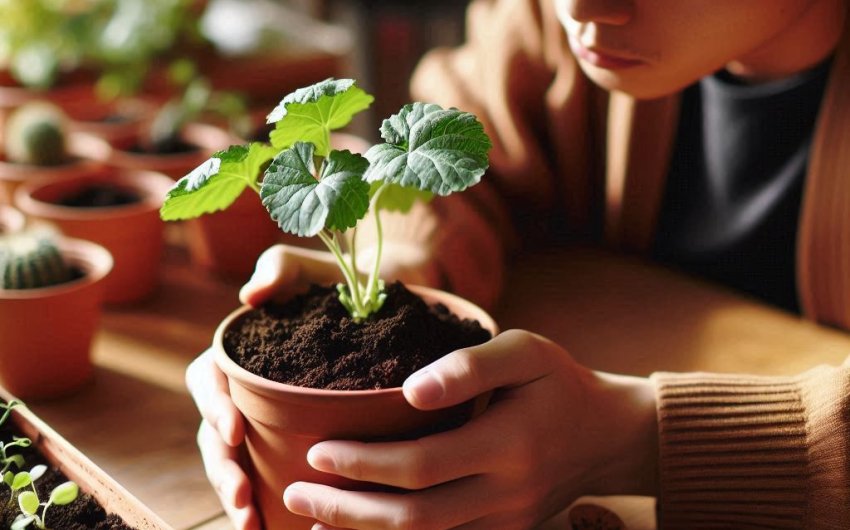
Mastering the art of proper hydration is essential for thriving indoor plants, making it crucial to understand how to prevent overwatering in indoor plants. While giving your green companions a drink might seem intuitive, providing too much moisture is a leading cause of decline, leading to root damage and overall plant distress. By learning to accurately assess your plant's needs and implementing strategic watering practices, you can safeguard their health and foster vigorous growth, ensuring they flourish in your home.
What is Overwatering and Why Is It Harmful?
Overwatering is a common mistake in indoor plant care, often stemming from good intentions but leading to serious harm. It's not just about giving a plant too much water at once; it's about providing water too frequently, or keeping the roots consistently saturated without adequate drainage. Understanding the underlying problem is key to truly grasping how to prevent overwatering in indoor plants.
How Does Overwatering Affect Plant Roots?
The primary damage from overwatering occurs beneath the soil surface, specifically to the plant's root system.
- Oxygen Deprivation: Plant roots need oxygen to perform essential functions like nutrient absorption and respiration. When soil is constantly waterlogged, the air pockets normally present in the soil are filled with water, depriving the roots of oxygen. This is akin to a human trying to breathe underwater.
- Root Rot: Prolonged oxygen deprivation creates an anaerobic (oxygen-free) environment, which is ideal for the proliferation of harmful anaerobic bacteria and fungi. These microorganisms attack and break down the roots, causing them to turn soft, mushy, brown or black, and eventually die. This condition is known as root rot.
- Inability to Absorb Water and Nutrients: Ironically, a plant suffering from root rot cannot absorb water or nutrients, even though it's surrounded by moisture. The damaged roots are no longer functional, leading to symptoms that often mimic underwatering (wilting, yellowing leaves), confusing many plant owners.
What Are the Visible Signs of Overwatering?
Recognizing the symptoms of overwatering early can help you intervene before irreversible damage occurs.
- Yellowing Leaves: One of the most common signs. Leaves, especially lower or older ones, may turn yellow or translucent, often feeling soft or mushy. Unlike underwatering (where leaves usually turn crispy brown), overwatered yellow leaves often remain soft.
- Wilting or Drooping Leaves: Despite the soil being wet, the plant wilts because its damaged roots can't transport water to the foliage. This can be confusing, as wilting also occurs with underwatering, but in this case, the soil will feel very wet.
- Mushy, Soft Stems or Base: The base of the stem near the soil line may become soft, mushy, or discolored. This indicates that rot has started to spread upwards from the roots.
- Stagnant Water in Saucer: If water is constantly sitting in the plant's saucer for extended periods after watering, it indicates poor drainage and a high risk of overwatering.
- Foul Odor from Soil: A musty, stale, or rotten smell emanating from the soil is a strong indicator of root rot and anaerobic conditions.
- Fungus Gnats: Small, black, fly-like insects often hovering around the plant and soil surface are a sign of consistently moist soil, as their larvae feed on fungi that thrive in wet conditions.
What Factors Contribute to Overwatering?
Understanding the underlying reasons why overwatering occurs is essential for preventing it. It's often a combination of environmental factors, plant characteristics, and incorrect care practices that lead to consistently saturated soil, making it hard to effectively know how to prevent overwatering in indoor plants.
Improper Watering Habits
The way you water your plants is often the biggest contributor to overwatering.
- Watering on a Schedule: Many beginners make the mistake of watering on a fixed schedule (e.g., every Wednesday) regardless of the plant's actual need. Plant water needs change based on season, light, temperature, and growth stage.
- Too Frequent Watering: Giving small sips of water too often keeps the top layer of soil constantly wet, but also encourages shallow root growth, making the plant less resilient. It also never allows the deeper soil to dry out sufficiently.
- Not Checking Soil Moisture: Relying purely on visual cues (like dry-looking topsoil) or a calendar without actually feeling the soil moisture level is a recipe for overwatering. The top inch or two can be dry while the deeper roots are still swimming.
- Lack of Drainage: Watering without allowing excess water to drain out of the pot means the roots sit in stagnant water, leading to root rot.
Inadequate Potting and Drainage
The container and soil you use play a significant role in how well water drains.
- Pots Without Drainage Holes: Decorative pots without a hole in the bottom are a primary culprit. They create a reservoir of stagnant water at the bottom, directly drowning the roots. Using gravel at the bottom of such pots does not solve the drainage problem.
- Wrong Pot Size:
- Pot Too Large: If a pot is too large for the plant's root ball, the excess soil will retain too much moisture for too long, as the roots can't absorb all the water.
- Pot Too Small: While less common for overwatering, a pot that's too small can lead to frequent watering and thus indirectly create consistently wet conditions if the plant's needs aren't properly met with proper soil drying.
- Dense or Poorly Draining Potting Mix: Standard potting soil often retains too much moisture for many indoor plants, especially if it's peat-heavy and lacks coarse amendments. Heavy, compacted soil prevents air circulation and retains water for too long.
Environmental Factors
The surrounding conditions in your home directly influence how quickly your plant uses water.
- Low Light Conditions: Plants in low light perform less photosynthesis, which means they use less water. Watering a plant in a dim corner as frequently as one in a sunny window will almost certainly lead to overwatering.
- Cool Temperatures: Lower temperatures slow down a plant's metabolic processes, including water uptake. Plants use less water in cooler environments.
- High Humidity: In a humid environment, plants transpire (lose water through their leaves) less, reducing their water demand.
- Lack of Air Circulation: Stagnant air around the plant and soil surface can slow down evaporation from the soil, keeping it wet for longer.
What Are the Best Practices to Prevent Overwatering?
Preventing overwatering involves adopting smart habits and ensuring your plants have the right environment. It's about proactive care that truly puts you in control of your plants' hydration, allowing you to master how to prevent overwatering in indoor plants.
Master the Art of Soil Moisture Checks
This is the single most important rule for preventing overwatering. Never water on a schedule; always water based on the plant's actual need.
- The Finger Test: Stick your finger about 2-3 inches deep into the soil. For most plants, you should water when the top 2-3 inches of soil feel dry. For succulents and cacti, let the soil dry out completely before watering again. For moisture-loving plants like ferns, let the top inch dry out.
- Moisture Meter: A plant moisture meter can provide a more accurate reading of soil moisture levels, especially for larger pots where the finger test might not reach deep enough. Insert the probe into the soil and read the gauge.
- Lifting the Pot: Get to know the weight of your plant's pot when it's fully watered versus when it's dry. A dry pot will feel significantly lighter, indicating it's time for a drink.
Ensure Proper Drainage
Adequate drainage is non-negotiable for healthy indoor plants.
- Pots with Drainage Holes: Always use pots that have at least one drainage hole at the bottom. This allows excess water to escape, preventing it from pooling around the roots.
- Saucers: Use a saucer underneath your pot to catch the draining water. However, never let your plant sit in standing water in the saucer for more than 30 minutes to an hour. After this time, empty any collected water.
- Avoid Gravel at the Bottom: Adding a layer of gravel or pebbles at the bottom of a pot without a drainage hole does not improve drainage; it actually raises the water table and can worsen root rot. This creates a "perched water table" where water accumulates just above the gravel layer, keeping roots submerged.
Choose the Right Potting Mix
The type of soil you use directly impacts moisture retention and aeration.
- Well-Draining Potting Mix: Use a high-quality, well-draining potting mix specifically formulated for indoor plants. Many standard potting soils are too heavy and retain too much water.
- Amendments for Better Drainage: For plants that prefer drier conditions (like succulents, cacti, or even many common houseplants), amend your potting mix with ingredients that improve drainage and aeration. Good options include:
- Perlite: Light, porous volcanic glass that creates air pockets. A bag of perlite is essential for plant enthusiasts.
- Coarse Sand: Not play sand, but horticultural sand.
- Pumice: Similar to perlite but heavier.
- Orchid Bark: Provides excellent aeration for certain plants.
- Specific Mixes: For succulents and cacti, use a cactus and succulent potting mix, which is designed to drain very quickly.
Adjust Watering Based on Environmental Conditions
Your plant's water needs are dynamic and change with its surroundings.
- Light Levels: Plants in brighter light photosynthesize more and use water faster, so they will need more frequent watering than plants in low light.
- Temperature: Plants in warmer rooms will dry out faster than those in cooler rooms.
- Humidity: In higher humidity, plants transpire less and therefore need less frequent watering.
- Season: Plants generally need less water during their dormant periods (often fall and winter) when growth slows down. Always reduce watering frequency in cooler, darker months.
- Growth Stage: Young, actively growing plants or those producing new leaves/flowers might need slightly more water than mature, dormant plants.
How to Correct Overwatering (and Save Your Plant)?
If you've identified the signs of overwatering, immediate action is crucial to save your plant and reverse the damage. Swift intervention can often bring your beloved indoor plants back from the brink, effectively demonstrating how to prevent overwatering in indoor plants even after it has occurred.
Act Quickly: Stop Watering Immediately
The very first step is to cease all watering. No matter how much the plant appears to be wilting, do not add more water.
Assess the Damage and Repot (If Necessary)
This is a critical step to evaluate the extent of root rot and provide a fresh start.
- Gently Remove from Pot: Carefully lift the plant out of its pot. Try to keep the root ball as intact as possible initially.
- Inspect Roots: Examine the roots thoroughly. Healthy roots are typically firm and white or light in color. Roots affected by root rot will appear dark brown or black, feel mushy, soft, or even slimy, and may easily detach from the plant. They might also have a foul, rotten smell.
- Trim Rotted Roots: Using clean, sharp scissors or pruners, cut away all the diseased, mushy, or dead roots. Cut back to healthy, firm root tissue. It's better to remove too much than too little.
- Clean and Repot:
- Discard Old Soil: Dispose of the old, waterlogged soil, as it may contain fungal spores or bacteria.
- Clean the Pot: Wash the pot thoroughly with warm, soapy water and rinse well to remove any lingering pathogens.
- New Potting Mix: Repot the plant into a fresh batch of well-draining potting mix. If the original pot was too large, consider moving it to a slightly smaller pot (no more than 1-2 inches wider than the root ball) to reduce the volume of excess soil that can retain moisture.
- Don't Water Immediately: After repotting, do NOT water the plant for a few days to a week. This allows any cut roots to "heal" and reduces the risk of further rot.
Provide Optimal Environmental Conditions
Once repotted, help your plant recover by giving it the best possible growing environment.
- Increase Light: Move the plant to a location with bright, indirect light. This encourages faster water use and provides energy for recovery. Avoid harsh direct sun, which can stress a weakened plant.
- Improve Air Circulation: Ensure good air circulation around the plant. If indoors, consider a small fan (not blowing directly on the plant) to help dry the soil surface and prevent humidity buildup around the leaves.
- Warmth (But Not Heat): Maintain a comfortable room temperature. Avoid cold drafts, but also don't place it near intense heat sources.
Be Patient and Monitor Closely
Recovery from overwatering takes time, and results won't be immediate.
- Withhold Water: Continue to check the soil moisture with your finger or a moisture meter. Wait until the top few inches of the new soil are dry before watering again. When you do water, do so thoroughly until water drains from the bottom, then empty the saucer immediately.
- Observe New Growth: Look for signs of new, healthy growth. This could be new leaves, or a firming up of existing stems. Yellowed leaves that developed due to overwatering may not recover and might need to be pruned off once the plant stabilizes.
- Avoid Fertilizing: Do not fertilize a stressed or recovering plant. Its root system is compromised and cannot effectively absorb nutrients, and fertilizer salts can further damage delicate roots. Wait until the plant shows clear signs of robust new growth before resuming a very diluted fertilization schedule.
By following these steps, you give your plant the best chance to recover from overwatering and return to its healthy, thriving state.
What Are Some Overwatering Myths and Misconceptions?
Many common beliefs about watering indoor plants are actually myths that can lead to overwatering. Debunking these misconceptions is crucial for truly understanding how to prevent overwatering in indoor plants and fostering healthier greenery.
Myth 1: More Water is Always Better for Plant Growth
This is perhaps the most dangerous myth, leading many plant owners to inadvertently drown their plants with kindness.
- The Reality: While water is essential for growth, excessive water suffocates roots by displacing oxygen. Plants need both water and air around their roots to thrive. Just as humans need both food and air, plants need both water and well-aerated soil. Overwatering starves the roots of the oxygen they need for respiration and nutrient uptake, paradoxically leading to symptoms of dehydration and nutrient deficiency.
Myth 2: Wilting Always Means the Plant Needs Water
Wilting is a symptom of water stress, but it doesn't always mean lack of water.
- The Reality: Wilting can be caused by both underwatering (lack of water to the leaves) and overwatering (damaged roots can't absorb water, even if available). When a plant is overwatered, its roots are rotting and unable to function, so the leaves wilt due to a lack of hydration. The key differentiator is the soil: if the soil is bone dry, it's underwatering; if it's soaking wet, it's likely overwatering and root rot. Always check the soil moisture first.
Myth 3: A Layer of Rocks or Gravel at the Bottom of a Pot Improves Drainage
This is a very common but incorrect practice that often leads to overwatering.
- The Reality: Adding a layer of rocks or gravel at the bottom of a pot, especially one without drainage holes, actually creates a "perched water table." Water will sit in this layer above the soil, keeping the lowest roots perpetually submerged and promoting root rot. Water won't drain freely through the rocks until the soil above it is completely saturated. The only effective way to ensure drainage is to have drainage holes in the pot.
Myth 4: Watering on a Strict Schedule is Best
Setting a fixed watering day of the week is convenient but harmful.
- The Reality: A plant's water needs are dynamic. They change based on factors like:
- Season: Plants use less water in dormancy (winter).
- Light: Plants in bright light dry out faster.
- Temperature: Warmer temperatures increase water evaporation.
- Humidity: High humidity reduces water loss through leaves.
- Pot Size & Material: Smaller pots dry faster; terracotta dries faster than plastic.
- Plant Size & Type: Larger plants use more water; succulents need less frequent watering than ferns. Always use the "finger test" or a moisture meter to check the soil before watering.
Myth 5: Yellow Leaves Always Mean Nutrient Deficiency
While nutrient deficiencies can cause yellowing, it's a primary symptom of overwatering.
- The Reality: Yellow leaves, especially soft or mushy ones that appear on lower or older parts of the plant while the soil is wet, are a classic sign of overwatering and root rot. The roots are unable to absorb nutrients (even if present) due to lack of oxygen and decay. Nutrient deficiencies usually present with different yellowing patterns (e.g., interveinal yellowing, or yellowing on new growth) and firm leaves.
By discarding these common misconceptions, you can adopt truly effective strategies and confidently understand how to prevent overwatering in indoor plants, ensuring your green companions remain vibrant and healthy.