
Why Is My Monstera Not Producing Fenestrated Leaves?
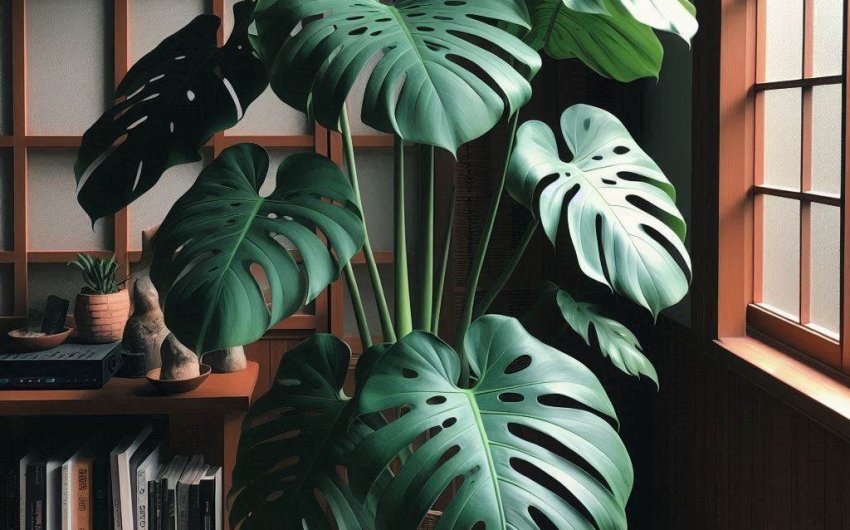
The iconic Monstera deliciosa, with its lush green foliage and striking natural splits, has become a true superstar in the world of houseplants. Those beautiful leaf perforations, known as fenestrations, are what truly give the plant its unique appeal and often lead new plant parents to acquire one. However, it's not uncommon for a new Monstera owner to find their plant unfurling leaf after leaf with solid, unsplit edges. This can be a bit perplexing and lead to the common question: Why is my Monstera not producing fenestrated leaves?
Achieving those coveted splits isn't a guaranteed outcome; it's a sign that your Monstera is happy, mature, and receiving optimal care. It's the plant's way of telling you it's thriving in its environment. If your Monstera's leaves are coming out solid, it's a signal that one or more of its key needs aren't being fully met. Don't worry, though; this guide will break down the common reasons for a lack of fenestrations and provide actionable steps to encourage your Monstera to develop its signature stunning foliage.
Is Your Monstera Mature Enough for Fenestrations?
One of the most common reasons your Monstera is not producing fenestrated leaves isn't about what you're doing wrong, but simply about the plant's natural life cycle. Many new Monstera owners are surprised to learn that those iconic splits don't appear on every leaf from day one. It's a hallmark of a plant that has reached a certain stage of its development.
How Does Age and Maturity Affect Leaf Splits?
The primary factor affecting leaf splits, or fenestrations, is the age and maturity of your Monstera deliciosa. Young Monstera plants, particularly those grown from seed or small cuttings, will typically produce entirely solid, heart-shaped leaves for their first few years. These are often referred to as "juvenile" leaves. Think of it like a human baby growing its first set of teeth – they're different from adult teeth.
As a Monstera matures, it starts to develop more complex leaves. The very first fenestrations usually appear as simple holes within the leaf (like a Swiss cheese plant, hence the common name "Swiss Cheese Plant"), and then later as splits from the leaf edge inwards. These initial splits might be just a few small ones. As the plant continues to age and grow larger, subsequent leaves will become progressively more fenestrated, often developing multiple rows of splits and even holes within the same leaf.
Here’s a general timeline for fenestration development:
- Juvenile Stage (0-2 years): Most leaves will be solid, heart-shaped, and without any splits or holes.
- Adolescent Stage (2-4+ years): The first fenestrations typically start to appear. These might be simple perforations near the midrib or just a few splits along the edge.
- Mature Stage (4+ years): With optimal care, mature Monstera plants will produce leaves with multiple, prominent fenestrations and sometimes even inner holes. The size of the leaves will also increase significantly.
If you just bought a small Monstera deliciosa with solid leaves, chances are it's simply a young plant that hasn't reached the stage where it naturally produces splits yet. Patience is key! Your main goal at this stage is to provide the best possible growing conditions to encourage robust growth and accelerate its journey to maturity. Once the plant is healthy and actively growing, the fenestrations will appear in due course as part of its natural progression. Don't compare your young plant to the giant, split-leaf specimens you see on social media; those plants have often been growing for many years.
Is Your Monstera Getting Enough Light?
Once you've confirmed your Monstera is mature enough to start producing fenestrations, the next crucial factor to examine is light. Light is the single most important environmental element that triggers and supports the development of those coveted leaf splits. If your Monstera is not getting enough light, it will likely prioritize basic survival over creating complex, energy-intensive fenestrations.
How Does Light Intensity and Duration Impact Fenestrations?
The light intensity and duration directly impact a Monstera's ability to produce fenestrations. In their natural habitat in tropical rainforests, Monstera deliciosa plants are understory plants, meaning they grow beneath the canopy of much taller trees. However, they are also climbers. As they climb, they reach for brighter pockets of light. The fenestrations themselves are believed to be an adaptation to allow more light to penetrate through the canopy to lower leaves or to reduce damage from strong winds.
For indoor Monstera plants, "bright, indirect light" is often recommended, but it's essential to understand what that truly means. It's not low light. Monstera plants need ample bright, indirect light to photosynthesize efficiently and produce the energy required for complex leaf structures like fenestrations. This means:
- Proximity to a Window: Your Monstera should be placed near a large window, ideally facing south or west (in the Northern Hemisphere), where it will receive several hours of bright, indirect light daily. East-facing windows can work, but the light intensity might be lower. North-facing windows are usually insufficient for fenestration development.
- Avoid Direct Scorching Sun: While they love bright light, intense, un-filtered direct afternoon sun can scorch their leaves, especially if they've been accustomed to lower light. Filtered light through a sheer curtain can be ideal in very sunny spots.
- Duration: Aim for at least 6-8 hours of bright, indirect light daily. More light generally equals more energy, which fuels the production of larger, more fenestrated leaves.
Signs of insufficient light (and a reason for lack of fenestrations) include:
- Solid leaves on an otherwise mature plant: This is the most obvious sign.
- Leggy growth: Long stems with widely spaced leaves as the plant "stretches" to find light.
- Smaller new leaves: Instead of growing larger with more fenestrations, new leaves might be smaller than previous ones and remain solid.
- Yellowing lower leaves: While sometimes a sign of overwatering, it can also indicate stress from poor light if other conditions are met.
If your natural light is limited, a supplemental grow light is an excellent investment. A full-spectrum LED grow light, positioned a few feet above your Monstera for 10-12 hours a day, can provide the necessary intensity. Consider a Barrina LED Grow Light for larger plants or a GE Grow Light Bulb for smaller ones. Providing ample light is the absolute cornerstone of encouraging those beautiful splits.
Are You Watering Your Monstera Correctly?
After light, proper watering is the next critical factor for a thriving Monstera that produces those magnificent fenestrated leaves. While often lauded as "easy-care," getting the watering wrong is a common pitfall that can lead to a stressed plant, impacting its overall growth and its ability to develop those characteristic splits.
How Does Watering Affect Leaf Development?
Watering affects leaf development in several profound ways. Monstera deliciosa, like many tropical plants, prefers consistent moisture but absolutely despises soggy feet. Overwatering is a far more common problem than underwatering and can severely hinder the plant's health, directly impacting its ability to produce fenestrations.
Here's how watering influences fenestration and general health:
Overwatering: When a Monstera is consistently overwatered, its roots sit in soggy, oxygen-deprived soil. This leads to root rot, where the roots essentially drown and decay. A compromised root system cannot efficiently absorb water and nutrients, which are crucial for producing new, healthy leaves, let alone fenestrated ones. Signs of overwatering include:
- Yellowing leaves, especially lower ones.
- Brown, mushy spots on leaves.
- Stunted growth or a complete halt in new leaf production.
- Drooping leaves that feel soft and limp, not just thirsty.
- Lack of fenestrations on mature leaves is an indirect sign of overall plant stress due to overwatering.
Underwatering: While less common for Monstera (they are somewhat tolerant of drying out), consistent underwatering also stresses the plant. If the soil is allowed to dry out completely for too long, the plant cannot access the water needed for new growth. Signs of underwatering include:
- Crispy, browning edges on leaves.
- Leaves that curl inwards.
- Overall drooping and a dry, brittle feel to the leaves.
- Slowed or stopped growth, and certainly no fenestrations.
The correct watering technique for a Monstera deliciosa is the "drench and dry" method:
- Allow the top 2-3 inches of soil to dry out completely between waterings. Use your finger to check the soil moisture.
- When it's time to water, water thoroughly until water drains freely from the bottom of the pot. Ensure the entire root ball is saturated.
- Empty any excess water from the saucer after about 15-30 minutes. Do not let the pot sit in standing water.
- Use a well-draining potting mix (see next section) and a pot with drainage holes.
The frequency of watering will depend on several factors: the size of your pot, the type of soil, the temperature and humidity of your home, and the amount of light your plant receives. In general, Monstera plants will need more frequent watering in warmer, brighter conditions (active growing season) and less frequent watering in cooler, darker conditions (winter dormancy). By getting your watering routine right, you provide your Monstera with the consistent moisture it needs to produce robust, healthy growth, including those magnificent fenestrated leaves.
Is Your Monstera in the Right Potting Mix and Pot?
The environment surrounding your Monstera's roots – specifically its potting mix and pot – plays a foundational role in its overall health and ability to produce those beautiful fenestrated leaves. Even if light and watering are generally good, poor soil or an unsuitable pot can silently sabotage your Monstera's progress.
Why Is Proper Drainage and Root Space Essential?
Proper drainage and root space are essential because Monsteras are tropical plants that, while loving moisture, absolutely cannot tolerate sitting in stagnant, waterlogged soil. In their natural habitat, they grow in airy, well-draining soil that dries out relatively quickly after rain. Replicating this indoors is critical to prevent root rot and ensure the plant can efficiently absorb water and nutrients, which are vital for healthy leaf development and fenestration.
Here's what constitutes the right potting mix and pot:
Potting Mix: A Chunky, Well-Draining Blend: Standard indoor potting soil is often too dense and retains too much moisture for Monsteras. You need a chunky, airy, and well-draining mix that allows oxygen to reach the roots and prevents water from pooling.
- What to look for: A good Monstera mix should include components that promote aeration and drainage. A popular DIY blend often consists of:
- Orchid bark or fir bark (for chunkiness and aeration)
- Perlite or pumice (for drainage)
- High-quality coir or peat moss (for moisture retention and nutrients)
- Charcoal (optional, for absorbing impurities)
- Why it matters: This kind of mix prevents compaction, allows roots to breathe, and ensures water drains away quickly, significantly reducing the risk of root rot. If you're buying a pre-made mix, look for one labeled for aroids or tropical plants, or one that specifically mentions fast drainage. You might even find an Aroid Potting Mix specifically formulated for these plants.
- What to look for: A good Monstera mix should include components that promote aeration and drainage. A popular DIY blend often consists of:
Pot: With Drainage Holes, Always: This cannot be stressed enough: your pot must have drainage holes. If a pot doesn't have holes, water will accumulate at the bottom, creating a stagnant, anaerobic environment that leads to inevitable root rot.
- Material: While plastic pots are fine (and often retain moisture a bit longer, which can be useful), terra cotta pots are often preferred by many gardeners for Monsteras. Their porous nature allows excess moisture to evaporate through the pot walls, helping the soil dry out faster.
- Size: Don't overpot your Monstera. A pot that is too large will hold too much soil, and thus too much moisture, around the roots, increasing the risk of root rot. Repot only when the plant is visibly root-bound (roots circling the bottom, coming out of drainage holes, or plant becoming unstable). When repotting, only go up one pot size (e.g., from an 8-inch pot to a 10-inch pot).
By ensuring your Monstera is in a perfectly draining potting mix and a pot that allows excess water to escape, you create a healthy root environment. Happy, healthy roots are the foundation for vigorous growth and the development of those coveted large, fenestrated leaves.
Does Your Monstera Have Proper Support?
Beyond the basics of light, water, and soil, providing proper support is a factor often overlooked but highly beneficial for encouraging a Monstera to produce larger, more fenestrated leaves. In their natural jungle habitat, Monstera deliciosa are epiphytes or hemi-epiphytes, meaning they climb trees to reach higher light levels. This climbing behavior is intrinsically linked to their maturity and leaf development.
How Does Vertical Support Encourage Larger, Split Leaves?
Vertical support encourages larger, split leaves because it mimics the natural climbing habit of a Monstera. When a Monstera vine climbs upwards, it responds to the increased light intensity it receives as it ascends. This upward growth triggers the plant to produce more mature leaves with more prominent fenestrations. Conversely, if a Monstera is left to sprawl horizontally or droop downwards, it often behaves more like a juvenile plant, producing smaller, solid leaves.
Here's how various types of support help:
Moss Poles: These are arguably the most effective and popular choice for Monsteras. A moss pole provides a surface that aerial roots can readily cling to, mimicking the tree trunks they climb in the wild. The aerial roots grow into the moss, providing additional moisture and nutrient uptake for the plant.
- Benefit: This strong vertical structure encourages the plant to grow upwards, directly stimulating the production of larger, more mature leaves with a greater degree of fenestration. A tall Coir Moss Pole is an excellent option for supporting vertical growth.
- Tip: Keep the moss pole consistently moist to encourage the aerial roots to grow into it.
Trellises or Stakes: While not as ideal as moss poles for aerial root attachment, sturdy trellises or wooden stakes still provide crucial vertical support. You can gently tie the Monstera's main stem to the support using soft plant ties or garden twine as it grows.
- Benefit: They prevent the plant from sprawling and keep it growing upwards, which is still better than letting it trail. This verticality signals to the plant that it's reaching for higher light, encouraging mature leaf development.
Proper Training: Guide your Monstera's aerial roots towards the support. While aerial roots absorb some moisture from the air, their primary function in nature is to anchor the plant to its climbing surface. As your Monstera grows, you'll see aerial roots emerging from the stem nodes. Gently guide these towards your chosen support (moss pole, stake). You can even mist them occasionally to encourage them to attach.
If your Monstera is lacking support and allowed to trail, it's very likely to continue producing juvenile, solid leaves, even if it's otherwise mature. Providing sturdy vertical support is a direct way to encourage the plant to activate its "climbing genes," leading to the production of those magnificent, fenestrated leaves that are the hallmark of a truly happy and mature Monstera.
Are There Other Factors Affecting Fenestration?
Even after addressing the big three – age, light, and watering/soil – there might be other, less common but still impactful, factors affecting why your Monstera is not producing fenestrated leaves. These elements contribute to the plant's overall vitality and its ability to invest energy into complex leaf structures.
What About Humidity, Fertilization, and Pest Management?
Beyond the core needs, several other factors can influence your Monstera's fenestration:
Humidity: Monstera deliciosa are native to tropical rainforests, where humidity levels are naturally high. While they can adapt to average household humidity, prolonged periods of very low humidity can stress the plant. Stressed plants prioritize survival over producing elaborate fenestrations.
- Impact: Low humidity can lead to crispy leaf edges, slower growth, and may indirectly contribute to a lack of fenestrations by hindering overall plant vigor.
- Solution: If your home is very dry (especially in winter with heating systems), consider placing a humidifier near your Monstera. A small tabletop humidifier can make a big difference. You can also group plants together to create a microclimate, as plants release moisture into the air. Misting can provide a temporary boost, but it's not a long-term solution for increasing ambient humidity.
Fertilization: A Monstera needs consistent nutrients to fuel its growth and the development of large, split leaves. A lack of essential nutrients can slow growth and prevent fenestration.
- Impact: Nutrient deficiencies, particularly nitrogen, can lead to yellowing leaves, stunted growth, and an inability to produce the energy required for complex leaf structures.
- Solution: During the active growing season (spring and summer), fertilize your Monstera every 2-4 weeks with a balanced liquid houseplant fertilizer. Look for a fertilizer with a balanced N-P-K ratio (e.g., 5-5-5 or 10-10-10) or one slightly higher in nitrogen for lush foliage. Always dilute the fertilizer to half strength to avoid over-fertilizing, which can burn roots. Reduce or stop fertilizing during the dormant winter months. A Liqui-Dirt Nano Plant Food is a popular choice for houseplant enthusiasts.
Pest Management: Pests like spider mites, mealybugs, and thrips feed on plant sap, draining the plant's energy and causing stress.
- Impact: A plant under attack by pests will be weakened and direct its energy towards fighting off the infestation rather than producing new, healthy, fenestrated leaves. You might notice distorted new growth or a general decline in plant vigor before seeing the pests themselves.
- Solution: Regularly inspect your Monstera for signs of pests (undersides of leaves, leaf axils). If you find any, treat them promptly with an appropriate horticultural insecticide or natural remedies like neem oil or insecticidal soap. Isolating an infested plant is crucial to prevent spread. Early detection and treatment are vital to minimize stress on the plant.
By attending to these additional factors, you ensure your Monstera is not only surviving but truly thriving. A well-cared-for, unstressed Monstera is much more likely to reward you with robust growth and those coveted, increasingly fenestrated leaves over time. Patience, combined with consistent optimal care across all these areas, is the ultimate secret to a magnificent Monstera deliciosa.