
How to Choose the Best Potting Mix for Cacti?
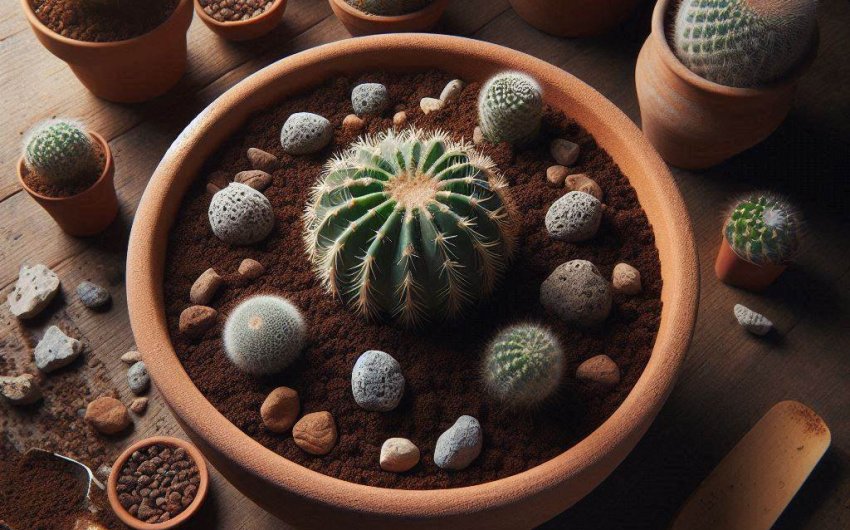
Bringing the rugged beauty of the desert indoors has captivated plant enthusiasts for generations. Cacti, with their striking forms, intriguing textures, and often surprising blooms, are living sculptures that add a unique touch to any home or office. From the smallest thimble cactus to towering columnar varieties, their allure is undeniable. However, despite their reputation for being low-maintenance, one of the most common pitfalls in cactus care lies not in watering frequency, but in the very foundation they grow in: their potting mix.
Unlike most houseplants that prefer a rich, moisture-retentive soil, cacti hail from arid environments and have evolved with very specific needs. Using the wrong soil for cacti can quickly lead to their demise, often through the insidious problem of root rot. Understanding the unique requirements of these fascinating plants is crucial to choosing or creating the best potting mix for cacti, ensuring their long-term health and allowing them to truly thrive indoors. Let's delve into the secrets of optimal cactus soil and unlock the key to cultivating these resilient desert gems.
What Makes Cactus Soil Unique and Essential?
For cacti, the soil is far from generic; it's a specialized environment that directly reflects their arid native habitats. Understanding what makes cactus soil unique and essential is the cornerstone of successful cactus care and key to preventing common problems.
Why is Extremely Fast Drainage Critical for Cacti?
Extremely fast drainage is not just important for cacti soil; it is critical. This characteristic is the single most vital factor in preventing root rot, the leading cause of death for most cacti.
- Mimics Natural Habitat: In their native desert and arid environments, cacti typically grow in sandy, rocky soils where any rainfall, even heavy downpours, drains away almost instantly. They are not adapted to sitting in wet conditions.
- Preventing Root Rot: Cacti roots are highly susceptible to root rot. When roots are constantly surrounded by waterlogged soil, they are deprived of oxygen. Without oxygen, the roots cannot "breathe" and begin to decay, leading to the rapid death of the plant. Extremely fast drainage ensures that excess water flows away quickly, preventing stagnant, oxygen-deprived conditions around the roots.
- Water Conservation Adaptation: Cacti store water in their fleshy stems, not in their roots. Their root systems are designed to quickly absorb moisture during brief rainfall events, then endure long periods of drought. Constantly wet soil disrupts this adaptation.
Choosing a potting mix with extremely fast drainage is the non-negotiable rule for anyone wanting their cacti to thrive.
How Does Aeration Impact Cactus Root Health?
Aeration in cactus potting mix refers to the presence of abundant air pockets within the soil structure. It's intimately linked with drainage and is paramount for cactus root health.
- Oxygen for Roots: Like all living cells, cactus roots require oxygen for respiration – the process that provides energy for growth, water absorption, and nutrient uptake. In dense, poorly aerated soil, air pockets are minimal, effectively suffocating the roots.
- Preventing Compaction: Standard potting mixes can compact over time with repeated watering, squeezing out air pockets. A well-aerated mix resists this compaction, maintaining its loose, open structure.
- Promoting Healthy Root Growth: Roots need to navigate through the soil. A loose, airy mix allows cactus roots to grow freely and expand, forming a strong, healthy system capable of absorbing water efficiently during brief watering periods.
- Discouraging Pathogens: Many harmful fungal and bacterial pathogens that cause root rot thrive in anaerobic (low oxygen) conditions. Good aeration discourages their proliferation.
A well-aerated cactus potting mix provides the essential oxygen that cactus roots need to remain healthy, prevent rot, and function effectively.
What Role Does Low Nutrient Retention Play in Cactus Soil?
Low nutrient retention plays a specific role in cactus soil that might seem counterintuitive compared to other plants, but it's crucial for their well-being.
- Mimics Arid Environment: Desert soils are naturally lean, low in organic matter, and don't hold onto nutrients for long. Cacti have evolved to survive and grow slowly in these less fertile conditions.
- Prevents Mineral Buildup: Highly retentive soils can accumulate excess mineral salts from fertilizers or tap water over time. Cacti are sensitive to high salt concentrations, which can cause chemical burn or osmotic stress. A mix with low retention allows these salts to flush out.
- Slow Growth Rate: Cacti are inherently slow-growing plants. They don't require the constant influx of nutrients that fast-growing leafy plants do. Over-fertilizing in a nutrient-retentive soil can easily lead to fertilizer burn.
- Watering Frequency: A less retentive soil also correlates with faster drying, which is beneficial for cacti.
While cacti do need some nutrients, the goal for their soil is to have low nutrient retention to prevent problems associated with excessive moisture and accumulated salts, favoring a lean, fast-draining environment.
1. Components of the Best Cactus Potting Mix
To achieve the ideal characteristics of fast drainage, excellent aeration, and low nutrient retention, the best cactus potting mix is typically a custom blend of specific components, rather than a single off-the-shelf product.
What is the Purpose of Inorganic Amendments like Perlite/Pumice/Grit?
Inorganic amendments like perlite, pumice, and grit are the backbone of the best cactus potting mixes. Their purpose is to drastically improve drainage and aeration while remaining stable over time.
- Perlite:
- Purpose: Lightweight, expanded volcanic rock. Its porous structure creates air pockets, prevents compaction, and enhances drainage.
- Benefit: Very effective at improving aeration and lightening the soil.
- Use: Mix it generously (25-50% of the total mix). A large bag of perlite is essential.
- Pumice:
- Purpose: A lightweight, porous volcanic rock similar to perlite but typically heavier and less prone to floating to the top. Excellent for drainage and aeration.
- Benefit: Provides superior drainage and aeration while being more stable than perlite. It also has a greater water-holding capacity than perlite while still draining quickly.
- Use: Can be used in place of or in combination with perlite.
- Grit (Coarse Sand/Small Gravel):
- Purpose: Horticultural coarse sand, chicken grit (crushed granite), or small pea gravel. It adds weight and significantly improves drainage by creating large pore spaces.
- Benefit: Prevents compaction and ensures very fast drainage. Adds stability to top-heavy cacti.
- Use: Ensure it's horticultural grit, not play sand or builder's sand, which can compact.
These inorganic amendments are essential for creating the fast-draining, aerated environment that cacti demand.
How Does a Small Amount of Organic Matter Help?
While cactus soil is predominantly inorganic, a small amount of organic matter (like compost or coir fiber) can actually help the mix by providing a slight degree of nutrient retention, moisture absorption, and beneficial microbial activity.
- Moisture and Nutrient Retention (Balanced): Organic components can absorb some moisture and slowly release nutrients. In a heavily inorganic mix, a tiny bit of organic matter ensures the soil doesn't dry out too quickly between waterings and provides some initial food for the cactus.
- Soil Structure: Organic matter, especially when coarse, helps to create a stable, airy structure, preventing the inorganic components from settling too densely.
- Microbial Activity: It supports beneficial microorganisms in the soil, which contribute to overall plant health.
- Use: When adding organic matter, keep it to a minimum, typically no more than 20-30% of the total mix. Options include:
- Coir Fiber: A sustainable alternative to peat moss, it's light and provides good aeration and some moisture retention.
- Peat Moss: Provides moisture and nutrient retention but can be overly acidic for some cacti; often needs lime added to balance pH if used in large quantities.
- Compost: A small amount of well-decomposed, screened compost can add slow-release nutrients and beneficial microbes. Ensure it's fine and well-drained.
The key is moderation with organic matter to prevent it from overwhelming the fast-draining qualities of the mix.
What are Other Specialized Soil Amendments for Cacti?
Beyond the main components, some other specialized soil amendments can be added to cactus potting mix for further benefits, especially for advanced growers or specific cactus types.
- Pumice (Revisited): Often considered superior to perlite because it's denser (less prone to floating) and also provides better porosity for water and air. A great all-rounder. A bag of horticultural pumice is a premium amendment.
- Turface (Calcined Clay): These are small, kiln-fired clay particles.
- Benefit: Excellent for drainage and aeration, and they can absorb some water and nutrients, then slowly release them. They are very stable and don't break down.
- Use: Adds structure and moisture regulation. Often used in Bonsai mixes.
- Lava Rock (Volcanic Rock): Crushed lava rock is highly porous, offering superb drainage and aeration. It's heavier than perlite, adding stability.
- Benefit: Adds significant porosity and weight, making it ideal for large or top-heavy cacti.
- Akadama (Japanese Clay Granules): A specialized hard-baked clay used in Bonsai.
- Benefit: Excellent drainage, aeration, and offers good cation exchange capacity (nutrient retention). Changes color when wet, indicating moisture level.
- Use: Often more expensive, used for high-value specimens.
- Crushed Granite: Provides excellent drainage and aeration. It's heavy and adds stability to tall cacti.
These specialized soil amendments allow for fine-tuning the cactus potting mix for optimal performance.
2. DIY Cactus Potting Mix Recipes: Tailoring Your Blend
While commercial cactus potting mixes are available, they often contain too much peat or fine components to be truly ideal. Creating your own DIY cactus potting mix allows you to tailor the blend perfectly, ensuring optimal drainage and aeration.
What is a Basic Cactus Mix for Beginners?
For beginners wanting a reliable cactus potting mix, a simple two-ingredient blend is highly effective and easy to create. This mix prioritizes maximum drainage and aeration.
- Recipe:
- 1 part (or 50%) Standard Indoor Potting Mix (ensure it's not too dense, peat or coco coir based)
- 1 part (or 50%) Perlite or pumice
- Mixing: Combine both ingredients thoroughly in a large bucket or on a tarp until evenly distributed.
- Characteristics: This mix will be noticeably chunky and very light. When watered, water should flow through almost instantly.
- Benefits: This basic blend drastically increases drainage and aeration compared to straight potting soil, significantly reducing the risk of root rot for novice cactus owners. It's a forgiving mix that helps prevent overwatering.
This beginner-friendly mix is an excellent starting point for providing your cacti with the right environment.
How to Create a More Advanced Cactus Soil Blend?
For more advanced cactus enthusiasts or those dealing with specific species that require extremely particular conditions, a more advanced cactus soil blend can be created by incorporating a wider range of inorganic components.
- Recipe:
- 1 part (or 25%) Standard Indoor Potting Mix (or coco coir)
- 1 part (or 25%) Pumice or coarse perlite
- 1 part (or 25%) Crushed Granite/Chicken Grit (ensure it's horticultural grade)
- 1 part (or 25%) Lava Rock (small)** or Turface
- Mixing: Combine all ingredients thoroughly.
- Characteristics: This blend will be very gritty, heavy (if using granite/lava rock), and incredibly fast-draining. It will have very little fine organic matter.
- Benefits: Offers unparalleled drainage and aeration, ideal for desert cacti that are highly sensitive to moisture. The added weight of some components can provide stability for tall or top-heavy cacti.
- Consideration: This mix holds very little moisture or nutrients. You will need to water more frequently, and consistently provide a diluted liquid fertilizer during the growing season.
This advanced blend offers superior control and is excellent for maximizing the health of your most sensitive cacti.
What Considerations Are Needed for Epiphytic Cacti?
While most cacti are desert dwellers, epiphytic cacti (like Christmas cactus, Thanksgiving cactus, and Rhipsalis) have very different soil considerations because they grow on trees in humid, tropical environments, not in dry ground.
- Native Habitat: They are epiphytes, meaning they grow on other plants, deriving moisture and nutrients from air, rain, and decaying organic matter in tree crevices. They are not accustomed to soil at all, but their roots need consistent moisture and excellent airflow.
- Potting Mix Requirements: For epiphytic cacti, you need a mix that is:
- Extremely Well-Draining: Still crucial, as they will quickly rot in soggy soil.
- Highly Aerated: Lots of chunky material for air circulation.
- Retains More Moisture: Unlike desert cacti, they prefer consistently moist (but not wet) conditions.
- Organic-Rich: They appreciate a higher percentage of chunky organic matter.
- Recommended Mix Components:
- Orchid Bark: The primary component.
- Coco Coir Chunks/Fiber: Excellent for moisture retention and aeration.
- Perlite: For additional drainage.
- Small Amount of Peat Moss/Potting Soil: For a bit more moisture retention and nutrients.
- Example Mix: 2 parts orchid bark, 1 part coco coir, 1 part perlite, and a small amount of potting mix.
Understanding the unique needs of epiphytic cacti is key to choosing the right soil for them.
3. Potting and Repotting: Best Practices for Cactus Soil
Beyond the mix itself, how you pot and repot your cacti plays a crucial role in the soil's performance. Following best practices ensures the soil functions optimally and your cactus thrives.
What is the Ideal Potting Material for Cacti?
The ideal potting material for cacti is critical because it directly affects how quickly the soil dries out and how much air reaches the roots.
- Unglazed Terracotta or Clay Pots: These are highly recommended and are often considered the best potting material for cacti. Terracotta pots are porous, meaning they allow air and moisture to pass through their walls. This helps the potting mix dry out more quickly and thoroughly between waterings, significantly reducing the risk of root rot. They also help regulate soil temperature. A set of unglazed terracotta pots with drainage is an excellent choice.
- Plastic or Glazed Ceramic Pots (with caution): These materials are non-porous and do not allow moisture to evaporate through their walls. If you use them, you must be extremely vigilant with your watering schedule and ensure your potting mix is even more well-draining than usual. They hold moisture for much longer.
- Drainage Holes are Non-Negotiable: Regardless of the material, the most important feature is sufficient drainage holes at the bottom of the pot. Never plant a cactus in a container without a drainage hole. If you have a decorative pot without holes, use it as a cachepot (outer decorative pot) and keep the cactus (in its nursery pot with drainage) inside it.
The right potting material directly supports the fast-draining nature of ideal cactus soil.
How Often Should Cacti Be Repotted?
Cacti generally have slower growth rates compared to leafy houseplants, so they do not need to be repotted as frequently.
- Frequency: Young, actively growing cacti might need repotting every 2-3 years. More mature or larger specimens might only need repotting every 3-5 years, or even longer if they are healthy and their soil is still well-draining.
- Signs It's Time to Repot:
- Roots Growing Out of Drainage Holes: This is the clearest sign that the cactus has outgrown its pot and its roots are becoming constricted.
- Stunted Growth: If the cactus's growth seems to have significantly slowed or stopped despite optimal light and watering.
- Soil Degradation: If the potting mix itself has broken down, become compacted, or is no longer draining well.
- Plant Becomes Top-Heavy/Unstable: If the cactus is large and its pot isn't providing enough stability.
- Timing: The best time to repot is in spring or early summer during the cactus's active growing season.
Avoid unnecessary repotting, as it can stress the plant. Use a cactus repotting mat for easy cleanup.
What is the Correct Repotting Process for Cacti?
The correct repotting process for cacti involves minimizing stress, providing a fresh, optimal soil environment, and protecting yourself from spines.
- Timing: Repot in spring or early summer during active growth.
- Protection: Wear thick cactus repotting gloves or use folded newspaper/cardboard to handle spiny cacti safely.
- Choose the Right Pot Size: Select a new pot that is only one size larger (e.g., from a 4-inch to a 6-inch diameter pot). Using a pot that is too large means too much soil for the roots to quickly dry out, increasing the risk of overwatering and rot.
- Prepare the Pot and Mix: Ensure the new pot has drainage holes. Fill the bottom with a layer of your chosen well-draining cactus potting mix.
- Remove the Cactus: Gently tip the existing pot on its side and carefully slide the cactus out. Loosen any old, clinging soil from the roots.
- Inspect Roots: Examine the roots. Healthy roots are firm and white or tan. Trim away any mushy, black, or smelly roots (signs of rot) with clean, sterile shears. Allow these cut areas to callus for a few days before repotting.
- Planting: Place the cactus in the new pot at roughly the same depth it was previously growing. Fill around the root ball with fresh potting mix, gently firming it down.
- Watering After Repotting: Do NOT water immediately after repotting. Wait for at least one week (or longer if root pruning was done). This allows any minor root damage to heal and reduces the risk of root rot in the fresh, moist soil. After the waiting period, water thoroughly.
Following this correct repotting process ensures a smooth transition and continued health for your cactus.
4. Watering Principles: Adapting to the Right Soil
The best cactus soil requires specific watering principles. Its fast-draining nature means you need to adjust how and when you water, moving away from habits suitable for other houseplants.
What is the Correct Watering Frequency for Cacti?
The correct watering frequency for cacti is highly dependent on your chosen soil mix, environmental conditions (light, temperature, humidity), and the cactus species, but the overarching principle is "dry and infrequent."
- "Soak and Dry" Method: The golden rule is to allow the soil to dry out completely between waterings. Don't just check the top inch; the entire pot should be dry. A soil moisture meter can help measure deep dryness.
- Seasonality:
- Growing Season (Spring/Summer): During active growth, cacti will need more frequent watering. Water thoroughly when the soil is completely dry. This might be every 2-4 weeks, depending on heat and light.
- Dormant Season (Fall/Winter): Most cacti go into a semi-dormant state in cooler, darker months. Reduce watering drastically, often to once every 4-8 weeks, or even less frequently. Some species prefer complete dryness.
- Light/Temperature: Cacti in bright, warm environments will dry out faster and need more water than those in cooler, darker spots.
- Potting Material: Terracotta pots dry faster than plastic or glazed ceramic.
Always err on the side of underwatering rather than overwatering. Infrequent, deep watering is the way to go.
Why is Bottom Watering Beneficial for Cacti?
Bottom watering can be a highly beneficial technique for cacti, complementing their fast-draining soil mixes and promoting healthy root development.
- Encourages Deep Roots: When you place a potted cactus in a tray of water, the soil slowly wicks water upwards. This encourages the roots to grow downwards, seeking the moisture, leading to a deeper, stronger root system.
- Even Saturation: Ensures the entire soil ball is thoroughly saturated, rather than just the top layer. This is especially useful for very gritty mixes that can sometimes be difficult to saturate evenly from the top.
- Prevents Compaction: Reduces the risk of compaction of the topsoil layer, which can happen with frequent top watering.
- Avoids Over-Wetting Foliage: Keeps water off the cactus body, which can prevent some fungal issues for species sensitive to overhead moisture.
- Process: Place the potted cactus in a saucer or tray filled with 1-2 inches of water. Allow it to sit for 15-30 minutes, or until the top of the soil appears moist. Then, remove the pot and let any excess water drain completely before returning it to its spot.
While beneficial, occasional top watering (if your soil allows for it to drain quickly) can help flush out any accumulated mineral salts. A deep plant saucer is perfect for bottom watering.
How Does Water Quality Impact Cactus Health in Specific Soil?
The quality of your water can impact cactus health, especially in a fast-draining, low-retention soil mix. Mineral buildup from hard water can become an issue over time.
- Mineral Accumulation: Tap water, especially hard water (high in dissolved minerals like calcium and magnesium), can leave behind mineral deposits in the soil as water evaporates. In very fast-draining soils that aren't flushed thoroughly, these salts can still accumulate and cause problems.
- Symptoms of Mineral Buildup: White crust on the soil surface or around the pot rim. Brown tips on the cactus. Stunted growth.
- Solutions:
- Rainwater or Distilled Water: The ideal choice for watering cacti as they are naturally low in dissolved minerals. A rain barrel for collecting water is a sustainable solution.
- Filtered Water: Using a household water filter can reduce some minerals.
- Leaching: Periodically, thoroughly leach the soil by watering with a large volume of clean, low-mineral water until it drains out multiple times. This helps flush out accumulated salts. Do this 1-2 times a year, preferably during the active growing season.
- Repotting: If mineral buildup is severe, repotting into fresh soil might be necessary.
Being mindful of your water quality is an important aspect of providing the best soil environment for your cacti.
5. Troubleshooting Soil-Related Problems in Cacti
Despite careful attention, soil-related problems can sometimes arise with cacti. Understanding these common issues and their troubleshooting solutions is crucial for maintaining your plant's health.
Why Do Cacti Get Mushy and Rot?
If your cactus is mushy and rotting, especially at the base or from the roots upward, it is almost always due to root rot caused by overwatering in poorly draining conditions. This is the single biggest killer of cacti.
- Symptoms: The base of the cactus or segments turn soft, mushy, discolored (often black or dark brown), and may have a foul odor. The cactus may also collapse or feel squishy when touched.
- Causes:
- Too Frequent Watering: Watering before the soil has completely dried out.
- Poorly Draining Soil: Using standard potting soil or a mix that retains too much moisture.
- Lack of Drainage Holes: Water has nowhere to go.
- Pot Too Large: Too much soil stays wet for too long.
- Too Cold Temperatures: Cold, wet soil further exacerbates rot.
- Solutions (Immediate Action Required!):
- Stop Watering Immediately.
- Unpot and Inspect: Remove the cactus from its pot. Gently remove all old soil.
- Prune Rot: With a clean, sharp, sterile knife, cut away all affected (mushy, black, smelly) portions of the cactus until you reach firm, healthy tissue. If rot has reached the stem, keep cutting until only clean, white/green tissue remains.
- Callus: Allow the cut surface to callus over in a dry, warm place for several days to weeks (depending on the size of the cut) until it's dry and hard. This prevents further rot when replanted.
- Replant: Once callused, replant into a fresh, bone-dry, extremely well-draining cactus mix in a clean pot with drainage.
- Delay Watering: Do not water the replanted cactus for at least 1-2 weeks (or longer for large cuts) to allow it to establish.
Mushy cactus indicates severe root rot requiring immediate and decisive action.
How to Fix a Cactus That is Stunted or Not Growing?
If your cactus is stunted or not growing, despite appearing otherwise healthy, it usually points to insufficient light, improper watering, or nutrient issues in the soil.
- Symptoms: Lack of new growth, unusually slow growth for its species, dull color, or generally looking "unhappy" but not rotting.
- Causes:
- Insufficient Light: The most common reason for a healthy-looking but stagnant cactus. Cacti need abundant bright light to photosynthesize and grow.
- Too Little Water (in growing season): While they like dry soil, they do need water during their active growth period. If consistently underwatered, they won't grow.
- Nutrient Deficiency: While low-feeding, they do need some nutrients. Very old, depleted soil or constantly flushing can lead to deficiency.
- Dormancy: Cactus growth slows or stops naturally in fall and winter. This might just be normal dormancy.
- Compacted Soil: Roots can't grow or absorb nutrients effectively.
- Solutions:
- Increase Light: Move the cactus to the brightest, sunniest spot available (south-facing window, grow lights). This is usually the fix. A full-spectrum grow light can provide ample light.
- Check Watering Routine: Ensure you are watering thoroughly when dry during the growing season.
- Fertilize (Seasonally): During the growing season, apply a diluted low-nitrogen cactus fertilizer every 2-4 weeks.
- Repot (if needed): If soil is compacted or very old, repot into fresh, well-draining mix.
Stunted growth in cacti usually means an environmental adjustment, especially light, is needed.
What to Do About White Crust on Soil Surface?
A white crust on the soil surface of your cactus pot is a common issue that indicates the buildup of mineral salts from evaporated water or fertilizer.
- Symptoms: A white, powdery or crusty residue forms on the top of the soil and/or on the outside of terracotta pots.
- Causes:
- Hard Tap Water: Water with high levels of dissolved minerals.
- Fertilizer Buildup: Over-fertilizing or applying fertilizer to dry soil.
- Insufficient Flushing: Not watering deeply enough to push salts through the drainage holes.
- Impact: While not immediately fatal, severe buildup can affect soil pH, hinder water penetration, and eventually cause salt burn to sensitive roots.
- Solutions:
- Scrape Off Crust: Gently scrape off the white crust from the soil surface.
- Leaching: Perform a thorough leaching once or twice a year during the growing season. Water the pot repeatedly (3-4 times) with clean, low-mineral water (rainwater, distilled water, or filtered water), allowing each flush to drain completely. This washes salts out of the soil.
- Use Better Water Quality: If possible, use rainwater or distilled water for routine watering.
- Repot (if severe): For very heavy buildup or severely impacted soil, repotting into fresh mix is the best option.
- Adjust Fertilization: Ensure you are diluting fertilizer properly and not over-fertilizing.
Managing white crust through proper watering, water quality, and occasional leaching keeps your cactus soil healthy.