
How to Train a String of Hearts to Grow Fuller?
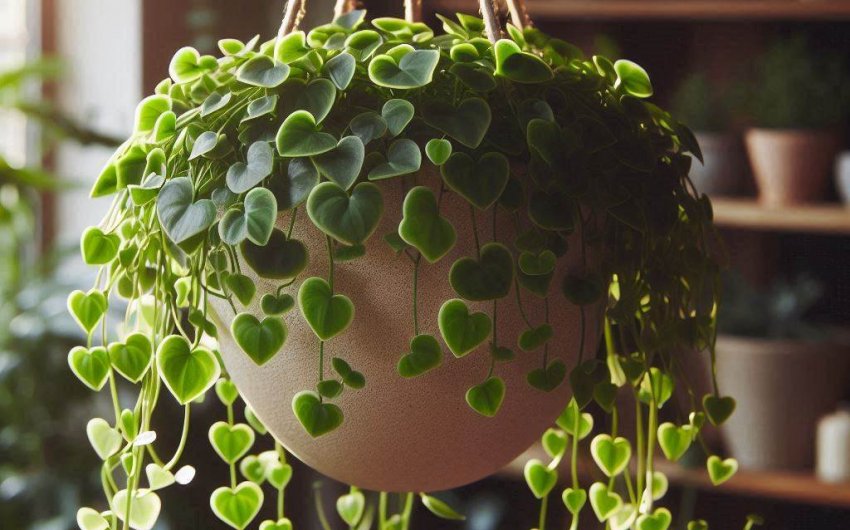
The delicate, heart-shaped leaves of the Ceropegia woodii, affectionately known as String of Hearts, make it a highly coveted trailing houseplant, but sometimes its growth can appear sparse rather than lush. If your plant is sending out long, spindly vines with wide gaps between leaves, you're likely wondering how to train a String of Hearts to grow fuller. Achieving that coveted dense, cascading look is entirely possible with a few strategic care and pruning techniques that encourage branching and root development. This comprehensive guide will explore the optimal conditions and specific methods to transform your String of Hearts into a robust, abundant curtain of foliage, ensuring your plant becomes the showstopper you envision.
What light conditions are best for a full String of Hearts?
Light is paramount for the health and density of your String of Hearts. These plants, native to South Africa, thrive in bright conditions, and insufficient light is a primary cause of leggy, sparse growth.
How much light is ideal?
- Bright, Indirect Light: This is the sweet spot. A String of Hearts wants plenty of bright light, but ideally, it should be filtered or indirect. Direct, harsh midday sun can scorch its delicate leaves, especially in hot climates.
- Good Locations:
- An east-facing window provides gentle morning sun, which is perfect.
- A south or west-facing window with a sheer curtain to diffuse intense midday light works well.
- Placing the plant a few feet back from a very bright window.
- Rotate Regularly: Rotate your plant every week or two to ensure all sides receive even light exposure. This prevents one side from becoming leggy while the other remains compact.
What are signs of insufficient light leading to sparse growth?
- Etiolation: This is the most common sign. The vines become long and stretched, with significant gaps between each pair of heart-shaped leaves. The leaves themselves may be smaller and paler than usual. This is the plant literally "stretching" to find more light.
- Lack of Variegation: If you have a variegated variety (like 'Variegata' with pink/cream edges), insufficient light will cause the variegation to fade or disappear entirely.
- Slow Growth: While a String of Hearts isn't a super fast grower, excessively slow or minimal new vine development can indicate too little light.
Can you use supplemental lighting?
Absolutely! If natural light is limited in your home, a grow light can make a huge difference in achieving a fuller String of Hearts.
- Type of Light: Full-spectrum LED grow lights are energy-efficient and effective.
- Distance: Place the grow light about 12-18 inches above the plant, adjusting as needed based on the light's intensity and the plant's response.
- Duration: Aim for 10-14 hours of artificial light per day, mimicking a long, bright day. A light timer can ensure consistency.
Providing optimal light is the foundational step to encouraging compact, dense growth and vibrant coloration in your String of Hearts.
How does proper watering affect plant fullness?
While light encourages healthy leaf development, appropriate watering is crucial for preventing root rot and ensuring the plant's overall vigor, which indirectly contributes to its ability to grow fuller. Overwatering is the most common killer of String of Hearts.
What is the "soak and dry" method?
This watering technique mimics the natural environment of succulents and semi-succulents like the String of Hearts, allowing the soil to dry out completely between waterings.
- Wait for complete dryness: Before watering, stick your finger deeply into the soil (at least 1-2 inches or even halfway down the pot for smaller pots). The soil must be bone dry. If in doubt, wait a few more days. The leaves might also feel slightly less firm or even a bit pliable when they need water.
- Water thoroughly: Water deeply until water freely drains from the bottom of the pot. Ensure the entire root ball is saturated.
- Discard excess water: Do not let the pot sit in standing water. Empty any collected water from the saucer within 15-30 minutes.
What are signs of improper watering?
- Overwatering (most common problem leading to sparse patches):
- Mushy, yellow, or translucent leaves: Leaves become soft and may fall off easily. This indicates rot.
- Blackened stems: A clear sign of stem or root rot, often irreversible.
- Sparse growth/dieback from the crown: If the plant appears to be dying back from the soil line upwards, it's likely root rot, preventing new growth from emerging.
- Underwatering:
- Wrinkled or shriveled leaves: Leaves appear thin, deflated, or crispy. They will usually plump back up after a good soak.
- Crispy stems: Can indicate severe dehydration.
Factors influencing watering frequency:
There's no fixed schedule. Always check the soil.
- Light levels: More light = faster drying = more frequent watering.
- Temperature & Humidity: Warmer, drier air increases evaporation.
- Pot Material: Terracotta pots (porous) dry out faster than plastic or glazed ceramic.
- Soil Type: Well-draining soil (as discussed next) dries faster.
- Season: Reduce watering significantly in winter when the plant's growth slows down.
Proper watering ensures a healthy root system, which is essential for supporting a dense canopy of foliage and the successful implementation of training techniques.
What kind of soil and pot are best for promoting fuller growth?
The right potting mix and pot type are non-negotiable for a healthy String of Hearts, directly impacting its ability to absorb water efficiently and preventing the dreaded root rot that can decimate your plant.
Soil requirements for String of Hearts:
Like most succulents and semi-succulents, String of Hearts needs extremely well-draining soil.
- Why drainage is critical: In their natural habitat, these plants grow in rocky, gritty soils where water drains away almost instantly. Heavy, moisture-retentive potting soil will suffocate their roots and lead to rot.
- Ideal soil characteristics:
- Fast-draining: Water should pass through quickly.
- Aerated: Allows good air circulation to the roots.
- Slightly gritty: Mimics their native conditions.
Components of a good String of Hearts soil mix:
You can buy a specialized mix or easily create your own.
- Cactus and Succulent Potting Mix: This is the easiest base. Look for a succulent and cactus potting mix at your local garden center.
- Amending for Extra Drainage: Even cactus/succulent mixes sometimes benefit from additional grit, especially if you tend to be heavy-handed with watering or live in a humid environment. Mix in:
- Perlite: Horticultural perlite improves drainage and aeration.
- Pumice: Pumice for plants is a volcanic rock that adds excellent drainage and aeration without floating like perlite.
- Coarse Sand or Grit: Horticultural coarse sand or fine gravel (like chicken grit) adds weight and drainage.
A good DIY mix could be 1 part regular potting soil, 1 part perlite/pumice, and 1 part coarse sand/grit.
Pot selection for String of Hearts:
The pot material and size are just as important as the soil.
- Drainage Holes: Non-negotiable! Your pot must have drainage holes to allow excess water to escape. Without them, you're inviting root rot. Never use pebbles at the bottom of a pot without drainage; this does not improve drainage and can worsen waterlogging.
- Material:
- Terracotta Pots: Highly recommended. Unglazed terracotta pots are porous, allowing air to circulate through the soil and excess moisture to evaporate quickly from the sides. This helps the soil dry out faster, which is perfect for String of Hearts.
- Glazed Ceramic or Plastic Pots: These are non-porous and retain moisture longer. If you use these, you'll need to be extra vigilant with your watering and ensure the soil mix is very gritty.
- Size: Choose a pot that is appropriate for the current size of your plant. String of Hearts has a relatively shallow root system and prefers to be a bit snug. A pot that is too large will hold too much soil, and thus too much moisture, increasing the risk of rot. Only go up one pot size when repotting.
The combination of the right soil and pot provides the optimal environment for healthy roots, which is the cornerstone of robust and full String of Hearts growth.
How does pruning promote a fuller String of Hearts?
Pruning is arguably the most direct and effective way to encourage a String of Hearts to grow fuller. By strategically trimming its long vines, you stimulate new growth and promote a denser, more bushy appearance at the top of the plant.
Why does pruning work?
When you cut a vine, you remove the apical dominance, which is the plant's natural tendency to grow primarily from the tips of its main stems. By snipping off the tip, you force the plant to divert its energy to dormant growth points (nodes) further down the vine or at the base of the plant. This encourages new shoots to emerge, leading to a bushier growth habit.
When to prune:
- Active Growing Season: The best time to prune is during the String of Hearts' active growing season, typically spring and summer. This allows the plant to quickly recover and produce new growth.
- As needed: You can lightly prune any time you notice leggy growth or want to encourage bushiness.
How to prune for fullness:
- Identify Leggy Vines: Look for long, thin vines with widely spaced leaves and sparse growth, especially near the top of the pot.
- Clean Tools: Use clean, sharp pruning shears or scissors. Sterilize them with rubbing alcohol before and after use to prevent disease.
- Make the Cut:
- Locate a healthy section of the vine.
- Cut the vine just below a node (the point where a set of leaves emerges from the stem). New growth is most likely to sprout from these nodes.
- You can cut vines back by as much as half their length, or even more if they are very leggy. Don't be afraid!
- Don't Discard Cuttings! These cuttings are valuable and can be used for propagation (as discussed below) to further increase the fullness of your plant.
What to expect after pruning:
- It might take a few weeks, but you should start to see new growth emerging from the nodes just below where you made the cut.
- The plant's energy will also be redirected to the existing growth at the top, potentially making it more dense.
Regular pruning, coupled with optimal light, is the most powerful tool in your arsenal for cultivating a truly full and luscious String of Hearts.
How can you propagate cuttings to make the plant fuller?
Once you've pruned your String of Hearts to encourage bushiness, those cuttings are liquid gold for enhancing the plant's fullness at the soil level. By propagating these pieces and planting them back into the same pot, you can create a dense, overflowing cascade of foliage.
Why propagate and replant?
- Fill in Gaps: Addresses sparse areas at the top of the pot, especially if the original plant started from only a few strands.
- Increase Density: Creates a much fuller appearance, as new plants grow alongside the existing ones.
- Easy to Do: String of Hearts is remarkably easy to propagate, making this a rewarding step.
Propagation Methods for String of Hearts:
There are several effective ways to propagate String of Hearts cuttings:
- "Tuck and Cover" Method (Best for Fullness):
- Prepare Cuttings: Take your pruned vines. Remove the bottom 1-2 pairs of leaves. You can cut long vines into shorter sections, each with a few nodes.
- Coil on Soil: Lightly mist the surface of your main plant's soil. Gently coil the cut vines on top of the soil, ensuring that several nodes (the points where leaves emerge, and where new roots will form) are in contact with the soil.
- Secure (Optional): You can use small floral pins or paper clips bent into a "U" shape to gently hold the vines against the soil.
- Lightly Cover (Optional, but helps): Sprinkle a very thin layer of succulent soil or perlite over the nodes.
- Humidity (Optional, but speeds up rooting): Place a clear plastic dome or bag over the pot, or mist the soil surface daily to maintain high humidity. Remove cover periodically for air circulation.
- Rooting: Within a few weeks to a couple of months, roots will form from the nodes, and new leaves/vines will begin to emerge. Keep the soil barely moist during this period.
- Water Propagation:
- Prepare Cuttings: Take your pruned vines and remove the bottom 1-2 pairs of leaves.
- Place in Water: Place the defoliated end into a small glass or jar of water, ensuring only the nodes are submerged, not the leaves.
- Rooting: Place in bright, indirect light. Roots will typically form within 2-4 weeks. Change the water every few days.
- Plant in Soil: Once the roots are an inch or two long, gently plant the rooted cuttings into your main String of Hearts pot, distributing them evenly to fill in sparse areas. Water lightly.
- Direct Soil Propagation:
- Prepare Cuttings: As above, remove bottom leaves and allow the cut end to callus (dry and form a scab) for a day or two to prevent rot.
- Plant in Soil: Gently insert the callused end of the cutting directly into the main pot's soil.
- Care: Keep the soil barely moist (mist the surface regularly) and provide bright, indirect light. Rooting will take longer than water propagation.
By actively propagating and replanting cuttings, you'll effectively multiply the number of growth points at the soil level, quickly transforming a sparse String of Hearts into a truly abundant and lush specimen.
What is the importance of proper fertilization and dormancy for fullness?
While often overlooked, providing the right nutrients at the right time and respecting the plant's natural dormant period contribute significantly to the long-term health and vigor of your String of Hearts, enabling it to grow fuller and more robust.
Fertilization for String of Hearts:
- Type of Fertilizer: Use a balanced liquid fertilizer (e.g., 5-5-5 or 10-10-10) or one formulated for succulents, diluted to half or quarter strength. String of Hearts are not heavy feeders; too much fertilizer can burn their roots.
- When to Fertilize:
- Active Growing Season: Fertilize sparingly, typically once every 4-6 weeks, during the active growing months (spring and summer).
- Avoid Dormancy: Do not fertilize during the plant's dormant period (fall and winter), as it won't be actively using the nutrients, and salt buildup can harm the roots.
- Signs of Nutrient Deficiency (less common if repotted regularly): Slowed growth, pale leaves, or smaller leaves.
- Signs of Over-Fertilization: Brown leaf tips, yellowing leaves, or stunted growth. If you see these, flush the soil with plenty of plain water to remove excess salts.
Understanding Dormancy:
- What it is: Most plants, including String of Hearts, have a natural period of slower growth or dormancy, typically during the colder, darker months of fall and winter.
- Why it's important for fullness: Allowing your plant to rest during dormancy is crucial for its long-term health. Trying to force growth during this period can stress the plant. A healthy dormant period allows the plant to conserve energy, which it will then use for vigorous new growth when spring arrives.
- Care during Dormancy (Fall/Winter):
- Reduced Watering: Drastically reduce watering frequency. Allow the soil to remain dry for longer periods.
- Reduced Light: While still needing bright light, the lower natural light levels in winter are often sufficient. Avoid adding excessive artificial light if the plant is clearly resting.
- No Fertilizer: Do not fertilize.
- Temperature: Protect from extreme cold, but a slightly cooler indoor temperature (not below 50°F / 10°C) during dormancy can be beneficial.
A well-fed plant during its growing season, coupled with a proper rest period, will have the energy reserves needed to push out abundant new growth, directly contributing to your goal of a fuller String of Hearts.
How do you address common problems that hinder fullness?
Even with the best intentions, you might encounter issues that prevent your String of Hearts from achieving its full, lush potential. Identifying and addressing these common problems is key to nurturing a thriving plant.
1. Leggy and Sparse Growth:
- Problem: This is the most common issue when trying to achieve fullness. Vines are long with wide gaps between leaves, and the top of the pot looks bare.
- Primary Cause: Insufficient light is almost always the culprit. The plant is stretching to find more light.
- Solutions:
- Increase Light: Move the plant to a brighter location (south or west-facing window with diffused light, or east-facing).
- Add Grow Lights: Supplement natural light with a full-spectrum LED grow light.
- Prune Aggressively: Cut back leggy vines to encourage new growth from the base and nodes. Don't be afraid to prune.
- Propagate and Replant Cuttings: Use the pruned sections to fill in the top of the pot (see previous section).
2. Yellow, Mushy, or Black Leaves/Stems (Rot):
- Problem: Sections of the plant, especially near the soil line, are soft, discolored, and dying. This leads to gaps and bare patches.
- Primary Cause: Overwatering and/or poor drainage.
- Solutions:
- Immediately stop watering.
- Unpot the plant: Inspect the roots. Cut away all mushy, black, or smelly roots and any affected stem portions with sterile shears.
- Allow to callus: Let the remaining healthy plant sections (especially if you had to cut the stem) air dry for 1-2 days to form a callus before repotting.
- Repot in dry, well-draining soil: Use a fresh batch of succulent soil mix and a pot with excellent drainage.
- Adjust watering habits: Water only when the soil is completely dry, and ensure excess water drains away.
3. Wrinkled or Shriveled Leaves:
- Problem: Leaves look thin, deflated, or crispy.
- Primary Cause: Underwatering.
- Solutions:
- Give the plant a thorough, deep watering using the "soak and dry" method. Leaves should plump up within a day or two.
- Adjust watering frequency if the plant is consistently drying out too quickly.
4. Lack of Variegation (for variegated varieties):
- Problem: The pink/cream patterns on the leaves fade or disappear, leaving only green.
- Primary Cause: Insufficient light. The plant produces more chlorophyll (green pigment) to compensate for low light.
- Solutions: Move to a brighter location. Provide stronger supplemental light. The old leaves won't regain their variegation, but new growth should show better color.
5. Pests (Less Common Indoors, but Possible):
- Common Pests: Mealybugs, spider mites.
- Signs: Small white cottony masses (mealybugs), fine webbing (spider mites), or tiny insects on leaves.
- Solutions:
- Isolate: Move the affected plant away from others.
- Wipe with Alcohol: For mealybugs, dab them directly with a cotton swab dipped in rubbing alcohol.
- Insecticidal Soap/Neem Oil: For more widespread infestations, use a horticultural insecticidal soap or neem oil spray according to product instructions. Ensure good air circulation.
Addressing these issues promptly will ensure your String of Hearts can channel its energy into producing dense, healthy foliage, helping you achieve that desirable full, cascading look. By implementing strategic techniques for how to train a String of Hearts to grow fuller, your plant will transform from a sparse collection of vines into a magnificent, lush display.