
Best Light Conditions for Growing Orchids Indoors
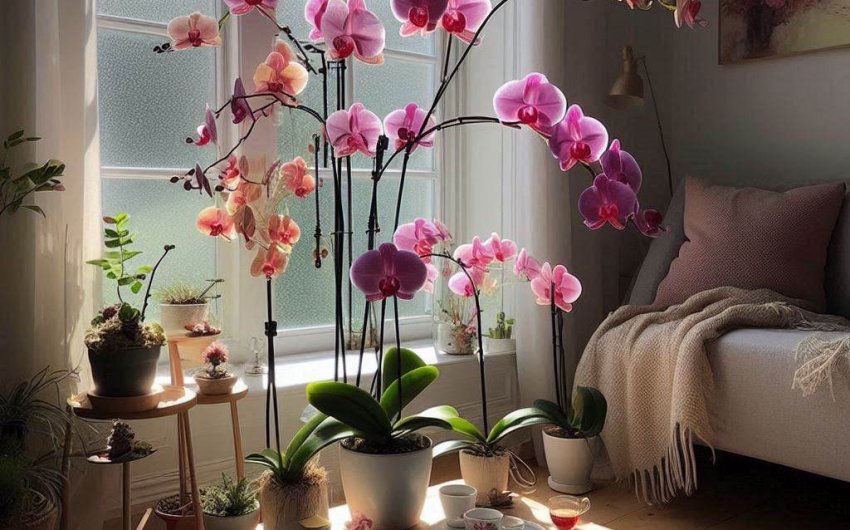
Achieving successful indoor orchid cultivation largely hinges on providing the precise amount of illumination. Understanding the best light conditions for growing orchids indoors is paramount, as adequate light directly influences their ability to photosynthesize, grow vigorously, and, most importantly, produce those coveted, exquisite blooms. From the intensity to the duration and specific placement, mastering the light environment is a fundamental step in nurturing healthy and flowering orchid plants within your home.
Why is Light So Important for Orchids?
Light is the primary energy source for all plants, including orchids, driving the process of photosynthesis. During photosynthesis, light energy converts carbon dioxide and water into sugars, which the plant uses for growth, development, and flowering. Without sufficient or appropriate light, an orchid cannot produce enough energy to thrive, leading to stunted growth, lack of blooms, and increased susceptibility to stress and disease. It's the most critical factor for their survival and flowering.
The Role of Photosynthesis
Photosynthesis is the fundamental process by which orchids, like all green plants, convert light energy into chemical energy. Chlorophyll, the green pigment in their leaves, absorbs light. This absorbed energy is then used to synthesize carbohydrates (sugars) from carbon dioxide and water. These sugars are the building blocks for new roots, leaves, and flower spikes. When light is insufficient, the rate of photosynthesis drops, directly impacting the orchid's ability to grow and produce flowers.
Light Intensity vs. Light Duration
It's important to understand the difference between light intensity (how bright the light is) and light duration (how long the light is present). Both play a crucial role for orchids.
- Light intensity determines the rate of photosynthesis. Too dim, and the orchid struggles; too bright (direct sun), and it can burn.
- Light duration refers to the number of hours an orchid receives light each day. Most orchids require 12-14 hours of light daily for optimal growth and flowering, though this can vary slightly by species. Providing sufficient hours of moderate intensity light is often more beneficial than short bursts of very intense light.
How Light Influences Flowering
Light is the primary trigger for orchid blooming. Without adequate light, an orchid may grow healthy-looking leaves but will simply refuse to flower. Different orchid species have varying light needs to initiate flower spikes; some require high light, while others prefer medium to low light. Observing your orchid's leaf color is often the best indicator of whether it's receiving the right amount of light for blooming.
What Are the General Light Categories for Orchids?
Orchids are a incredibly diverse group of plants, with thousands of species originating from various habitats around the world. As a result, their light requirements can differ significantly. Grouping orchids into general light categories helps simplify understanding their needs and choosing the right spot in your home.
High Light Orchids
These orchids come from areas where they receive a lot of bright, unfiltered sunlight, often in open canopies or rocky outcrops. They thrive in conditions that might seem too bright for other houseplants.
- Examples: Many Vanda, Cattleya, and some Dendrobium orchids.
- Ideal Placement: A south-facing window where they receive several hours of direct morning sun or very bright filtered afternoon sun. If grown under grow lights, they need high intensity.
- Signs of Good Light: Leaves are often light green, sturdy, and slightly yellowish, but not scorched.
- Signs of Too Much Light: Yellowing leaves that turn brown or red-tinged, crispy edges, or black spots (sunburn).
- Signs of Too Little Light: Dark green, floppy leaves, and no blooms.
Medium Light Orchids
This is the most common light requirement for many popular indoor orchids. These orchids typically grow under a light canopy of trees, receiving filtered light throughout the day.
- Examples: Phalaenopsis (Moth Orchid), Oncidium, Cambria hybrids, and many Cymbidium varieties.
- Ideal Placement: An east-facing window (morning sun), a shaded south or west-facing window, or a bright north-facing window. The light should be bright enough to cast a soft shadow.
- Signs of Good Light: Healthy, medium green leaves. For Phalaenopsis, a slight reddish tint on the undersides of the leaves can indicate ideal light.
- Signs of Too Much Light: Yellowish-green leaves, sometimes with a red tint on the upper surface, or scorched spots.
- Signs of Too Little Light: Dark green, soft, floppy leaves, and no blooms. This is often the case for a non-blooming Phalaenopsis.
Low Light Orchids
While no orchid truly thrives in "no light," these varieties can tolerate dimmer conditions than others. They often come from deep within forest canopies.
- Examples: Some Paphiopedilum (Slipper Orchid) species and Ludisia (Jewel Orchid).
- Ideal Placement: A north-facing window, or several feet away from an east- or west-facing window where they receive filtered light.
- Signs of Good Light: Deep green, healthy foliage.
- Signs of Too Much Light: Pale or yellowish leaves, sometimes with a burned appearance.
- Signs of Too Little Light: Stunted growth, extremely dark green but dull leaves, and no blooms.
How Can You Tell if Your Orchid is Getting Enough Light?
Your orchid's leaves are excellent indicators of whether it's receiving appropriate light. Learning to "read" these visual cues is one of the most important skills for successful orchid growing. The color, texture, and even shape of the leaves can tell you a lot about your plant's light exposure.
Leaf Color as an Indicator
- Dark Green Leaves: If your orchid's leaves are very deep, almost forest green, it often suggests too little light. While the plant may look healthy, it's not getting enough energy to produce blooms. For flowering species, this is a clear sign that more light is needed.
- Medium Green Leaves: This is generally the ideal color for most orchids, especially those in the medium light category like Phalaenopsis. It indicates the plant is photosynthesizing efficiently without stress.
- Yellowish-Green or Light Green Leaves: For high-light orchids like Cattleya or Vanda, this light green or slightly yellowish tint is perfectly normal and indicates they are getting sufficient light. For medium-light orchids, it might suggest slightly too much light, bordering on stress, or simply the very upper end of their optimal range.
- Yellow, Red, or Brown Leaves: Yellowing leaves, especially those that quickly turn brown or develop dry, crispy edges, are a classic sign of too much direct sun or heat. Reddish or purple tints on leaves can also indicate excessive light exposure as the plant produces protective pigments (anthocyanins). Black spots are usually sunburn.
Leaf Texture and Shape
- Soft, Floppy Leaves: If your orchid's leaves are soft, floppy, or elongated (leggy), this is a common symptom of insufficient light. The plant is stretching to find more light, leading to weak growth.
- Thick, Leathery Leaves: Many high-light orchids naturally have thick, tough, leathery leaves to cope with intense sun. If your plant is developing these characteristics and growing well, it's a good sign.
- Wrinkled or Pleated Leaves (Dehydration vs. Light): While wrinkled leaves usually point to watering issues, extreme sun exposure can also cause cellular damage and dehydration, leading to a wrinkled appearance. Always check soil moisture first, then consider light.
Lack of Blooms
Perhaps the most common indicator of insufficient light for orchids is the absence of flowers. If your orchid produces healthy leaves year after year but never blooms, inadequate light is almost always the culprit. Even if the leaves look "healthy" (dark green), they might not be getting enough energy to initiate flower spike production. Gradually increasing light is often the key to encouraging reblooming.
Where Are the Best Window Locations for Orchids?
The type and orientation of your windows play a huge role in determining the amount and quality of natural light your orchids will receive. Understanding which windows are best suited for different orchid light categories is key to finding the perfect spot in your home.
North-Facing Windows
- Light Type: Provide soft, consistent, indirect light throughout the day. They never receive direct sunlight.
- Best For: Low-light orchids like some Paphiopedilum species and Jewel Orchids. They can also work for some medium-light orchids (like Phalaenopsis) if placed directly in the window, but blooming might be less vigorous without supplemental light.
- Considerations: Even a north-facing window might be too dark in very dim rooms or during winter months in northern latitudes.
East-Facing Windows
- Light Type: Receive gentle, direct morning sun for a few hours, followed by bright indirect light for the rest of the day. The morning sun is less intense and unlikely to scorch leaves.
- Best For: Medium-light orchids like Phalaenopsis, Oncidium, and Cambria hybrids. This is often considered the ideal window for most popular indoor orchids.
- Considerations: During summer, strong morning sun can still be quite warm; monitor for signs of stress if it's exceptionally hot.
South-Facing Windows
- Light Type: Provide the brightest and longest duration of light, including intense direct sun for much of the day.
- Best For: High-light orchids such as Cattleya, Vanda, and many Dendrobium species.
- Considerations: For medium-light orchids, a south-facing window is usually too intense and will cause sunburn. If you must use a south-facing window for them, provide sheer curtains or move the plant several feet back from the window to filter the light. Regularly monitor for signs of scorching.
West-Facing Windows
- Light Type: Receive intense afternoon and evening sun, which is often the hottest and strongest light of the day.
- Best For: Can work for high-light orchids, but care must be taken to ensure they don't overheat or get scorched.
- Considerations: For medium-light orchids, a west-facing window is also often too strong. Sheer curtains or a few feet of distance from the window are essential to filter the harsh afternoon light. Always monitor for signs of stress, as the heat can be as damaging as the light intensity.
How Can Supplemental Lighting Help Your Orchids?
Even with ideal window placement, natural light can be insufficient, especially during darker winter months or in homes with limited natural light sources. Supplemental lighting, primarily in the form of grow lights, can bridge this gap, providing the consistent light intensity and duration that orchids need to thrive and bloom.
Types of Grow Lights for Orchids
There are several types of grow lights suitable for orchids, each with its own advantages:
- Fluorescent Lights (T5 or T8): These are a good, affordable option for medium-light orchids like Phalaenopsis. T5 bulbs are generally brighter and more efficient. They produce less heat than older incandescent bulbs. A T5 grow light fixture like Agrobrite T5 Grow Light is effective.
- LED Grow Lights: Becoming increasingly popular due to their energy efficiency, long lifespan, and ability to emit specific light spectrums tailored for plant growth. Full-spectrum LEDs are excellent for orchids and can be scaled for different light needs. Look for LED grow light bulbs or full panels. Many new LED grow lights are specifically designed for plant cultivation.
- High-Intensity Discharge (HID) Lights (Metal Halide, High-Pressure Sodium): These provide very intense light and are typically used for large orchid collections or commercial growers. They produce significant heat and require specialized fixtures and ventilation, making them less practical for the average home grower.
Positioning Grow Lights
The distance between your grow light and your orchid is crucial. Too close, and you risk burning the plant; too far, and the light intensity is too low.
- Fluorescent lights: Typically 6-12 inches above the plant.
- LED lights: Can vary widely based on wattage and intensity, from 12-36 inches. Always check the manufacturer's recommendations.
- Observation is Key: Always monitor your orchid's leaves for signs of stress (scorching if too close, legginess if too far) and adjust the light distance accordingly.
Duration of Supplemental Lighting
Most orchids benefit from 12-14 hours of light per day, including both natural and supplemental light. Using a simple outlet timer like a BN-LINK Digital Timer is highly recommended to ensure a consistent light cycle. This mimics the day-night cycle and helps regulate the orchid's internal clock for optimal growth and flowering.
Balancing Natural and Artificial Light
When using supplemental lighting, consider how it complements your natural light. If your window provides good morning light, you might only need the grow light for the afternoon and evening. During cloudy periods or winter, you might need the grow light for longer durations. The goal is to provide consistent, adequate light without overdoing it.
What Are Common Light-Related Issues and How to Solve Them?
Even with careful planning, light-related problems can arise when growing orchids indoors. Recognizing these issues early and knowing how to correct them is essential for maintaining healthy plants and encouraging beautiful blooms.
Sunburn and Scorched Leaves
- Problem: Brown, crispy spots, yellowing, or red discoloration on leaves, particularly on the parts facing the light source. This is common when orchids accustomed to indirect light are suddenly exposed to direct, intense sun, or when grow lights are too close.
- Solution: Immediately move the orchid away from the direct sun, or raise your grow light. Trim off any completely scorched parts of the leaf with clean, sharp scissors, but leave partially damaged areas if they still have green tissue, as they can still photosynthesize. Prevent by gradually acclimating orchids to brighter light or by using sheer curtains to filter intense sun.
Lack of Flowering (No Blooms)
- Problem: Your orchid grows healthy leaves but consistently fails to produce flower spikes. This is the single most common complaint among orchid growers.
- Solution: In 90% of cases, it's due to insufficient light. Gradually increase the light intensity and/or duration. Move the orchid to a brighter window (e.g., from north to east, or east to south with filtration). Add supplemental grow lights for 12-14 hours daily. For some orchids (like Phalaenopsis), a cool temperature drop at night (10-15°F lower than day temps) for a few weeks in fall can also help trigger blooming, but sufficient light is still paramount.
Leggy Growth and Dark Green Leaves
- Problem: Leaves are very dark green, elongated, soft, and thin, and stems might appear stretched. This indicates the orchid is "reaching" for more light.
- Solution: Increase light intensity and duration. This can happen even in a seemingly bright spot if the light is simply not intense enough for that specific orchid species. Move the plant closer to a window, or introduce supplemental grow lighting.
Algae Growth on Potting Medium
- Problem: A green film or slime appears on the surface of your orchid's potting mix or on the inside of clear pots.
- Solution: While not directly harmful to the orchid itself, algae growth indicates too much light on the potting medium and often excessive moisture. Reduce light on the medium by placing your orchid in an opaque pot or slipping the clear pot into a decorative cachepot. Ensure proper watering by allowing the medium to dry slightly between waterings, and ensure good air circulation around the roots.
Sun-Bleached or Faded Leaves
- Problem: Leaves look washed out, pale, or yellowish-white, especially if they were previously a healthy green. This is less severe than sunburn but still a sign of excessive light exposure.
- Solution: Move the orchid to a slightly less intense light spot or filter the light with a sheer curtain. The bleached areas may not regain their original color, but new growth should be healthy if conditions are corrected.
By carefully observing your orchid's response to its environment and making necessary adjustments to its light exposure, you can overcome common issues and foster robust growth, ultimately encouraging those cherished blooms. The best light conditions for growing orchids indoors are not one-size-fits-all but rather a carefully calibrated balance tailored to each plant's specific needs.