
How to Keep a Bonsai Tree Alive Indoors?
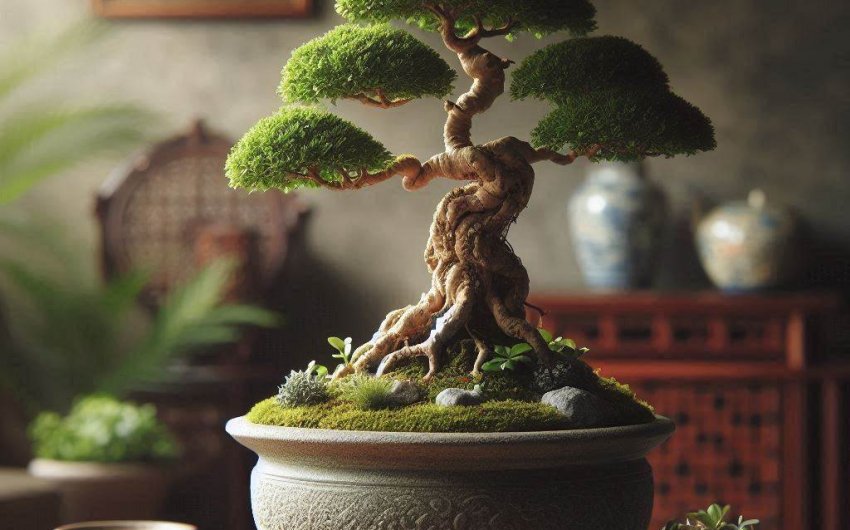
Bonsai, the ancient Japanese art of growing miniature trees in containers, captivates with its exquisite beauty and profound connection to nature. These living sculptures are more than just potted plants; they are meticulously trained representations of majestic trees found in the wild, scaled down to fit on a tabletop. The appeal of a bonsai tree is undeniable, transforming any space into a serene haven and offering a continuous journey of growth and artistic expression. Many aspire to bring this tranquil elegance into their homes, envisioning a miniature tree gracing a windowsill or desk.
However, keeping a bonsai tree alive indoors can be a challenging endeavor, often leading to frustration for beginners. Unlike typical houseplants, bonsai have very specific needs that, if not met, quickly lead to their decline. The common misconception is that all bonsai are equally suited for indoor life, but this is far from the truth. Success hinges on selecting the right species, understanding its environmental requirements, and committing to a consistent care routine. Master the secrets of nurturing your indoor bonsai, and you'll unlock years of beauty, growth, and a profound connection to this living art form.
Why is Keeping a Bonsai Tree Alive Indoors So Challenging?
Many people acquire a bonsai tree with great enthusiasm, only to see it decline rapidly. This isn't due to a lack of gardening skill, but rather the unique needs of bonsai and the common misconceptions about them.
What is the Biggest Myth About Indoor Bonsai?
The most pervasive and damaging myth is that all bonsai trees are suitable for indoor living. This is simply not true.
- Deciduous and Conifer Bonsai: The vast majority of traditional bonsai species (like Japanese Maples, Pines, Junipers, Elms, Firs) are temperate trees. They are designed by nature to live outdoors, experience distinct seasons, and undergo a period of dormancy (a resting phase, often losing leaves) in winter.
- The Need for Dormancy: These outdoor-type bonsai must experience a cold dormancy period to survive long-term. If kept in warm indoor temperatures year-round, they become stressed, lose vigor, and eventually die.
- Indoor Suitability: Only tropical and subtropical tree species are truly suitable for long-term indoor cultivation, as they do not require a cold dormancy period and thrive in consistent warmth and humidity. If you are starting with a bonsai and want to keep it indoors, it is crucial to buy an indoor bonsai tree specifically labeled as tropical or subtropical.
Why Do Indoor Environments Stress Bonsai?
Even for appropriate tropical bonsai species, indoor environments present unique challenges compared to their natural habitats.
- Low Humidity: Indoor air, especially with heating or air conditioning, is often much drier than the humid conditions tropical trees prefer. This low humidity can cause leaves to dry out, brown, and drop.
- Insufficient Light: Homes often do not provide enough intense light for a bonsai tree to photosynthesize effectively, especially away from a bright window. Even near a window, winter light can be too weak. Lack of light leads to weak, leggy growth and eventually decline.
- Lack of Air Circulation: Stagnant indoor air can make bonsai trees more susceptible to pests and fungal diseases.
- Stable Temperatures: While consistent warmth is good, a complete lack of seasonal temperature variation can sometimes affect the plant's natural rhythms.
How Does Pot Size Affect Survival?
The very nature of bonsai (small tree in a small pot) makes it vulnerable.
- Limited Soil Volume: A small pot means a very limited volume of soil. This soil dries out extremely quickly, and nutrients are depleted rapidly.
- Rapid Drying: Unlike a large tree in the ground, a bonsai tree in a shallow pot can go from perfectly watered to bone dry in a single day, or even within hours in warm, breezy conditions. This extreme fluctuation is very stressful.
- Nutrient Depletion: The small amount of soil cannot hold many nutrients, requiring frequent fertilization.
- Root Bound: Bonsai must be repotted regularly to prevent becoming root-bound, a condition where roots completely fill the pot, choking the plant.
What Are the Best Bonsai Species for Indoor Living?
To succeed with an indoor bonsai, selecting a tropical or subtropical species that thrives in typical home environments is paramount.
Which Ficus Species Make Good Indoor Bonsai?
Ficus species are among the most popular and forgiving choices for indoor bonsai, known for their resilience and attractive foliage.
- Ficus retusa (Ginseng Ficus): This is probably the most common indoor bonsai, known for its thick, gnarled aerial roots (often resembling a ginseng root) and glossy green leaves. It's very hardy, tolerant of various indoor conditions, and relatively forgiving of watering mistakes. A Ginseng Ficus bonsai is an excellent beginner choice.
- Ficus microcarpa 'Ginseng' (often confused with F. retusa): Similar to F. retusa, this is another very popular, robust option.
- Ficus benjamina (Weeping Fig): While it tends to shed leaves when moved or stressed, it can make a beautiful indoor bonsai with proper care. It offers a more delicate, weeping aesthetic.
- Ficus nerifolia (Willow Leaf Ficus): Features elongated, willow-like leaves, offering a unique texture.
- Care Tips: Ficus species generally prefer bright, indirect light, consistent warmth, and high humidity. They are relatively tolerant of infrequent watering but prefer not to dry out completely. They appreciate misting.
Are There Other Common Indoor Bonsai Species?
Yes, several other tropical and subtropical trees adapt well to indoor conditions.
- Chinese Elm (Ulmus parvifolia): While often grown outdoors, the Chinese Elm is one of the most cold-tolerant non-tropical species that can tolerate indoor conditions during winter, especially if given a cool (but not freezing) spot. It's a popular choice for its beautiful bark and fine branching. A Chinese Elm bonsai tree is a classic choice.
- Carmona microphylla (Fukien Tea Tree): Known for its small, glossy green leaves, gnarled trunk, tiny white flowers, and occasional small black berries. It's a bit more demanding regarding humidity and consistent watering but very rewarding.
- Portulacaria afra (Dwarf Jade): A succulent, so it's much more drought-tolerant and forgiving of missed waterings. It has fleshy green leaves and thick, reddish-brown stems. Great for beginners, but has a different aesthetic than traditional trees.
- Serissa foetida (Snow Rose / Tree of a Thousand Stars): Features delicate white flowers and tiny leaves. Can be fussy about changes in environment and needs consistent humidity.
- Schefflera arboricola (Dwarf Umbrella Tree): While not a traditional bonsai species, it can be styled as such and is very robust and forgiving for beginners.
What Species Should I AVOID for Indoor Bonsai?
Crucially, avoid temperate species that require a cold dormancy period. If you see these sold as "indoor bonsai," they are typically being marketed incorrectly and will die without proper winter care.
- Avoid: Japanese Maple, Trident Maple, Pine, Juniper, Spruce, Cedar, Larch, Oak, Cherry, Birch, Ginkgo, most Elm varieties (except Chinese Elm if kept in a cool spot).
- Outdoor Only: These trees are meant to be kept outdoors year-round. Bringing them indoors for winter will kill them over time because they cannot complete their natural chilling requirement. A basic bonsai tool kit will be useful for pruning.
What Are the Essential Environmental Conditions for Indoor Bonsai?
Meeting the light, water, and humidity needs of your indoor bonsai is paramount to its survival.
How Much Light Does an Indoor Bonsai Need?
This is often the single most limiting factor for indoor bonsai health.
- Bright, Indirect Light (Minimum): All indoor bonsai need bright, indirect light. Place them in your brightest window, preferably a south or west-facing window, ensuring they are not scorched by intense direct afternoon sun.
- Direct Sunlight: Many tropical bonsai (like Ficus and Dwarf Jade) actually benefit from a few hours of direct morning sun if possible.
- Supplemental Grow Lights: In winter, or if your home lacks sufficient natural light, supplemental grow lights are often essential for long-term health. Use full-spectrum LED grow lights for at least 12-16 hours per day. A full-spectrum LED grow light for plants can make a huge difference.
- Signs of Too Little Light: Small, pale, or yellowish leaves; leggy growth with long spaces between leaves; reduced vigor; eventual leaf drop.
How Do I Water My Indoor Bonsai Correctly?
This is the most common cause of bonsai death. There is no set schedule; always water based on the plant's needs.
- Check Daily (at least): Because bonsai trees are in small pots, their soil dries out very quickly. You may need to check the soil moisture daily, sometimes even twice a day in warm, dry conditions.
- The Weight Test: The best way to know when to water is to lift the pot. A dry pot is significantly lighter than a wet one. Learn to "feel" the difference.
- Top 1/2 Inch Dry: Water when the top ½ inch to 1 inch of soil feels dry to the touch. For smaller pots, even less.
- Water Thoroughly: When you water, water until water drains freely from all the drainage holes at the bottom of the pot. Do not let the pot sit in standing water. Water in stages if the soil is very dry to allow it to absorb.
- Bottom Watering (Soaking): If the soil is extremely dry and compacted, you can place the entire pot in a basin of water (up to the rim) for 10-20 minutes until the top surface of the soil is visibly moist. Remove and let drain completely.
- Good Drainage is Key: Ensure your bonsai pot has large drainage holes and is filled with a fast-draining bonsai soil mix. Poor drainage leads to root rot.
- Room Temperature Water: Always use room temperature water. Cold water can shock the roots.
What are the Ideal Temperature and Humidity Levels?
- Temperature: Most tropical indoor bonsai prefer consistent temperatures between 65-75°F (18-24°C) during the day, with a slight drop at night (but not below 60°F/15°C). Avoid sudden temperature fluctuations, cold drafts, or placing them near heat vents/AC units.
- Humidity: Indoor air is typically very dry, which tropical trees dislike. Increasing humidity is crucial.
- Pebble Tray: Place the bonsai pot on a shallow tray filled with pebbles and water. Ensure the bottom of the pot does not sit in the water, as this can lead to root rot. As the water evaporates, it increases humidity around the plant. A bonsai humidity tray is specifically designed for this.
- Misting: Regularly misting the foliage (daily or several times a day) can provide temporary humidity. Use a fine mist sprayer for plants.
- Humidifier: For significantly dry indoor environments, a room humidifier can provide consistent high humidity for your bonsai and other houseplants.
- Grouping Plants: Grouping several plants together can create a localized area of higher humidity as they collectively release moisture.
What Are the Ongoing Maintenance Needs of Indoor Bonsai?
Beyond environmental conditions, bonsai trees require specific ongoing care to maintain their miniature form and health.
How Often Should I Fertilize My Bonsai?
Due to their small pots and frequent watering, nutrients are quickly depleted.
- Growing Season: Fertilize regularly during the active growing season (spring to fall). Reduce or stop feeding during the dormant period (winter, for tropicals, it's just slower growth).
- Type of Fertilizer: Use a balanced liquid bonsai fertilizer specifically formulated for the species (e.g., higher nitrogen for leafy growth, balanced for general health). Dilute to half or quarter strength, especially for young or stressed trees. A liquid bonsai fertilizer is easy to apply.
- Application: Apply after watering, never to dry soil, to avoid root burn.
- Signs of Deficiency: Pale, small, or yellowing leaves can indicate a need for fertilizer.
What is Repotting and Why is it Necessary?
Repotting is essential for bonsai tree health and continued growth.
- Root Bound: Over time, roots will fill the entire pot, becoming "root-bound." This restricts nutrient and water uptake, suffocating the plant.
- Fresh Soil: Repotting allows you to refresh the soil, replacing depleted nutrients and improving drainage.
- Root Pruning: Crucially, repotting involves root pruning – carefully trimming back a portion of the roots. This stimulates new root growth, keeping the root system healthy and compact, which in turn supports the miniature top growth.
- Frequency: The frequency depends on the species and its growth rate (e.g., Ficus might need repotting every 1-2 years, slower growers every 3-5 years).
- When to Repot: Typically done in early spring when the tree is just beginning to break dormancy or actively starting new growth.
- Tools: You'll need specialized bonsai tools for repotting, including root hooks and root shears.
How Do I Prune My Bonsai for Shape and Health?
Pruning is fundamental to bonsai art, maintaining its miniature size and desired shape.
- Maintenance Pruning: Regular light pruning (or "pinching") throughout the growing season encourages ramification (finer branching) and dense foliage. Remove new shoots that grow too long or out of proportion.
- Structural Pruning: More significant pruning done periodically to maintain the overall shape and encourage specific growth patterns. This involves removing larger branches.
- Tools: Use sharp, clean bonsai pruning shears for clean cuts that heal quickly.
- Health Benefit: Pruning improves air circulation within the canopy, reducing the risk of fungal diseases.
What is Wiring and Why is it Used?
Wiring is an advanced technique used to shape bonsai tree branches and trunks.
- Shaping: Thin, anodized aluminum or copper bonsai wire is carefully wrapped around branches or the trunk and then bent to reshape the plant into the desired aesthetic.
- Temporary: The wire is typically left on for a few months (or longer, depending on growth) until the branch holds its new shape, then removed before it digs into the bark.
- Skill Required: Requires practice and understanding of tree physiology to avoid damaging the plant. If done incorrectly, wiring can girdle (choke) branches or leave unsightly scars. A bonsai wire kit provides various gauges.
What Are Common Problems and How Do I Troubleshoot Them?
Even with the best care, indoor bonsai can experience problems. Recognizing the signs early is key to recovery.
Why are My Bonsai's Leaves Turning Yellow or Dropping?
This is a very common and often alarming symptom, usually indicating a stress factor.
- Overwatering (Most Common): If leaves yellow and feel soft or mushy, and the soil is constantly wet, it's likely root rot.
- Underwatering: If leaves yellow, become crispy, and the soil is bone dry, it's dehydration.
- Insufficient Light: If leaves are pale yellow, small, or dropping, and new growth is leggy, the plant isn't getting enough light.
- Sudden Environmental Change: Moving the bonsai tree to a new location, a sudden temperature drop, or a significant change in humidity can cause shock and leaf drop. Ficus species are notorious for this.
- Nutrient Deficiency: Overall pale yellowing, especially in older leaves, can indicate a need for fertilizer.
- Solutions: First, assess watering. Check light. Avoid moving the plant frequently. Ensure consistent temperature and humidity. Fertilize if needed. A soil moisture meter for bonsai is a quick check.
What if I See Brown or Crispy Leaves?
This almost always points to insufficient moisture.
- Underwatering: The soil has been allowed to dry out too much, causing leaves to dehydrate and turn crispy.
- Low Humidity: Even if the soil is adequately watered, very dry indoor air can cause leaf tips and edges to dry out and turn brown.
- Sunburn: If the brown spots are scorched-looking and appear on leaves exposed to intense direct sun, it could be sunburn.
- Salt Buildup: Accumulation of mineral salts from tap water or over-fertilizing can cause brown leaf tips.
- Solutions: Adjust watering frequency. Increase humidity (pebble tray, humidifier). Move out of harsh direct sun. Flush the soil by thorough watering every few months.
How Do I Identify and Treat Pests on My Bonsai?
Indoor bonsai can attract common houseplant pests, especially in dry, stagnant conditions.
- Common Pests: Spider mites (tiny, fine webbing, stippling on leaves), aphids (small, soft-bodied, clustered on new growth), mealybugs (white, cottony masses in leaf axils), scale insects (small, immobile bumps on stems/leaves).
- Inspection: Regularly inspect your bonsai tree, especially the undersides of leaves and along stems, for signs of pests. A magnifying loupe for plants can be helpful.
- Treatment:
- Manual Removal: For small infestations, wipe off pests with a cotton swab dipped in rubbing alcohol.
- Water Spray: A strong spray of water can dislodge spider mites and aphids.
- Insecticidal Soap: An organic solution effective against soft-bodied pests. Apply thoroughly, ensuring it contacts the pests. A small insecticidal soap spray is recommended.
- Neem Oil: A natural insecticide/fungicide that disrupts insect feeding and growth.
- Quarantine: If you discover pests, immediately isolate the affected bonsai tree from other plants to prevent spread.
Why is My Bonsai Not Growing?
Stagnant growth can be frustrating and points to unmet needs.
- Insufficient Light: The most common reason. Plants need enough light for photosynthesis, which fuels growth.
- Underwatering/Overwatering: Both extremes can stunt growth by damaging roots.
- Nutrient Deficiency: The plant may have depleted its soil's nutrients and needs fertilizer.
- Root Bound: If the roots have completely filled the pot, the plant literally has no more room to grow and needs repotting.
- Pest Infestation: Severe pest pressure can stress the plant and inhibit growth.
- Seasonal Dormancy (for non-tropicals): If you mistakenly have a temperate bonsai indoors, it might simply be entering its natural dormancy, but will still eventually die without cold.
- Solutions: Review all aspects of care: light, water, fertilizer, pest control, and consider if it's time for repotting.
What Are Advanced Tips for Thriving Indoor Bonsai?
Once you've mastered the basics, consider these techniques to elevate your indoor bonsai care.
How Can I Create a Stable Microclimate?
Consistency is key for bonsai tree health.
- Consistent Location: Avoid moving your bonsai frequently. Find a good spot and keep it there. Ficus species, especially, can drop leaves from moving.
- Pebble Trays/Humidifiers: Use these consistently to maintain stable humidity, especially during dry indoor months.
- Grouping Plants: Cluster your bonsai tree with other houseplants. Their collective transpiration can create a slightly more humid microclimate.
- Avoid Vents/Drafts: Keep bonsai trees away from direct blasts of hot or cold air from heating/AC vents, open doors, or leaky windows.
What is the Importance of Air Circulation?
Good air movement is vital for bonsai tree health.
- Prevents Disease: Stagnant air can encourage fungal diseases like powdery mildew.
- Deters Pests: Some pests, like spider mites, prefer still, dry air.
- Strengthens Tree: Gentle air movement helps strengthen the trunk and branches as the tree sways slightly, mimicking natural conditions.
- Solutions: Ensure good ventilation in your room. If air is very still, a small, oscillating fan set on a low setting, far enough away from the plant not to cause stress, can provide gentle air movement.
Can I Take My Indoor Bonsai Outdoors in Summer?
Yes, for most tropical indoor bonsai, spending time outdoors during the warmer months is highly beneficial.
- Increased Light: Outdoor light is far more intense and beneficial than even the brightest indoor light, promoting stronger growth and denser foliage.
- Natural Humidity: Outdoor humidity is generally higher than indoors.
- Improved Air Circulation: Natural breezes provide excellent airflow.
- Rainwater: Natural rainwater provides beneficial nutrients and washes dust off leaves.
- When to Move: Wait until all danger of frost has passed and night temperatures are consistently above 50-60°F (10-15°C).
- Placement: Place the bonsai tree in a sheltered spot with dappled shade initially, gradually moving it into brighter light. Avoid sudden exposure to full, harsh sun.
- Increased Watering Needs: Outdoor plants dry out much faster due to increased light, wind, and higher temperatures. Be prepared to water much more frequently.
- Pest Watch: Inspect thoroughly for pests before bringing it back indoors in the fall. A plant caddy with wheels can make moving your bonsai easy.
What is the Zen of Bonsai Care?
Beyond the practical tips, caring for a bonsai tree is also about patience, observation, and connection.
- Observation: Spend time simply observing your bonsai tree daily. Notice its subtle changes, its growth patterns, and any early signs of stress. This helps you anticipate its needs rather than react to problems.
- Patience: Bonsai is a long-term art form. Growth is slow, and significant changes take time. Embrace the journey.
- Connection: Engaging with your bonsai tree fosters a deeper connection to nature and provides a meditative, calming experience. Each act of care is an act of nurturing a living work of art.
- Continuous Learning: There is always more to learn in the world of bonsai. Explore books, online resources, and local bonsai clubs to deepen your knowledge and skills. A good bonsai book for beginners can guide your journey.