
Why Are My Pothos Leaves Turning Black?
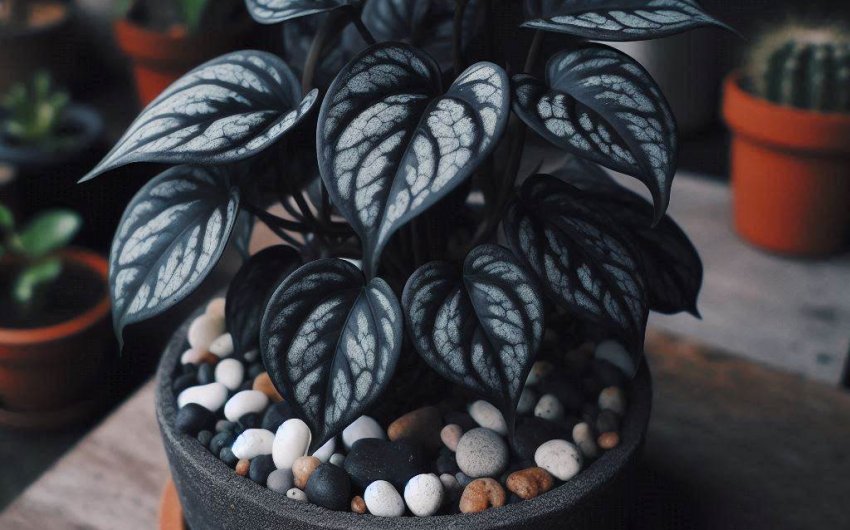
The Pothos plant (Epipremnum aureum), with its cheerful trailing vines and heart-shaped leaves, is often hailed as the perfect houseplant for beginners and seasoned enthusiasts alike. Its remarkable adaptability, tolerance for various light conditions, and forgiving nature make it a go-to choice for adding lush greenery to homes and offices. Pothos can thrive in hanging baskets, cascade from shelves, or climb up moss poles, effortlessly bringing a touch of the jungle indoors. Its general resilience is a huge part of its enduring popularity.
However, even this famously easygoing plant can sometimes present puzzling symptoms. One particularly alarming sight for any plant parent is when those usually vibrant green (or variegated) leaves start to develop dark, ominous patches. Pothos leaves turning black is a clear signal that something is wrong, and it's a symptom that often causes concern. Unlike a simple yellowing leaf, blackening can indicate more serious issues, threatening the plant's overall health if not addressed promptly. Understanding the underlying causes is the first step toward rescuing your beloved Pothos and restoring its lush beauty.
This guide will delve into the various reasons why your Pothos leaves might be turning black. We'll explore the most common culprits, from improper watering and temperature extremes to less frequent issues like disease. By learning to identify the specific patterns of blackening and understanding the contributing environmental factors, you'll be equipped to accurately diagnose the problem and implement effective solutions. Get ready to nurse your Pothos back to health, ensuring its vibrant vines continue to flourish and bring joy to your space.
What Are the Most Common Reasons Pothos Leaves Turn Black?
When your Pothos leaves are turning black, it's almost always a sign of severe stress or damage. The most frequent causes relate to problems with water and temperature.
What Does Overwatering Look Like?
Overwatering is the single most common reason Pothos leaves turn black, particularly if the blackening is accompanied by mushiness.
- Root Suffocation: When the soil is constantly saturated, the roots are starved of oxygen. This leads to root rot, where the roots literally start to decay.
- Symptoms:
- Black, mushy spots on leaves: These often start near the stem or on older, lower leaves and spread quickly. The black areas will feel soft and wet.
- Mushy stems: The stems near the soil line might feel soft, spongy, or black. This is an advanced sign of root rot.
- Foul odor from soil: A sour, mildewy smell from the potting mix indicates anaerobic conditions and decaying roots.
- Drooping/wilting despite wet soil: The plant looks thirsty because the rotting roots can't absorb water. If your Pothos feels heavy and the soil is wet, and you see mushy blackening, overwatering is almost certainly the culprit.
How Does Underwatering Cause Blackening?
While less common than overwatering, extreme underwatering can also lead to Pothos leaves turning black.
- Extreme Dehydration: If the plant goes for a very long time without water, its cells begin to die from dehydration.
- Symptoms:
- Crispy, brittle black spots or edges: The blackened areas will be dry, crisp, and may crumble to the touch. This often appears as black tips or margins on leaves that are otherwise yellow or brown.
- Overall wilting and dryness: The entire plant will look severely wilted and dry, and the soil will be bone dry and shrunken from the pot edges. This is less frequent for Pothos, as they usually show dramatic wilting before blackening from thirst. However, it can happen if a plant is completely neglected for an extended period.
Can Cold Damage Cause Black Leaves?
Yes, Pothos plants are tropical and very sensitive to cold temperatures. Exposure to cold can quickly cause their leaves to turn black.
- Symptoms:
- Black, watery spots or entire leaves: These often appear suddenly, becoming mushy or translucent, sometimes with a grayish tint. It can look like frostbite.
- Location: Often affects leaves closest to a cold window, door, or draft.
- Causes:
- Being left near an open window in winter.
- Proximity to an air conditioner vent.
- Exposure to freezing temperatures during transport from the store.
- Temperatures below 50°F (10°C) for extended periods can damage them. Even a short exposure to very cold conditions can cause significant damage.
What About Sunburn?
While Pothos prefers bright, indirect light, too much direct, intense sunlight can cause sunburn, which may appear as black spots, especially on variegated varieties.
- Symptoms:
- Crispy brown or black patches: These spots typically appear on the parts of the leaf directly exposed to strong sun. They will be dry and brittle.
- Fading variegation: The colorful patterns on variegated Pothos may fade or turn dull.
- Cause: Placement in direct afternoon sun, especially through an unfiltered window, acts like a magnifying glass, scorching the leaves. This is distinct from cold damage, as it won't be mushy.
What if it's Not Water or Temperature?
Less commonly, but still possible, other issues can lead to Pothos leaves turning black:
- Pest Infestation: Severe infestations of sap-sucking pests like scale or mealybugs can weaken the plant to the point where leaves decline and develop black, necrotic spots, especially if followed by sooty mold (a black fungus growing on their sticky honeydew).
- Fungal Diseases: Very rarely, specific fungal diseases can cause black spots, especially if conditions are overly humid or wet. This is more common when combined with overwatering.
- Nutrient Issues (less common for blackening): While nutrient deficiencies usually cause yellowing or stunted growth, extreme nutrient lockout or excessive fertilizer buildup (fertilizer burn) can lead to crispy, black leaf edges.
How Do You Diagnose the Cause of Black Pothos Leaves?
Accurately diagnosing the cause of black Pothos leaves involves observing the type of blackening, feeling the soil, and checking environmental factors. Play detective!
What Does the Blackening Look Like and Feel Like?
This is your first clue:
- Black and Mushy/Wet: Almost always points to overwatering and root rot. The affected parts will feel soft, soggy, or slimy.
- Black and Crispy/Dry: Often indicates severe underwatering or sunburn. The affected parts will be brittle and dry.
- Black and Watery/Translucent: A strong sign of cold damage, especially if it happened suddenly after exposure to cold temperatures.
What Does the Soil Feel Like?
The soil's moisture level is a critical diagnostic tool.
- Consistently wet soil (especially days after watering): If the soil feels soggy or very damp and the plant is showing black, mushy leaves, it's overwatering.
- Bone dry soil: If the soil is completely dried out, shrunken from the pot edges, and the leaves are crispy black, it's severe underwatering.
- Using a moisture meter: A soil moisture meter can give you a precise reading of soil wetness throughout the pot.
What Are the Environmental Clues?
Look at where your Pothos is placed and the surrounding conditions:
- Cold draft?: Is the plant near a drafty window in winter, an AC vent, or was it recently exposed to cold temperatures during transport? (Cold damage)
- Direct sun?: Is the plant sitting in direct, intense sunlight for several hours, especially afternoon sun? (Sunburn)
- Too dim?: Is the plant in a very low-light area, causing it to slow down growth and making overwatering more likely?
- Humidity: Is the air unusually dry or stagnant?
How Do You Check for Pests?
While less common for blackening directly, it's always good to check for pests if other causes are ruled out or if you see sticky residue.
- Inspect thoroughly: Use a magnifying glass to check the undersides of leaves, stems, and especially leaf axils for tiny insects, webbing, or cottony masses.
- Look for honeydew or sooty mold: These are strong indicators of sap-sucking pests.
What About the Roots?
If you suspect root rot, you'll need to inspect the roots.
- Carefully remove plant: Gently remove the Pothos from its pot.
- Examine roots: Healthy roots are usually firm and white or light tan. Rotting roots will be brown or black, mushy, and may smell foul.
- Trim rotten roots: Use clean, sharp pruning shears to cut away any mushy, rotten roots.
How Do You Fix Black Pothos Leaves?
The fix for black Pothos leaves depends on the cause, but generally involves correcting the environmental issue and removing damaged parts.
How Do You Treat Overwatering and Root Rot?
This is the most common and serious cause.
- Stop watering immediately: Do not water again until the soil is thoroughly dry.
- Remove damaged leaves/stems: Cut off any entirely black, mushy, or severely damaged leaves and stems. Use clean, sharp scissors.
- Inspect and prune roots: Gently remove the plant from its pot. Examine the root ball. Using clean, sharp scissors, cut away all mushy, black, or smelly roots. Leave only the healthy, firm, white/tan roots.
- Repot (if severe): If a lot of roots were removed, or if the soil is old and waterlogged, repot into a clean pot (or the same pot cleaned) with fresh, well-draining potting mix. Consider a slightly smaller pot if the root mass is significantly reduced.
- No watering initially: Do not water immediately after repotting. Wait several days to a week to allow any cut roots to heal.
- Adjust watering habits: Crucially, adjust your watering frequency. Water only when the top 2-3 inches of soil are dry. Ensure good drainage. A bag of well-draining potting mix can make a huge difference.
How Do You Treat Underwatering?
This is an easier fix.
- Water thoroughly: Give your Pothos a deep, thorough watering until water drains from the bottom of the pot.
- Soak (if very dry): If the soil is extremely dry and compacted (hydrophobic), you can bottom water it by placing the pot in a saucer of water for 30 minutes to an hour to allow it to slowly rehydrate.
- Adjust watering habits: Implement a consistent watering schedule where you check the soil regularly and water when the top 2-3 inches are dry.
How Do You Recover from Cold Damage?
- Move to warmer spot: Immediately move the Pothos to a warmer location away from cold drafts.
- Remove damaged leaves: Cut off any blackened, mushy leaves. These won't recover.
- Patience: Give the plant time to recover. Do not fertilize a cold-damaged plant. Avoid overwatering during recovery, as cold-damaged roots might be compromised.
How Do You Address Sunburn?
- Move to indirect light: Relocate the Pothos to a spot with bright, indirect light.
- Remove damaged leaves: Trim off any severely sunburnt leaves. They won't heal. The plant should recover and produce healthy new growth in its new location.
How Do You Treat Pests and Diseases?
- Pests: For mealybugs or scale, use rubbing alcohol on a cotton swab for individual pests. For more widespread infestations, use insecticidal soap for houseplants or neem oil spray, ensuring thorough coverage and repeated applications.
- Fungal Diseases: If you suspect a fungal disease (often linked to overwatering or high humidity), remove affected leaves, improve air circulation, and adjust watering. Fungicides are rarely needed for Pothos.
How Do You Prevent Black Leaves in the Future?
Proactive prevention is the best way to ensure your Pothos plant stays healthy and its leaves remain vibrant, avoiding blackening issues.
What is the Importance of Proper Watering?
This cannot be stressed enough: Proper watering is the key to preventing black Pothos leaves.
- Check soil moisture: Always feel the soil before watering. Water only when the top 2-3 inches are dry.
- Thorough watering: Water until it drains from the bottom.
- Empty saucers: Never let the plant sit in standing water.
- Adjust seasonally: Water less in fall/winter.
- Good drainage: Ensure your pot has drainage holes and your potting mix is well-draining.
How Do You Provide the Right Light?
Place your Pothos in bright, indirect light.
- Avoid direct sun: No harsh afternoon sun, especially for variegated varieties.
- Avoid deep shade: While they tolerate low light, consistent low light can weaken the plant over time, making it more susceptible to problems, and reducing its ability to recover from issues. Good lighting directly impacts a plant's ability to photosynthesize and remain vigorous.
How Do You Ensure Proper Temperature?
Maintain a stable, warm indoor temperature for your Pothos.
- Avoid cold drafts: Keep away from drafty windows, doors, or AC vents, especially in winter.
- Minimum temperature: Do not expose Pothos to temperatures below 50°F (10°C).
What About Potting Mix and Drainage?
- Well-draining mix: Always use a high-quality, well-draining potting mix. You can add extra perlite or bark for improved aeration and drainage.
- Drainage holes: Ensure your pot always has adequate drainage holes.
- Right pot size: Don't put a small Pothos in a very large pot, as the excess soil will retain too much moisture.
How Do You Maintain Good Plant Hygiene?
- Clean leaves: Regularly wipe dust off your Pothos leaves with a damp cloth. This allows for better photosynthesis and makes it easier to spot tiny pest issues.
- Remove yellowing/dead leaves: Promptly remove any old, yellowing, or dying leaves. These aren't just unsightly; they can sometimes harbor pests or fungal spores.
- Quarantine new plants: Always isolate new houseplants for a few weeks before introducing them to your existing collection to prevent bringing in pests.
Should You Fertilize Appropriately?
- Less is more: Pothos are not heavy feeders. Fertilize sparingly during the growing season (spring/summer) with a balanced liquid fertilizer diluted to half or quarter strength.
- Avoid dormancy feeding: Do not fertilize in fall/winter.
- Flush soil: Occasionally flush the soil with plain water to prevent salt buildup from fertilizer or tap water, which can contribute to leaf tip burn or overall decline. A watering can with a long spout can help you water precisely.