
How to Grow a Healthy Aloe Vera Plant Indoors?
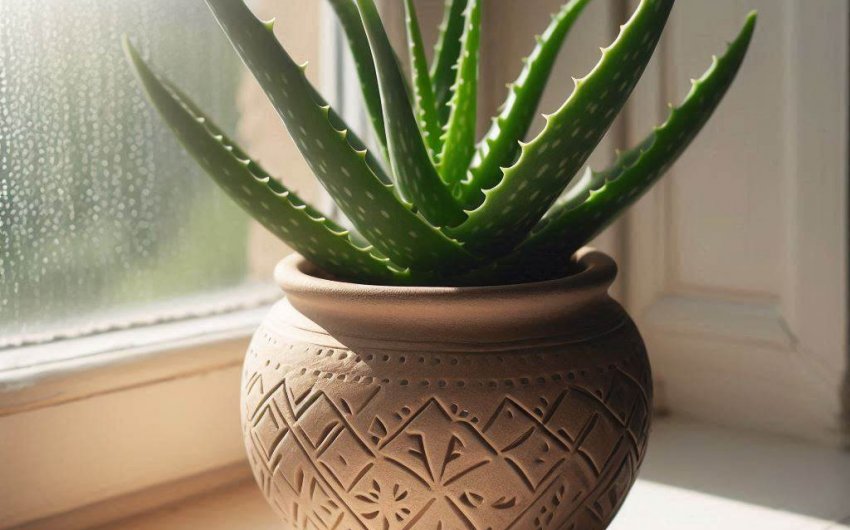
The Aloe vera plant is more than just a beautiful succulent; it's a living first-aid kit, revered for its soothing gel that can calm sunburns, minor cuts, and skin irritations. Its distinctive fleshy leaves, arranged in a rosette pattern, add a touch of natural elegance to any indoor space. Known for being relatively low-maintenance, Aloe vera is an ideal houseplant for both seasoned plant enthusiasts and eager beginners. Yet, even with its forgiving nature, understanding its specific needs is crucial for growing a truly healthy and thriving specimen.
Achieving a robust and productive Aloe vera plant indoors isn't complicated, but it does require attention to a few key environmental factors that mimic its native desert-like conditions. From providing the right light to mastering its watering schedule, this guide will unveil the simple secrets to cultivating a flourishing Aloe vera in your home. Get ready to nurture your very own supply of this amazing, multi-purpose plant!
What Are the Essential Light Requirements for Aloe Vera?
Light is arguably the most critical factor for a healthy Aloe vera plant. Getting it right means the difference between a thriving plant and a struggling one.
How Much Light Does Aloe Vera Need Indoors?
Aloe vera is a succulent plant, meaning it's adapted to dry, sunny environments. It loves bright light, but it's important to differentiate between direct, harsh sun and bright, indirect light.
- Bright, Indirect Light is Ideal: The best placement for your indoor Aloe vera is near a window that receives bright, indirect sunlight for most of the day. This means the plant gets plenty of light, but the direct sun's strongest rays don't beat down on it all day.
- What Does "Bright, Indirect Light" Mean? Think of a spot where the sun is visible but not directly hitting the plant's leaves for more than a few hours. This might be a few feet away from a south or west-facing window, or right in a north or east-facing window.
- Too Much Direct Sun: While Aloe vera enjoys sun, too much intense, direct sunlight, especially through a windowpane (which can intensify the sun's rays), can actually burn its leaves. Signs of too much sun include leaves turning reddish, brownish, or even developing white, crispy spots.
- Not Enough Light: Insufficient light is a common problem for indoor Aloe vera plants. Signs of too little light include:
- Leggy Growth: The leaves become long, thin, and stretched out, reaching desperately for light.
- Pale Color: The vibrant green color fades to a dull, sickly yellow-green.
- Weak Leaves: Leaves may feel soft and floppy, rather than firm and plump.
- No Growth: The plant simply stops growing.
If your plant is showing these signs, it's time to move it to a brighter spot. A plant light meter can help you measure the exact light levels.
Which Window is Best for Aloe Vera?
The ideal window depends on your home's orientation and the intensity of sunlight.
- South-Facing Window (with caution): Often the brightest windows. An Aloe vera plant can thrive here, but place it a few feet back from the window or use a sheer curtain to diffuse the intense direct sunlight, especially during peak afternoon hours in summer.
- West-Facing Window (with caution): Similar to south-facing, west-facing windows provide strong afternoon sun. Again, some distance or a sheer curtain is advisable.
- East-Facing Window (Excellent): East-facing windows provide gentle morning sun, which is typically not too harsh, followed by bright indirect light for the rest of the day. This is often an ideal spot for an Aloe vera plant.
- North-Facing Window (Acceptable, but may be too low light): North-facing windows provide the least direct light. While this might be sufficient for some low-light plants, it's often not enough for an Aloe vera to truly thrive and produce thick, juicy leaves. If this is your only option, consider supplementing with a grow light.
Finding the best spot for your Aloe vera might involve a bit of experimentation to see where it's happiest.
Can I Use Grow Lights for My Aloe Vera?
Yes, grow lights can be an excellent solution if your home lacks sufficient natural light, especially during darker winter months or in north-facing rooms.
- Supplementing Natural Light: A LED grow light can supplement existing natural light, ensuring your Aloe vera gets the hours of intense light it needs.
- Sole Light Source: If your space is very dim, a grow light can be the primary light source.
- Type of Light: Full-spectrum LED grow lights are generally best, as they mimic natural sunlight.
- Distance and Duration: Position the grow light a few inches to a foot above the plant (check the light's instructions). Aim for 10-12 hours of light per day. Monitor your plant for signs of stress (too close: bleached leaves; too far: leggy growth).
Grow lights offer flexibility and ensure your Aloe vera plant receives consistent, adequate light, leading to stronger growth.
How Do You Water an Aloe Vera Plant Properly?
Watering is where most people go wrong with succulents like Aloe vera. They store water in their leaves, so overwatering is a far greater threat than underwatering.
How Often Should You Water Aloe Vera?
The golden rule for Aloe vera watering is: water deeply, then let the soil dry out completely before watering again.
- Deep Watering: When you do water, soak the soil thoroughly until water drains from the bottom of the pot. This encourages roots to grow deep and strong.
- Allow Soil to Dry Out Completely: This is the most crucial step. Stick your finger 2-3 inches into the soil. If it feels moist, wait. If it feels dry, it's time to water.
- Frequency Varies: There's no fixed schedule like "once a week." The frequency depends on:
- Temperature: In warmer months (spring and summer) when the plant is actively growing, it will need more frequent watering, perhaps every 2-4 weeks.
- Light: Plants in brighter light will dry out faster than those in dimmer spots.
- Potting Mix: A fast-draining mix will dry out quicker.
- Pot Material: Terracotta pots wick away moisture faster than plastic or glazed ceramic pots.
- Season: In cooler, darker winter months, Aloe vera goes into a semi-dormant state and needs significantly less water, often only once every 1-2 months. Overwatering in winter is a common cause of rot.
- Signs of Underwatering: Leaves may look thin, shriveled, or slightly curled inward. They might also feel softer than usual.
- Signs of Overwatering: The most common sign is soft, mushy, yellowing leaves, especially at the base of the plant. This is an indication of root rot, which is often fatal if not addressed quickly. The soil may also stay wet for too long and smell musty.
When in doubt, it's always better to underwater Aloe vera than to overwater.
What Kind of Water Should You Use?
While not as critical as frequency, the type of water can play a minor role.
- Tap Water: Most tap water is fine for Aloe vera. If your tap water is heavily chlorinated, you can let it sit out for 24 hours to allow the chlorine to dissipate.
- Filtered or Rainwater: If you want to be extra cautious, filtered water or collected rainwater are excellent choices as they are free of chlorine and other additives.
Why is Drainage Crucial for Aloe Vera?
Excellent drainage is non-negotiable for Aloe vera plant care.
- Pot with Drainage Holes: Your pot must have drainage holes at the bottom. Without them, water will sit and suffocate the roots, leading to root rot. A terracotta pot with drainage is often an ideal choice because it helps wick away excess moisture.
- Right Potting Mix: Use a well-draining potting mix specifically formulated for succulents or cacti. This type of soil allows water to pass through quickly, preventing sogginess. Regular potting soil retains too much moisture for Aloe vera. You can create your own by mixing regular potting soil with perlite or coarse sand.
- Avoid Saucers of Standing Water: After watering, empty any excess water that collects in the saucer beneath the pot. Do not let the pot sit in standing water, as this negates the purpose of drainage holes and will lead to rot.
Ensuring proper drainage is paramount to successful Aloe vera watering and root health.
What is the Best Potting Mix and Container for Aloe Vera?
The right potting mix and container are almost as important as light and water for creating a healthy environment for your Aloe vera roots.
What Kind of Potting Mix Does Aloe Vera Need?
Aloe vera needs a fast-draining soil mix that doesn't retain too much moisture.
- Succulent/Cactus Mix: The easiest option is to buy a commercial succulent and cactus potting mix. These mixes are designed to provide excellent drainage and aeration, mimicking the arid conditions these plants prefer.
- DIY Mix: You can create your own by mixing:
- 1 part regular potting soil
- 1 part coarse sand (horticultural sand, not play sand)
- 1 part perlite or pumice
- This blend ensures quick drainage and prevents compaction. Perlite is a lightweight volcanic rock that improves drainage and aeration.
- Avoid Heavy Soil: Do not use dense, heavy garden soil, as it retains too much water and will almost certainly lead to root rot for your Aloe vera.
The right Aloe vera soil is key to preventing overwatering issues.
What is the Best Container Material and Size?
The choice of pot material and size significantly impacts drainage and moisture retention.
- Container Material:
- Terracotta/Unglazed Clay: These are often the best choice for Aloe vera. They are porous, meaning they allow air and moisture to pass through the pot walls. This helps the soil dry out faster, which is ideal for succulents. A terracotta succulent pot is a classic option.
- Plastic/Glazed Ceramic: These materials are non-porous and retain more moisture. If you use them, be extra careful with watering, ensuring the soil dries out even more thoroughly between waterings.
- Container Size:
- Snug Fit is Best: Aloe vera prefers to be a bit root-bound rather than in an overly large pot. A pot that's too big holds too much excess soil, which stays wet longer and increases the risk of root rot.
- Rule of Thumb: Choose a pot that's only slightly wider than the plant's root ball. For a mature plant, a pot that's 1-2 inches wider than the base of the plant is usually sufficient.
- Repotting: Only repot when the plant becomes genuinely root-bound (roots are circling the pot and growing out the drainage holes) or when it's producing many "pups" (offsets) that are crowding the pot. When you do repot, go up only one pot size (e.g., from a 6-inch to an 8-inch pot).
The combination of a fast-draining mix and a correctly sized, well-draining pot creates the perfect home for your Aloe vera plant.
What About Temperature, Humidity, and Fertilization for Aloe Vera?
While light, water, and soil are primary, temperature, humidity, and occasional feeding also contribute to your Aloe vera's health.
What Temperatures and Humidity Does Aloe Vera Prefer?
Aloe vera is native to warm, arid climates, and it thrives in similar indoor conditions.
- Temperature:
- Daytime: Prefers average room temperatures between 65°F and 80°F (18°C-27°C).
- Nighttime: Can tolerate slightly cooler nighttime temperatures, down to about 50°F (10°C).
- Avoid Extremes: Keep your Aloe vera away from sudden temperature drops, cold drafts from windows or doors, and direct blasts of hot air from heating vents, which can stress the plant. Do not place it near an uninsulated window in winter.
- Humidity:
- Low to Average Humidity: Aloe vera prefers low to average household humidity. It does not need or benefit from high humidity and can suffer from fungal issues if the air is too moist around its leaves, especially with poor air circulation.
- No Misting: Do not mist an Aloe vera plant. Misting can lead to water collecting in the rosette, which can cause rot.
Maintaining stable, warm temperatures and average humidity will keep your Aloe vera plant comfortable.
Does Aloe Vera Need Fertilizer?
Aloe vera plants are not heavy feeders and generally do not require much fertilizer.
- Infrequent Feeding: If your plant is growing well and the leaves are plump and green, you probably don't need to fertilize at all. If you wish to, do so very sparingly, typically once a year in spring or early summer when the plant is actively growing.
- Diluted Strength: Use a balanced liquid houseplant fertilizer (like a 10-10-10 or 20-20-20 NPK ratio) at half or even quarter strength. Over-fertilizing can damage the roots.
- No Winter Fertilizing: Do not fertilize during the fall or winter months when the plant is dormant.
- Application: Apply fertilizer to moist soil, never to dry soil, as this can burn the roots.
An all-purpose houseplant fertilizer can work, but remember to dilute it significantly.
How Do You Propagate and Harvest Aloe Vera?
One of the joys of growing Aloe vera is its ability to produce new plants and provide its valuable gel.
How to Propagate Aloe Vera from Pups?
Aloe vera plants are prolific in producing "pups" or offsets – small baby plants that grow from the base of the mother plant. This is the easiest way to propagate them.
- When to Propagate: Wait until the pups are at least 2-4 inches tall and have a few leaves of their own. They should be big enough to easily separate from the mother plant.
- Process:
- Prepare: Gather a small, well-draining pot (terracotta is ideal) and succulent potting mix.
- Unpot Mother Plant: Gently remove the mother plant from its pot.
- Separate Pups: Carefully identify the pups that have their own root systems. Use a clean, sharp knife or your fingers to gently separate them from the mother plant, trying to keep as many roots as possible attached to the pup.
- Allow to Callus: This is a crucial step! Allow the separated pups (and any cuts on the mother plant's roots) to sit in a dry, airy spot for 1-3 days. This lets the cut ends "callus over" (form a dry scab), which prevents rot when planted.
- Plant Pups: Plant the callused pups in their own pots filled with succulent potting mix.
- Don't Water Immediately: Wait at least a week (or even two) after planting before giving the pups their first light watering. This allows them to settle and encourages root growth without risking rot.
- No Leaf Cuttings: Unlike many succulents, Aloe vera does not readily root from single leaf cuttings. Focus on separating pups for successful propagation.
Propagating Aloe vera pups is a simple way to expand your collection or share with friends.
How to Harvest Aloe Vera Gel?
The gel inside the leaves is why many people grow Aloe vera. Harvest strategically to ensure the plant continues to thrive.
- When to Harvest: Wait until your Aloe vera plant is mature and has several large, plump leaves (at least 6-8 inches long). Older, outer leaves contain the most potent gel.
- Which Leaves to Choose: Select leaves from the base of the plant that are firm, plump, and mature.
- How to Harvest:
- Use a clean, sharp knife or pruning shears.
- Cut the chosen leaf as close to the base of the plant as possible, making a clean cut. Avoid ripping or tearing.
- Allow the yellow sap (aloin) to drain from the cut end for about 10-15 minutes. This yellow sap can be irritating to skin and is a laxative if ingested.
- Once the yellow sap has drained, wash the leaf.
- Carefully cut off the spiny edges of the leaf.
- Slice the leaf lengthwise and scoop out the clear gel with a spoon or butter knife.
- Storage: The fresh gel can be stored in an airtight container in the refrigerator for up to a week. For longer storage, you can blend it and freeze it in ice cube trays.
- Moderate Harvesting: Don't remove too many leaves at once, as the plant needs its leaves for photosynthesis and growth. Only take 1-2 leaves at a time, allowing the plant to recover.
Harvesting your own Aloe vera gel is a wonderful benefit of growing this amazing plant at home.
By providing the right light, mastering the watering schedule, choosing appropriate soil and pots, and understanding propagation and harvesting, you'll be well on your way to growing a healthy Aloe vera plant indoors that provides beauty and natural remedies for years to come.