
What Causes Drooping Leaves on Indoor Plants?
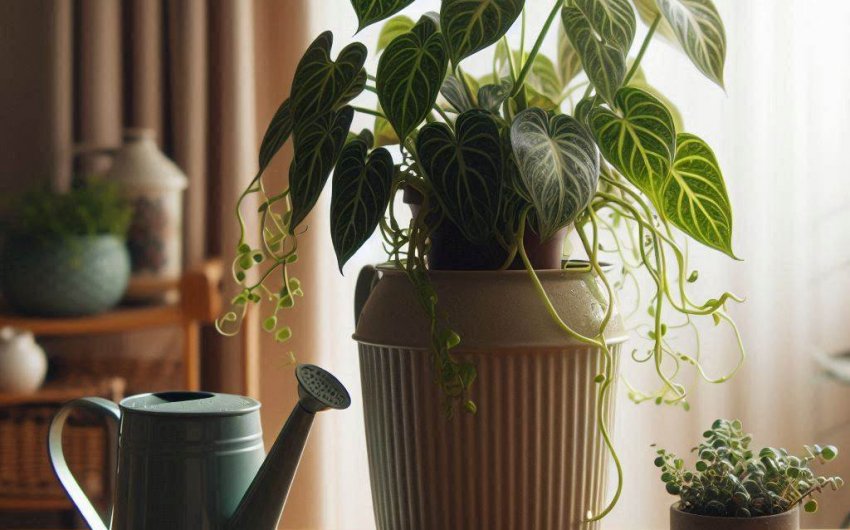
Observing your cherished indoor plants with their leaves facing downwards can be a disheartening sight for any plant parent. This common issue, often mistaken for a sign of a plant on its last legs, usually points to environmental stress or improper care rather than an irreversible problem. Understanding why your plant’s foliage is losing its usual vibrant posture is the first step toward bringing it back to health. Let's delve into the various culprits behind drooping leaves and how you can effectively address them to restore your plant's perky appearance.
Why Are My Plant's Leaves Limp?
When your indoor plant’s leaves start to sag, it's often a distress signal. Plants communicate their needs through their foliage, and drooping is one of the most prominent ways they tell you something is amiss. This symptom can be confusing because several different issues can cause it, and some of them have very similar outward appearances. Figuring out the exact reason is key to successful treatment.
Is It Underwatering Causing Drooping Leaves?
One of the most frequent reasons for drooping leaves is a lack of water. Plants absorb water through their roots, and this water travels up to the leaves, helping them stay firm and upright. When there isn't enough water, the cells in the leaves lose turgor pressure, which is essentially the internal water pressure that keeps them stiff. Without this pressure, the leaves go limp. Think of it like a deflated balloon.
Signs of Underwatering:
- Dry potting mix: The soil will feel completely dry to the touch, often pulling away from the sides of the pot. A good way to check is to stick your finger about an inch or two into the soil.
- Lightweight pot: The pot will feel noticeably lighter than usual due to the lack of water.
- Crispy or browning leaf edges: While the main symptom is drooping, prolonged underwatering can lead to the edges of the leaves turning brown and becoming crispy.
- Slow growth: The plant's overall growth will slow down significantly or stop completely.
How to Fix Underwatering:
If you suspect underwatering, the solution is usually straightforward: give your plant a good drink.
- Thorough watering: Water the plant until water drains out of the bottom of the pot. This ensures the entire root ball is moistened.
- Bottom watering: For very dry plants, or those that repel water, try bottom watering. Place the pot in a saucer or tray filled with water and let the plant soak up the water from the bottom for 20-30 minutes, or until the top of the soil feels damp. You can find a variety of self-watering planters that can help maintain consistent moisture levels.
- Consistent schedule: Establish a regular watering schedule based on your plant's specific needs, the type of soil, and environmental conditions. Use a soil moisture meter to help you accurately gauge when your plant needs water.
Could Overwatering Lead to Drooping Foliage?
Surprisingly, too much water can also cause drooping leaves, a symptom that can look very similar to underwatering. When a plant is overwatered, its roots sit in soggy soil. This deprives the roots of oxygen, causing them to rot. Rotten roots cannot absorb water and nutrients effectively, leading to the same lack of turgor pressure as underwatering. This is often more serious than underwatering because root rot can be harder to recover from.
Signs of Overwatering:
- Soggy, stale-smelling soil: The potting mix will feel constantly wet and may develop a sour or moldy smell.
- Yellowing leaves: Leaves often turn yellow before drooping.
- Soft, mushy stems: The base of the stem may feel soft and mushy, indicating rot.
- Fungus gnats: These tiny flies are attracted to consistently wet soil and can be a sign of overwatering.
- Darkened roots: If you gently pull the plant out of its pot, healthy roots are typically white or light brown and firm. Overwatered roots will be dark brown or black and mushy.
How to Fix Overwatering:
Addressing overwatering requires immediate action to prevent further root damage.
- Stop watering: Do not water the plant again until the top few inches of soil are dry.
- Improve drainage: Ensure the pot has proper drainage holes. If it doesn't, repot the plant into one that does. A good quality potting mix for indoor plants designed for drainage is crucial.
- Repotting (if severe): If signs of root rot are severe, you may need to repot the plant. Gently remove the plant from its pot, prune away any black, mushy roots with clean shears, and repot it in fresh, well-draining soil. Consider using a pot with good drainage to prevent future issues.
- Aerating the soil: Gently poke holes in the soil with a stick or chopstick to improve airflow to the roots.
Is Light Stress Impacting My Plant's Leaves?
Plants need light to perform photosynthesis, the process by which they create their food. However, both too much and too little light can stress a plant and lead to drooping leaves.
Too Little Light and Drooping
When a plant doesn't get enough light, it can become weak and leggy. The plant may be trying to conserve energy, and its leaves might droop as a result of overall weakness.
Signs of Too Little Light:
- Leggy growth: Stems become stretched out with widely spaced leaves as the plant reaches for light.
- Pale or yellowing leaves: Leaves may lose their vibrant color.
- Lack of new growth: The plant stops producing new leaves.
- Leaves facing windows: The plant noticeably leans towards the light source.
How to Fix Too Little Light:
- Relocate the plant: Move your plant to a brighter location. Consider a spot near a south-facing window (in the Northern Hemisphere) or an east-facing window for plants that prefer less intense light.
- Supplemental lighting: If natural light is limited, a grow light for indoor plants can provide the necessary illumination.
Too Much Light (Sunburn) and Drooping
While less common for truly indoor plants, some plants can get too much direct sunlight, especially if they are sensitive varieties or are suddenly moved from a low-light area to a very bright one. Intense direct sun can cause sunburn and stress, leading to drooping leaves.
Signs of Too Much Light:
- Bleached or faded leaves: Leaves may look washed out or have white, yellow, or brown patches.
- Crispy edges or spots: Burned areas may appear crispy or develop dry spots.
- Drooping, even with adequate water: The plant may droop despite being well-watered, as it's trying to protect itself from the intense light.
How to Fix Too Much Light:
- Move to a shadier spot: Relocate the plant to an area with indirect but bright light.
- Use sheer curtains: If the plant must stay in a bright window, use sheer curtains to filter the intense sunlight.
Are Temperature Extremes Affecting My Plant's Leaves?
Indoor plants generally thrive within a specific temperature range. Sudden or extreme changes in temperature can shock them and cause their leaves to droop.
Cold Drafts and Drooping
Exposure to cold drafts from open windows, air conditioning vents, or even cold air coming in from outside can cause a plant to become stressed and its leaves to droop. Some plants are particularly sensitive to cold.
Signs of Cold Stress:
- Sudden drooping: The leaves may droop suddenly after exposure to cold.
- Darkened or blackened leaves: In severe cases, parts of the leaves may turn dark or black.
- Stunted growth: Overall growth may slow down significantly.
How to Fix Cold Stress:
- Move to a warmer location: Relocate the plant away from drafty windows, doors, or air conditioning vents.
- Maintain stable temperatures: Try to keep your indoor environment within the ideal temperature range for your specific plant species, generally between 65-75°F (18-24°C) for most common houseplants.
Heat Stress and Drooping
High temperatures, especially when combined with low humidity, can also lead to drooping leaves. Plants lose water through their leaves (a process called transpiration) to cool themselves. In very hot conditions, they may lose water faster than their roots can absorb it, leading to wilting.
Signs of Heat Stress:
- Wilting during the hottest part of the day: Leaves may perk up in cooler periods.
- Rapid drying of soil: The potting mix dries out much faster than usual.
- Crispy or curling leaves: Edges may turn brown or leaves may curl inwards to conserve moisture.
How to Fix Heat Stress:
- Increase humidity: Use a plant humidifier or place the plant on a pebble tray filled with water to increase moisture in the air around it.
- Move to a cooler spot: If possible, relocate the plant to a cooler area of your home.
- Ensure adequate watering: In hotter conditions, plants will need more frequent watering.
Is Humidity Playing a Role in Drooping Leaves?
Many popular indoor plants, especially those originating from tropical regions, require high humidity to thrive. When the air is too dry, they lose moisture through their leaves faster than they can absorb it from the soil, leading to drooping leaves.
Signs of Low Humidity:
- Brown and crispy leaf tips or edges: This is a very common sign of low humidity.
- Curling leaves: Leaves may curl inwards to reduce the surface area exposed to dry air.
- Stunted growth: Overall plant growth may be hindered.
How to Fix Low Humidity:
- Humidifier: The most effective way to increase humidity is by using a room humidifier near your plants.
- Pebble tray: Place the plant pot on a tray filled with pebbles and water, ensuring the bottom of the pot does not sit directly in the water. As the water evaporates, it increases humidity around the plant.
- Grouping plants: Grouping plants together creates a microclimate with higher humidity as they release moisture into the air.
- Misting: While misting can provide temporary relief, it often isn't enough to significantly raise humidity for long periods and can sometimes promote fungal growth if water sits on leaves for too long.
Are Nutrient Deficiencies Causing Drooping Leaves?
While less common as an immediate cause of drooping leaves compared to watering or light issues, long-term nutrient deficiencies can weaken a plant and make it more susceptible to stress, which can manifest as drooping.
Signs of Nutrient Deficiency:
- Overall stunted growth: The plant simply doesn't grow well.
- Yellowing leaves: Different nutrient deficiencies cause yellowing in different patterns (e.g., older leaves, new leaves, or between veins).
- Pale foliage: Leaves may appear generally light green or yellowish.
- Weak stems: Stems may be thin and unable to support the leaves properly.
How to Fix Nutrient Deficiency:
- Fertilize: Use a balanced indoor plant fertilizer according to the product instructions. Remember that plants generally need less fertilizer in winter when growth slows.
- Repotting: If your plant has been in the same soil for a long time, the nutrients may be depleted. Repotting into fresh potting mix can replenish essential nutrients.
Is Pests and Diseases Behind Drooping Leaves?
Pests and diseases can significantly stress a plant, leading to a variety of symptoms, including drooping leaves. They essentially "suck the life" out of your plant or disrupt its internal systems.
Common Pests and Drooping
Sap-sucking pests like spider mites, aphids, mealybugs, and scale insects feed on plant juices, weakening the plant and causing leaves to droop, yellow, or distort.
Signs of Pest Infestation:
- Visible insects: Small bugs on the leaves, stems, or undersides of leaves.
- Sticky residue (honeydew): A sugary substance left by some pests, often accompanied by black sooty mold.
- Webbing: Fine webs, especially on the undersides of leaves, indicate spider mites.
- Distorted or discolored leaves: Leaves may be twisted, curled, or have yellow spots.
How to Combat Pests:
- Isolate infected plants: To prevent spread to other plants.
- Wipe leaves: Gently wipe leaves with a damp cloth or a solution of water and mild dish soap.
- Insecticidal soap: Apply insecticidal soap for plants following product instructions.
- Neem oil: A natural pesticide that can be effective against many pests. You can find Neem oil for plants at most garden stores.
- Systemic pesticides: For severe infestations, stronger pesticides may be necessary, but use them with caution.
Diseases and Drooping
Fungal or bacterial diseases can also cause drooping leaves, especially if they affect the roots or vascular system of the plant.
Signs of Disease:
- Spots or lesions: Discolored spots, cankers, or rotting areas on leaves or stems.
- Foul smell: A sign of bacterial rot.
- Mushy parts: Soft, watery parts of the plant.
How to Address Disease:
- Prune affected parts: Remove and discard diseased leaves or stems using clean, sharp pruning shears.
- Improve airflow: Ensure good air circulation around the plant to prevent fungal growth.
- Fungicides: For fungal issues, a fungicide for plants may be an option, but often prevention is key.
- Identify and treat: It's important to accurately identify the disease to apply the correct treatment. Severely diseased plants may need to be discarded to protect others.
Is Transplant Shock the Reason for Drooping?
Moving a plant, whether from one pot to another, from a nursery to your home, or even just to a different spot in the room, can be a stressful experience for it. This stress is known as transplant shock, and one of its most common symptoms is drooping leaves.
Signs of Transplant Shock:
- Sudden drooping of leaves: This often happens within a few days of repotting or moving.
- Stunted growth: The plant may temporarily stop growing.
- Yellowing or shedding of a few lower leaves: The plant might shed older leaves to conserve energy for new root growth.
How to Minimize Transplant Shock:
- Water before repotting: Water the plant a day or two before repotting to ensure it's well-hydrated.
- Handle gently: Be very careful with the roots when repotting. Damage to the root system is a major cause of shock.
- Use appropriate pot size: Don't repot into a pot that's too much larger than the original, as this can lead to overwatering. Usually, one size up is sufficient.
- Provide stable conditions: After repotting, place the plant in a spot with consistent temperatures, indirect light, and good humidity. Avoid direct sun or extreme temperatures for a week or two.
- Avoid fertilizing immediately: Wait a few weeks after repotting before fertilizing, as the plant needs time to adjust. A good quality repotting mix usually contains enough nutrients for a short period.
Is the Pot Size or Root-bound Issues Causing Drooping?
The size of your plant's pot and the condition of its roots can also directly contribute to drooping leaves.
Pot Too Small (Root-bound) and Drooping
When a plant becomes root-bound, its roots have completely filled the pot, circling around and forming a dense mass. This leaves very little room for soil, meaning the plant can't absorb enough water or nutrients, leading to drooping leaves.
Signs of a Root-bound Plant:
- Roots growing out of drainage holes: This is a clear indicator.
- Plant dries out very quickly: You find yourself watering much more often than before.
- Stunted growth: The plant stops growing or grows very slowly.
- Drooping despite frequent watering: The roots can't absorb water effectively.
- Roots circling around the soil ball: When you gently pull the plant out of its pot, you see a dense mass of roots.
How to Fix a Root-bound Plant:
- Repotting: The solution is to repot the plant into a slightly larger pot (usually 1-2 inches wider in diameter). Gently loosen the circling roots before placing the plant in its new home with fresh indoor plant potting soil.
Pot Too Large and Drooping
While less common, placing a small plant in an excessively large pot can also lead to drooping leaves due to overwatering. A large pot holds too much soil for the small root system to absorb moisture from, causing the soil to stay wet for too long. This creates an environment ripe for root rot.
Signs of a Pot Too Large:
- Soil stays wet for a long time: The potting mix takes an unusually long time to dry out between waterings.
- Signs of overwatering (yellowing, mushy stems): These often accompany the drooping.
- Minimal growth: The plant struggles to establish itself.
How to Fix a Pot Too Large:
- Repot into a smaller pot: Move the plant to a pot that is more appropriately sized for its root ball. Ensure the pot has adequate drainage.
Is My Plant Just Acclimating or Experiencing Stress?
Sometimes, drooping leaves are a temporary response to environmental changes or normal plant processes.
New Plant Acclimation and Drooping
When you bring a new plant home from the nursery, it's common for it to experience some stress as it adjusts to its new environment. This can include changes in light, humidity, temperature, and even water quality. Drooping leaves during this period are often a sign of acclimation shock.
How to Help New Plants Acclimate:
- Provide stable conditions: Place the new plant in a spot with stable temperatures, consistent light (similar to its previous environment if known), and good humidity.
- Delay repotting: Unless absolutely necessary (e.g., severe root rot), wait a few weeks before repotting to allow the plant to settle in.
- Monitor closely: Keep a close eye on watering and light during this adjustment period.
Seasonal Changes and Drooping
Some plants naturally slow down their growth or go into a semi-dormant state during certain seasons, particularly winter. During these periods, they require less water and light, and their leaves may droop slightly as a natural response.
How to Adjust for Seasonal Changes:
- Reduce watering: Water less frequently during cooler, darker months. Allow the soil to dry out more between waterings.
- Adjust light if necessary: Some plants may need a bit more light in winter if natural light levels drop significantly.
- Avoid fertilizing: Do not fertilize during dormancy.
Old Leaves and Natural Shedding
Finally, sometimes drooping leaves are just a part of the plant's natural life cycle. Older leaves, typically at the bottom of the plant, will eventually yellow, droop, and fall off as the plant prioritizes energy for new growth.
Signs of Natural Shedding:
- Only older, lower leaves affected: The rest of the plant appears healthy.
- Gradual yellowing before drooping: The leaf slowly turns yellow before it droops.
- New growth present: The plant continues to produce new leaves from the top.
What to Do:
- No action needed: This is a normal process. You can gently remove the yellowed or drooped leaves once they are easily detached.
Understanding the root cause of drooping leaves requires a bit of detective work and observation of your plant's specific environment and care routine. By systematically checking for signs of underwatering, overwatering, light stress, temperature extremes, humidity issues, nutrient deficiencies, pests, diseases, transplant shock, or even natural processes, you can accurately diagnose the problem. Adjusting your care practices accordingly will help your plants recover their vibrant, upright posture and continue to thrive. Consistent observation and knowing your plant's specific needs are truly the best tools for preventing and fixing drooping leaves.