
How to Prune a Leggy Rubber Plant Effectively?
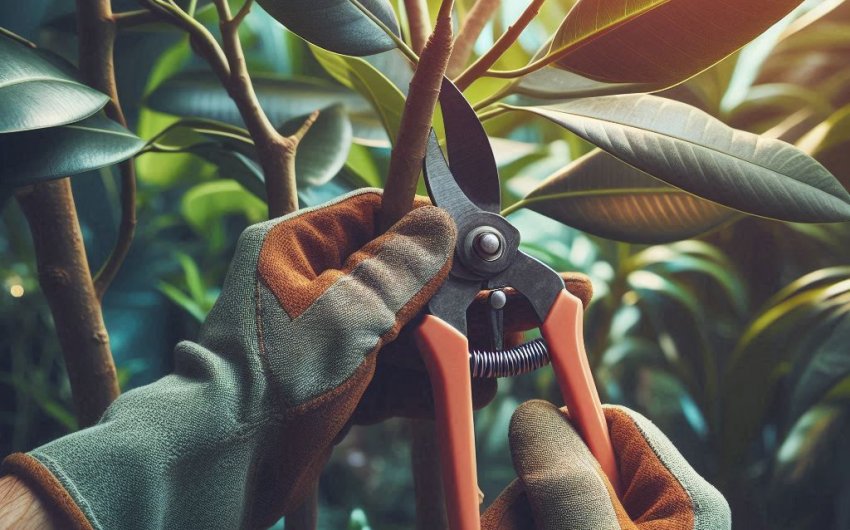
For many indoor plant enthusiasts, the striking rubber plant (Ficus elastica) is a prized possession, known for its glossy, dark green leaves and commanding presence. However, over time, these beautiful plants can sometimes become stretched out and sparse, prompting the common question: how to prune a leggy rubber plant effectively? Addressing legginess isn't just about aesthetics; strategic pruning rejuvenates the plant, encouraging bushier growth, more vibrant foliage, and a healthier, more robust structure, transforming a straggly specimen back into a lush, full, and captivating feature in your home.
Why do rubber plants become leggy?
Understanding the reasons behind a rubber plant's leggy growth is the first step in addressing the issue and learning how to prune a leggy rubber plant effectively. Legginess is almost always a signal from your plant that its environmental conditions are not quite ideal, causing it to stretch and thin out rather than grow compactly.
What is "legginess" in a rubber plant?
"Legginess" describes a plant's growth habit where stems become long, thin, and sparse, with widely spaced leaves. Instead of a full, bushy appearance, the plant has elongated sections of bare stem between leaves or nodes. This contrasts sharply with the desired dense, leafy look of a healthy rubber plant.
What are the primary causes of legginess?
- Insufficient Light (The #1 Cause): This is by far the most common reason a rubber plant becomes leggy. When a plant doesn't receive enough light, its natural instinct is to "reach" or stretch towards the nearest light source.
- Stretching for Light: Stems become elongated as the plant desperately tries to find more light, and the leaves that do form are often smaller and more widely spaced because the plant doesn't have enough energy to develop them fully.
- Reduced Photosynthesis: Low light means less energy production through photosynthesis, leading to overall weaker growth.
- Fix: Ensure your rubber plant is in a location with bright, indirect light. A few feet from a south or west-facing window, or near an east-facing window, is often ideal. Some morning sun can be beneficial, but harsh afternoon sun can scorch leaves. Rotate the plant regularly to ensure all sides get even light exposure.
- Lack of Pruning: If a rubber plant is never pruned, it will naturally grow upwards with a single main stem, eventually becoming tall and sparse at the bottom as older leaves naturally drop or are shaded out by upper growth.
- Apical Dominance: Most plants, including rubber plants, exhibit apical dominance, meaning the main growing tip (apical bud) produces hormones that suppress the growth of side shoots (lateral buds) further down the stem. This encourages vertical growth.
- Fix: Regular pruning, specifically "pinching" or "heading back," removes the apical bud and breaks this dominance, forcing the plant to activate lateral buds and produce new branching, resulting in a bushier plant.
- Nutrient Imbalance (Less Common for Legginess): While proper fertilization is important for overall health, extreme imbalances are less likely to be the primary cause of legginess compared to light. However, very low phosphorus can sometimes inhibit branching.
- Fix: Ensure a balanced fertilization schedule during the growing season.
- Overwatering (Indirect Cause): While overwatering directly leads to yellowing leaves and root rot, a plant that is constantly stressed by soggy conditions will also struggle to produce robust, compact growth, potentially exacerbating legginess over time due to overall poor health.
- Fix: Ensure proper watering (allow soil to dry out between waterings) and well-draining soil/pot.
Addressing the root cause of legginess, primarily insufficient light, combined with the strategic application of pruning techniques, is essential for rejuvenating your rubber plant and encouraging it to grow into a fuller, more attractive specimen.
When is the best time to prune a rubber plant?
Timing your pruning correctly is almost as important as the pruning technique itself when learning how to prune a leggy rubber plant effectively. Pruning at the right time ensures the plant recovers quickly and channels its energy into producing new, desirable growth.
What is the ideal season for pruning?
- Active Growing Season: The best time to prune a rubber plant is during its active growing season, which is typically late spring to mid-summer.
- Rapid Recovery: During these warmer months, the plant is in its strongest growth phase. It has ample energy, sunlight, and warmth to quickly recover from the stress of pruning. New buds will break and develop into branches much faster than if pruned during cooler, dormant periods.
- New Growth Potential: Pruning during the growing season ensures that the subsequent new growth will be strong and healthy, filling out the plant effectively.
- Avoid Dormant Season: Do not prune a rubber plant heavily during the fall or winter months.
- Slow Healing: In cooler, darker conditions, the plant's metabolism slows down significantly. Cuts will heal much more slowly, making the plant more susceptible to stress, disease, and potential dieback.
- Lack of New Growth: The plant will have very little energy to produce new branching, defeating the purpose of the prune.
- Stress: Heavy pruning during dormancy can severely stress the plant, potentially leading to its decline.
When should I consider pruning a very leggy plant?
If your rubber plant is extremely leggy and thin, you might be tempted to prune it back drastically.
- Assess Health: Before a severe prune, ensure the plant is otherwise healthy. Check for any signs of pest infestation, root rot, or severe nutrient deficiencies. Address these issues first, allowing the plant to recover its vigor. A stressed plant will struggle to bounce back from a hard prune.
- Gradual Approach: For very leggy plants, a gradual approach might be beneficial. You can do a lighter prune in late spring, then assess the new growth and perform another, perhaps slightly deeper, prune later in the summer if needed. This reduces stress on the plant.
- One Major Prune: If you opt for a single, significant chop to rejuvenate a very leggy plant, ensure it's done early in the active growing season (late spring) to give the plant the longest possible recovery period.
While minor snips can happen at any time to remove dead leaves or damaged tips, any substantial pruning to address legginess and encourage branching should always be reserved for the rubber plant's peak growing season. This ensures the best results for a fuller, healthier plant.
How do I effectively prune a leggy rubber plant for bushiness?
Learning the right techniques for pruning is crucial for transforming a straggly rubber plant into a lush, full specimen. This section focuses on the practical steps and considerations involved in how to prune a leggy rubber plant effectively to encourage branching and improve its overall shape.
What tools do I need for pruning?
Using the right tools, and keeping them clean, is essential for healthy cuts and preventing disease.
- Sharp Pruning Shears/Bypass Pruners: For most rubber plant stems, a good pair of sharp pruning shears (bypass style is best for clean cuts) will suffice. Ensure they are sharp to avoid crushing stems.
- Loppers (for thicker stems): If you're dealing with very thick, woody stems (older, larger plants), you might need loppers to make a clean cut.
- Rubbing Alcohol or Disinfectant Wipes: Always sterilize your pruning tools before and after pruning, especially if you're working on multiple plants. This prevents the spread of diseases.
- Gloves: Rubber plants produce a milky white sap (latex) when cut, which can be irritating to skin. Wear gardening gloves to protect your hands.
- Paper Towels or Cloth: Have these on hand to wipe away any oozing sap after cuts.
Where should I make the cuts to promote bushiness?
The key to encouraging branching is understanding where new growth originates.
- Identify Nodes: A node is the small bump or swelling on the stem where a leaf currently grows or where a leaf used to grow. This is where latent buds are located, ready to sprout new branches.
- Make the Cut Above a Node: When you cut, aim to cut about 1/4 to 1/2 inch above a node. The new growth (usually two or more new branches) will emerge from that node, or the node just below the cut.
- Cut at an Angle: Make your cut at a slight angle (about 45 degrees) to allow water to run off, preventing moisture from sitting on the cut surface, which can lead to rot.
- Consider Desired Height: Decide on the desired height or shape you want the plant to achieve.
- For Shorter, Bushier Plant: You can cut back quite severely, even removing 1/2 to 2/3 of the plant's height, as long as there are healthy nodes remaining on the lower stem. This forces the plant to send out new shoots lower down, creating a fuller plant from the base.
- For Shaping: If one stem is growing too tall or unevenly, cut it back to a height that balances with the rest of the plant.
What happens after I prune?
- Sap Oozing: Expect milky white sap to ooze from the cut. This is normal. Wipe it away with a damp cloth or paper towel. The sap usually stops flowing after a few minutes.
- Patience: New growth won't appear overnight. It can take a few weeks for new buds to swell and even longer for new branches to develop.
- Increased Light: After pruning, ensure your plant is receiving optimal bright, indirect light. This provides the energy needed for new, vigorous growth. Insufficient light after pruning will result in weak new shoots that may also become leggy.
- Adjust Watering: During the immediate recovery period after a heavy prune, the plant might temporarily use less water as it has fewer leaves. Adjust your watering frequency to avoid overwatering, ensuring the soil dries out adequately between waterings.
- Fertilize (Optional): A light feeding with a balanced liquid fertilizer (at half strength) a few weeks after pruning can provide a gentle boost for new growth, but only if the plant is actively recovering.
By following these precise pruning techniques, you can effectively direct your rubber plant's energy, encouraging it to produce lush new foliage and achieve the full, attractive shape you desire, ensuring it remains a vibrant and healthy addition to your home.
How do light, water, and humidity affect the recovery and future growth of a pruned rubber plant?
Pruning is just one piece of the puzzle. For your rubber plant to fully recover and develop a bushier, healthier form after pruning, optimizing its environmental conditions is paramount. The interplay of light, water, and humidity significantly influences how well your plant bounces back and whether new growth thrives or simply becomes leggy again. This comprehensive approach is vital for ensuring you know how to prune a leggy rubber plant effectively for long-term success.
How does light impact recovery and future growth?
- Energy for New Growth: After pruning, the plant needs energy to heal its wounds and push out new growth. This energy comes directly from photosynthesis, which requires light.
- Preventing Future Legginess: If you prune a leggy rubber plant but don't address the underlying cause (often insufficient light), the new growth that emerges will likely become leggy again, defeating the purpose of your pruning efforts.
- Ideal Post-Prune Light: Place your newly pruned rubber plant in a location with bright, indirect light.
- Ample Brightness: This provides enough light for vigorous photosynthesis, ensuring the plant has the energy reserves to recover quickly and produce strong, compact new shoots.
- Protection from Direct Sun: While bright, avoid harsh, direct afternoon sun which can scorch tender new leaves or stress the recovering plant.
- Rotate Regularly: Continue to rotate your plant every few weeks to ensure all sides receive even light exposure. This encourages balanced growth and prevents the plant from stretching towards one light source.
How do watering and humidity affect recovery?
Proper watering and adequate humidity are crucial for root health, nutrient uptake, and preventing stress during the recovery period.
- Watering Post-Prune:
- Reduced Water Use Initially: After a significant prune, the plant will have fewer leaves (and therefore less surface area for transpiration), so it may temporarily use less water.
- Adjust Frequency: Be extra vigilant about checking soil moisture. Continue with the "soak and dry" method (allow the top 2-3 inches of soil to dry out between waterings), but expect the drying period to be longer. Overwatering a recently pruned plant is very dangerous and can quickly lead to root rot.
- Consistency: Once new growth begins, as the plant demands more water, maintain consistent watering to support its vigorous development.
- Humidity: Rubber plants prefer moderate to high humidity. While a lack of humidity won't directly cause root rot, it can stress the plant and lead to brown, crispy leaf edges, especially on tender new leaves.
- Benefits of Humidity: Good humidity supports lush, healthy foliage development.
- Methods: Consider using a room humidifier near your plant, grouping it with other plants, or placing it on a pebble tray filled with water (ensuring the pot doesn't sit directly in the water).
What about fertilization after pruning?
- Timing: Wait about 2-4 weeks after pruning before applying any fertilizer. This gives the plant time to recover from the initial shock of pruning.
- Type and Strength: Use a balanced liquid houseplant fertilizer diluted to half or quarter strength.
- Purpose: A light feed can provide the necessary nutrients to fuel the new growth. However, avoid over-fertilizing, especially if the plant is still recovering slowly or if you haven't addressed light issues.
By providing optimal light, adjusting watering carefully, maintaining adequate humidity, and offering a gentle nutrient boost at the right time, you create the perfect environment for your pruned rubber plant to recover quickly and flourish into the full, magnificent specimen you desire, truly demonstrating how to prune a leggy rubber plant effectively for lasting beauty.