
What’s the right light for a Scindapsus treubii Moonlight?
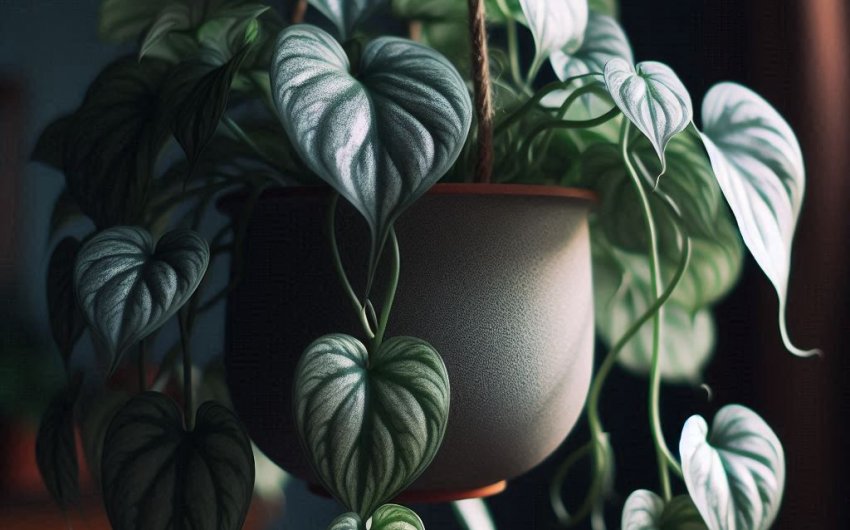
What is a Scindapsus Treubii Moonlight?
You've probably seen it on social media, or maybe you just brought one home: the stunning Scindapsus treubii Moonlight. It's a plant that instantly grabs your attention with its unique foliage. But what exactly is this plant, and what makes it so special?
A Rare Jewel
The Scindapsus treubii Moonlight, often called 'Moonlight Pothos' (though it's not a true Pothos), is a rarer relative of the more common Pothos and Philodendron plants. It belongs to the Araceae family, which includes many popular houseplants. Its rarity makes it a prized possession for many plant enthusiasts.
Its Signature Look
The most striking feature of the 'Moonlight' is its leaves. They are thick, somewhat rigid, and have a beautiful, almost metallic, silvery-green sheen. This unique coloration is what gives it the "Moonlight" name – it looks like moonlight shimmering on a dark leaf. The leaves are typically dark green along the edges and midrib, with the silver spreading across the rest of the leaf blade. It's a vining plant, meaning its stems will grow long and trail gracefully, making it perfect for hanging baskets or letting it climb a moss pole.
Native Habitat Clues
Like many popular houseplants, the Scindapsus treubii originates from tropical rainforests, specifically in Southeast Asia. In its natural environment, it grows as an understory plant, clinging to tree trunks or trailing along the forest floor. This means it's used to filtered light, dappled shade, and consistent humidity, not harsh, direct sun. Understanding its native home gives us big clues about its light needs indoors.
Why is the Right Light So Important for My Scindapsus Treubii Moonlight?
Light is the single most important factor for any plant's health, and the Scindapsus treubii Moonlight is no exception. Giving it the right amount and type of light is crucial for several reasons.
1. Photosynthesis: The Plant's Food Factory
Plants use light to perform photosynthesis. This is the process where they convert light energy into chemical energy (food) to grow, produce new leaves, and stay healthy. Without enough light, a plant can't make enough food, and it will slowly starve.
2. Maintaining Variegation
The stunning silver coloration of your 'Moonlight' is a type of variegation. Variegation is when parts of the plant's leaves lack chlorophyll (the green pigment). While the silver areas are beautiful, they can't perform photosynthesis. This means the green parts of the leaf have to work extra hard. If the plant doesn't get enough light, it might start to lose its variegation, becoming more green to compensate and produce more food. This is often the first sign something is wrong.
3. Leaf Color and Vibrancy
The right light ensures the silver areas are bright and pronounced, giving your plant that signature "moonlight" glow. Too little light can make the silver look dull, or even cause it to disappear as the plant tries to produce more green.
4. Growth Rate and Health
Adequate light promotes healthy, vigorous growth. Your Scindapsus treubii Moonlight will produce new leaves more consistently, and the vines will lengthen beautifully. In insufficient light, growth will slow dramatically, new leaves will be smaller, and the plant might become leggy (stretched out with long gaps between leaves).
5. Preventing Stress and Problems
Incorrect light levels are a leading cause of stress for houseplants. A stressed plant is more susceptible to pests and diseases. Providing optimal light is a cornerstone of proactive plant care.
What is the Ideal Light for Scindapsus Treubii Moonlight?
Let's get specific! The ideal light for your Scindapsus treubii Moonlight is bright, indirect light.
What Does "Bright, Indirect Light" Mean?
Think of it this way:
- Bright: The area should be well-lit, not dim. If you can read a book comfortably without a lamp, it's probably bright enough.
- Indirect: This means the sun's rays should not directly hit the leaves. Direct sun, especially harsh afternoon sun, can scorch the delicate foliage of tropical plants.
Ideal Placement Indoors
Based on its needs, here are some good spots for your 'Moonlight':
- East-Facing Window: This is often the best spot! It gets gentle morning sun for a few hours, which is typically not too intense for the leaves, and then bright, indirect light for the rest of the day.
- North-Facing Window: Also a great choice, as it provides consistent, soft indirect light throughout the day.
- South or West-Facing Window (with caution): If these are your only options, you'll need to be careful. Place your plant several feet back from the window, or use sheer curtains to filter the intense afternoon sun. Direct sun from these windows will be too harsh.
- Near a Brighter Window (further back): Even in a room with a large, very bright south or west-facing window, you can place your plant further into the room where the light is still bright but diffused.
Light Meters: Your Best Friend
It can be hard to tell exactly how much light an area gets just by looking. This is where a light meter comes in handy!
- A simple light meter for plants can measure the light intensity (often in foot-candles or lux).
- For Scindapsus treubii Moonlight, aim for readings in the range of 150-300 foot-candles (FC) or 1,500-3,000 lux. This is a good range for bright, indirect light.
What Happens if My Scindapsus Treubii Moonlight Gets Too Much Light?
While plants need light, too much of a good thing can be detrimental, especially for a rainforest understory plant like the 'Moonlight'.
Signs of Too Much Light
- Scorched or Burned Leaves: This is the most obvious sign. You'll see brown, crispy spots or patches on the leaves, especially on the silver areas.
- Faded Coloration: The beautiful silver might start to look dull, bleached, or even yellowish. The contrast between the silver and green might lessen.
- Curling Leaves: Leaves might curl inwards or upwards as if trying to protect themselves from the intense light.
- Stunted Growth: Paradoxically, too much light can also lead to slowed or stunted growth because the plant is stressed and putting all its energy into surviving the harsh conditions.
- Dry Soil Too Quickly: The soil will dry out unusually fast, requiring more frequent watering, which can also stress the plant.
Why it's Harmful
Direct, intense sunlight can literally burn the plant's delicate tissues. The silvery parts of the leaves are particularly vulnerable because they lack chlorophyll and cannot protect themselves as effectively from UV radiation. This damage affects the plant's ability to photosynthesize efficiently and can permanently scar the leaves.
Solutions for Too Much Light
- Relocate the Plant: The easiest solution is to move your Scindapsus treubii Moonlight to a more appropriate spot with less intense light.
- Filter the Light: If moving isn't an option, use sheer curtains or blinds to diffuse the light coming through the window.
- Shade Cloth: For very intense windows, you might even consider a light shade cloth outside the window to reduce overall light intensity.
What Happens if My Scindapsus Treubii Moonlight Gets Too Little Light?
Just as too much light is harmful, insufficient light is also a major problem and perhaps more common indoors.
Signs of Too Little Light
- Loss of Variegation: This is often the first and most noticeable sign. The beautiful silver patches will start to fade, shrink, or disappear altogether, leaving the leaves looking mostly green. The plant is trying to maximize its photosynthetic capacity by producing more chlorophyll.
- Leggy Growth: The stems will stretch out, with long gaps between leaves. The plant is "reaching" or "stretching" to find a light source. New leaves will often be very small.
- Slow or Stunted Growth: The plant will stop producing new leaves, or existing leaves will hardly grow.
- Dull Leaf Color: Even the green parts of the leaves might look dull and listless.
- No New Leaves: You might notice a complete halt in new growth.
- Increased Vulnerability to Overwatering: In low light, plants use less water. This means the soil stays wet for longer, increasing the risk of root rot if you continue your regular watering schedule.
Why it's Harmful
Without enough light, the plant simply cannot produce enough energy to grow and thrive. It will become weak, spindly, and susceptible to various issues. The loss of variegation, while visually disappointing, is the plant's survival mechanism, indicating significant stress.
Solutions for Too Little Light
- Relocate the Plant: Move your Scindapsus treubii Moonlight to a brighter spot, ideally near an east or north-facing window, or further back from a strong south/west window with filtered light.
- Supplemental Grow Lights: This is often the best solution for consistent, adequate light indoors, especially during darker winter months or in homes with limited natural light.
- Choose the Right Light: A full-spectrum LED grow light is recommended. They are energy-efficient and provide the light spectrum plants need for growth. A LED grow light for indoor plants can be found in various forms.
- Placement: Position the grow light about 12-24 inches above your plant. Adjust as needed; if leaves show signs of scorching, raise the light. If growth is still leggy, lower it slightly.
- Duration: Provide 12-14 hours of grow light per day during the active growing season. Use a simple mechanical grow light timer for consistency.
Adjusting Light for Seasons and Growth
Light is not static, and neither are your plant's needs throughout the year.
Seasonal Changes
- Winter: Days are shorter, and light intensity is lower. Your Scindapsus treubii Moonlight will likely need less water during this time because its growth slows down. This is also when grow lights become most beneficial to compensate for reduced natural light.
- Summer: Days are longer, and natural light is more intense. Be extra cautious about direct sun, especially through south or west-facing windows, as it can be scorching. You might need to move your plant further back or increase filtering. Your plant will also be actively growing and thus need more water.
Growth Habits and Light
- Vining: As your Scindapsus treubii Moonlight vines, ensure that all parts of the plant are getting adequate light. If it's trailing downwards from a high shelf, the top leaves might be getting enough light, but the lower, trailing vines might not. Rotate your plant regularly to ensure even light exposure.
- Climbing vs. Trailing: While they can trail beautifully, Scindapsus treubii Moonlight can also climb. Providing a moss pole or coir pole can encourage larger, more mature leaves as the plant climbs, mimicking its natural habitat. A moss pole for climbing plants gives the aerial roots something to cling to. Climbing can sometimes help the plant produce more vibrant variegation as it receives more consistent light across its entire structure.
Other Factors Influencing Light Needs
While light is primary, it interacts with other environmental factors.
Humidity and Temperature
- High Humidity: Scindapsus treubii Moonlight loves high humidity. In more humid environments, plants can sometimes tolerate slightly brighter light because the humidity helps prevent desiccation (drying out).
- Ideal Temperature: Keep temperatures stable, ideally between 65-80°F (18-27°C). Extreme temperatures, hot or cold, can stress the plant and make it more susceptible to light-related issues.
Watering
- Light and Water Connection: Plants in brighter light will use water more quickly. Plants in lower light will use water slower. Always adjust your watering schedule based on light levels. Overwatering is a common killer in low-light conditions. Always let the top few inches of soil dry out before watering.
- Well-Draining Soil: Regardless of light, use a well-draining potting mix to prevent root rot. A mix containing perlite, orchid bark, and potting soil works well. You can find a good aroid potting mix that suits its needs.
Fertilizing
- Less Light, Less Fertilizer: In lower light, the plant's growth slows, and it needs less fertilizer. Too much fertilizer in low light can lead to salt buildup and burn.
- More Light, More Fertilizer: In optimal, bright indirect light, the plant will be actively growing and will benefit from regular, diluted fertilization during its growing season (spring and summer). Use a balanced liquid houseplant fertilizer diluted to half strength, like liquid houseplant food, every 2-4 weeks.
Troubleshooting Common Light-Related Issues
Let's quickly review how to identify and fix common problems related to light.
Problem: Leaves are turning yellow or crispy brown (especially on the silver parts).
- Likely Cause: Too much direct sunlight.
- Solution: Move the plant to a shadier spot or filter the light.
Problem: New leaves are small, growth is leggy, and the silver variegation is fading or turning green.
- Likely Cause: Not enough light.
- Solution: Move the plant to a brighter spot with indirect light. Consider adding a grow light.
Problem: Plant is generally not growing or looks "stuck."
- Likely Cause: Can be low light, but also check other factors like watering, temperature, and humidity.
- Solution: Ensure bright, indirect light is provided consistently.
Problem: Soil stays wet for too long.
- Likely Cause: Low light, improper watering technique, or poor drainage.
- Solution: Increase light, adjust watering frequency (water less often), and ensure your pot has drainage holes and your soil mix is well-draining.
Problem: Plant looks dull and lacks vibrancy.
- Likely Cause: Insufficient light over time, or general stress.
- Solution: Optimize light levels to restore vibrancy.
Remember, your Scindapsus treubii Moonlight is a living being, and it will communicate its needs through its appearance. Paying close attention to its leaves, growth habit, and overall vigor will help you fine-tune its light conditions and keep it thriving for years to come. With the right amount of bright, indirect light, your 'Moonlight' will continue to shimmer and bring a unique elegance to your indoor plant collection.