
How do I care for a Stephania erecta tuber indoors?
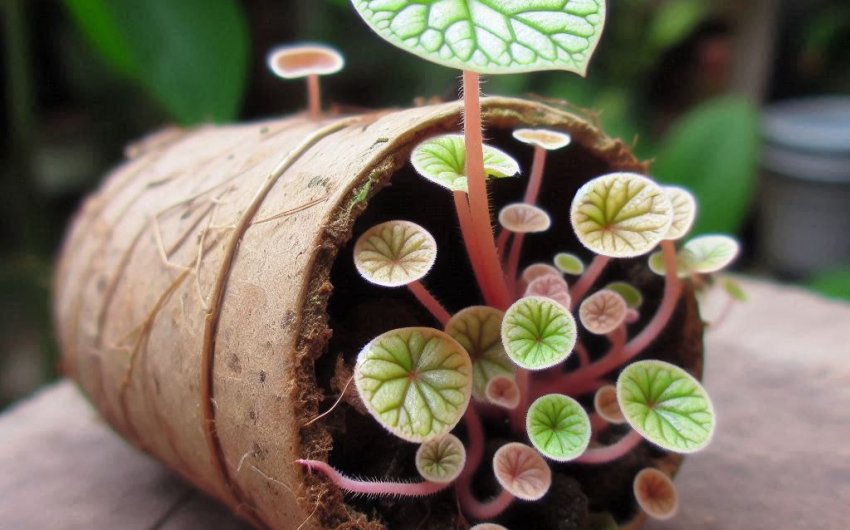
What is a Stephania Erecta?
You've probably seen pictures of it: a round, woody bulb, often sitting on top of the soil, with delicate, coin-shaped leaves unfurling on a slender vine. That's the Stephania erecta! This unique plant is a real head-turner and a favorite among rare plant collectors. But what exactly is it?
A Tuber, Not a Bulb!
First off, it's important to know that the round part of the Stephania erecta is a tuber, not a bulb. Think of a potato – that's a tuber! Tubers are thickened underground stems that store food and water, helping the plant survive harsh conditions like drought. The Stephania erecta uses its tuber to store moisture during its dormant (resting) period.
Where Does it Come From?
The Stephania erecta is native to the forests of Thailand. In its natural home, it grows in rocky, well-drained areas, often going dormant during the dry season. Understanding its natural habitat helps us give it the best care indoors.
Its Unique Look
The charm of the Stephania erecta lies in its striking contrast: a rugged, often gnarly-looking tuber giving rise to incredibly delicate, almost ethereal leaves. These leaves are typically round or heart-shaped, often with a unique pattern of veins, and they emerge on thin, wiry stems that can grow quite long. It's truly a living sculpture!
How Do I Wake Up My Stephania Erecta Tuber?
So, you've got your Stephania erecta tuber. It probably looks like a brown, dormant potato. Don't worry, it's supposed to! Getting it to wake up and sprout new growth is an exciting first step.
Checking for Viability
Before you begin, gently check your tuber. It should feel firm, not soft or squishy. A soft tuber could mean it's rotted. A very hard, shriveled tuber might be completely dried out, but sometimes they can still be revived.
The Sprouting Process: A Step-by-Step Guide
Waking up your Stephania erecta requires patience and the right conditions.
Preparation of the Tuber:
- Cleanliness: If your tuber has any dirt stuck to it, gently brush it off. You can rinse it lightly, but make sure to dry it thoroughly with a paper towel afterward. You want to avoid introducing any rot.
- Inspect for Damage: Look for any soft spots or mold. If you find small areas of mold, you can gently scrape them off. Some people like to dust the tuber with a little cinnamon powder (which acts as a natural fungicide) or a specialized fungicide powder like Garden Safe Brand Fungicide3 before planting.
Choosing the Right Pot:
- Size: Don't go too big! A pot that's just slightly wider than your tuber is perfect. This helps prevent the soil from staying too wet, which can cause rot.
- Drainage Holes: Non-negotiable! Your pot absolutely, positively must have drainage holes. Excess water is the enemy of tubers. A terracotta pot with drainage hole is often a good choice because it breathes, helping the soil dry out.
The Perfect Potting Mix:
- Drainage is Key: This is perhaps the most important factor for Stephania erecta success. They need an extremely well-draining potting mix that doesn't hold too much moisture. Regular potting soil is too heavy and will lead to rot.
- Components: A good mix typically includes:
- Perlite: For excellent aeration and drainage.
- Coarse Sand or Grit: Improves drainage.
- Orchid Bark or Coco Coir Chunks: Provides a loose, airy structure.
- Peat Moss or Coco Coir Fines: A small amount for some moisture retention, but not too much.
- Example Mix: A popular blend is often 50% perlite or pumice, 25% cactus/succulent soil, and 25% orchid bark. You can find pre-made succulent and cactus potting mix which is a good base, then add more perlite or orchid bark.
Positioning the Tuber in the Pot:
- Identifying Top/Bottom: Look closely at your tuber. You might see a small indentation or a scar where the stem grew last season. That's usually the top. The bottom might have some dried-up root remnants. If you can't tell, don't worry too much; the plant will find its way.
- Partial Burial: Most people choose to plant their Stephania erecta with the bottom one-third to one-half of the tuber buried in the soil. This allows the top part, the "caudex," to be visible, which is part of its charm. However, some prefer to bury it almost completely to encourage more root growth, especially if they are struggling to sprout it. For a first-timer, partial burial is a good starting point.
Initial Watering (or Not):
- This is a debated topic among growers!
- Option A (Less Risk): Some growers recommend planting the tuber in dry soil and not watering it at all until you see a tiny green sprout emerging. This prevents rot if the tuber isn't ready to absorb water yet.
- Option B (Faster Sprouting): Others give a very light, superficial watering right after planting, enough to slightly moisten the soil around the base of the tuber. The key word is lightly!
- Recommendation: For beginners, I recommend Option A. Plant it in dry soil.
The Sprouting Environment:
- Warmth: Stephania erecta needs warmth to sprout. Aim for temperatures around 75-85°F (24-30°C). If your home is cooler, consider using a heat mat. A seedling heat mat with thermostat is ideal as it provides consistent bottom heat.
- Humidity: While not as critical as warmth, moderate to high humidity can help encourage sprouting. You can place the pot in a clear plastic bag or cover it with a clear dome to create a mini greenhouse effect. Make sure to lift the cover daily for a few minutes to allow for air circulation and prevent mold.
- Bright, Indirect Light: Once you see a sprout, move it to a spot with bright, indirect light. Don't put it in direct sun while it's trying to sprout, as it can dry out the new, delicate growth.
Patience!: This is the hardest part. Sprouting can take anywhere from a few weeks to several months. Don't give up! Keep the conditions warm and wait.
How Do I Water a Stephania Erecta After Sprouting?
Once your Stephania erecta has sprouted and is actively growing, its watering needs change, but the emphasis on careful watering remains paramount.
The "Slightly Dry" Rule
Stephania erecta plants are very sensitive to overwatering. Their tuber stores water, so they prefer to be on the drier side.
- Feel the Soil: The golden rule is to water only when the soil has dried out almost completely. Stick your finger deep into the soil (2-3 inches). If it feels dry, it's time to water. If it still feels damp, wait a few more days.
- Lift the Pot: Over time, you'll learn to judge water needs by lifting the pot. A dry pot feels much lighter than a watered one.
Watering Technique
- Thorough Watering: When you do water, water thoroughly. Pour water slowly over the soil until it drains freely from the bottom holes.
- Drainage is Crucial: Never let your Stephania erecta sit in standing water. Discard any water collected in the saucer after 15-30 minutes. This prevents the tuber from rotting.
- Room Temperature Water: Always use room temperature water. Cold water can shock the plant.
Watering Frequency (General Guidelines)
There's no fixed schedule because it depends on many factors:
- Light: Plants in brighter light dry out faster.
- Temperature: Warmer temperatures mean faster evaporation.
- Humidity: Higher humidity means slower evaporation.
- Pot Size/Material: Smaller pots dry faster. Terracotta pots dry faster than plastic ones.
- Season: You'll water much more frequently during the active growing season (spring and summer) than in fall and winter.
As a rough guide, in active growth during summer, you might water every 7-14 days. In cooler, less active periods, it could be every 2-4 weeks, or even less if dormant.
What Kind of Light Does a Stephania Erecta Need?
Light is a crucial element for your Stephania erecta to thrive, especially for healthy leaf growth and avoiding early dormancy.
Bright, Indirect Light is Best
- Avoid Direct Sun: While they like bright conditions, harsh, direct afternoon sun can scorch their delicate leaves. It can also dry out the soil too quickly.
- Ideal Placement: An east-facing window is often perfect, offering gentle morning sun. A north-facing window also works, providing consistent, softer light. If you have south or west-facing windows, place the plant a few feet back from the window, or use sheer curtains to filter the intense afternoon sun.
- Monitor for Signs:
- Too Much Light: Scorch marks or yellowing on leaves.
- Not Enough Light: Leggy (stretched out) growth, smaller leaves, or a general lack of vigor and new growth. The vine might stretch excessively.
Supplemental Grow Lights
If your home doesn't offer enough natural light, especially during shorter winter days, a grow light can be a game-changer.
- Type of Light: Full-spectrum LED grow lights are efficient and don't produce too much heat. A LED grow light for houseplants can provide the necessary intensity.
- Distance: Place the grow light about 12-18 inches above the plant. Adjust as needed based on the light's intensity and your plant's response.
- Duration: Provide 12-14 hours of light per day during the active growing season.
How Important is Humidity and Temperature?
Stephania erecta comes from a tropical climate, so warmth and humidity play significant roles in its health and active growth.
Temperature: Warm and Stable
- Ideal Range: They thrive in warm temperatures, ideally between 65-85°F (18-29°C).
- Avoid Cold Drafts: Keep your plant away from cold windows, air conditioning vents, or drafty doorways. Sudden drops in temperature can stress the plant and even trigger dormancy.
- Winter Care: During winter, ensure temperatures don't drop below 60°F (15°C) if you want to try to keep it from going completely dormant.
Humidity: The More the Merrier (Within Reason)
Stephania erecta loves high humidity, especially when it's actively growing.
- Symptoms of Low Humidity: Crispy leaf edges, leaves that don't unfurl properly, or general stunted growth.
- Ways to Increase Humidity:
- Pebble Tray: Place the pot on a tray filled with pebbles and a little water. Make sure the bottom of the pot is NOT sitting in the water. As the water evaporates, it creates a humid microclimate around the plant. A plant humidity tray is a simple solution.
- Humidifier: The most effective way to boost overall humidity in a room. A small room humidifier for plants is a great investment, especially if you have other humidity-loving plants.
- Grouping Plants: Placing your Stephania erecta near other plants can slightly increase local humidity as they transpire (release moisture into the air).
- Avoid Misting: Misting provides only a very temporary increase in humidity and can sometimes lead to fungal issues if water sits on the leaves for too long. Focus on more consistent methods.
Do I Need to Fertilize My Stephania Erecta?
Yes, but lightly and carefully! Because the Stephania erecta tuber stores so much energy, it's not a heavy feeder. Over-fertilizing can easily lead to root burn and harm your plant.
Type of Fertilizer
- Use a balanced liquid fertilizer with a lower NPK ratio (like 5-5-5 or 7-7-7). Or, you can use a general houseplant fertilizer.
- A liquid houseplant fertilizer is usually sufficient.
Dilution and Frequency
- Dilution is Key: This is crucial. Always dilute the fertilizer to half or even quarter strength of what the bottle recommends. For example, if it says "1 capful per gallon," use half a capful for a typical watering.
- Frequency: Fertilize only during the active growing season (spring and summer), roughly once every 4-6 weeks. Do not fertilize when the plant is dormant.
- Apply to Moist Soil: Never fertilize a dry plant, as this can cause fertilizer burn. Water your plant lightly first, then apply the diluted fertilizer solution.
Flushing the Soil
Even with careful fertilizing, salts can build up in the soil over time.
- Why Flush: Excess salts can harm the roots and make it difficult for the plant to absorb water and nutrients.
- How to Flush: Every few months, or if you see white crusting on the soil, thoroughly water your plant with plain, room temperature water. Let the water run out of the drainage holes for several minutes. This helps wash away accumulated salts.
What About Dormancy in Stephania Erecta?
One of the most unique aspects of caring for a Stephania erecta is its natural tendency to go dormant. Don't panic if your plant starts to lose its leaves; it's a normal process!
What is Dormancy?
Dormancy is a resting period for the plant, usually triggered by changes in environmental conditions like shorter days, cooler temperatures, or reduced light in fall and winter. During dormancy, the plant sheds its leaves and vine, relying on the stored energy in its tuber to survive.
Signs of Dormancy
- Yellowing and Dropping Leaves: The first sign is usually the leaves starting to turn yellow, dry up, and eventually fall off.
- Vine Dries Up: The vine itself will also dry out and become brittle.
- No New Growth: The plant will stop producing any new leaves or vine.
What to Do During Dormancy
- Reduce Watering Drastically: This is the most important step! Once the leaves start to yellow and drop, reduce your watering. When all leaves are gone, stop watering almost entirely. You might give it a tiny sip of water (a tablespoon or two) once a month or every 6 weeks, just to prevent the tuber from shriveling completely, but err on the side of too dry rather than too wet. Overwatering a dormant tuber is the quickest way to cause rot.
- Provide Stable Conditions: Keep the dormant tuber in a relatively warm spot (around 60-70°F or 15-21°C) with indirect light. Don't expose it to extreme cold.
- Patience: It might stay dormant for several months. In spring, as temperatures rise and days get longer, it should naturally start to sprout again.
Can I Prevent Dormancy?
Some growers try to prevent dormancy by providing consistent, warm temperatures and bright light (often with grow lights) year-round, along with continued light watering and fertilizing. While this can sometimes work, forcing a plant to skip its natural resting cycle can sometimes stress it in the long run. It's often healthier for the plant to go through its natural dormancy period. If your plant decides to go dormant, embrace it!
Common Problems and Troubleshooting
Even with the best care, you might run into some issues with your Stephania erecta.
1. Tuber is Soft or Mushy
- Cause: This is almost always a sign of rot, usually from overwatering.
- Solution:
- Act Fast: Gently unpot the tuber.
- Inspect: Carefully feel the tuber. If only a small part is soft, you might be able to save it. Use a clean, sharp knife or spoon to carefully cut away all the soft, rotten tissue until you reach firm, healthy tuber.
- Air Dry: Let the cut area dry and callous over for several days (up to a week) in a cool, dry place. You can dust the cut area with cinnamon powder or a fungicide to help.
- Replant: Replant in fresh, dry, well-draining potting mix. Do not water for a few weeks to allow it to recover and establish.
2. No Sprout After Months
- Cause: Lack of warmth, too little humidity (especially at the start), tuber is too old/dried out, or it's simply taking its sweet time.
- Solution:
- Check Warmth: Ensure it's consistently warm (75-85°F / 24-30°C). Use a heat mat if needed.
- Humidity: Create a humid environment (plastic bag/dome).
- Patience: Sometimes it just needs more time.
- Check Viability: If after many months (e.g., 6+ months) there's still no sign and you've tried everything, gently check the tuber's firmness. If it's rock hard and shriveled, or completely mushy, it might unfortunately be gone.
3. Yellowing Leaves (While Actively Growing)
- Cause: Could be normal aging of lower leaves, but more often it's overwatering, underwatering, or nutrient deficiency/excess.
- Solution:
- Check Soil Moisture: Is it too wet (most common)? Or bone dry? Adjust watering.
- Fertilizer Check: Are you fertilizing? Too much or too little?
- Light: Is it getting enough bright, indirect light?
- Normal Aging: If it's just the oldest, lowest leaves, it might be normal, especially if new leaves are forming.
4. Crispy, Brown Leaf Edges
- Cause: Usually low humidity or severe underwatering.
- Solution:
- Increase Humidity: Use a pebble tray or humidifier.
- Watering: Ensure you're watering thoroughly when the soil is mostly dry.
5. Leggy Growth / Small Leaves
- Cause: Not enough light.
- Solution: Move your plant to a brighter spot with indirect light. Consider a grow light.
6. Pests
Stephania erecta is generally quite pest-resistant, but they can occasionally get common houseplant pests like spider mites or mealybugs.
- Signs: Tiny webbing, sticky residue, small cottony masses.
- Solution: Isolate the plant. Wipe off pests with a cotton swab dipped in rubbing alcohol. For larger infestations, use a gentle insecticidal soap or Neem oil spray. A Neem oil plant spray is a good natural option.
Repotting Your Stephania Erecta
You won't need to repot your Stephania erecta very often. They actually prefer to be a bit "snug" in their pot.
When to Repot
- Every Few Years: Generally, repotting is only necessary every 2-3 years, or when the tuber has significantly outgrown its pot, or if the soil mix has broken down.
- Signs: Roots growing out of drainage holes, water sitting on top of the soil instead of draining quickly.
How to Repot
- Timing: Best to repot in early spring when the plant is just emerging from dormancy or entering its active growth phase.
- Choose a Slightly Larger Pot: Go up only one pot size (e.g., from a 4-inch to a 6-inch pot).
- Fresh Potting Mix: Use fresh, well-draining potting mix as described earlier.
- Gentle Handling: Carefully remove the plant from its old pot. Be gentle with the roots.
- Positioning: Replant the tuber at the same depth as before, with about one-third to one-half of the tuber exposed.
- After Repotting: Don't water immediately. Wait a few days to a week to allow any damaged roots to heal, then resume light watering.
Caring for a Stephania erecta is a unique and rewarding experience. While it has specific needs, especially around watering and dormancy, understanding these key aspects will help you keep this fascinating caudex plant thriving in your indoor jungle for years to come.