
What is causing my Anthurium flowers to turn green?
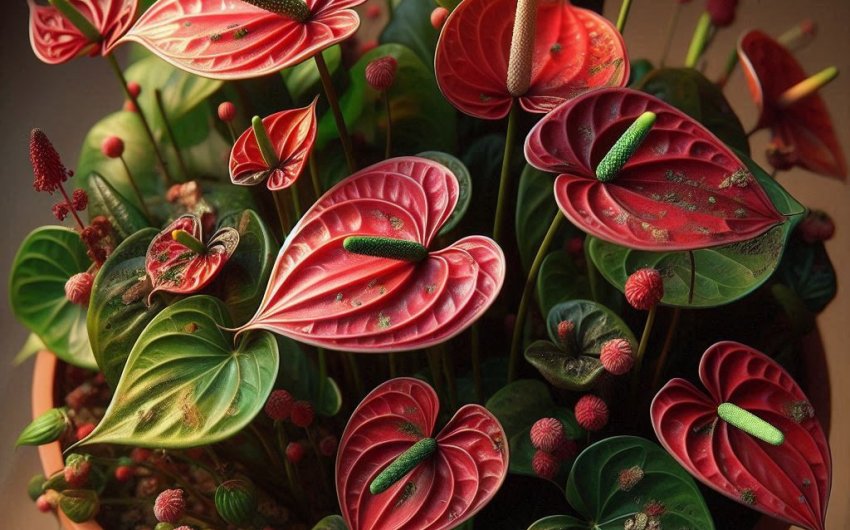
What Exactly Are Anthurium "Flowers" Anyway?
You bought an Anthurium because of its amazing, colorful "flowers," right? Those shiny, heart-shaped parts that come in red, pink, white, or even purple are super eye-catching. But here's a little secret: those aren't actually the true flowers!
The Colorful Spathe
The bright, waxy, heart-shaped part is called a spathe. Think of it as a fancy leaf that changed its color to attract attention. Its main job is to protect the real flowers.
The True Flower: The Spadix
The actual flowers are tiny bumps located on the long, stick-like structure that comes out of the spathe. This stick is called the spadix. It might be straight or curled, and it's covered in lots of tiny, often yellowish flowers.
So, when we talk about Anthurium flowers turning green, we're usually talking about the colorful spathe losing its bright color and becoming green. This is a common thing that happens, and often, it's totally normal!
Is It Normal for Anthurium Flowers to Turn Green?
Yes, absolutely! In many cases, a spathe turning green is a natural part of your Anthurium's life cycle. It's not usually a sign that you're doing something wrong. Think of it like a leaf changing color in the fall before it drops.
The Aging Process of a Spathe
When an Anthurium spathe first appears, it's usually small and green. As it grows and matures, it develops its beautiful, vibrant color – red, pink, white, etc. It stays this bright color for a long, long time, sometimes months! This is why Anthuriums are such popular houseplants; their "blooms" last so long.
However, nothing lasts forever. After a few months, the spathe will start to age. As it gets older, it begins to lose its vibrant pigment (color) and slowly reverts back to green. This greening is a sign that its job of attracting pollinators and protecting the spadix is mostly done. It's now starting to act more like a regular leaf, sometimes even helping the plant with photosynthesis (making food from light).
What About the Spadix?
As the spathe greens, the spadix (the stick) might also change. It might dry out, shrivel, or turn brown. This is also normal. The tiny flowers on the spadix have likely finished their blooming and pollinating phase.
So, if you see one or two of your oldest, biggest "flowers" starting to turn green, don't panic! It's most likely just Mother Nature doing her thing.
When Is Green Spathe a Sign of a Problem?
While greening can be normal, sometimes it happens too quickly, or to too many "flowers" at once. In these cases, it might signal that your Anthurium isn't perfectly happy. Let's look at common issues that can cause premature greening.
1. Lighting Issues
Anthuriums love bright, indirect light. Think of their natural habitat: growing under the canopy of larger trees in tropical rainforests. They get plenty of light, but it's filtered, not direct blazing sun.
Too Much Light (Direct Sun)
If your Anthurium is sitting in direct sunlight, especially through a window, it can cause problems.
- Symptoms: Besides greening spathes, you might see yellowing leaves, scorched brown spots on the leaves, or the plant might look generally stressed. The spathes might also look faded or less vibrant than they should be.
- Why it Happens: Direct sun is too intense for the delicate spathes and leaves. It can cause the plant to shut down its vibrant color production as a stress response, or even damage the cells that create the color.
- Solution: Move your plant! Place it in a spot where it gets bright, indirect light. An east-facing window is often perfect, as it gets gentle morning sun. A north-facing window also works. If you only have south or west-facing windows, move the plant a few feet back from the window, or use sheer curtains to filter the light. A light meter for plants can help you figure out if the light is just right.
Not Enough Light
Conversely, not enough light can also cause issues.
- Symptoms: If your plant isn't getting enough light, the spathes might not develop their full color in the first place, looking pale or staying greenish from the start. You might also notice fewer new "flowers" appearing, leggy growth (stems stretching out looking for light), and a general lack of vigor.
- Why it Happens: Plants need light to produce energy through photosynthesis. This energy is used for everything, including creating those beautiful colorful spathes. If there's not enough energy, the plant prioritizes basic survival over blooming and vibrant color.
- Solution: Move your plant to a brighter spot, still avoiding direct sun. If natural light isn't enough, consider using a grow light. A LED grow light for houseplants can provide the right spectrum of light without generating too much heat. Aim for 10-12 hours of grow light exposure per day.
2. Watering Woes
Anthuriums are particular about their water. Both too much and too little can lead to problems, including greening spathes.
Overwatering (Too Much Water)
This is one of the most common ways to accidentally harm an Anthurium.
- Symptoms: Besides greening spathes, you'll often see yellowing leaves (especially lower ones), soft or mushy stems, or the leaves might feel limp even though the soil is wet. The plant might look generally droopy. Root rot (roots turning brown and mushy) is a big risk.
- Why it Happens: Overwatering drowns the roots. Roots need oxygen to "breathe." When they sit in soggy soil, they can't get oxygen, and they start to rot. Damaged roots can't properly take up water and nutrients, which stresses the plant and can cause the spathes to fade or green.
- Solution:
- Check the Soil Before Watering: Always feel the top 1-2 inches of soil. If it's still damp, wait! Only water when the top layer feels mostly dry.
- Proper Drainage: Ensure your pot has drainage holes! This is critical. Never let your Anthurium sit in standing water. If your pot doesn't have holes, repot it. Use a pot with drainage holes.
- Well-Draining Potting Mix: Use a chunky, well-draining potting mix. A good mix for Anthuriums often includes orchid bark, perlite, and peat moss. An Anthurium potting mix is usually formulated for this.
- Adjust Watering Frequency: Water less often, especially in cooler months when the plant isn't actively growing.
- If Root Rot is Suspected: Gently unpot the plant, inspect the roots, and trim any mushy, black roots with clean scissors. Repot in fresh, dry potting mix.
Underwatering (Not Enough Water)
While less common than overwatering, letting your Anthurium get too dry can also stress it.
- Symptoms: Wilting leaves that might look dull or crispy at the edges. The spathes might look faded or green, and the plant might stop producing new "flowers." The soil will be bone dry.
- Why it Happens: If the plant doesn't get enough water, it can't transport nutrients, and its cells can't stay turgid (firm). This stress can cause the spathes to lose color and prematurely green or even shrivel.
- Solution: Water thoroughly when the top 1-2 inches of soil feel dry. Pour water until it drains out of the bottom of the pot. Discard any excess water from the saucer after about 30 minutes. Be consistent with your watering schedule, but always check the soil first.
3. Humidity Levels
Anthuriums are tropical plants. They come from places with high humidity. If your home is very dry, especially in winter when heaters are on, it can stress your plant.
- Symptoms: Brown leaf tips, curled leaves, and spathes that don't develop full color or green prematurely.
- Why it Happens: Low humidity makes the plant lose moisture through its leaves faster than its roots can take it up. This constant struggle leads to stress and can impact the color and health of the spathes.
- Solution: Increase humidity around your plant.
- Pebble Tray: Place your pot on a shallow tray filled with pebbles and a little water. Make sure the bottom of the pot is NOT sitting in the water. As the water evaporates, it creates a more humid microclimate around the plant. You can find a plant humidity tray.
- Humidifier: A small room humidifier placed nearby can significantly boost humidity levels. A room humidifier for plants is a great investment for tropical plants.
- Grouping Plants: Grouping plants together can slightly increase local humidity as they release moisture.
4. Nutrient Deficiencies or Excess
Just like us, plants need the right balance of food (nutrients) to stay healthy and vibrant.
Not Enough Fertilizer (Nutrient Deficiency)
If your plant isn't getting enough nutrients, it can't produce healthy leaves or vibrant spathes.
- Symptoms: Pale green leaves, slow growth, fewer new "flowers," and spathes that are small or don't develop their full color, appearing green or faded.
- Why it Happens: The plant simply doesn't have the building blocks it needs to create pigment and grow vigorously.
- Solution: Use a balanced liquid fertilizer specifically formulated for blooming houseplants or Anthuriums. Look for one with a higher phosphorus (P) number (the middle number in N-P-K) to encourage blooming. A liquid houseplant fertilizer for blooms works well.
- Dilute: Always dilute the fertilizer to half or quarter strength, especially for Anthuriums. They are sensitive to strong fertilizers.
- Frequency: Fertilize during the active growing season (spring and summer), usually every 2-4 weeks. Reduce or stop fertilizing in fall and winter.
Too Much Fertilizer (Nutrient Excess / Salt Buildup)
This is more common than deficiency and can be very damaging.
- Symptoms: Browning or crispy leaf tips (often called "fertilizer burn"), stunted growth, and spathes that green prematurely or look sickly. A white crust on the soil surface is a sign of salt buildup.
- Why it Happens: Too much fertilizer leads to a buildup of salts in the soil. These salts can burn the roots and prevent the plant from absorbing water and nutrients properly, even if they are present.
- Solution:
- Flush the Soil: Every few months, thoroughly water your plant from the top with plain, room temperature water. Let the water run out of the drainage holes for several minutes. This helps wash away excess salts.
- Dilute Fertilizer: Always err on the side of caution and use a more diluted solution.
- Reduce Frequency: If you're fertilizing very often, cut back.
5. Temperature Fluctuations
Anthuriums are tropical and prefer stable, warm temperatures.
- Ideal Range: 65-80°F (18-27°C).
- Symptoms of Stress: Sudden temperature drops or drafts can shock the plant, leading to yellowing, drooping, or premature greening of spathes. Leaves might also turn yellow or brown.
- Why it Happens: Plants are sensitive to their environment. Extreme temperature changes put stress on their systems, impacting their ability to function normally, including producing and maintaining colorful spathes.
- Solution: Keep your Anthurium away from drafty windows, air conditioning vents, heating vents, or open doors in cold weather. Find a spot with consistent warmth.
6. Pests and Diseases
While less common to directly cause greening spathes, severe pest infestations or diseases can stress the plant enough to affect its "blooms."
Common Pests
- Spider Mites: Tiny pests that create fine webbing on the undersides of leaves.
- Mealybugs: Small, white, cottony masses found in leaf axils.
- Aphids: Small green or black bugs often found on new growth.
Symptoms of Infestation: Stippling (tiny dots) on leaves, stickiness (from honeydew), deformed growth, or visible pests. A stressed plant from pests may show general decline, including poor spathe development or premature greening.
Solution: Inspect your plant regularly. If you find pests, treat them.
- Wipe them off: For small infestations, wipe pests off with a cotton swab dipped in rubbing alcohol.
- Neem Oil: A natural insecticide, Neem oil spray for plants can be effective.
- Insecticidal Soap: Use an insecticidal soap for houseplants according to package directions.
Diseases
Anthuriums can get fungal or bacterial diseases, often related to overwatering or poor air circulation.
- Symptoms: Leaf spots, mushy stems, wilting. If the plant is diseased, it will be very stressed, and its "flowers" might suffer.
- Solution: Improve care conditions (especially watering and air circulation). Remove affected plant parts. In severe cases, a fungicide may be needed, but prevention is key.
7. Repotting Shock
Repotting can be a stressful event for any plant.
- Symptoms: After repotting, your plant might show signs of stress, including temporary wilting, yellowing leaves, or spathes that green prematurely or don't develop properly.
- Why it Happens: The roots are disturbed, and the plant needs time to adjust to its new environment.
- Solution:
- Repot Only When Necessary: Repot your Anthurium only when it's truly root-bound (roots are circling the pot, or growing out of drainage holes), usually every 2-3 years.
- Use the Right Potting Mix: As mentioned, a chunky, well-draining mix is crucial.
- Gentle Handling: Be gentle with the roots during repotting.
- Give it Time: After repotting, place the plant in a stable environment with good humidity and indirect light. Avoid fertilizing for a month or so to let it recover.
How to Encourage Vibrant Anthurium Blooms
Now that you know why your Anthurium flowers might be turning green, let's talk about how to keep those colorful spathes vibrant and encourage more of them!
1. Provide Optimal Light
This is number one for consistent, colorful blooms.
- Bright, Indirect Light: This means near a window, but where direct sun rays don't hit the leaves, especially afternoon sun.
- Filtered Light: Sheer curtains or placing the plant a few feet back from a sunny window works.
- Grow Lights: If your natural light is insufficient, an indoor plant grow light can make a huge difference.
2. Master Your Watering Schedule
- Check Before You Water: Stick your finger into the soil. Only water when the top 1-2 inches are dry.
- Thorough Watering: Water until it drains from the bottom.
- No Soggy Feet: Never let the pot sit in standing water. Discard excess from the saucer.
- Proper Potting Mix and Drainage: Use a chunky, well-draining potting mix and a pot with drainage holes.
3. Maintain High Humidity
- Pebble Trays: A pebble tray for plants is an easy way to boost local humidity.
- Humidifier: Best for overall humidity, especially if you have other tropical plants.
- Avoid Misting: While often suggested, misting usually only provides a very temporary humidity boost and can sometimes lead to leaf spot issues if water sits on the leaves. Focus on more consistent methods.
4. Feed Your Plant Properly
- African Violet/Blooming Plant Fertilizer: Use a diluted liquid fertilizer with a good phosphorus content. A liquid fertilizer for flowering plants can work.
- Dilute, Dilute, Dilute: Half or quarter strength is usually best.
- Seasonal Fertilizing: Fertilize during spring and summer (growing season). Reduce or stop in fall and winter.
- Flush the Soil: Remember to flush the soil every 2-3 months to prevent salt buildup.
5. Stable Temperatures
- Avoid Extremes: Keep your Anthurium in a spot with stable temperatures, away from drafts or direct heat sources.
- Ideal Range: 65-80°F (18-27°C) is perfect.
6. Pruning and Grooming
- Remove Spent Spathes: Once a spathe has fully turned green and the spadix is dry or shriveled, you can prune it. Use clean, sharp scissors or pruners. Cut the stem of the spathe close to the base of the plant. This directs the plant's energy into producing new "flowers" rather than maintaining old ones.
- Remove Yellow/Damaged Leaves: Also, trim any yellow, brown, or damaged leaves.
- Clean Leaves: Gently wipe dusty leaves with a damp cloth to help the plant photosynthesize more efficiently.
7. Repot When Necessary
- Root Bound Check: Check for roots circling the pot or growing out of drainage holes.
- Fresh Soil: When you do repot (every 2-3 years, or when root-bound), use fresh, well-draining potting mix.
- Don't Go Too Big: Only go up one pot size. A pot that's too large holds too much moisture, which can lead to overwatering problems. For example, if your plant is in a 6-inch pot, move it to an 8-inch pot.
8. Patience is a Virtue
Sometimes, even with perfect care, plants just need time. Anthuriums are relatively slow growers, and their "blooms" last for months. If one turns green, it just might be its time. Focus on consistent care, and new, vibrant spathes will emerge!
By understanding the normal life cycle of an Anthurium spathe and addressing potential environmental stressors, you can help your plant thrive and keep those beautiful, vibrant "flowers" coming!