
How do I water an African violet from the bottom?
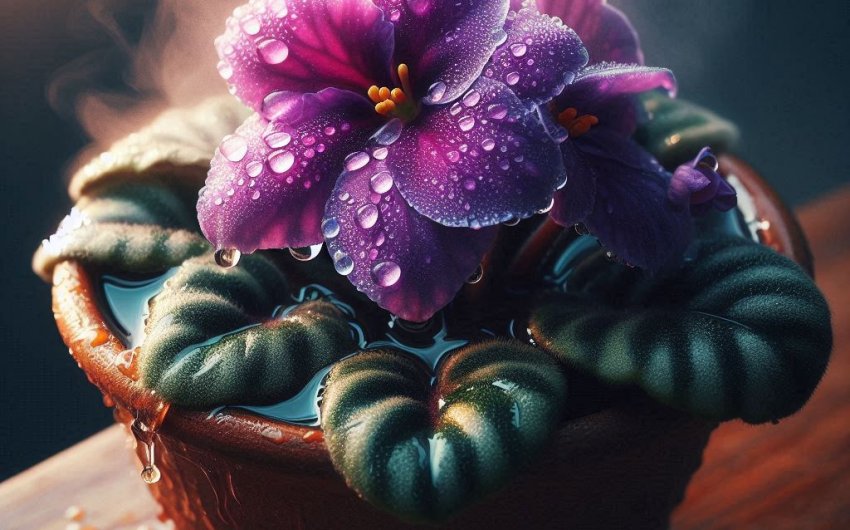
You've got an African violet, and it's beautiful! But have you ever wondered how to keep it looking its best? One of the biggest secrets to a happy, healthy African violet is how you water it. Forget the old way of pouring water on top. We're going to talk all about bottom-watering.
What's Wrong with Top-Watering?
When you water an African violet from the top, a few problems can pop up. First, water can get on the leaves. African violet leaves don't like getting wet. It can cause ugly spots or even lead to fungal diseases like powdery mildew. This looks like white, dusty patches on the leaves and can really hurt your plant.
Second, top-watering can compact the soil. Over time, the soil gets squished down, making it harder for air to reach the roots. Roots need air to breathe and stay healthy. When the soil is too dense, the roots can't get enough oxygen, and that's bad news for your plant.
Third, it's hard to tell if you've watered enough when you pour water from the top. The water might just run straight through, leaving some of the soil dry. This means your plant isn't getting all the moisture it needs.
What are the Benefits of Bottom-Watering?
Bottom-watering solves all these problems and more! It's like giving your plant a drink from a straw.
- Keeps Leaves Dry: No water touches the leaves, so no spots or diseases from moisture. This is super important for those fuzzy leaves.
- Encourages Strong Roots: When the plant draws water up from the bottom, the roots grow downwards, seeking out that moisture. This creates a strong, deep root system. Strong roots mean a strong plant!
- Even Moisture Distribution: The soil absorbs water slowly and evenly. This means the entire root ball gets watered, not just the top or the edges. Your plant gets exactly what it needs.
- Reduces Fungus Gnats: These annoying little flies love damp topsoil. Since bottom-watering keeps the top layer of soil drier, you're much less likely to have a fungus gnat problem.
- Flushes Out Salts: Over time, salts from fertilizers can build up in the soil. While bottom-watering is great, it's also a good idea to occasionally flush the soil by top-watering thoroughly every few months. More on this later.
How Do I Prepare for Bottom-Watering?
Getting ready for bottom-watering is super easy. You don't need a lot of fancy tools.
What Supplies Do I Need?
You probably already have most of these things around your house:
- Your African Violet: Of course!
- A Container for Water: This could be a saucer, a bowl, a deep tray, or even a sink. Just make sure it's big enough to hold the pot and some water.
- Water: Room temperature is best. We'll talk more about what kind of water in a moment.
- (Optional) A Watering Can: A small watering can with a long spout, like the Bonsai Watering Can, can make it easier to pour water into your chosen container without making a mess.
What Kind of Water Should I Use?
This is important! African violets can be a little picky about their water.
- Room Temperature Water: Never use cold water straight from the tap. It can shock your plant's roots. Let your water sit out for a few hours, or even overnight, to reach room temperature.
- Tap Water: Most tap water is fine. However, if your tap water is very hard (meaning it has a lot of minerals) or heavily chlorinated, it might not be the best.
- Filtered Water: If you have a water filter, using filtered water is a great option. It removes chlorine and other impurities. You can find pitcher filters like the Brita Standard Everyday Water Filter Pitcher that work well.
- Rainwater: African violets love rainwater! If you can collect it, it's one of the best choices.
- Distilled Water: This is also a good choice, but it lacks minerals. If you use distilled water regularly, you might want to add a very diluted fertilizer more often to ensure your plant gets all its nutrients.
Avoid Softened Water: If you have a home water softener, do NOT use that water for your African violets. Softened water often contains salts that can harm your plants.
What Type of Pot is Best for Bottom-Watering?
The pot your African violet lives in makes a big difference for bottom-watering.
- Pots with Drainage Holes: This is non-negotiable! For bottom-watering to work, your pot must have holes in the bottom. This is how the water gets into the soil. A Terracotta Pot with Drainage Hole is a classic choice.
- Porous Materials (like Terracotta): Terracotta pots are great because they "breathe." They allow air and moisture to move through their sides, which helps prevent overwatering. However, they also dry out faster, so you might need to water more often.
- Plastic Pots: These work perfectly fine for bottom-watering too. They hold moisture longer than terracotta, so you might water less often.
- Self-Watering Pots: These are designed specifically for bottom-watering! They have a reservoir at the bottom that holds water, and a wick or a special design allows the plant to draw up water as needed. They are super convenient if you travel a lot or forget to water. An example is the Self-Watering African Violet Pot.
How Do I Actually Bottom-Water My African Violet?
Alright, let's get to the main event! Bottom-watering is simple once you get the hang of it.
Step-by-Step Bottom-Watering Process
Follow these easy steps for a perfectly watered African violet:
Check if Your Plant Needs Water: This is the first and most important step! Don't just water on a schedule. Feel the soil. Stick your finger about an inch or two into the soil. If it feels dry, it's time to water. Another sign is if the pot feels very light when you lift it, or if the leaves start to look a little dull.
- Pro Tip: If you're unsure, it's better to wait a day than to overwater. African violets prefer to be slightly dry than soggy.
Find Your Water Container: Grab your saucer, bowl, or tray. Make sure it's clean.
Pour Room Temperature Water: Fill the container with about 1 to 2 inches of room temperature water. You don't need a lot of water; the plant will only absorb what it needs.
Place the Potted Plant in Water: Gently place your African violet pot directly into the water. Make sure the bottom of the pot is sitting in the water. The drainage holes will allow the water to be absorbed into the soil.
Let it Soak: Now, here's the waiting game. Let your plant sit in the water for about 20 to 30 minutes. You might even see the top of the soil looking damp as it absorbs the water.
- How do I know when it's done soaking? The best way to tell is by feeling the soil. Once the top of the soil feels moist to the touch, your plant has had enough to drink. If you're using a lighter pot like plastic, you'll also notice the pot feels heavier.
Remove and Drain: Once the soil is evenly moist, lift the pot out of the water. Let any excess water drain out of the drainage holes for a few minutes. You can place it on a wire rack or even just hold it over the sink. This step is crucial! You don't want your plant sitting in standing water for too long, as it can lead to root rot.
Return to its Spot: Place your happy, hydrated African violet back in its usual spot.
How Often Should I Bottom-Water?
There's no single answer to "how often?" It depends on a few things:
- Temperature and Humidity: In warmer, drier homes, your plant will dry out faster and need water more often. In cooler, more humid environments, it will need less frequent watering.
- Pot Material: As mentioned, terracotta pots dry out faster than plastic pots.
- Size of the Plant/Pot: Larger plants in larger pots hold more water and might need watering less often than small plants in tiny pots.
- Time of Year: Plants often need more water during their active growing seasons (spring and summer) and less when they are resting (winter).
General Rule of Thumb: Check your plant every 3-7 days. Water only when the top inch or two of soil feels dry. It's much better to underwater slightly than to overwater. Overwatering is the number one killer of African violets!
What About Fertilizing When Bottom-Watering?
Fertilizing is important for happy, blooming African violets. When you're bottom-watering, there's a good way to do it.
How to Fertilize with Bottom-Watering
You can add liquid fertilizer directly to the water you use for bottom-watering.
- Choose the Right Fertilizer: Use a fertilizer specifically made for African violets, or a general houseplant fertilizer with a balanced N-P-K ratio (like 10-10-10 or 20-20-20), but diluted. An example is African Violet Liquid Plant Food.
- Dilute Properly: This is super important. African violets are sensitive to too much fertilizer. Always dilute the fertilizer to half or even quarter strength of what the bottle recommends for general houseplants. If it says one capful per gallon, use half a capful for African violets. "Weakly, weekly" is a good motto for African violet fertilizing.
- Mix with Water: Add the diluted fertilizer to your room temperature water in the container. Stir it gently.
- Bottom-Water as Usual: Place your African violet pot in the fertilized water and let it soak up for 20-30 minutes, just like you would with plain water.
- Frequency: During the active growing season (spring and summer), you can fertilize almost every time you water, but make sure it's very diluted. In fall and winter, when growth slows, reduce fertilizing to every other watering or even less.
Why Do I Need to Flush the Soil?
Even with bottom-watering and diluted fertilizer, salts can still build up in the soil over time. This is especially true if you use tap water. Too much salt can "burn" the roots and make your plant unhealthy.
- How to Flush: Every 2-3 months, instead of bottom-watering, water your African violet from the top. Use plain, room temperature water (no fertilizer this time!). Pour water slowly over the top of the soil until it drains out of the bottom holes. Let a good amount of water flush through the pot. This will wash away any built-up salts.
- Important: Make sure no water sits in the crown of the plant or on the leaves when flushing. You can use a small bulb syringe or paper towel to gently wick away any water from the center.
What Are Common Mistakes to Avoid When Bottom-Watering?
Even with the best intentions, mistakes can happen. Here are some common pitfalls and how to avoid them.
Overwatering (Yes, Even with Bottom-Watering!)
While bottom-watering helps prevent root rot from standing water, it's still possible to overwater.
- Watering Too Often: The most common mistake. Don't water on a strict schedule. Always check the soil moisture first! If the soil is still damp, wait.
- Leaving Plant in Water Too Long: Don't let your plant sit in the water bath for hours or overnight. Once the top of the soil is moist, it's had enough. Prolonged soaking can still lead to soggy conditions.
- Not Draining Excess Water: After removing the plant from the water, make sure any excess water drips out. Don't immediately put it back into a decorative saucer where water might pool around the bottom of the pot. A plant pot drip tray can help catch the extra.
Using Cold Water
As mentioned before, cold water can shock your African violet's root system. Always use room temperature water.
Forgetting to Flush the Soil
Skipping the occasional top-watering and flushing can lead to salt buildup, which can harm your plant over time. Make it a routine to flush every couple of months.
Improper Lighting
Watering correctly is only one part of the puzzle. African violets also need the right light. Too much direct sun will burn their leaves, and too little light will prevent them from blooming. They prefer bright, indirect light. A north or east-facing window is often ideal. If you don't have enough natural light, consider a grow light for African violets.
Incorrect Potting Mix
African violets need a light, airy, well-draining potting mix. Regular garden soil or heavy potting mixes will hold too much water and can lead to root rot. Look for a specific African violet potting mix or make your own by mixing peat moss, perlite, and vermiculite.
What if My African Violet is Already Sick?
If your African violet is looking a little sad, bottom-watering can be part of its recovery, but you might need to address other issues too.
Signs of Overwatering
- Yellowing Leaves: Especially the lower leaves.
- Mushy Stems or Crown: This is a serious sign of root rot. The stem might feel soft and squishy at the soil line.
- Wilting: Even though it's overwatered, the roots are damaged and can't absorb water, making the plant look thirsty.
- Foul Smell: A decaying, musty smell from the soil can indicate rot.
What to Do: If you suspect overwatering, stop watering immediately. Let the soil dry out completely. If the problem is severe, you might need to repot the plant in fresh, dry African violet potting mix, carefully removing any rotted roots.
Signs of Underwatering
- Dull, Limp Leaves: The leaves lose their turgor (firmness) and look droopy.
- Crispy Edges: The leaf edges might become dry and brown.
- Very Light Pot: When you lift the pot, it feels almost weightless.
What to Do: If your plant is underwatered, simply give it a good bottom-watering soak. It should perk up within a few hours. Regular checks of soil moisture will prevent this in the future.
Pests and Diseases
Even with perfect watering, sometimes other issues arise.
- Powdery Mildew: White, dusty spots on leaves. Caused by high humidity and poor air circulation. Increase air circulation and reduce humidity. A fungicide spray formulated for houseplants can help.
- Mealybugs: Small, white, cottony pests that cluster in leaf axils (where leaves meet the stem). You can dab them with a Q-tip dipped in rubbing alcohol. For larger infestations, use a systemic insecticide safe for African violets, like Bonide Systemic Houseplant Insect Control.
- Fungus Gnats: Small black flies hovering around the soil. They are usually harmless to the plant but annoying. Bottom-watering helps a lot because it keeps the topsoil dry, which is where they lay their eggs. You can also use sticky traps like Yellow Sticky Traps for Fungus Gnats to catch adults.
Rejuvenating a Struggling Plant
If your African violet is really struggling, here are some steps:
- Assess the Roots: Gently unpot the plant and examine the roots. Healthy roots are white and firm. Trim away any brown, mushy, or stringy roots with clean scissors.
- Repot: Repot into fresh, sterile African violet potting mix in a clean pot of the same size or slightly smaller if many roots were removed.
- Water Carefully: Begin bottom-watering again, but be extra vigilant about letting the soil dry out slightly between waterings.
- Provide Ideal Conditions: Ensure it has bright, indirect light, good air circulation, and stable temperatures (around 65-75°F or 18-24°C).
Advanced Bottom-Watering Techniques
Once you're comfortable with the basics, you might explore some other options, especially if you have many African violets or want more convenience.
Wick Watering
Wick watering is a continuous form of bottom-watering. It's very popular among African violet enthusiasts.
- How it Works: A synthetic wick (like a piece of nylon stocking or acrylic yarn) is threaded through the drainage hole of the pot and into the soil. The other end of the wick sits in a reservoir of water (often a container like a yogurt cup or a specialized wick-watering pot). The plant continuously draws up water through the wick as it needs it.
- Benefits: Provides consistent moisture, reduces watering frequency, and ensures the plant never gets too dry. Great for busy people or collectors.
- Setup: Requires a bit of setup. You need to pot your African violet with a wick in place.
- Important Note: Even with wick watering, you still need to flush the soil from the top every 1-2 months to prevent salt buildup, as the salts won't get flushed out by the wick.
Self-Watering Pots (Reservoir Pots)
These pots are designed with a built-in water reservoir at the bottom and a tray or wick system that allows the soil to absorb water as needed.
- Types: Some have a tray that the inner pot sits on, letting water absorb through the bottom holes. Others use a wick system.
- Convenience: Similar to wick watering, they offer great convenience and consistent moisture.
- Maintenance: Just keep the reservoir filled. Again, occasional top-flushing is recommended. You can find many options for self-watering planters for African violets.
Maintaining a Happy African Violet Beyond Watering
While bottom-watering is a game-changer, remember that overall plant care contributes to a thriving African violet.
Light Requirements
African violets need bright, indirect light. Think of the light near a window but not direct sun hitting the leaves. Too much direct sun can scorch the leaves, leaving brown spots. Too little light will result in leggy growth and no blooms. If your plant isn't blooming, lack of light is often the culprit.
Humidity
African violets love humidity. They are native to humid environments. If your home is dry, especially in winter, consider:
- Pebble Trays: Place your potted plant on a tray filled with pebbles and water. Make sure the bottom of the pot is not sitting directly in the water. As the water evaporates, it creates humidity around the plant. You can get a simple humidity tray for plants.
- Humidifier: A small room humidifier can also do wonders, especially if you have multiple plants that love humidity. A small room humidifier can benefit both your plants and you.
Temperature
Keep your African violet in a stable environment with temperatures between 65°F and 75°F (18°C-24°C). Avoid cold drafts or sudden temperature changes.
Air Circulation
Good air circulation helps prevent fungal diseases like powdery mildew. However, avoid placing your plant directly in the path of a strong fan or air vent. Gentle airflow is key.
Grooming
- Remove Dead Leaves/Blooms: Pinch off any yellowing, damaged, or spent leaves and flowers. This directs the plant's energy to new growth and blooms.
- Dust Leaves: Use a soft brush or a very gentle, dry cloth to remove dust from the fuzzy leaves. Do not use water! Dust can block light and hinder photosynthesis.
By mastering bottom-watering and combining it with these other care tips, you'll be well on your way to enjoying a beautiful, blooming African violet for years to come. Your plant will thank you with vibrant flowers and healthy foliage!