
Why are my orchid buds falling off before blooming?
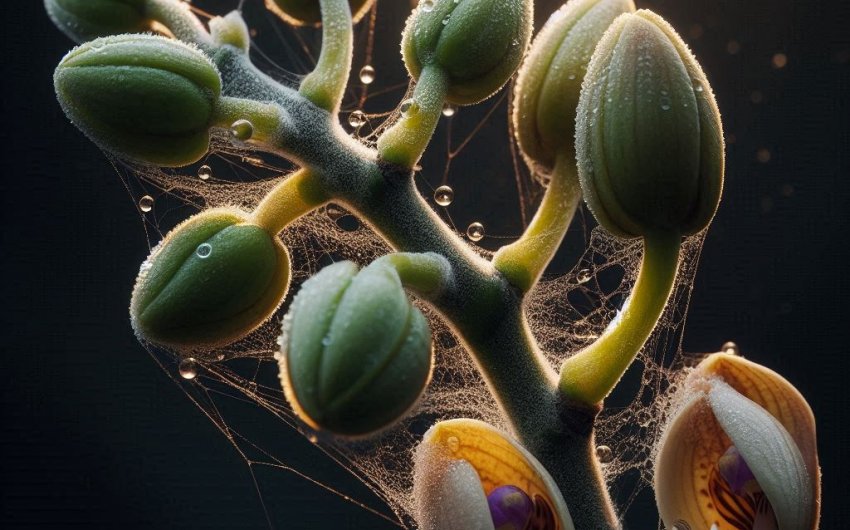
You've successfully coaxed your Phalaenopsis orchid to grow a beautiful flower spike, and you're eagerly awaiting the stunning blooms. The buds are plump and promising, a sign of imminent beauty. Then, to your dismay, one by one, they start to turn yellow, shrivel, and drop off – sometimes even before they've had a chance to open. This frustrating phenomenon is known as bud blast, and it's a common, albeit disheartening, problem for orchid enthusiasts.
Bud blast can feel like a mystery, but it's almost always a symptom of environmental stress. Your orchid is telling you something isn't quite right, and it's sacrificing its energy on the buds to save itself. Understanding the various causes of bud blast and how to fix them is key to enjoying those magnificent orchid flowers. This comprehensive guide will explore the top reasons why your orchid buds are falling off and provide actionable steps to prevent it, ensuring your next orchid display is a resounding success.
What is Orchid Bud Blast?
Orchid bud blast refers to the premature dropping or shriveling of flower buds before they have a chance to open. The buds might turn yellow, brown, or black, become soft or crispy, and then fall off the spike. This can happen to just a few buds, or the entire spike might blast, leaving you with no flowers at all.
It's important to know that bud blast is not a disease or a pest problem (though pests can contribute to stress). It's a physiological response to stress. When an orchid is stressed, it prioritizes its survival. Developing and opening flowers takes a lot of energy, so if the plant isn't feeling optimal, it will abort the buds to conserve its resources for essential functions like maintaining leaves and roots.
Understanding the potential stressors is the first step toward prevention.
Top Reasons Why Orchid Buds Fall Off
Many factors can contribute to orchid bud blast. Most relate to sudden or prolonged changes in environmental conditions. Let's break down the most common culprits.
1. Sudden Temperature Changes or Extremes
Orchids, especially Phalaenopsis, are sensitive to their environment. Temperature is a major factor.
- Cold Drafts: Exposure to sudden blasts of cold air from open windows, doors, air conditioning vents, or even when bringing the plant home from a cold store can shock the buds. Buds are delicate and will quickly die from cold.
- Hot Drafts: Similarly, exposure to dry, hot air from heating vents, radiators, or fireplaces can dehydrate buds and cause them to shrivel.
- Temperature Extremes: Temperatures below 55°F (13°C) or above 85°F (29°C) can cause stress. While they need a cool nighttime drop to initiate a spike, once buds are forming, drastic drops can be detrimental.
- Bringing Home from Store: This is a very common cause of bud blast in newly purchased orchids. The journey from a humid greenhouse to a drier, cooler/warmer home, along with jostling, is a significant shock. It's often impossible to prevent some bud blast in newly acquired plants.
Solution:
- Stable Environment: Maintain a consistent temperature range (day: 68-80°F / 20-27°C; night: 60-65°F / 16-18°C) once buds appear.
- Avoid Vents/Doors: Keep orchids away from direct drafts from heating/cooling vents, open windows, or frequently used doors.
- Acclimation: When bringing a new orchid home, try to acclimate it gradually if possible, but often just providing the best conditions right away is all you can do. Expect some stress in new plants.
2. Low Humidity
Orchids are tropical plants and thrive in high humidity (ideally 50-70%). Most homes, especially in winter with heating systems on, have much lower humidity (often below 30%).
- Dehydration: Low humidity causes rapid evaporation from the buds, leading to dehydration and shriveling. Think of how a cut flower wilts quickly in dry air.
- Sensitive Bud Stage: Buds are particularly vulnerable to low humidity just before they open.
Solution:
- Increase Humidity:
- Pebble Tray: Place the orchid pot on a tray filled with pebbles and water. Ensure the pot sits above the water, not in it. As the water evaporates, it creates a more humid microclimate around the plant. You can find humidity trays for plants.
- Room Humidifier: For very dry homes, a room humidifier plant humidifier near your orchids can significantly boost ambient humidity.
- Grouping Plants: Grouping orchids and other humidity-loving plants together helps create a more humid microclimate.
- Avoid Misting Buds: While misting leaves can help humidity, avoid misting buds directly, as water sitting on them can lead to fungal issues.
3. Underwatering or Inconsistent Watering
While overwatering is an orchid's biggest killer, underwatering can also cause bud blast.
- Dehydration: If the plant isn't getting enough water, it can't supply enough moisture to the developing buds, causing them to dry out and drop.
- Inconsistent Watering: Going from very dry to very wet, or irregular watering, can stress the plant's delicate root system, impacting its ability to absorb water steadily.
Solution:
- Consistent "Soak and Dry" Method: Water thoroughly when the potting mix is nearly dry, and then allow it to drain completely. Check the moisture by lifting the pot (it feels light when dry) or by checking the color of roots in clear pots (silvery-white when dry).
- Do Not Let Roots Dry Out Completely for Extended Periods: While orchids like to dry out, prolonged dryness will stress them.
- Adjust for Bud Stage: Once buds appear, the plant is in a critical energy-intensive phase. Ensure consistent moisture during this time, avoiding extremes.
4. Overwatering (Leading to Root Rot)
Paradoxically, overwatering can also cause bud blast, even though it seems like it would provide too much water.
- Root Suffocation: Overwatering leads to persistently soggy potting mix, which starves the roots of oxygen.
- Root Rot: This lack of oxygen, coupled with excessive moisture, creates a perfect breeding ground for root rot fungi and bacteria. Rotted roots cannot absorb water and nutrients, even if water is present.
- Dehydration from Rot: Essentially, the plant becomes dehydrated because its roots are dead or dying and can't function, leading to bud blast and eventually plant decline.
Solution:
- Perfect Drainage: Always use a well-draining orchid potting mix (typically bark-based) and a pot with ample drainage holes. Never let an orchid sit in standing water.
- Proper Watering: Follow the "soak and dry" method strictly. Only water when the mix is nearly dry.
- Inspect Roots: If you suspect root rot (mushy, brown, or black roots, leaves yellowing or limp despite watering), repot the orchid into fresh mix, prune all rotted roots with sterilized shears, and allow the plant to "air dry" for a few days before its first watering in new mix.
5. Low Light or Sudden Light Changes
Light is the energy source for orchids.
- Insufficient Light: If the orchid doesn't get enough bright, indirect light, it won't have enough energy to develop and open its buds. It will abort them to conserve resources.
- Sudden Light Changes: Moving an orchid from a lower light area to a much brighter one (especially direct sun) too quickly can shock the buds. Conversely, moving it from bright light to very low light during bud development can also cause stress.
Solution:
- Consistent Bright, Indirect Light: Provide consistent bright, indirect light. An east-facing window is often ideal. A south or west-facing window works if filtered by sheer curtains.
- Avoid Direct Sun: Direct, hot sun will scorch buds and leaves.
- Acclimate Gradually: If you need to move your orchid to a significantly different light condition, do so gradually over several days.
- Supplement with Grow Lights: If natural light is insufficient, especially in winter, consider using LED grow lights LED grow lights for orchids for 12-16 hours a day.
6. Pests on the Flower Spike or Buds
While not the most common cause of bud blast, certain pests can directly damage buds or stress the plant enough to cause them to drop.
- Mealybugs: Tiny, white, cottony insects often found in leaf axils or on flower spikes. They suck sap, weakening the plant and damaging buds.
- Spider Mites: Tiny, almost invisible mites that create fine webbing and cause a stippled appearance on leaves. A severe infestation stresses the plant significantly.
- Aphids: Small, soft-bodied insects that cluster on new growth and buds, sucking sap.
Solution:
- Inspect Regularly: Inspect your orchid regularly, especially the undersides of leaves and along the flower spike and buds, for any signs of pests.
- Treat Promptly: If you find pests, treat them immediately.
- Mealybugs/Aphids: Dab them with a cotton swab dipped in rubbing alcohol. For larger infestations, spray with an insecticidal soap insecticidal soap for plants or a horticultural oil (like Neem oil neem oil spray for plants).
- Spider Mites: Increase humidity, wipe leaves frequently, and use insecticidal soap or Neem oil.
7. Ethylene Gas Exposure
Ethylene gas is a natural plant hormone that promotes ripening in fruits and also causes flowers to age and drop.
- Sources: Common household sources of ethylene include:
- Ripening fruits (especially apples, bananas, tomatoes) placed too close to the orchid.
- Burning candles (especially scented ones).
- Cigarette smoke.
- Exhaust fumes from cars or gas appliances.
- Sensitivity: Orchid buds are particularly sensitive to ethylene gas.
Solution:
- Keep Away from Ripening Fruit: Do not place your orchid near a fruit bowl, especially one with ripening apples or bananas.
- Good Ventilation: Ensure good air circulation in the room.
- Avoid Smoke/Fumes: Do not smoke near your orchids. Ensure proper ventilation for gas appliances.
8. Over-Fertilizing or Nutrient Imbalance
While orchids need nutrients, too much fertilizer, or an imbalance, can cause stress.
- Salt Burn: Over-fertilizing can lead to a buildup of mineral salts in the potting mix, which can burn the delicate roots and prevent water absorption, leading to bud blast.
- Nutrient Imbalance: A significant lack of a particular nutrient (though less common in commercial orchid fertilizers) could also stress the plant.
Solution:
- Dilute Fertilizer: Always dilute your orchid fertilizer orchid fertilizer to 1/4 or 1/2 strength.
- Flush Regularly: Every 3rd or 4th watering, use plain water without fertilizer to flush out any accumulated salts from the potting mix.
- Fertilize "Weakly, Weekly": Stick to the recommended "weakly, weekly" during active growth and reduce/stop during dormancy.
9. Old or Degraded Potting Mix
Over time, orchid potting mix (especially bark) breaks down.
- Compaction: As the bark decomposes, it turns into fine, soggy particles that compact around the roots.
- Poor Aeration/Drainage: This eliminates crucial air pockets and leads to poor drainage, essentially suffocating the roots. This then causes the same problems as overwatering (root rot and dehydration).
Solution:
- Repot Regularly: Repot your Phalaenopsis every 1-2 years, or sooner if the mix looks degraded or smells sour. Use fresh orchid potting mix orchid potting mix.
- Proper Repotting Technique: Always gently remove old mix, prune dead roots, and don't water for a few days after repotting to allow any injured roots to heal.
10. Physical Damage
- Bumping/Jostling: Buds are extremely delicate. Accidental bumps, drops, or excessive handling of the plant can cause them to abort.
- Transportation: The physical stress of transportation is a common cause of bud blast for newly purchased orchids.
Solution:
- Handle with Care: Be very careful when moving or handling an orchid with developing buds.
- Secure Well: If transporting, ensure the plant is well-secured to minimize jostling.
What to Do When Buds are Blasting
Once an orchid bud has started to yellow, shrivel, or drop, it's generally too late to save that particular bud.
- Remove Affected Buds: Gently pinch off and discard any blasted buds. This helps the plant focus its energy on the remaining healthy buds (if any) or on recovering.
- Immediate Assessment: Do not delay! Immediately go through the list of potential causes above and assess your orchid's environment and care routine.
- Correct the Problem: Once you identify the likely culprit(s), implement the solutions immediately. It might save the remaining buds on the spike and, more importantly, ensure the long-term health and future reblooms of your orchid.
- Be Patient and Observe: After making changes, observe your orchid closely. It might take some time for the plant to recover from the stress. Focus on providing stable, optimal conditions.
Orchid bud blast is a frustrating experience, but it's a valuable learning opportunity. Your orchid is communicating its needs. By carefully observing your plant and its environment, and adjusting your care routine to meet its specific requirements for stable temperatures, adequate humidity, proper watering, and sufficient light, you can prevent bud blast and enjoy a breathtaking display of beautiful, long-lasting orchid blooms. It's a testament to your growing skill as an orchid caretaker!