
Why Are My Fern Leaves Turning Crispy and Brown?
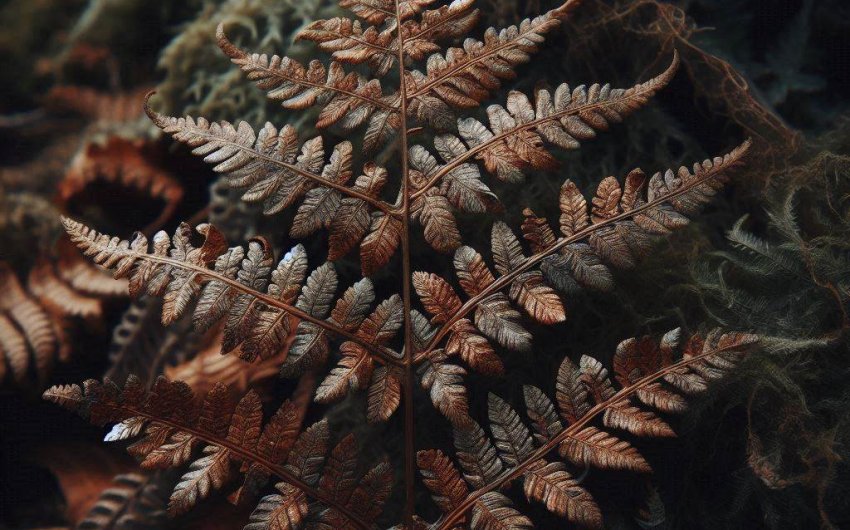
Fern plants are cherished for their graceful fronds and lush, green foliage. Yet, many plant lovers face a common problem: fern leaves turning crispy and brown. This blog explores the many reasons behind this issue and offers practical tips for restoring your fern’s health. In this guide, we will look at factors such as watering, humidity, light, nutrients, soil quality, pests, and environmental stress that may affect your fern care routine.
Understanding Fern Physiology and Care Needs
Ferns are ancient plants that thrive in shade and moisture. They have delicate leaves that depend on steady environmental conditions. When these conditions change, the fern leaves may become stressed, leading to the crispy and brown appearance. Knowing what your fern needs is the first step in solving this problem.
Ferns naturally grow in forests under a canopy of trees, where filtered light and high humidity prevail. In contrast, many indoor environments have lower humidity and variable light conditions. In addition, ferns have shallow root systems that are sensitive to watering practices. They require a balanced amount of water—not too much, not too little—to maintain healthy, vibrant leaves.
Watering Issues and Their Impact on Fern Leaves
One of the most common causes of crispy fern leaves is incorrect watering. Both overwatering and underwatering can cause significant damage to your fern.
Overwatering
When a fern is overwatered, the soil becomes soggy, and the roots may start to rot. Rotting roots cannot supply sufficient nutrients and water to the fern leaves, leading to their deterioration. Overwatering creates an environment where fungal infections can develop. Look for signs of root rot such as a mushy potting mix or a foul odor emanating from the pot.
- Use a watering can with a fine spout for gentle application.
- Ensure the pot has adequate drainage holes to allow excess water to escape.
- Consider using a moisture meter to check the soil’s dampness before adding more water.
Underwatering
Conversely, underwatering is another culprit. When ferns do not receive enough water, their leaves lose turgor pressure and become dry and crispy. Underwatered ferns may show brown tips and edges on their fronds. Signs include:
- Dry, brittle leaves
- Soil that pulls away from the pot walls
- A generally shriveled appearance of the plant
To correct underwatering:
- Water your fern thoroughly with a watering can until you see water draining out.
- Check the soil regularly with a moisture meter.
- Adjust your watering schedule according to the potting mix’s drainage and moisture retention properties.
Humidity: A Key Factor in Fern Health
Ferns love high humidity. In their natural habitat, they enjoy the moist air of tropical rainforests. Indoor environments, however, often have lower humidity, especially during winter when heating systems dry out the air.
Signs of Low Humidity
- Fern leaves develop crispy edges.
- Leaves may turn brown on the tips.
- The plant appears dehydrated despite regular watering.
Improving Humidity
To boost the humidity around your fern:
- Place a humidifier near your fern to increase moisture in the air.
- Set the fern on a pebble tray filled with water. Ensure the pot is not sitting directly in the water.
- Group ferns together. This creates a microenvironment with higher humidity.
- Mist your ferns regularly using a spray bottle with room-temperature water.
Light and Temperature Conditions
Light and temperature play a crucial role in maintaining the health of fern leaves. Ferns do best in indirect light. Direct sunlight can scorch the delicate fronds, causing crispy, brown spots.
Light Issues
Ferns need bright, filtered light to perform photosynthesis effectively. Too little light can weaken the plant, while too much direct sunlight can burn the leaves.
- Place your fern in a spot with filtered light, such as near a north or east-facing window.
- Use a sheer curtain to diffuse intense sunlight.
Temperature Considerations
Ferns are sensitive to temperature extremes. They prefer a consistent temperature between 60°F and 75°F. Sudden changes or drafts from air conditioners and heaters can stress the plant and lead to brown, crispy leaves.
- Keep your fern away from cold drafts or direct blasts of heated air.
- Ensure the room temperature remains stable, especially during seasonal changes.
Nutrient Deficiencies and Fertilization Issues
A lack of essential nutrients can also cause fern leaves to turn crispy and brown. Ferns need a balanced supply of nitrogen, phosphorus, and potassium for optimal growth.
Signs of Nutrient Deficiency
- Yellowing or browning of leaves
- Weak or stunted growth
- Pale, unhealthy foliage
Fertilizing Your Fern
Feed your fern with a diluted liquid fertilizer formulated for shade plants. Apply fertilizer once during the growing season, typically in spring and early summer.
- Avoid overfertilizing, as this can lead to salt buildup in the soil.
- Use a measuring cup to ensure you use the correct amount of fertilizer.
Soil Quality and Drainage
The soil in which your fern grows plays a vital role in its overall health. Ferns require a potting mix that drains well yet retains some moisture. Poor drainage or compacted soil can lead to root rot and ultimately, the death of fern leaves.
Improving Soil Conditions
- Use a succulent soil mix or a mix designed for ferns that contains peat moss, perlite, and pine bark.
- Repot your fern every couple of years to refresh the potting mix and give the roots room to grow.
- Ensure your pot has proper drainage. Adding gravel at the bottom can help improve water flow.
Pest and Disease Factors
Sometimes, the problem of crispy, brown fern leaves is not due to cultural care issues but rather to pests or diseases. Insects and pathogens can attack ferns and weaken them significantly.
Common Pests
These pests suck sap from the fern leaves, causing them to dry out and turn brown.
Dealing with Pests
- Inspect your fern regularly for any signs of infestation.
- Use a insecticidal soap or neem oil to treat infestations.
- Wipe the fern leaves gently with a soft cloth to remove any pests.
Fungal and Bacterial Infections
Fungal infections can also cause fern leaves to become crispy and brown. Overly wet conditions, coupled with poor air circulation, can create an environment where fungi thrive.
- Remove any affected leaves to prevent the spread of disease.
- Ensure that the fern is not overwatered.
- Increase air circulation by placing the fern in a more open area.
- Consider a fungicide if the problem persists.
Environmental Stress and Its Effects
Environmental stress is another major factor. Changes in temperature, exposure to drafts, or even the quality of indoor air can affect your fern. Stress can cause fern leaves to dry out, become crispy, and eventually turn brown.
Temperature Extremes
Ferns are sensitive to temperature. They do best in moderate conditions. Exposure to cold drafts or sudden temperature drops can damage their delicate leaves.
- Keep your fern in an area where the temperature remains between 60°F and 75°F.
- Avoid placing your fern near windows that open directly to the outside in the winter.
- Similarly, protect the plant from excessive heat by placing it away from radiators or heaters.
Air Quality
Poor indoor air quality can also stress ferns. Dust, pollutants, and low humidity can all take their toll on the fern leaves.
- Regularly dust the fern leaves with a soft brush or microfiber cloth.
- Improve air quality by using an air purifier if necessary.
Diagnosing the Problem: A Step-by-Step Approach
Before attempting to fix your fern, it is important to diagnose the issue correctly. Follow these steps to determine why your fern leaves are turning crispy and brown:
Step 1: Inspect the Leaves
Carefully examine the fern leaves. Look for:
- Crispy edges or brown spots.
- Patterns that might indicate sunburn or water stress.
- Signs of pest damage, such as small holes or a sticky residue.
Step 2: Check the Soil
Remove a small portion of the potting mix from near the roots.
- Use a soil testing kit to check moisture levels.
- Feel the soil; it should be damp but not waterlogged.
- Notice if the soil is compacted, which might prevent proper root growth.
Step 3: Evaluate Watering Practices
Reflect on your watering routine.
- Have you been overwatering or underwatering?
- Check if you have a watering can that helps you control the amount of water you deliver.
- Ensure that the pot provides good drainage.
Step 4: Assess Light Exposure
Consider the light conditions.
- Is the fern getting direct sunlight that might scorch its leaves?
- Or is it placed in a dim corner where it struggles to photosynthesize properly?
- Use a grow light if natural light is insufficient.
Step 5: Observe the Environment
Review other environmental factors:
- Temperature fluctuations near the fern.
- The overall humidity level in the room.
- Any sudden changes in the fern’s location or surroundings.
How to Fix Crispy and Brown Fern Leaves
After diagnosing the problem, you can take targeted actions to restore your fern’s health. Here are several solutions based on common issues:
Improving Watering Practices
Adjust your watering routine to match the needs of your fern. If overwatering has been an issue:
- Allow the soil to dry out a bit before the next watering.
- Use a moisture meter to check soil conditions.
- Consider switching to a self-watering pot to regulate water levels.
If underwatering is the problem:
- Water thoroughly, ensuring that water reaches all parts of the roots.
- Water in the morning to allow excess water to evaporate during the day, reducing the risk of fungal issues.
Boosting Humidity
To counteract low humidity, especially in dry indoor conditions:
- Use a humidifier in the room where your fern is located.
- Place your fern on a pebble tray with a shallow layer of water beneath the pot.
- Mist the fern leaves lightly with a spray bottle filled with room-temperature water.
Adjusting Light Conditions
Proper light exposure is vital. To fix issues caused by too much or too little light:
- If the fern is receiving too much direct sunlight, move it to a spot with filtered light or use a sheer curtain to diffuse the sunlight.
- For ferns that are too dim, relocate them to a brighter area, or install a grow light to provide additional light.
Enhancing Soil Quality and Drainage
Poor soil quality can be a hidden cause of crispy, brown fern leaves. To improve the soil:
- Repot your fern using a well-draining potting mix designed for ferns.
- Add perlite or pine bark to enhance drainage.
- Consider using a repotting tool to gently remove the fern from its old pot and inspect the roots for any signs of rot.
Providing Nutrients and Fertilization
Nutrient deficiencies can leave fern leaves looking brown and crispy. To supply the right nutrients:
- Use a balanced, diluted liquid fertilizer formulated for shade plants.
- Apply fertilizer only during the growing season, and follow the recommended dosage to avoid nutrient burn.
- A measuring cup can help ensure the correct amount of fertilizer is used.
Controlling Pests and Diseases
If pests or diseases are contributing to the problem:
- Treat your fern with a mild insecticidal soap to eliminate scale insects, aphids, or spider mites.
- For fungal issues, consider a fungicide that is safe for ferns.
- Regularly clean the fern leaves with a soft cloth to remove dust and potential pathogens.
Adjusting Environmental Conditions
Sometimes, the overall environment is to blame. Make sure your fern is not exposed to sudden temperature changes or drafts.
- Position your fern in a location where airflow is gentle.
- Use a room thermometer to monitor the ambient temperature.
- If necessary, move the plant to a more stable environment away from direct heating or cooling sources.
Practical Tips for Ongoing Fern Care
Regular maintenance is key to keeping your ferns healthy and preventing fern leaves from becoming crispy and brown. Here are some practical care tips:
Establish a Routine
- Watering Routine: Set a regular schedule using a watering can, and always check the soil moisture before watering.
- Humidity Checks: Monitor room humidity with a hygrometer to ensure levels stay in an optimal range.
- Light Management: Rotate your fern every few days so that all sides receive equal light exposure.
- Soil Monitoring: Repot ferns periodically using a fresh potting mix to prevent nutrient depletion.
Tools and Supplies for Fern Care
Maintaining a healthy fern is easier when you have the right tools on hand. Consider these essentials:
- Watering can
- Moisture meter
- Humidifier
- Grow light
- Liquid fertilizer
- Pruning shears
- Repotting tool
- Pot with drainage holes
- Peat moss and perlite for soil improvement
Regular Inspections
Make it a habit to inspect your ferns weekly. Look for:
- Changes in leaf color
- Signs of pest activity
- Consistency in soil moisture
Documenting these observations can help you adjust your care routine quickly if you spot any problems.
Seasonal Considerations for Fern Care
Ferns may react differently during various seasons. Seasonal changes can affect humidity, light, and temperature, all of which impact fern leaves.
Spring and Summer
- Increase watering frequency slightly as the weather warms.
- Ensure that light is not too intense during the peak hours; use a sheer curtain if needed.
- Fertilize lightly with a diluted liquid fertilizer.
Fall and Winter
- Reduce watering as the plant's growth slows.
- Monitor indoor humidity closely with a hygrometer.
- Keep the fern away from drafts and maintain a stable temperature.
Environmental Adjustments and Fern Recovery
Helping your fern recover from stress involves a holistic approach. Consider these additional adjustments:
- Air Circulation: Increase gentle airflow around your fern with a fan set on low to improve oxygen levels.
- Cleaning: Dust the fern leaves with a soft cloth or feather duster to help the plant photosynthesize efficiently.
- Monitoring Water Quality: Use distilled water if your tap water is hard, as high mineral content can sometimes stress sensitive plants.
- Repotting: If your fern has been in the same potting mix for a long time, repot it with fresh mix to renew nutrients and improve drainage.
Addressing Specific Causes of Crispy and Brown Fern Leaves
Each potential cause of crispy, brown fern leaves calls for a specific remedy. Let’s explore these in detail.
Cause: Excessive Direct Sunlight
Ferns are not meant for harsh, unfiltered sunlight. Direct exposure can cause leaf scorch, leading to brown spots and crispy textures.
- Remedy: Relocate your fern to a spot with filtered light. Use a sheer curtain to diffuse intense sunlight. If natural light is limited, add a grow light with adjustable settings.
Cause: Inconsistent Watering
Erratic watering leads to fluctuations in soil moisture. When the plant dries out too much, fern leaves become crispy.
- Remedy: Set a consistent watering schedule. Always check the soil moisture before adding water. Use a watering can with a gentle spout for even distribution.
Cause: Low Humidity
Indoor environments, especially in winter, often have low humidity levels that are not suitable for ferns.
- Remedy: Increase humidity around your fern with a humidifier or a pebble tray. Regular misting with a spray bottle is also beneficial.
Cause: Nutrient Imbalance
A deficiency in essential nutrients can manifest as brown, crispy spots on the fern leaves.
- Remedy: Feed your fern with a balanced, diluted liquid fertilizer during the growing season. Avoid overfertilizing, which may worsen the condition.
Cause: Fungal Infections
Fungal diseases flourish in overly moist, stagnant conditions and can damage the fern leaves.
- Remedy: Remove any infected leaves immediately. Improve air circulation and reduce watering frequency if necessary. Consider applying a mild fungicide formulated for ferns.
Cause: Pest Infestation
Pests like spider mites and scale insects can stress your fern, causing the leaves to dry out.
- Remedy: Regularly inspect your fern for signs of pests. Treat any infestations promptly using an insecticidal soap or neem oil.
Long-Term Maintenance for Healthy Fern Leaves
To keep your fern thriving and prevent future issues with crispy, brown leaves, adopt a long-term care plan. Consistent maintenance can transform your fern from a stressed plant to a vibrant, lush specimen.
Regular Care Practices
- Weekly Inspections: Check for any signs of stress, pest activity, or nutrient deficiencies.
- Consistent Watering: Follow a reliable watering schedule. Adjust based on seasonal changes.
- Humidity Control: Maintain optimal humidity with a humidifier or pebble tray.
- Light Adjustment: Ensure that your fern receives the right balance of indirect light. Rotate the plant periodically.
- Soil Refreshment: Every couple of years, repot your fern in fresh potting mix to renew nutrients and improve drainage.
- Fertilization: Use a light, balanced liquid fertilizer during the growing season.
Using Specialized Tools
Equip yourself with the right tools to support your fern care routine:
- Moisture meter
- Humidifier
- Pruning shears
- Spray bottle
- Grow light if natural light is insufficient
These tools not only help you diagnose problems early but also ensure that you can implement fixes quickly and effectively.
Adjusting Your Environment for Fern Recovery
When your fern leaves show signs of stress, small environmental adjustments can lead to remarkable recovery.
- Increase Airflow: Use a fan set on low near your fern to promote gentle air circulation.
- Control Temperature: Monitor room temperature with a room thermometer and keep it stable.
- Enhance Light Quality: If your fern is indoors, a grow light can provide supplemental light during the darker months.
- Maintain Consistent Watering: Stick to a watering routine that keeps the potting mix evenly moist, but never soggy.
Troubleshooting and Ongoing Adjustments
Even with the best care, you may need to troubleshoot issues as they arise. Regular observation and a willingness to adjust your care routine are key to maintaining healthy fern leaves.
Monitor Changes
- Keep a journal of your fern’s progress. Note any changes in leaf texture or color.
- Adjust watering and humidity levels based on seasonal variations.
- Watch for recurring signs of stress such as repeated crispy or brown edges on the leaves.
Experiment and Learn
Each fern is unique. What works for one may not work for another. Experiment with different positions, watering schedules, and fertilizer routines until you find the best fit for your specific plant.
- Try repositioning the fern if it continues to show signs of stress.
- Alter the watering frequency if you notice the soil is too dry or too wet.
- Use a pH test kit occasionally to check the soil’s acidity, as an imbalanced pH can affect nutrient uptake.
Integrating Fern Care into Your Home Environment
Good fern care goes beyond just tending to one plant. It involves creating an environment in your home that supports all your indoor plants.
- Place your fern in a part of your home that mimics its natural habitat—areas with filtered light, consistent humidity, and stable temperatures.
- Consider grouping multiple ferns or other shade-loving plants together. This not only boosts the local humidity but also creates a pleasing natural display.
- Ensure that your home’s air quality is good. Regularly clean your windows and dust the furniture to reduce airborne dust that can settle on your fern.
Monitoring and Maintaining Long-Term Health
The long-term health of your fern leaves depends on regular care and monitoring. Here are some practices to keep your fern in top shape over time:
- Routine Inspections: Set aside time each week to inspect your fern for any signs of stress or damage.
- Adjust Care Based on Season: Remember that your fern’s needs may change with the seasons. For example, during winter, your indoor humidity might drop, requiring more frequent misting.
- Keep Tools Ready: Maintain your collection of watering can, moisture meter, pruning shears, and grow light to promptly address any issues.
By following these detailed guidelines and making the necessary adjustments, you can help your fern recover from stress and prevent further damage. Paying close attention to factors like watering, humidity, light, soil quality, and nutrient balance will ensure that your fern leaves remain healthy, vibrant, and free from the crispy, brown condition that many gardeners face.
Regular care and thoughtful adjustments in your fern care routine will not only save your plant but also improve its overall appearance and resilience. Embrace these practices to nurture a thriving, green environment for your ferns and other indoor plants.
Maintain a balance in every aspect of fern care—from the quality of the potting mix to the amount of filtered light and moisture the plant receives. With patience and careful observation, your ferns will reward you with lush, green fronds that brighten up your living space.
Keep these strategies in mind and revisit them as needed. Over time, your expertise in fern care will grow, and you’ll be able to spot even subtle signs of distress before they become major issues.
Remember that every adjustment you make—whether it’s improving air circulation with a fan or repotting your fern into a new pot—contributes to a healthier, more resilient plant. Regularly check and fine-tune your care practices to suit the specific needs of your fern, and soon you will notice a remarkable improvement in its overall condition.
By understanding the reasons behind crispy and brown fern leaves and implementing the proper care routines, you can transform your indoor garden. Every element, from the humidity level to the light exposure, plays a critical role in your fern’s health.
Through consistent observation, careful adjustments, and the use of the right tools, you will be able to revive your fern and enjoy its beauty for many years to come. Explore different methods, experiment with various watering schedules, and don’t hesitate to try new care techniques to discover what works best for your particular fern.
Your journey toward better fern care is ongoing. Every step you take—from regular inspections to seasonal adjustments—adds up to a healthier plant that can thrive despite the challenges of indoor growing. Enjoy the process of learning and growing alongside your ferns, and soon you will see a transformation in the quality of your fern leaves.
Maintaining healthy, vibrant ferns is a rewarding endeavor that brings a touch of nature indoors. With these comprehensive tips and strategies, you have the guidance you need to tackle the problem of crispy, brown fern leaves head-on. Embrace each step as an opportunity to refine your plant care routine and create a nurturing environment for your indoor garden.
By paying attention to every detail—from the quality of the potting mix to the precise watering schedule, and the adjustment of humidity and light conditions—you set your ferns up for long-term success. With consistent care and attention, your fern will not only recover but flourish, displaying healthy, lush fronds that add beauty and vitality to your home.
Remember, every little improvement counts in the world of fern care. By staying informed and proactive, you can ensure that your ferns remain a vibrant part of your indoor garden, free from the issues that cause their leaves to turn crispy and brown.
Your dedication to understanding the needs of your ferns will pay off as you see new, healthy growth emerge. Continue to monitor and adjust your care practices, and your ferns will reward you with their natural beauty. Enjoy the process of nurturing these ancient plants and learning what they need to thrive in your environment.
This comprehensive approach to diagnosing and remedying the factors that lead to crispy, brown fern leaves should give you the tools and confidence to restore your fern’s lush appearance. With patience, observation, and the right adjustments, your indoor ferns can once again become a source of natural beauty and relaxation in your home.