
How to Fix Leggy Growth in Succulent Plants?
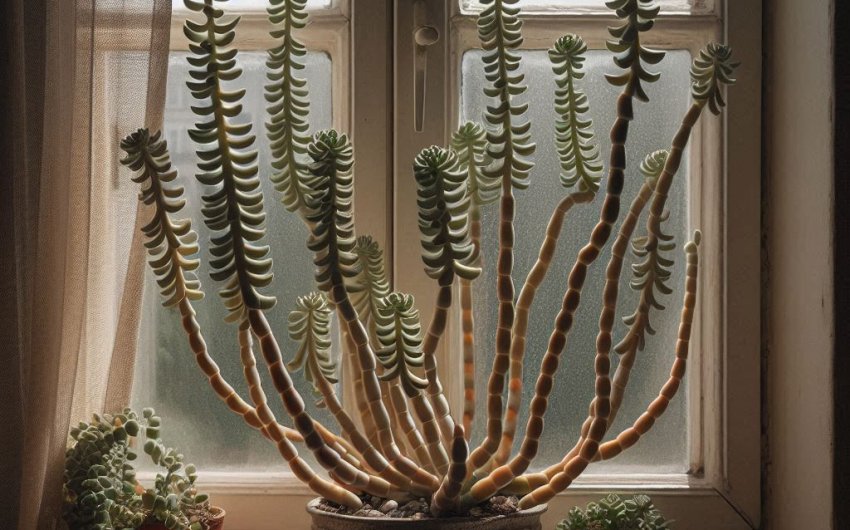
Observing a once compact and vibrant succulent begin to stretch, its leaves growing sparse and widely spaced along an elongated stem, is a common frustration for many plant enthusiasts. This phenomenon, known as etiolation, signals that your plant isn't receiving enough light. Fortunately, learning how to fix leggy growth in succulent plants involves both corrective measures and preventative strategies to restore their appealing, tight form and rich coloration. This comprehensive guide will delve into identifying the root cause of stretching, practical steps to reshape your succulents, and essential care adjustments to ensure your collection remains healthy, beautiful, and compact.
What is leggy growth in succulents?
Leggy growth in succulents, scientifically known as etiolation, is a clear signal from your plant that it's not receiving enough light. Instead of growing compact and bushy with tightly packed leaves, the plant stretches out, trying desperately to find a stronger light source.
What does etiolation look like?
- Elongated Stems: The most noticeable sign is a visibly stretched-out stem between the leaf nodes. In healthy, well-lit succulents, the leaves are typically tightly clustered, often forming a rosette or a dense column.
- Widely Spaced Leaves: As the stem lengthens, the distance between individual leaves increases significantly, making the plant look sparse and gangly.
- Paleness or Fading Color: Succulents often display vibrant stress colors (reds, pinks, purples) when given ample light. In low light, these colors fade, and the leaves become paler green or yellow, as the plant produces more chlorophyll to compensate for the lack of light.
- Smaller Leaves: New leaves that grow on the stretched stem tend to be smaller than the older, healthier leaves.
- Downward-Facing Leaves: Instead of holding their leaves upright to maximize light absorption, the leaves might turn downwards as the plant focuses its energy on stem elongation.
- Weak and Brittle Stems: The stretched stems are often weaker and more fragile, making the plant prone to snapping or falling over.
Why do succulents get leggy?
- Insufficient Light (Primary Cause): This is almost always the reason for etiolation. Succulents are desert plants adapted to bright, direct sunlight for many hours a day. Indoors, even a "bright" window might not provide enough intensity. They are genetically programmed to reach for light, and etiolation is their survival mechanism.
- Incorrect Spectrum/Intensity of Grow Lights: If using artificial light, it might not be strong enough or of the right spectrum (e.g., too much blue light vs. full spectrum) to promote compact growth.
- Overwatering in Low Light: While low light is the primary cause, overwatering a succulent in low light conditions can exacerbate etiolation and quickly lead to root rot. When a plant isn't actively growing due to lack of light, it uses less water, making it more susceptible to waterlogging.
Understanding what leggy growth is and its direct correlation to insufficient light is the first step in addressing and preventing this common succulent problem.
Can leggy growth be reversed?
This is a crucial question for anyone dealing with stretched succulents. The short answer is: no, the stretched growth itself cannot be reversed or magically "shrink back." Once the stem has elongated and the gaps between leaves have formed, those sections will remain that way.
Why stretched growth cannot be reversed:
- Cell Elongation: Etiolation involves the permanent elongation of plant cells in the stem. These cells simply don't have the ability to contract or shorten once they've stretched.
- Energy Allocation: The plant has already expended energy on that inefficient, elongated growth. It won't redirect that energy to compact it.
So, how do you "fix" it then?
While you can't reverse the existing stretch, you absolutely can fix the problem and restore your succulent's attractive, compact form. The solution involves two main strategies:
- Corrective Pruning (Chop & Prop): This is the immediate solution for the existing leggy parts. You remove the stretched sections and often propagate the healthy top parts (and sometimes individual leaves) to create new, compact plants.
- Environmental Adjustment (Prevention): This is the long-term solution. You must address the underlying cause (insufficient light) to prevent future etiolation. Without this step, any new growth will simply become leggy again.
The "Fixing" Process:
The process to fix leggy growth in succulent plants typically involves:
- Identifying the Problem: Recognizing the signs of etiolation.
- Assessing Your Light: Understanding why the plant stretched.
- Taking Action (Corrective Pruning): Making strategic cuts.
- Propagating Cuttings: Turning the removed parts into new plants.
- Adjusting the Environment (Preventative Care): Providing optimal light moving forward.
Therefore, while the existing stretch is permanent, the plant itself is highly recoverable, and you can achieve even more beautiful and numerous compact succulents through these methods.
How do you correct leggy growth with pruning (the "chop and prop" method)?
Pruning is the most effective way to address existing leggy growth in succulent plants. This "chop and prop" method allows you to remove the unsightly stretched sections and simultaneously create new, healthy plants.
When to prune:
- Active Growing Season: The best time to prune succulents is during their active growing season, which is typically spring and summer. This allows the plant to recover quickly from the cuts and the cuttings to root faster.
- Avoid Dormancy: Do not prune heavily during the plant's dormant period (usually fall and winter), as it will be less able to heal and root successfully.
What tools do you need?
- Clean, Sharp Pruning Shears or Knife: Crucial for making clean cuts that heal well. Sterilize your pruning shears or knife with rubbing alcohol before and after use to prevent disease.
Step-by-Step "Chop and Prop" Process:
- Identify the Stretched Sections: Look at your leggy succulent. Decide where you want to make your cuts.
- Make the Cut(s) on the Original Plant:
- Goal: You want to cut off the stretched part, leaving behind a compact, healthy section that can re-sprout.
- Placement: Cut the stem just below a healthy, compact cluster of leaves or just above a node on the remaining stem if you want new growth to emerge from that point.
- Don't Cut Too Close: Leave at least an inch or two of bare stem on the bottom portion of the plant. This stem will be where new "pups" (baby plants) emerge from.
- Be Brave: It might feel drastic, but succulents are incredibly resilient and respond well to pruning.
- Prepare the Top Cutting (the "Prop"):
- You now have the top, compact rosette (or healthy stem section). This is your new plant.
- Remove Lower Leaves: Gently twist off or cut the lower 1-2 inches of leaves from the bottom of the cutting's stem. This creates a bare stem section for rooting. These leaves can often be propagated as well (see below!).
- Allow Cuttings to Callus:
- This is a critical step for succulents. Place both the pruned original plant (its cut stem) and all the new cuttings (top cutting and individual leaves) in a dry, well-ventilated area, out of direct sunlight.
- Purpose: Allow the cut surfaces to form a dry, protective scab or "callus." This prevents rot when the cuttings are eventually planted or watered.
- Duration: This can take anywhere from a few days to a week or more, depending on the thickness of the stem and humidity levels. Thicker stems take longer.
- Replant the Callused Top Cutting:
- Once the cut end of your top cutting is fully callused, plant it in a pot with fresh, well-draining succulent and cactus soil.
- Do NOT water immediately. Wait at least a week (or until you see tiny roots forming) before the first watering. This further reduces the risk of rot.
- Care for the Original Plant:
- Keep the original pot with its newly cut stem in its bright, new (improved light) location.
- New "pups" or offsets will eventually sprout from the nodes along the bare stem, resulting in a bushier plant at the base.
- Water sparingly until you see signs of new growth.
By performing this "chop and prop," you rejuvenate your existing plant and get new, compact ones from the cuttings, effectively fixing leggy growth in succulent plants.
How do you propagate succulent cuttings from leggy plants?
Propagating cuttings from a leggy succulent is a fantastic way to multiply your plant collection and ensure you have healthy, compact specimens. Succulents are incredibly resilient and root easily from both stem and leaf cuttings.
1. Propagating Stem Cuttings:
This method is best for the "top" part of your leggy succulent that you pruned.
- Preparation: As described in the "Chop and Prop" section, remove the lower leaves from your top cutting to create a bare stem of 1-2 inches. Allow the cut end to callus for a few days to a week.
- Rooting in Soil (Recommended):
- Fill a small pot with fresh, well-draining succulent and cactus soil.
- Insert the callused end of the cutting into the soil, just deep enough for it to stand upright.
- Do NOT water immediately. Wait for about a week, or until you see tiny roots forming (you can gently tug on the cutting to check for resistance).
- Once roots are forming, begin watering sparingly, only when the soil is completely dry.
- Place the potted cutting in a bright, indirect light location.
- Rooting in Water (Optional, but use caution):
- Some succulents can root in water, but it's generally not recommended for long-term growth as they can struggle to transition to soil.
- Place the callused end of the cutting into a small glass of water, ensuring only the stem (and no leaves) is submerged.
- Once roots are an inch or two long, plant immediately into soil. Be gentle, as water roots are fragile.
- Rooting Hormone (Optional): Dipping the callused end of the cutting in rooting hormone powder can sometimes speed up the rooting process, but it's often not necessary for succulents.
2. Propagating Leaf Cuttings:
Many succulents (like Echeverias, Sedums, Crassulas) can be propagated from a single healthy leaf. This is a great way to use the leaves you removed from your stem cuttings.
- Preparation:
- Gently twist or pull a healthy, plump leaf off the stem. Crucially, ensure you get a clean break, including the very base (the meristem) of the leaf. If the base is left behind, the leaf won't produce a new plant.
- Allow the leaf to callus for 2-7 days in a dry, shaded spot. This prevents rot.
- Rooting Method:
- Lay the callused leaf directly on top of well-draining succulent soil in a shallow tray or pot. You can mist the very surface of the soil lightly once every few days, but avoid making it wet.
- Place the tray in bright, indirect light.
- Patience is Key: This method takes time. After a few weeks to a couple of months, tiny roots and a tiny "pup" (baby succulent) will emerge from the callused end of the leaf. The original leaf will gradually shrivel as the pup absorbs its nutrients.
- Once the pup is a decent size and the mother leaf has shriveled, you can gently pot the new plant.
General Tips for Propagation:
- Light: Provide bright, indirect light for all cuttings during the rooting process.
- Patience: Succulent propagation can take weeks to months. Don't constantly check or disturb them.
- Don't Overwater: Only water very sparingly (or mist the soil surface) during the rooting phase. Overwatering will cause rot before roots even form.
By skillfully propagating from your leggy plants, you'll not only solve the etiolation problem but also significantly expand your collection of beautiful, compact succulents.
How do you adjust lighting to prevent future leggy growth?
The most important step in how to fix leggy growth in succulent plants is addressing the root cause: insufficient light. Without a long-term adjustment to their lighting, any new growth on your re-shaped succulents will simply stretch out again.
What is the ideal light for succulents?
- Bright, Direct Sun: Most succulents (Echeverias, Sedums, Haworthias, Crassulas) need at least 6 hours of direct sunlight per day to maintain their compact form and vibrant colors. "Direct sunlight" for indoor succulents often means the brightest spot near a window.
- Warmth and Intensity: The sun indoors is significantly less intense than outdoors. So, even a spot that feels bright to you might not be bright enough for a light-loving succulent.
How to provide more light indoors:
- Move to the Brightest Window:
- South-facing Window: In the Northern Hemisphere, this is typically the brightest window, providing direct sun for most of the day. It's often the best spot for your most light-hungry succulents.
- West-facing Window: Provides intense afternoon sun. This can also be good, but monitor for scorching, especially if the plant is suddenly moved there.
- East-facing Window: Offers gentle morning sun, which is good for some succulents, but might still be insufficient for those that prefer more intense light.
- North-facing Window: Usually too dim for most succulents; avoid for sun-loving varieties.
- Close to the Window: Place your succulents as close to the windowpane as possible. Every foot away from a window significantly decreases light intensity.
- Rotate Regularly: Even in a bright window, regularly rotate your plants every week or two. This ensures all sides receive even light exposure, preventing one side from stretching towards the light.
- Use Supplemental Grow Lights (Highly Recommended for Indoors):
- If you don't have adequate natural light, or during darker winter months, grow lights are your best friend.
- Type: Invest in full-spectrum LED grow lights specifically designed for plants. LEDs are energy-efficient and emit less heat.
- Distance: Place the grow light about 6-12 inches above your succulents. The exact distance depends on the light's intensity. Monitor for signs of scorching (bleached or brown spots) if too close, or continued stretching if too far.
- Duration: Provide 10-14 hours of artificial light per day. Using a light timer ensures consistency.
- Outdoor Acclimation (if applicable):
- If you can move your succulents outdoors during warmer months, they will thrive in the natural sunlight.
- Gradual Acclimation: Do this slowly! Suddenly moving an indoor succulent into full outdoor sun will cause severe sunburn. Start with a few hours of morning sun, gradually increasing exposure over 1-2 weeks.
By providing consistent, bright light, whether natural or supplemental, you will successfully prevent future leggy growth in succulent plants and encourage them to maintain their beautiful, compact form.
What are other care tips to prevent leggy growth and ensure overall succulent health?
While light is the primary factor, other aspects of succulent plant care contribute to their overall health and help maintain their desirable compact shape, indirectly preventing or mitigating leggy growth.
1. Proper Watering:
- "Soak and Dry" Method: This is crucial. Water deeply until water drains from the bottom, then allow the soil to become completely bone dry before watering again.
- Why it helps: Overwatering, especially in low light, can exacerbate etiolation and quickly lead to root rot. When a plant isn't getting enough light, it uses less water, making it more susceptible to waterlogging. A healthy root system is essential for any growth.
- Check First: Always check the soil moisture with your finger (at least 1-2 inches deep) before watering.
2. Well-Draining Soil and Pots:
- Soil: Use a specialized succulent and cactus potting mix. This blend is fast-draining and aerated, preventing water from sitting around the roots. You can also amend regular potting soil with perlite or pumice for better drainage.
- Pots: Always use pots with drainage holes. Terracotta pots are excellent as their porous nature helps the soil dry out faster.
- Why it helps: Prevents root rot, which stresses the plant and hinders its ability to grow compactly.
3. Fertilization (Use Sparingly):
- Less is More: Succulents are not heavy feeders. They originate from nutrient-poor environments.
- Type: If you fertilize, use a balanced, low-nitrogen fertilizer diluted to half or quarter strength.
- Timing: Only fertilize during the active growing season (spring/summer), once every 1-2 months at most.
- Why it helps: Excessive nitrogen can promote soft, leggy, green growth rather than compact, hardy growth with vibrant stress colors.
4. Air Circulation:
- Good Airflow: Ensure your succulents have good air circulation around them. Avoid placing them in overly stagnant environments.
- Why it helps: Reduces the risk of fungal diseases, especially in conjunction with proper watering, which can stress the plant.
5. Repotting (Infrequently):
- Don't Overpot: Succulents prefer to be a bit root-bound. Only repot when they clearly outgrow their pot (roots coming out of drainage holes, stunted growth).
- Why it helps: Too large a pot holds too much soil and moisture, leading to slower drying and potential rot.
By integrating these holistic care practices with vigilant light provision, you'll be well-equipped to fix leggy growth in succulent plants and maintain a stunning, thriving collection of compact and colorful succulents.