
Why Is My Money Tree Dropping Leaves?
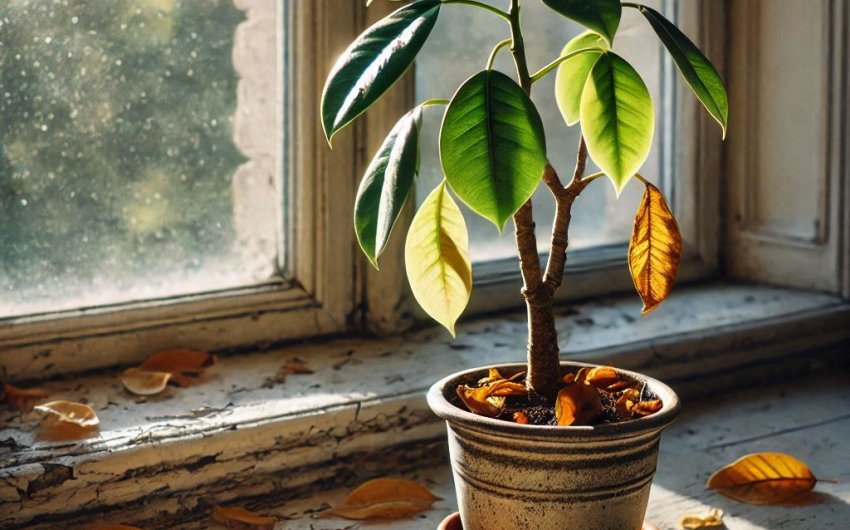
Observing your Money Tree (Pachira aquatica) shedding its leaves can be a concerning sight, immediately prompting the question: Why is my Money Tree dropping leaves? While these attractive houseplants are generally resilient, leaf drop is a common distress signal indicating that something in their environment or care routine isn't quite right. Understanding the various potential causes, from watering inconsistencies to light fluctuations, is the first step in diagnosing the problem and restoring your Money Tree to its lush, vibrant health.
Why Do Money Trees Drop Leaves in General?
Money Trees are relatively robust houseplants, but they are also quite communicative. Leaf drop is their primary way of signaling stress or discomfort. Understanding the general reasons behind this behavior helps in diagnosing the specific issue when you ask Why is my Money Tree dropping leaves?
- Stress Response: Fundamentally, leaf drop is a stress response. When a Money Tree experiences conditions it doesn't like (e.g., too much water, too little light, sudden changes), it conserves energy by shedding leaves it can no longer support or that are no longer efficient.
- Energy Conservation: Leaves are living organs that require energy and water to maintain. If resources become scarce (e.g., due to root rot preventing water uptake, or insufficient light for photosynthesis), the plant will sacrifice older or less efficient leaves to prioritize survival of the main stem and new growth.
- Acclimation Shock: Money Trees are particularly sensitive to changes in their environment. Moving them from a nursery to your home, from one room to another, or even rotating them drastically can induce shock, leading to leaf drop as they adjust.
- Survival Mechanism: In their native habitat, deciduous plants drop leaves to survive harsh dry seasons or cold winters. While indoor Money Trees don't experience these extremes, their evolutionary instincts mean leaf drop is a common survival mechanism when conditions are unfavorable.
- Over or Under-Care: Most leaf drop issues stem from imbalances in watering, light, or temperature. The plant is either getting too much or too little of something critical.
- Pest or Disease: While less common than environmental factors, pests or diseases can also weaken a plant and lead to leaf drop.
By interpreting leaf drop as a cry for help, you can systematically investigate your Money Tree's conditions to pinpoint and rectify the problem.
Why is My Money Tree Dropping Leaves Due to Watering Issues?
Watering problems are, by far, the most common reason for a Money Tree to drop its leaves. Both overwatering and underwatering can cause stress, leading to similar symptoms, but their solutions are opposite. This is a critical area to investigate when asking Why is my Money Tree dropping leaves?
Overwatering
This is the most frequent culprit and often more damaging than underwatering.
- Root Rot: Money Trees are extremely susceptible to root rot, which occurs when roots sit in constantly soggy soil. Lack of oxygen causes roots to die, turn mushy, and effectively prevents the plant from absorbing water and nutrients, even if the soil is wet.
- Symptoms:
- Yellowing Leaves: Often the first sign, starting with older, lower leaves.
- Mushy or Soft Stems: The trunk or branches may feel soft and squishy, indicating rot spreading upwards.
- Blackening Leaves/Stems: Leaves turn black or very dark brown and become mushy.
- Foul Odor: A musty or rotten smell from the soil.
- Sudden Leaf Drop: Leaves may drop off quickly, often looking yellow or mushy.
- Fungus Gnats: Small, flying insects around the soil surface indicate perpetually wet soil, which is a breeding ground for their larvae.
- Solutions:
- Check Soil Moisture: Always let the top 2-3 inches (5-7.5 cm) of soil dry out completely before watering again. Use a moisture meter or your finger.
- Ensure Drainage: The pot MUST have drainage holes. Never let the plant sit in standing water in a saucer. Empty excess water promptly.
- Repot if Severe: If you suspect severe root rot (mushy trunk, many yellow/black leaves), gently remove the plant, inspect roots (cut away mushy ones), and repot into fresh, well-draining soil.
Underwatering
While less common to kill a Money Tree outright, consistent underwatering causes stress and leaf shedding.
- Dehydration: Lack of water means cells cannot remain turgid, leading to wilting and eventual leaf death.
- Symptoms:
- Crispy, Brown Edges/Tips: Leaves turn brown and become dry and brittle, often starting at the edges or tips.
- Drooping Leaves: Leaves appear limp and lifeless, but the soil is bone dry.
- Shriveling: The entire leaf may shrivel or curl inward.
- Slow, Gradual Drop: Leaves tend to yellow and dry out before dropping slowly.
- Hard, Compacted Soil: The soil may pull away from the sides of the pot.
- Solutions:
- Water Thoroughly: When watering, drench the soil until water runs freely from the drainage holes.
- Bottom Watering (for very dry soil): If the soil is so dry it has become hydrophobic and water just runs straight through, try bottom watering. Place the pot in a tray of water for 30 minutes, allowing it to soak up water from below.
- Consistent Schedule: While not rigid, aim for consistent moisture levels. Don't let it go bone dry for too long.
By carefully assessing soil moisture and correcting your watering habits, you can often quickly resolve the question of Why is my Money Tree dropping leaves? and restore your plant's health.
Why is My Money Tree Dropping Leaves Due to Light Problems?
Light is another critical factor for a Money Tree, and incorrect light levels can significantly stress the plant, leading to leaf drop. They are sensitive to both too little and too much light, as well as sudden changes. This is important to consider when asking Why is my Money Tree dropping leaves?
Insufficient Light
This is a very common issue, especially during winter months or in dimly lit homes.
- Reduced Photosynthesis: In low light, the plant cannot produce enough energy through photosynthesis to sustain all its leaves. It will shed older or less efficient leaves to conserve resources.
- Symptoms:
- Leggy Growth: Stems become stretched and elongated with sparse leaves, as the plant reaches for light.
- Pale or Yellowing Leaves: Leaves may lose their vibrant green color and appear pale or dull.
- New Leaves Are Small: New growth is significantly smaller than older leaves.
- Overall Slow Growth: The plant appears stagnant.
- Lower Leaf Drop: Often, the older, lower leaves will yellow and drop off.
- Solutions:
- Relocate: Move your Money Tree to a brighter location. An east-facing window is ideal for gentle morning sun. A bright, indirect spot near a south or west-facing window, set back a few feet, can also work.
- Supplemental Lighting: During winter or in naturally dim rooms, use a full-spectrum LED grow light for 10-14 hours a day. Position it appropriately based on intensity.
Too Much Direct Light (Sunburn)
While they like bright light, unfiltered, intense direct sun can be harmful.
- Scorching: Strong, direct afternoon sun can burn the delicate leaves of a Money Tree, especially if it's not accustomed to such intensity.
- Symptoms:
- Brown or Bleached Spots: Leaves develop crispy brown or faded, bleached-out patches, often on the side facing the window.
- Overall Fading: The vibrant green color may fade to a dull yellow or light green.
- Sudden Leaf Drop: Sunburned leaves may quickly shrivel and fall off.
- Solutions:
- Move Away: Relocate the plant further from the direct sun source.
- Diffuse Light: Use sheer curtains or blinds to filter intense light from south or west-facing windows.
Sudden Light Changes
Money Trees are creatures of habit and dislike abrupt environmental shifts.
- Shock: Moving a Money Tree from a low-light nursery to a bright home, or from a bright spot to a dim corner, can cause shock.
- Symptoms: Rapid and widespread leaf drop (often green leaves dropping, not just yellow).
- Solutions:
- Gradual Acclimation: When introducing a new plant or moving an existing one, do so gradually over several days or a week, moving it incrementally closer to or further from its new light source.
- Avoid Frequent Moves: Once you find a spot it likes, try to keep it there.
By carefully managing light exposure and avoiding sudden changes, you can largely prevent leaf drop related to light issues, providing a clear answer to Why is my Money Tree dropping leaves?
Why is My Money Tree Dropping Leaves Due to Temperature & Humidity?
Money Trees are tropical plants, and as such, they thrive in specific temperature and humidity ranges. Fluctuations or extremes in these conditions can cause significant stress, leading to leaf drop. This is another area to investigate when asking Why is my Money Tree dropping leaves?
Temperature Fluctuations and Extremes
Money Trees prefer consistent warmth and are sensitive to sudden temperature shifts.
- Cold Drafts: Exposure to cold drafts from windows, doors, or air conditioning vents, especially in winter, can severely shock a Money Tree.
- Symptoms: Sudden leaf drop, often with leaves turning yellow or brown and feeling crisp. New growth may be stunted or discolored.
- Solutions: Move the plant away from drafty areas. Ensure windows are sealed, and keep it away from exterior doors that open frequently.
- Excessive Heat: While they are tropical, extremely hot, dry air (e.g., directly next to a radiator or heat vent) can also stress them.
- Symptoms: Rapid drying of leaves, crisping, and leaf drop.
- Solutions: Move the plant away from direct heat sources.
- Ideal Range: Maintain consistent indoor temperatures between 65-80°F (18-27°C). Avoid temperatures below 55°F (13°C).
Low Humidity
Money Trees are native to tropical rainforests where humidity is naturally high. Dry indoor air, especially in winter with heating systems or in summer with air conditioning, can be very stressful.
- Transpiration Stress: In low humidity, plants lose water rapidly through their leaves (transpiration). If the plant can't absorb water from the roots fast enough to compensate, it stresses, leading to leaf damage and drop.
- Symptoms:
- Brown, Crispy Leaf Tips or Edges: This is a classic sign of low humidity.
- Dull Leaves: Foliage may appear less vibrant and glossy.
- Stunted Growth: Overall growth may slow down.
- Leaf Drop: Leaves may yellow or brown before dropping, particularly those with crispy edges.
- Solutions:
- Humidifier: The most effective way to increase ambient humidity is with a plant humidifier placed near your Money Tree.
- Pebble Tray: Place the pot on a tray filled with pebbles and water, ensuring the pot sits above the waterline. As water evaporates, it increases local humidity around the plant.
- Grouping Plants: Grouping several plants together can create a slightly more humid microclimate as they transpire.
- Misting (Limited Effect): While not a substitute for consistent humidity, misting leaves with a fine mist spray bottle (using distilled water to prevent spots) can provide temporary relief and help clean leaves.
By providing consistent, warm temperatures and actively managing humidity levels, you can significantly reduce environmental stress and solve the mystery of Why is my Money Tree dropping leaves? due to these factors.
What Other Factors Can Cause a Money Tree to Drop Leaves?
While watering, light, temperature, and humidity are the most common culprits, other aspects of care and environment can also contribute to a Money Tree dropping leaves. A comprehensive investigation considers these possibilities when asking Why is my Money Tree dropping leaves?
Repotting Shock
Repotting is inherently stressful for any plant, and Money Trees are particularly sensitive to it.
- Root Disturbance: Even with careful handling, repotting inevitably disturbs the root system, causing a temporary setback.
- Symptoms: A few weeks after repotting, the plant may suddenly drop a significant number of healthy-looking green leaves. This is typically a temporary adjustment.
- Solutions:
- Repot Only When Necessary: Don't repot unless the plant is genuinely root-bound.
- Right Pot Size: Only go up one pot size (2-4 inches larger in diameter).
- Proper Repotting Technique: Follow best practices for repotting, minimizing root disturbance.
- Patience: Allow the plant time to recover. Don't overwater during this period. Avoid fertilizing for 4-6 weeks after repotting.
Nutrient Imbalances / Fertilization Issues
Incorrect fertilization can stress roots and impact leaf health.
- Over-Fertilization: Too much fertilizer can cause a salt buildup in the soil, which can burn roots and prevent them from absorbing water, mimicking underwatering symptoms.
- Symptoms: Brown, crispy leaf tips/edges; stunted growth; white crust on soil surface.
- Solutions: Flush the soil with plain water several times. Reduce fertilizer frequency or strength.
- Under-Fertilization: While less common to cause sudden leaf drop, a severe long-term nutrient deficiency can lead to overall weakness and slow decline.
- Symptoms: General yellowing (chlorosis), very slow growth, small new leaves.
- Solutions: Fertilize regularly during the growing season with a balanced liquid houseplant fertilizer at half strength.
Pests and Diseases
While less frequent than environmental issues, pest infestations can certainly lead to leaf stress and drop.
- Sap-Sucking Pests: Mealybugs (white, cottony masses), spider mites (fine webbing, tiny dots, crisping), and scale (small brown bumps) can suck vital sap from leaves, weakening the plant.
- Symptoms: Sticky residue (honeydew), distorted new growth, yellowing, and eventual leaf drop.
- Solutions: Inspect your plant closely. Treat promptly with insecticidal soap or Neem oil spray. For severe cases, use rubbing alcohol on a cotton swab for direct contact.
- Root Rot (Disease): As mentioned, this is often caused by overwatering but is a fungal disease.
- Symptoms: Mushy trunk/stems, yellow/black leaves, foul odor.
- Solutions: Repotting to fresh, well-draining soil and removing rotten roots is crucial.
Physical Damage
Sometimes leaf drop is simply due to accidental trauma.
- Bruising/Breaking: Accidental bumping, dropping, or bending of leaves or stems can cause them to yellow, brown, and fall off.
- Solutions: Handle with care. Prune off cleanly broken or severely damaged leaves.
By systematically going through all these potential issues, you can accurately pinpoint the reason Why is my Money Tree dropping leaves? and implement the correct solution for its recovery.