
Top Mistakes to Avoid with Winter Indoor Gardening
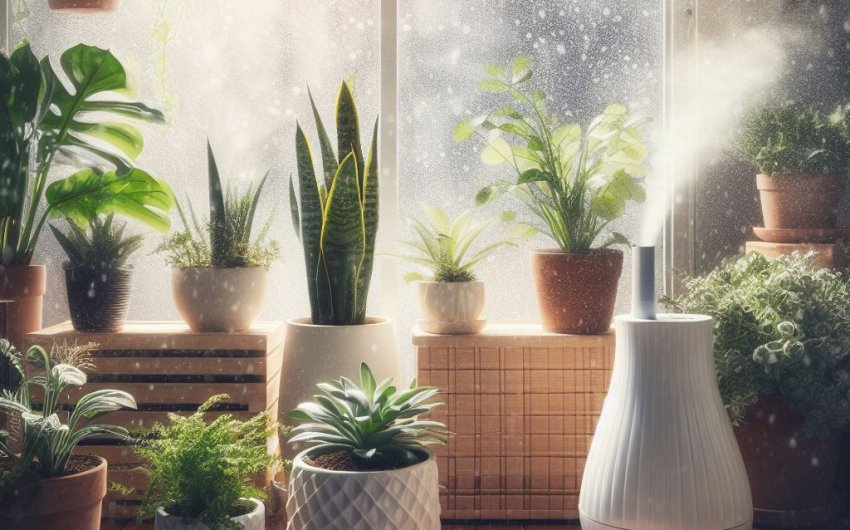
To avoid the top mistakes with winter indoor gardening, gardeners must drastically reduce watering frequency, cease or significantly reduce fertilization, and actively provide supplemental light and increased humidity. Ignoring these crucial seasonal adjustments leads to root rot, leggy growth, and pest infestations that can quickly decimate houseplants.
Why is winter indoor gardening especially prone to mistakes?
Winter indoor gardening is a challenging period for even experienced plant parents. As outdoor temperatures plummet and days grow shorter, our homes transform into environments that are surprisingly harsh for many tropical houseplants. The stark contrast in conditions from the active outdoor growing seasons makes winter indoor gardening especially prone to common mistakes, often leading to plant stress, decline, and even death.
How do indoor winter conditions stress houseplants?
Our homes, designed for human comfort, create specific challenges for houseplants during winter.
- Drastically Reduced Light:
- Shorter Days & Lower Sun Angle: The most significant change. Fewer hours of sunlight, and the sun sits lower in the sky, meaning less intense light penetrates windows.
- Impact: Plants receive much less energy for photosynthesis, slowing down their metabolism and growth dramatically.
- Extremely Low Humidity:
- Central Heating: Furnaces, radiators, and fireplaces dry out indoor air considerably, dropping humidity levels far below what most tropical plants prefer.
- Impact: Leads to crispy leaf tips, stressed foliage, and creates ideal conditions for pests like spider mites.
- Cooler Temperatures & Drafts:
- Windowsills: Temperatures near windows can drop significantly, especially at night, often below the ideal range for tropical plants.
- Drafts: Opening doors/windows or leaky seals create sudden cold drafts.
- Impact: Cold can stun growth, damage delicate leaves, and make roots less active, hindering water and nutrient uptake.
- Plant Dormancy/Slowed Growth:
- Natural Response: Many houseplants naturally respond to reduced light and cooler temperatures by entering a period of dormancy or significantly slowed growth.
- Impact: Their need for water and nutrients drops dramatically.
What are the consequences of common winter indoor gardening mistakes?
Failing to adjust care routines to these altered winter conditions leads directly to many common houseplant problems.
- Root Rot (The #1 Killer): Continuing summer watering schedules when plants are dormant means roots sit in perpetually soggy, oxygen-deprived soil, leading to fatal rot.
- Leggy, Sparse Growth: Insufficient light causes plants to "stretch" towards any available light, resulting in weak, elongated stems and sparse, pale leaves.
- Pest Infestations: Dry indoor air, combined with stressed plants, creates ideal breeding grounds for pests like spider mites, mealybugs, and fungus gnats.
- Leaf Drop and Yellowing: Common symptoms of stress from improper watering, cold drafts, low humidity, or insufficient light.
- Nutrient Burn: Fertilizing dormant plants can burn delicate roots, as they cannot utilize the excess salts.
- General Decline: A combination of these mistakes can lead to an overall decline in plant health, making plants vulnerable and unattractive.
- Frustration and Plant Loss: Ultimately, these mistakes lead to the disheartening loss of beloved houseplants.
By understanding these dangers, gardeners can proactively learn and avoid the top mistakes, ensuring their indoor plants not only survive but maintain their health and beauty through the challenging winter months.
1. Overwatering: The Silent Winter Killer
Overwatering is hands down the most common and devastating mistake made by indoor gardeners during winter. While it seems counterintuitive to water less when plants appear to be struggling, excess moisture in the soil is a direct path to root rot, which is often fatal for houseplants in their dormant or slowed-growth state.
Why is overwatering so prevalent in winter?
Several factors conspire to make overwatering a winter-specific problem.
- Reduced Plant Metabolism: As light levels plummet and temperatures drop, most houseplants naturally slow down their metabolic processes. They are not actively growing new leaves, flowers, or roots. Consequently, they simply use much less water.
- Slower Evaporation: Cooler indoor temperatures and less intense light mean water evaporates much slower from the soil surface and through the pot itself.
- Unchanged Habits: Gardeners often continue their spring/summer watering routines out of habit, not realizing their plants' needs have drastically changed.
- Misleading Symptoms: Overwatered plants often wilt and droop, mimicking the signs of underwatering, which tempts gardeners to water even more, exacerbating the problem.
How does overwatering cause root rot?
Root rot is the direct result of prolonged soggy conditions in the soil.
- Oxygen Deprivation: Plant roots, like all living tissues, need oxygen to "breathe" (respire) and absorb water and nutrients. In waterlogged soil, all the air pockets are filled with water, effectively suffocating the roots.
- Anaerobic Bacteria: Once oxygen is depleted, anaerobic bacteria (which thrive without oxygen) and opportunistic fungi take over. These microorganisms attack the dying roots, causing them to decay and rot.
- Inability to Absorb Water: Ironically, even in soggy soil, rotting roots cannot absorb water or nutrients. This is why the plant wilts, despite being "watered" constantly.
How do I avoid overwatering and prevent root rot?
Preventing overwatering involves a fundamental shift in your watering philosophy during winter.
- The "Soak and Dry" Method, Extended: This is the golden rule, adapted for winter.
- DO: Water thoroughly until water drains from the bottom of the pot.
- DO: Then, allow the top 2-3 inches of soil to dry out completely, and often a bit deeper for many plants (e.g., up to halfway down the pot for succulents/cacti), before watering again.
- Why: This ensures roots have access to essential oxygen between waterings.
- Monitor Soil Moisture, Not Just a Schedule:
- DO: Use your finger to feel the top 2-3 inches of soil. If it feels dry, check deeper.
- DO: Invest in a soil moisture meter. This is invaluable for accurate readings deep in the pot, taking the guesswork out of watering.
- DON'T: Water on a rigid schedule. Winter watering frequency can range from once a week to once a month, depending on the plant and conditions.
- Empty Saucers Immediately:
- DO: Always empty any excess water from the saucers after about 15-30 minutes.
- Why: Allowing pots to sit in standing water directly contributes to root rot.
- Check Pot Weight:
- DO: Lift your pots when they are dry, then again after watering. You'll quickly learn the difference in weight between a wet and dry pot, which is a good indicator of soil moisture.
- Ensure Excellent Drainage:
- DO: Use pots with ample drainage holes and a high-quality, well-draining potting mix.
- Signs of Overwatering: Yellow, soft, mushy, or dropping leaves; wilting (even when soil is wet); stunted growth; foul-smelling soil; soft stems at the soil line.
- Fix: Stop watering. Let soil dry. If severe, unpot, inspect roots (trim black/mushy roots), allow to air dry, and repot into fresh, dry potting mix.
By rigorously adapting your watering habits to the slower metabolism of winter, you can effectively avoid the silent killer of overwatering and ensure your houseplants' root systems remain healthy and robust.
2. Insufficient Light: The Cause of Leggy and Pale Growth
Winter's reduced light levels are a significant challenge for indoor plants, and failing to provide adequate light is a top mistake that leads to weak, unattractive, and unhealthy growth. Light is the primary energy source for plants, and without enough of it, they literally starve.
Why is natural light so limited for houseplants in winter?
Several factors combine to create a light-deprived environment for indoor plants during winter.
- Shorter Days: The number of hours of daylight is significantly reduced.
- Lower Sun Angle: The sun travels lower in the sky, meaning light enters windows at a more acute angle, providing less direct exposure.
- Weakened Intensity: Even when sunny, the intensity of winter sunlight is much weaker than in summer.
- Obstructions: Shadows cast by dormant outdoor trees may now be gone, but longer interior shadows, curtains, or even dirty windows can further reduce light availability.
How does insufficient light harm houseplants?
A lack of adequate light manifests in several distinct ways, all detrimental to plant health and aesthetics.
- Leggy Growth (Stretching): This is the classic symptom. Plants "stretch" their stems towards any available light source, resulting in:
- Elongated, Weak Stems: Long distances between leaf nodes (internodes).
- Sparse Foliage: Fewer leaves, widely spaced.
- Floppy/Unstable Plants: The plant lacks the structural strength to hold itself upright.
- Pale or Yellowing Leaves: Leaves may appear dull green, pale, or yellow (chlorosis) due to insufficient chlorophyll production. Variegated patterns may fade.
- Stunted Growth: Overall growth slows dramatically or stops entirely, as the plant lacks the energy for new development.
- Reduced Flowering/Fruiting: Flowering plants will produce fewer, smaller, or no blooms. Fruiting plants will fail to set fruit.
- Increased Pest Susceptibility: Weak, stressed plants are more vulnerable to pest infestations.
- General Decline: A lack of energy weakens the entire plant, making it prone to other issues.
How do I provide adequate light and avoid leggy growth?
Proactively addressing winter's light deficit is crucial for vibrant plants.
- Relocate to Brightest Spot:
- DO: Move plants to the brightest available locations in your home. A south-facing window (in the Northern Hemisphere) provides the most intense and prolonged direct light. East or west-facing windows are also good.
- DON'T: Leave sun-loving plants in dark corners or far from windows.
- Clean Windows and Leaves:
- DO: Dust on windows blocks up to 50% of available light. Clean windows regularly.
- DO: Gently wipe dust off plant leaves with a damp cloth. Dust acts as a physical barrier to light.
- Supplemental Grow Lights (Highly Recommended):
- DO: For most houseplants, natural winter light is simply not enough. Invest in full-spectrum LED grow lights. A good option is LED grow lights for indoor plants.
- DO: Position grow lights just 4-12 inches (10-30 cm) above the plant foliage (check specific plant needs; some prefer closer).
- DO: Keep lights on for 12-16 hours per day. A grow light with a timer ensures consistency.
- Why: Grow lights provide the necessary light intensity and duration, preventing leggy growth and supporting healthy photosynthesis.
- Rotate Regularly:
- DO: Rotate plants every few days or weekly to ensure all sides receive even light exposure, promoting balanced growth.
- Prune Leggy Growth (in spring):
- DO: If your plant does become leggy, prune it back in spring (when new vigorous growth can occur) to encourage bushier growth. You can often propagate the cuttings.
By diligently providing adequate light, either naturally or with supplements, you can effectively avoid the common mistake of insufficient light, ensuring your houseplants maintain dense, vibrant, and healthy growth throughout the winter.
3. Low Humidity: The Cause of Crispy Leaves and Pest Infestations
Heated indoor air during winter often plummets to very low humidity levels, a stark contrast to the tropical origins of many houseplants. Failing to address this environmental mismatch is a top mistake that leads to stressed plants, unsightly crispy leaves, and, critically, a breeding ground for common indoor pests.
Why does indoor air become so dry in winter?
Our heating systems are the primary culprits for low indoor humidity.
- Central Heating Systems: Furnaces, radiators, and fireplaces dry out the air considerably as they heat it.
- Cold Outdoor Air: Even when you ventilate, the cold outdoor air typically contains very little moisture. When this cold, dry air is brought indoors and heated, its relative humidity drops dramatically.
- Impact: Indoor humidity levels can often fall to 20-30% or even lower, far below the 50-80% many tropical houseplants thrive in.
How does low humidity harm houseplants?
The consequences of persistently low humidity are both cosmetic and physiological.
- Crispy Brown Leaf Tips/Edges: This is the most common and visible symptom. The plant loses moisture faster than its roots can take it up, causing the delicate leaf tissue at the tips and margins to dry out and die.
- Stressed Foliage: Leaves may become dull, droopy, or even curl to conserve moisture.
- Flower/Bud Drop: Flowering plants may abort buds or flowers due to stress.
- Reduced Photosynthesis: Chronic dehydration, even if mild, can impair a plant's ability to photosynthesize effectively.
- Increased Pest Susceptibility: Dry, stressed plants are far more vulnerable to certain pests. Low humidity actively promotes the spread and reproduction of spider mites, which are one of the most devastating houseplant pests. It can also make mealybugs and thrips more problematic.
How do I increase humidity and prevent dry air problems?
Proactively increasing humidity is essential for the health of tropical houseplants.
- Use a Humidifier (Most Effective):
- DO: The most reliable and effective way to increase ambient humidity for multiple plants is to use a plant humidifier in the room where your plants reside. Aim for 50-60% relative humidity.
- Why: Provides consistent, controlled moisture to the air.
- Pebble Trays:
- DO: Place plant pots on a shallow tray filled with pebbles and water. Ensure the bottom of the pot does not sit in the water.
- Why: As water evaporates from the tray, it creates a small microclimate of higher humidity around the plant. This is a simple, passive solution.
- Group Plants Together:
- DO: Group humidity-loving plants together.
- Why: Plants naturally release moisture through transpiration. Grouping them creates a collective humid microclimate, benefiting all.
- Misting (Limited Effectiveness):
- DO: Misting leaves with a spray bottle can provide a temporary, brief spike in humidity.
- DON'T: Rely on misting alone for plants that require consistently high humidity, as the effect is short-lived. Over-misting without good air circulation can also promote fungal issues.
- Avoid Heat Vents and Drafts:
- DO: Keep plants away from direct blasts of dry heat from radiators, vents, or fireplaces, which will rapidly dehydrate them.
- DON'T: Place plants directly in cold drafts from leaky windows or frequently opened doors, as this is another form of stress.
- Terrariums (for very sensitive plants):
- DO: For very high-humidity loving plants (e.g., ferns, Fittonia), consider placing them in a closed or partially closed terrarium.
Signs of Low Humidity:** Crispy brown leaf tips or edges, dullness, yellowing, leaf curl, increased spider mites.
* **Fix:** Implement one or more of the above humidity-increasing methods immediately. If spider mites are present, treat them.
By actively increasing humidity and protecting plants from drying heat, you can effectively avoid the common mistake of low humidity, ensuring your tropical houseplants remain lush, green, and pest-free throughout the dry winter months.
4. Fertilizing Dormant Plants: Root Burn and Salt Buildup
A significant mistake in winter indoor gardening is continuing to fertilize houseplants at the same rate as during their active summer growing season. Plants naturally slow down or go dormant in winter, making them unable to utilize excess nutrients, which then leads to damaging consequences for their delicate root systems.
Why shouldn't I fertilize houseplants in winter?
The plant's natural biological rhythms dramatically shift in winter, reducing its need for nutrients.
- Slowed Metabolism/Dormancy: As light levels drop and temperatures cool, most houseplants naturally reduce their metabolic activity. They are not actively growing new leaves, stems, or roots.
- Reduced Nutrient Uptake: Because they are not actively growing, plants' demand for and ability to absorb nutrients from the soil decreases significantly.
- Nutrient Burn:
- Salt Buildup: Fertilizers contain mineral salts. If a plant isn't using these nutrients, they accumulate in the potting mix. With reduced watering frequency (due to avoiding overwatering), these salts become more concentrated.
- Root Damage: High concentrations of salts can "burn" delicate root hairs, drawing moisture out of the roots (osmosis) and inhibiting their function. This leads to symptoms resembling underwatering (wilting, brown leaves) even when nutrients are technically present.
- Unnecessary Growth: If a plant does attempt to grow with excess winter fertilizer, it will be weak, leggy growth due to insufficient light, further stressing the plant.
How do I properly adjust fertilization for winter?
Adapting your fertilization schedule is crucial for preventing root burn and salt buildup.
- Cease Fertilization (Most Plants):
- DO: As a general rule, cease fertilizing most houseplants from late fall (e.g., October/November) through late winter (e.g., February/March).
- Why: This allows the plant to rest and prevents damaging salt accumulation.
- Drastically Reduce for Active Growers:
- DO: For very active growers (e.g., certain tropicals with strong supplemental grow lights) that show continuous, vigorous growth even in winter, reduce fertilization to a very weak solution (e.g., 1/4 strength of the recommended amount) and apply only once every 6-8 weeks.
- Organic/Gentle Options (Minimal Use):
- DO: If you feel your plant absolutely needs a gentle boost, top-dress with a thin layer of worm castings or finished compost (e.g., 1/4 inch) once early in winter. The nutrients will be released very slowly as microbes become active.
- DON'T: Use strong synthetic granular fertilizers, as they are too potent.
- Flush Soil (Periodically):
- DO: Occasionally, flush your plant's soil with plain, pure water (distilled, RO, or rainwater) to help rinse out any accumulated mineral salts. Water thoroughly until it drains freely for several minutes.
- Resume in Spring:
- DO: Resume a regular (but still diluted) fertilization schedule in spring when you see active new growth.
Signs of Nutrient Burn/Salt Buildup (Winter):
- Crispy Brown Leaf Tips/Edges: Often accompanied by yellowing. This can look like underwatering but is caused by salt damage.
- Stunted, Weak Growth:
- White Crust on Soil Surface or Pot Rims: A visible accumulation of mineral salts.
- Foul Odor from Soil: Can indicate roots dying from salt burn.
- Fix: Immediately stop fertilizing. Flush soil thoroughly with pure water. Consider repotting in fresh soil if severe.
By understanding that plants have different nutritional needs in winter and adjusting your fertilization schedule accordingly, you can effectively avoid the common mistake of fertilizing dormant plants, preventing root burn and fostering long-term plant health.
5. Ignoring Pests: Inviting Winter Infestations
Winter's dry indoor air, coupled with stressed plants, creates a surprisingly hospitable environment for common houseplant pests. Ignoring subtle signs of their presence is a top mistake in winter indoor gardening, as infestations can rapidly escalate, weakening already vulnerable plants and spreading quickly throughout your entire collection.
Why are pests more problematic for houseplants in winter?
Several factors make winter a prime season for indoor pest outbreaks.
- Dry Air: Many common houseplant pests, particularly spider mites, thrive in low-humidity, dry conditions. Heated indoor air provides the perfect breeding ground for them.
- Stressed Plants: Plants that are already stressed from reduced light, cooler temperatures, or improper watering have weakened immune systems, making them far more susceptible to pest attack.
- Reduced Beneficials: Outdoors, natural predators (ladybugs, lacewings) help keep pest populations in check. Indoors, these predators are absent.
- Close Quarters: Plants brought indoors for winter or grouped closely together make it easy for pests to spread from one plant to another.
- Lack of Air Circulation: Stagnant indoor air can exacerbate pest problems.
What are the most common winter indoor plant pests?
These are the usual suspects to watch out for.
- Spider Mites:
- Identification: Extremely tiny (pinhead-sized) arachnids, often reddish-brown or yellowish-green. Look for tiny yellow stippling (dots) on leaves, especially concentrated along veins. In severe cases, fine, delicate webbing will be visible on the undersides of leaves and in leaf axils. Leaves may turn dull, bronze, then yellow, dry, and drop.
- Damage: Suck sap, severely weakening the plant.
- Mealybugs:
- Identification: Small, white, oval, soft-bodied insects that look like tiny cottony masses. Found clustered in leaf axils, on stems, and on undersides of leaves.
- Damage: Suck sap, cause distorted growth, leave sticky "honeydew" (which leads to sooty mold).
- Fungus Gnats:
- Identification: Small, black, gnat-like flies buzzing around the soil surface. Their tiny, clear-bodied larvae (white worms with black heads) feed on fine roots in consistently wet, organic potting mix.
- Damage: Primarily annoying adults, but larvae can damage delicate roots, especially on seedlings.
- Scale:
- Identification: Small, immobile, hard-shelled or waxy bumps (brown, black, or white) found on stems and leaf veins. They are difficult to dislodge.
- Damage: Suck sap, cause yellowing, stunted growth, and sticky honeydew.
How do I proactively monitor for and treat winter pests?
Vigilance and prompt, targeted treatment are critical for pest control.
- Regular Inspection (Crucial):
- DO: Make it a habit to inspect all your houseplants thoroughly, at least once a week, during winter. Pay close attention to:
- Undersides of leaves.
- Leaf axils (where leaves meet stems).
- New growth.
- Soil surface.
- Why: Early detection allows for less intensive and more effective treatment.
- DO: Make it a habit to inspect all your houseplants thoroughly, at least once a week, during winter. Pay close attention to:
- Quarantine New Plants:
- DO: Isolate any new plants you bring into your home for at least 2-4 weeks before introducing them to your existing collection.
- Why: This prevents bringing in new pests and saves your established plants from infestation.
- Increase Humidity:
- DO: Implement strategies to increase humidity (humidifier, pebble trays, grouping plants).
- Why: High humidity deters spider mites, the most common winter pest.
- Targeted Organic Treatments:
- DO (Spider Mites/Aphids): Blast with a strong spray of water (especially undersides of leaves). Apply insecticidal soap or neem oil (ensuring thorough coverage). Repeat every 5-7 days for several weeks to break their life cycle.
- DO (Mealybugs/Scale): Dab individual pests with a cotton swab dipped in rubbing alcohol. For heavier infestations, use insecticidal soap or neem oil.
- DO (Fungus Gnats): Allow soil to dry more between waterings. Use yellow sticky traps for adults. Apply mosquito bits (containing BTI) to the soil surface to kill larvae.
- Sanitation:
- DO: Promptly remove and dispose of any dead leaves or debris from pots, as these can harbor pests.
- Avoid Broad-Spectrum Pesticides:
- DON'T: Use harsh, broad-spectrum chemical pesticides indoors. They are often unnecessary, can be harmful to humans/pets, and can exacerbate pest problems by killing off any beneficial insects.
By being vigilant with monitoring and implementing targeted, eco-friendly treatments, you can effectively avoid the common mistake of ignoring pests, keeping your houseplants healthy and your home infestation-free throughout the winter.