
Winter Mulching Techniques: Protecting Your Soil Against Freeze
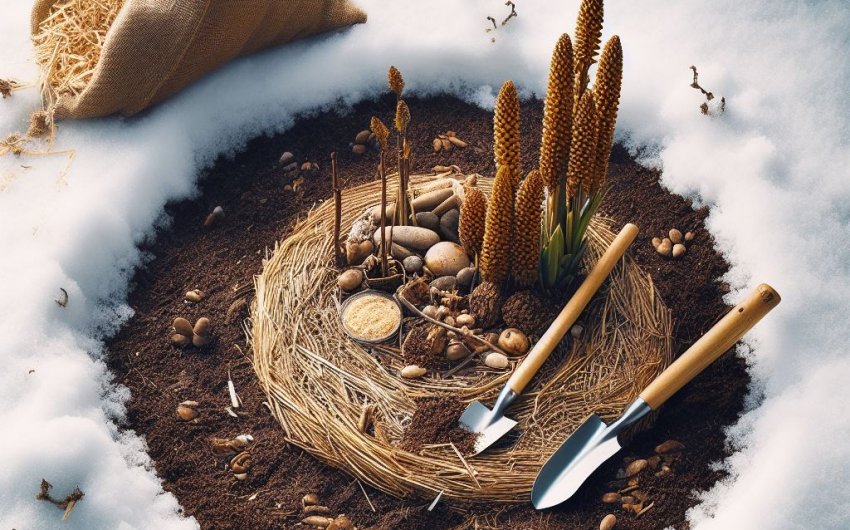
Winter mulching techniques are essential for protecting your soil against freeze, insulating plant roots, and preventing damaging freeze-thaw cycles. Key strategies involve applying a thick layer of organic mulch (like straw or shredded leaves) after the ground has frozen, ensuring the mulch is breathable and kept away from plant crowns to prevent rot.
Why is winter mulching crucial for protecting your garden?
Winter mulching is a vital, often underestimated, practice in cold-weather gardening. Far from being just an aesthetic finishing touch, applying a protective layer of mulch before winter sets in is crucial for insulating plant roots, safeguarding soil structure, and ensuring the survival and vigor of your plants through the harsh freezing months. Understanding its critical role is fundamental to year-round garden success.
How does freezing temperatures harm plants and soil?
Winter's cold can inflict severe damage on plants and soil through several mechanisms.
- Ice Crystal Formation in Roots: This is the most direct threat. Below freezing, water within plant cells (especially in roots) can form sharp ice crystals. These crystals physically puncture cell membranes, causing irreparable damage and death of tissues. Shallow-rooted plants are particularly vulnerable.
- Frost Heave: Repeated cycles of freezing and thawing (common in many temperate climates) cause the soil to expand when frozen and contract when thawed. This movement can physically push plants, especially newly planted ones or shallow-rooted perennials, right out of the ground, exposing their vulnerable root crowns to desiccating winds and colder temperatures.
- Winter Desiccation (Drying Out): In cold, windy conditions, especially for evergreens, water can evaporate from leaves and stems. If the ground is frozen, roots cannot absorb replacement water, leading to severe dehydration (winter burn) and browning/death of foliage.
- Direct Cold Damage to Crowns: The crown of a plant (where the roots meet the stem) is a critical growing point. Direct exposure to extreme cold can kill the crown, preventing the plant from resprouting in spring.
- Soil Structure Degradation: Bare soil exposed to heavy rain, freezing, and thawing can suffer from erosion and compaction. The constant action of water and ice can degrade the delicate aggregates in soil, especially in clay, leading to poorer structure.
- Loss of Soil Life: Extreme cold can reduce the activity and populations of beneficial soil microorganisms and earthworms, impacting long-term soil fertility.
What are the main benefits of winter mulching?
Winter mulching directly counters these dangers, offering a range of protective advantages.
- Insulates Roots: A thick layer of mulch acts like a blanket, insulating the soil and keeping it at a more consistent, warmer temperature. This protects delicate root systems from extreme cold.
- Prevents Frost Heave: By keeping the soil temperature more stable, mulch minimizes the damaging freeze-thaw cycles that cause soil to expand and contract, thus preventing plants from being pushed out of the ground.
- Conserves Soil Moisture: Mulch reduces evaporation from the soil surface, helping to maintain consistent moisture levels, which is crucial for evergreens and for helping dormant plants stay hydrated.
- Reduces Winter Desiccation: For evergreens, by keeping the soil from freezing as deeply, roots can access moisture during winter thaws, helping to replenish water lost from foliage.
- Suppresses Winter Weeds: A thick mulch layer blocks sunlight, preventing dormant weed seeds from germinating as temperatures fluctuate during mild winter spells.
- Reduces Erosion: Protects bare soil from the direct impact of rain, snow, and wind, preventing erosion and nutrient loss.
- Adds Organic Matter: Organic mulches (shredded leaves, straw) slowly break down, adding valuable organic matter to the soil, improving its structure and fertility over time.
- Creates Habitat (with caution): Provides shelter for beneficial insects and sometimes small wildlife (though this requires balancing against potential rodent issues).
By diligently applying winter mulch, you provide a crucial protective layer that ensures your garden's health and vitality, safeguarding your plants and soil until spring's awakening.
What is the ideal timing for applying winter mulch?
The timing of winter mulch application is crucial for its effectiveness. Applying it too early can be detrimental, while applying it too late misses its protective benefits. The key is to wait for specific environmental cues, not just a calendar date.
Why shouldn't I apply winter mulch too early?
Applying mulch prematurely can actually cause more harm than good.
- Traps Heat and Moisture: If applied when the soil is still warm, mulch can trap that warmth and excess moisture in the ground. This delays the natural cooling and freezing process that many perennial plants need to enter proper dormancy.
- Delays Dormancy: Delaying dormancy can make plants more susceptible to damage when a sudden hard freeze eventually arrives. They won't have adequately prepared their tissues for cold.
- Fungal Issues: Trapped warmth and moisture can create conditions conducive to fungal growth and disease (e.g., stem rot, crown rot) around the base of plants.
- Pest Harboring: Warm, moist, sheltered conditions can also create an inviting habitat for rodents and insects close to your plants, where they might chew on dormant stems or roots.
When is the perfect time to apply winter mulch?
The ideal time to apply winter mulch is typically in late fall to early winter, after specific weather events have occurred.
- Wait for the Ground to Freeze (or at least consistently cool):
- DO: The most important rule is to wait until the ground has frozen solid for at least a few inches deep, or at the very least, when temperatures have consistently dropped below freezing (32°F or 0°C) for several nights in a row.
- Why: This ensures that plants have entered proper dormancy and that the soil's natural cooling cycle is complete. Once frozen, the mulch then insulates the soil, keeping it frozen and stable.
- After a Hard Frost: Often, the first sustained period of hard frosts (temperatures in the low 20s °F or -6°C) is a good indicator that the time is right.
- After Deciduous Trees Drop Their Leaves: For deciduous trees and shrubs, wait until they have dropped most, if not all, of their leaves. You can even use these fallen leaves as mulch!
- General Timing (Varies by Zone):
- Northern Climates (Zones 3-5): Often late October to early December.
- Mid-Atlantic/Midwest (Zones 6-7): Often November to early December.
- Warmer Climates (Zones 8-9): May only need lighter mulching, or no specific "winter" mulching, primarily for moisture retention rather than frost protection. Wait until cooler temperatures arrive.
How do I remove winter mulch in spring?
Just as timing is critical for applying mulch, it's also important for removing it.
- Wait for Consistent Warmth:
- DO: In spring, wait until the danger of hard frost has passed and the soil has begun to thaw and warm up consistently. Look for signs of new growth emerging from your plants.
- Why: Removing mulch too early can expose plants to late frosts or fluctuating temperatures, leading to damage.
- Remove Gradually or Partially:
- DO: Gently pull back the thickest layers of mulch from directly around plant crowns, especially if you have sensitive plants or early spring bloomers. You can leave a thinner layer (1-2 inches) around plants as a regular summer mulch, or rake it all back onto pathways/compost it.
- Why: Allowing the sun to reach the soil helps it warm up, encouraging plants to break dormancy and promoting spring growth.
- Watch for Pests:
- DO: Be mindful of overwintering pests (slugs, snails) that might be hiding in the mulch.
By meticulously timing the application of winter mulch, waiting for cold weather to truly set in, you maximize its protective benefits and ensure your garden safely transitions through the freezing months.
What are the best materials and techniques for winter mulching?
Choosing the right materials and applying them correctly are fundamental to effective winter mulching. The goal is to create a breathable, insulating layer that protects plants and soil without causing rot or harboring pests.
What are the best organic materials for winter mulch?
Organic mulches are preferred for winter as they provide insulation and slowly break down to enrich the soil.
- Shredded Leaves:
- Pros: Excellent, free, and readily available. Highly insulative, decompose slowly, add organic matter.
- Cons: Can mat if applied in thick, unshredded layers, potentially reducing airflow and promoting disease.
- Technique: Shred leaves with a mulching lawnmower before applying. Apply a 4-8 inch deep layer over beds.
- Straw:
- Pros: Very light, fluffy, and highly insulative. Excellent for vegetable gardens and around tender perennials. Easy to apply and remove.
- Cons: Can be messy, may contain weed seeds (opt for "straw," not "hay" which contains more seeds).
- Technique: Apply a 4-8 inch deep layer.
- Pine Needles:
- Pros: Lightweight, good aeration, decompose slowly, and can slightly acidify the soil over time (beneficial for acid-loving plants like blueberries).
- Cons: Can be expensive if purchased.
- Technique: Apply a 3-6 inch deep layer.
- Evergreen Boughs (e.g., from Christmas trees/wreaths):
- Pros: Visually attractive, trap snow (which is a good insulator), allow some air circulation, provide moderate insulation.
- Cons: Only available seasonally, decompose slowly.
- Technique: Lay boughs over low-growing perennials or newly planted areas.
- Wood Chips / Bark Mulch:
- Pros: Long-lasting, visually appealing.
- Cons: Can be heavy, may temporarily deplete nitrogen in the topsoil as they decompose if incorporated.
- Technique: Apply a 2-4 inch layer, especially for shrubs and trees. Less ideal for tender perennials or annual beds.
What materials should I avoid for winter mulching?
- Fresh Grass Clippings: Too dense, heavy, and wet. They can mat down, become anaerobic, and promote rot and disease.
- Unshredded Leaves (in very thick layers): Can mat into a solid, impenetrable layer, suffocating plants and promoting fungal issues.
- Plastic Sheeting: Traps too much moisture, prevents air exchange, and can lead to fungal problems.
- Compost (as sole winter mulch): While a great soil amendment, a thick layer of pure compost might be too dense and retain too much moisture directly around vulnerable plant crowns in winter. Better to use compost as a thinner topdressing in spring/fall.
What are the best techniques for applying winter mulch?
Correct application maximizes insulation and prevents rot.
- Prepare the Area:
- DO: Ensure the bed is free of weeds (weeds can provide tunnels for voles under the mulch).
- DO: Water thoroughly before applying mulch if the ground is dry (especially for evergreens).
- DO: Remove any diseased plant material.
- Apply After Ground Has Cooled/Frozen:
- DO: As discussed, wait until after a hard frost and the ground is consistently cold or frozen a few inches deep.
- Apply a Thick, Even Layer:
- DO: Aim for a layer that is generally 4-8 inches deep over the soil, depending on the material and plant sensitivity.
- Why: This thickness provides effective insulation.
- "Donut" Around Plant Crowns:
- DO: Always keep mulch a few inches away from the base of perennial stems, tree trunks, and shrub crowns. Create a "donut" shape.
- Why: Piling mulch directly against crowns can trap excessive moisture, leading to crown rot, fungal issues, and create hiding spots for rodents that might chew on bark.
- Cover the Entire Root Zone:
- DO: Extend the mulch layer out to at least the drip line of trees and shrubs, covering the entire root zone. For beds, cover the entire exposed soil surface.
- Anchor Light Mulches (if needed):
- DO: For very light mulches like straw or unshredded leaves, you may need to place some evergreen boughs or light netting on top to prevent them from blowing away in winter winds.
By selecting appropriate organic materials and applying them with these techniques, you ensure your winter mulch effectively insulates your soil, protects plant roots, and minimizes damage from freezing temperatures and other winter stresses.
How does winter mulching specifically protect different garden plants?
The protective benefits of winter mulching are not universal across all plants; different types of garden inhabitants benefit in specific ways. Understanding these nuances helps you apply mulch strategically for maximum impact on the survival and vigor of your diverse garden plants.
How does winter mulch protect perennial flowers and bulbs?
Perennials and bulbs, though often hardy, are particularly vulnerable to freeze-thaw cycles.
- Perennial Flowers (e.g., Hostas, Daylilies, Peonies):
- Protection: Prevents frost heave by keeping the soil temperature stable. Insulates crowns and shallow roots from extreme cold.
- Technique: After the ground has frozen, apply a 4-6 inch layer of shredded leaves or straw over the entire root zone. Create a donut around the crown to prevent rot.
- Tender Perennials (e.g., Garden Mums, Salvia, Coneflower - in colder zones):
- Protection: Provides essential insulation for roots that are borderline hardy in your zone. Prevents frost heave.
- Technique: Apply a thicker layer (6-8 inches) of insulating mulch (straw, shredded leaves) over the crown and root zone.
- Fall-Planted Bulbs (e.g., Tulips, Daffodils, Crocus):
- Protection: Insulates bulbs from extreme cold, especially if planted later in fall and haven't fully rooted. Prevents frost heave.
- Technique: After planting and a few hard frosts, apply a 3-4 inch layer of shredded leaves or light straw over the bulb bed.
- Dahlia/Canna/Gladiolus Tubers (if left in ground in borderline zones):
- Protection: Provides critical insulation for these tender tubers.
- Technique: Cut back foliage after first frost, then apply a very thick (8-12 inches) layer of straw or shredded leaves over the planting site. This is often a gamble in zones colder than 7.
How does winter mulch protect trees and shrubs?
Young trees and evergreens often face unique winter challenges that mulch can address.
- Young Trees and Shrubs:
- Protection: Insulates the root ball of newly planted trees and shrubs from extreme cold. Prevents frost heave. Reduces competition from winter weeds.
- Technique: Apply a 2-4 inch layer of organic mulch (wood chips, shredded bark, compost, shredded leaves) over the entire root zone, extending to the drip line. Crucially, keep mulch several inches away from the trunk to prevent rot and rodent damage.
- Evergreen Trees and Shrubs (e.g., Rhododendrons, Azaleas, Hollies):
- Protection: Protects roots from freezing, allowing them to access moisture during winter thaws. Reduces winter desiccation (winter burn) by ensuring roots can replenish water lost from evergreen foliage in cold, dry winds.
- Technique: Apply 2-4 inches of mulch (pine needles, pine bark, shredded leaves) over the root zone.
- Additionally: Ensure evergreens are deeply watered in late fall before the ground freezes. Consider anti-desiccant sprays or burlap screens for highly exposed or sensitive evergreens.
- Roses:
- Protection: Insulates the graft union (for grafted roses) and canes from extreme cold, especially for Hybrid Teas and Floribundas. Prevents freeze-thaw damage.
- Technique: After the first hard freeze, mound a 10-12 inch layer of loose, well-draining material (compost, shredded leaves, shredded bark) around the base of the rose bush. This covers the graft union. Remove in early spring.
How does winter mulch protect vegetable gardens and fruit crops?
Winter mulching has specific uses for dormant or overwintering edible plants.
- Perennial Vegetables (e.g., Asparagus, Rhubarb, Artichokes):
- Protection: Insulates crowns and root systems from extreme cold and freeze-thaw cycles.
- Technique: After plants die back, apply a 4-6 inch layer of straw or shredded leaves over the entire bed. Remove in early spring.
- Garlic and Onions (Fall Planted):
- Protection: Prevents frost heave, keeping bulbs firmly in the ground. Provides insulation.
- Technique: After planting and a few frosts, apply a 2-4 inch layer of straw or shredded leaves over the bed. Remove in early spring.
- Strawberry Beds:
- Protection: Insulates plants from cold and prevents damaging freeze-thaw cycles that can heave plants out of the ground.
- Technique: After plants have experienced a few hard frosts (but before extreme cold), apply a 4-6 inch layer of clean straw over the entire bed. Remove in early spring.
- Raspberries/Blackberries:
- Protection: Insulates crowns and roots, especially for tender varieties in colder zones.
- Technique: Apply 4-6 inches of shredded leaves or straw around the base of plants.
By understanding the specific vulnerabilities of each plant type and tailoring your winter mulching techniques and materials accordingly, you can provide targeted and effective protection, ensuring the health and survival of your diverse garden plants through the challenging freezing months.
What common mistakes should I avoid with winter mulching?
While winter mulching offers incredible benefits, common mistakes can negate its protective qualities and even harm your plants. Avoiding these pitfalls is crucial for ensuring your mulch effectively insulates soil and safeguards your garden through the freezing months.
1. Applying mulch too early.
This is the most common and potentially harmful mistake.
- Mistake: Applying a thick layer of winter mulch when the soil is still warm in early fall.
- Why it's Harmful:
- Delays Dormancy: Traps warmth in the soil, preventing plants from receiving the cold cues they need to enter proper dormancy. This makes them vulnerable to a sudden, later hard freeze.
- Fungal Rot: Trapped warmth and moisture create ideal conditions for fungal diseases (e.g., crown rot, stem rot) around the base of plants, especially if the mulch is piled too high.
- Pest Attraction: Creates a cozy, warm, moist habitat for rodents and slugs/snails right next to vulnerable plant crowns.
- DO: Wait until the ground has frozen solid for at least a few inches deep, or at least until temperatures have consistently dropped below freezing (32°F / 0°C) for several nights in a row. This ensures plants are dormant and the soil has cooled.
2. Piling mulch too high against plant crowns or tree trunks.
The "mulch volcano" is a classic, damaging mistake.
- Mistake: Creating a cone or "volcano" of mulch that piles up directly against the base of perennial stems, shrub crowns, or tree trunks.
- Why it's Harmful:
- Crown/Stem Rot: Traps excessive moisture directly against the plant's sensitive crown or bark, leading to rot, fungal infections, and disease.
- Rodent Damage: Provides a perfect, sheltered tunnel for voles and mice to chew on bark and stems, girdling (killing) trees and shrubs unnoticed under the snow.
- Insect Pests: Creates hiding places for overwintering insect pests.
- Root Girdling: For trees, if fine roots grow into the mulch pile, they can eventually girdle the main trunk.
- DO: Always create a "donut" shape with your mulch. Keep mulch a few inches (3-6 inches) away from the base of perennial stems, tree trunks, and shrub crowns.
- DO: Apply a thick layer over the root zone, not against the stem.
3. Using the wrong type of mulch.
Some mulches are better suited for winter protection than others.
- Mistake: Using fine, dense, or non-breathable mulches that mat down when wet.
- Why it's Harmful:
- Reduced Airflow: Material like fresh grass clippings or unshredded leaves applied too thickly can mat into an impenetrable layer, suffocating plants and promoting anaerobic (oxygen-deprived) conditions and fungal diseases.
- Trapped Moisture: Non-breathable mulches (like plastic sheeting) trap too much moisture, preventing air exchange and creating soggy conditions.
- DO: Choose loose, airy, coarse-textured organic mulches like shredded leaves, straw, pine needles, or evergreen boughs.
- DO: If using leaves, shred them first to prevent matting.
- DON'T: Use plastic sheeting or unshredded, matted leaves.
4. Not watering before mulching (if dry).
While the ground should be cool/frozen, it needs to enter winter hydrated.
- Mistake: Applying mulch over dry soil, especially for evergreens or in dry fall conditions.
- Why it's Harmful: Mulch will seal in the dryness, preventing any moisture from reaching the roots. Evergreens are particularly vulnerable to winter desiccation (drying out) if their roots can't access water from frozen soil.
- DO: If the soil is dry, give your plants a deep, thorough watering in late fall before the ground freezes solid and before applying winter mulch.
5. Not removing mulch properly in spring.
Winter mulch serves its purpose, then needs to be managed.
- Mistake: Leaving thick layers of winter mulch directly over emerging plants in spring.
- Why it's Harmful:
- Delays Warming: Insulates the soil from the warming spring sun, delaying bud break and emergence for perennials and vegetables.
- Smothers New Growth: Can physically prevent delicate new shoots from emerging.
- Promotes Rot: Traps excessive moisture around new spring growth, encouraging rot.
- Harbors Slugs/Snails: Creates ideal hiding places for pests as the weather warms.
- DO: In spring, once the danger of hard frost has passed and you see signs of new growth, gently pull back the thickest layers of winter mulch from directly around plant crowns. You can leave a thinner layer (1-2 inches) as a regular summer mulch, or rake it away from beds.
By diligently avoiding these common winter mulching mistakes, you ensure your protective efforts are truly beneficial, safeguarding your plants and soil through the cold months and promoting a vibrant, healthy garden come spring.