
How do I prepare my lawn for winter?
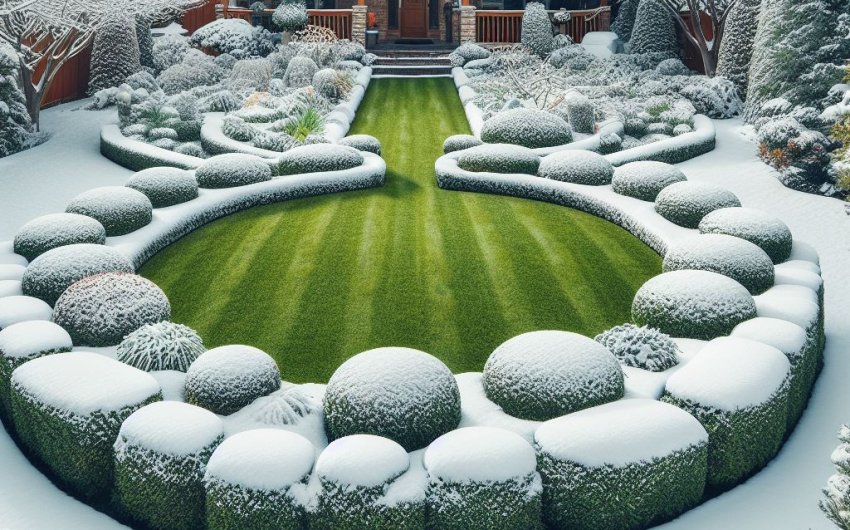
Does Your Lawn Look Sad After Winter?
Imagine the joy of spring, when your lawn bursts into lush green life. But sometimes, after a long winter, your grass might look thin, patchy, or covered in dead spots. This often happens because the lawn wasn't properly prepared for the cold months ahead. Winter can be tough on lawns, with freezing temperatures, snow, ice, and dormancy. But with a little effort in the fall, you can give your lawn the best chance to survive winter strong and bounce back beautifully in spring. Learning how to prepare your lawn for winter is one of the most important things you can do for its long-term health.
Why Fall Lawn Preparation is So Important
Fall isn't just about admiring colorful leaves; it's a crucial time for lawn care. What you do in fall directly impacts how your lawn performs next spring and summer.
1. Builds Stronger Roots
- Nutrient Storage: In fall, as temperatures cool, grass plants shift their energy from growing blades upwards to growing roots downwards and storing energy.
- Winter Hardiness: A strong, deep root system helps the lawn survive the stresses of winter (cold, freezing soil, drought). These stored nutrients fuel early spring growth.
2. Prevents Winter Damage
- Snow Mold: Proper fall care can reduce the risk of snow mold (a fungal disease that appears as matted white or gray patches when snow melts).
- Winter Desiccation: Evergreens (like grass) can suffer from winter desiccation (drying out) if moisture isn't available in the frozen soil. Proper fall watering helps prevent this.
- Compaction: Preparing the soil in fall helps it withstand the weight of snow and foot traffic better, reducing compaction.
3. Fights Weeds Next Spring
- Pre-Emergent Application: Fall is often the ideal time to apply pre-emergent herbicides for cool-season weeds that sprout in late winter or early spring.
- Healthy Turf: A dense, healthy lawn (result of good fall care) is naturally better at crowding out weeds.
4. Promotes Early Spring Green-Up
- Stored Energy: The nutrients absorbed and stored in fall are what the grass uses to wake up and green up quickly in spring.
- Less Stress: A well-prepared lawn experiences less stress coming out of dormancy, leading to a faster and more vibrant recovery.
By investing time in fall lawn preparation, you're setting your lawn up for success not just through winter, but for the entire next growing season. It's often considered the most important fertilizing and cultural practice of the year.
Step 1: Continue Mowing Correctly
Don't put away your mower too early! Proper mowing throughout fall and the final cut before winter are vital.
1. Continue Mowing as Long as Grass is Growing
- Don't Stop Early: Keep mowing your lawn as long as the grass is actively growing. This could be well into late fall or even early winter in some milder climates.
- Why: Mowing removes excess leaf tissue that could harbor diseases like snow mold.
2. Gradually Lower Mowing Height (Over Weeks)
- Not All at Once: Don't suddenly scalp your lawn. Over a few mowing sessions in late fall, gradually lower your mower blades.
- Final Cut: The final cut of the season (just before growth stops or the first permanent frost) should be shorter than usual, but not excessively so.
- Cool-Season Grasses: Aim for a final height of 2 to 2.5 inches.
- Warm-Season Grasses: Can often be mowed even shorter, down to 1-1.5 inches, to encourage new growth in spring.
- Why a Shorter Final Cut:
- Reduces Snow Mold: A shorter lawn means less matted grass under snow, which significantly reduces the risk of snow mold.
- Prevents Rodent Damage: Very tall grass can provide shelter for voles and other rodents, which might chew on the grass under snow cover.
- Allows Light to Crown: A shorter blade allows more sunlight to reach the grass crown (the base of the plant) in early spring, promoting faster green-up.
3. Keep Mower Blades Sharp
- Clean Cut: Always use sharp mower blades. Dull blades tear the grass, leaving ragged edges that are more susceptible to disease and winter stress.
- Maintenance: Sharpen your blades before your final fall cuts. A simple lawn mower blade sharpener can do the trick.
4. Bag Clippings for the Last Cut
- Why: For the very last mow of the season, it's often recommended to bag the clippings. This removes any lingering fungal spores or excess organic matter that could contribute to snow mold.
- Otherwise, Mulch: Throughout the rest of fall, continue to mulch grass clippings back into the lawn (they add nutrients!). Just bag the final one.
Proper fall mowing is a simple but powerful step in getting your lawn ready for the dormant season.
Step 2: Rake or Mulch Fallen Leaves
Fallen leaves are beautiful, but leaving a thick layer on your lawn over winter can cause serious problems.
1. Why Remove Fallen Leaves from the Lawn?
- Smothering: A thick blanket of leaves can smother your grass, blocking sunlight and air circulation, eventually killing the grass underneath.
- Snow Mold: Leaves trap moisture and create a dark, damp environment under snow, which is ideal for the development of snow mold and other fungal diseases.
- Pest Harbor: Leaves can provide shelter for unwanted pests over winter.
- Nutrient Depletion: While leaves add nutrients, a matted layer can actually prevent water and nutrients from reaching the soil and grass roots.
2. How to Remove Leaves
- Raking: The traditional method. Rake leaves off your lawn and either bag them, or better yet, compost them! (See below). A good lawn rake is essential.
- Mulching Mower: This is often the most efficient and beneficial method. Use a mulching mower (or a regular mower with a mulching blade) to shred the leaves into small pieces directly on the lawn.
- Benefits: The shredded leaves act as a natural mulch, adding organic matter and nutrients back to the soil. They also suppress weeds.
- Key: The leaf pieces must be very small so they can fall between the grass blades and decompose quickly. You shouldn't see large clumps. If your lawn is covered in an excessively thick layer of leaves, rake some away first before mulching the rest.
3. What to Do with Excess Leaves
- Compost Them! Fallen leaves are an excellent "brown" (carbon-rich) material for your compost pile. They are a valuable resource for making nutrient-rich compost for your garden.
- Mulch Garden Beds: You can rake or shred leaves and use them as a natural mulch in your garden beds. They insulate plant roots, retain moisture, and suppress weeds.
Taking care of fallen leaves is a vital fall lawn chore that protects your grass and provides valuable resources for your garden.
Step 3: Fertilize for Winter (Winterization)
Fall is arguably the most important time to fertilize your lawn. This is called "winterization," and it gives your grass the nutrients it needs to survive the cold and green up beautifully in spring.
1. Why Fertilize in Fall?
- Root Development: As temperatures cool, grass plants naturally shift their energy towards root growth rather than blade growth. Fall fertilizer provides the essential nutrients for this deep root development, which is crucial for winter hardiness.
- Nutrient Storage: The grass absorbs and stores these nutrients in its roots and crowns. This stored energy acts as a reserve that fuels the lawn's rapid green-up and strong growth in spring before you even apply spring fertilizer.
- Stress Recovery: Helps the lawn recover from the stresses of summer heat and traffic.
- Weed Suppression: A healthy, vigorous lawn in fall is better able to outcompete winter weeds.
2. When to Apply Winterizer Fertilizer
- Timing is Key: Apply your winterizer fertilizer when daytime temperatures are still mild (e.g., 50-60°F or 10-15°C) but before the ground completely freezes. This allows the grass to absorb the nutrients before dormancy.
- Cool-Season Grasses: Late fall, typically October or November, depending on your region.
- Warm-Season Grasses: Usually an early fall application (September or early October) is best, avoiding late fall fertilization which can stimulate tender new growth that's vulnerable to frost. In warmer parts of the South, a lighter late-fall application might be recommended for color, but check local recommendations.
- Last Growth Before Dormancy: The goal is to apply it when the grass is still active enough to absorb nutrients but just before it enters full dormancy.
3. What Kind of Fertilizer to Use
- High Potassium (K): Look for a "winterizer" fertilizer or one with a higher third number (Potassium). Potassium helps with plant hardiness, disease resistance, and water regulation, which are vital for winter survival.
- Lower Nitrogen (N): Avoid too much nitrogen (the first number) in late fall, as it can encourage new top growth that isn't hardy enough for winter. Some winterizers may have a relatively high N, but it's often in a slow-release form.
- Slow-Release Nitrogen: If nitrogen is present, choose a slow-release granular fertilizer. This feeds the grass gradually over a longer period, reducing the risk of burning and ensuring nutrients are available for spring. You can use winter lawn fertilizer for optimal results.
4. Application
- Use a Spreader: Use a broadcast or drop spreader to apply the fertilizer evenly, following the rates on the package. This prevents streaks and burning.
- Water In: Lightly water the lawn after applying granular fertilizer to help it settle into the soil and prevent burning.
Proper fall fertilization is the most crucial step for ensuring a vibrant, healthy lawn next spring.
Step 4: Aerate and Overseed (If Needed)
Fall is also a prime time for aeration and overseeding, practices that significantly contribute to a dense, healthy, and winter-hardy lawn.
1. Core Aeration
- What it is: The process of removing small plugs of soil from your lawn.
- Why it's important:
- Relieves Compaction: Foot traffic, mowers, and heavy rains can compact soil, making it difficult for water, air, and nutrients to reach grass roots.
- Improves Drainage: Reduces runoff and allows water to penetrate deeply.
- Encourages Root Growth: Creates channels for roots to grow deeper and stronger, making the lawn more resilient to winter stresses.
- Timing:
- Cool-Season Grasses: Fall (late August to October) is the ideal time.
- Warm-Season Grasses: Best done in late spring or early summer.
- Tools: You can rent a core aerator from a local equipment rental store or hire a professional lawn care service. For effective aeration, consider using a lawn aeration tool.
2. Overseeding (for Cool-Season Grasses in Fall)
- What it is: Spreading new grass seed over your existing lawn to fill in thin spots and increase overall density.
- Why it's important: A dense lawn is healthier, more weed-resistant, and better able to withstand stresses.
- Timing:
- Cool-Season Grasses: If you have cool-season grass, fall (late August to early October) is the absolute best time for overseeding. The soil is warm, air temperatures are cooler, and weed competition is lower.
- Warm-Season Grasses: Overseeding for warm-season grasses is typically done in late spring/early summer.
- How to Overseed (Steps):
- Mow Short: Mow your lawn slightly shorter than usual (e.g., 2 inches).
- Dethatch/Aerate: Ideally, dethatch (if thatch is over 1/2 inch thick) and/or aerate just before overseeding. This creates good seed-to-soil contact.
- Spread Seed: Use a broadcast spreader to apply the new grass seed at the recommended overseeding rate (usually lower than starting a new lawn). Use the same grass type as your existing lawn for consistency.
- Lightly Rake/Top-Dress: Lightly rake the seed into the existing lawn or apply a very thin layer of compost or topsoil to ensure good seed-to-soil contact.
- Water Consistently: Keep the newly seeded areas consistently moist (light, frequent watering) until the seeds germinate and establish. This is critical. A reliable product is lawn overseeding grass seed.
Aeration and overseeding in the fall can dramatically improve the density, vigor, and winter hardiness of your cool-season lawn, ensuring it comes back stronger and fuller in spring.
Step 5: Address Weeds and Pests
While fall lawn preparation focuses on building a strong lawn, it's also a good time to take targeted action against weeds and pests that can cause trouble over winter or in spring.
1. Fall Weed Control
- Target Perennial Weeds: Fall is often the best time to treat perennial weeds like dandelions, clover, and plantain. These weeds are actively storing energy in their roots for winter, so they will readily absorb herbicides and be killed more effectively.
- Pre-Emergent for Cool-Season Weeds: For cool-season weeds (like annual bluegrass or chickweed) that germinate in late fall or winter, apply a pre-emergent herbicide in early to mid-fall (before soil temperatures drop too low, and before the seeds germinate). This creates a barrier that prevents weed seeds from sprouting.
- Caution: Do NOT apply pre-emergent if you plan to overseed within the next 6-12 weeks, as it will also prevent your grass seed from germinating.
- Manual Removal: For a few scattered weeds, hand-pulling is always an effective and chemical-free option. A stand-up weed puller can make this much easier. For targeted treatment, use a lawn weed killer concentrate.
2. Fall Pest Management (Grubs)
- Grub Control: If you have experienced grub damage in late summer/early fall (irregular brown patches that pull up like carpet, increased bird activity), fall is a key time for control.
- Timing: In early to mid-fall, small, newly hatched grubs are feeding actively and close to the soil surface, making them vulnerable to curative grub control products (e.g., those containing trichlorfon).
- Beneficial Nematodes: Fall is also a good time to apply beneficial nematodes (microscopic worms that prey on grubs) when soil temperatures are still warm. These are a natural, organic option.
- Identification: Always confirm you have grubs before treating (dig up a small square of lawn to count them).
- Other Pests: Most other lawn pests (like chinch bugs or sod webworms) are active in warmer months, so fall treatment is usually focused on grubs and weeds.
By proactively managing weeds and pests in the fall, you reduce the problems your lawn will face coming out of winter, leading to a healthier and more resilient lawn next spring.
Step 6: Winter Watering and Final Preparations
Even though your lawn is heading into dormancy, there are still a few final steps to take to protect it through winter.
1. Winter Watering (Crucial for Evergreens)
- Not During Dormancy: Once your lawn has gone completely dormant (turned brown for warm-season grasses, or stopped growing in very cold areas for cool-season grasses), you typically don't water unless you live in an area with dry winters.
- Evergreen Protection: For cool-season grasses in areas with dry winters and no snow cover, you might need to give them an occasional deep watering during mild periods (when temperatures are above freezing) to prevent winter desiccation (drying out). This is especially true for newly seeded lawns or those on sandy soil. Water only when the ground is not frozen.
- Why: Even dormant grass can lose moisture through its blades, and if the soil is frozen, it can't take up water, leading to browning and dieback.
- Rule of Thumb: If there's no snow cover and your lawn hasn't received any moisture (rain or snow) for several weeks, and temperatures are above freezing, a deep watering can be beneficial.
2. Clean and Store Equipment
- Mower Maintenance:
- Clean under the deck to prevent rust and accumulation of clippings.
- Drain the gas tank or add a fuel stabilizer (to prevent gumming up the engine).
- Remove and sharpen/replace the blade.
- Change the oil and spark plug if due.
- Store in a dry place.
- Sprinklers/Hoses:
- Drain all water from hoses and sprinkler systems (especially in freezing climates) to prevent pipes from bursting.
- Disconnect and store garden hoses indoors.
- Blow out irrigation systems or hire a professional.
- Other Tools: Clean and sharpen garden tools, then store them in a dry place. Use garden tool maintenance spray to prevent rust.
3. Minimize Winter Traffic
- Avoid Walking on Frozen Grass: Try to avoid walking heavily on your lawn when the ground is frozen or covered in snow, especially for cool-season grasses.
- Why: Foot traffic on frozen or dormant grass can damage the blades and crowns, leading to dead spots or brown pathways that won't recover until spring.
By taking these final steps, you ensure your lawn is fully prepared to endure the challenges of winter, giving it the best possible chance to emerge vibrant and healthy when spring arrives.