
What is composting and why is it important for gardeners?
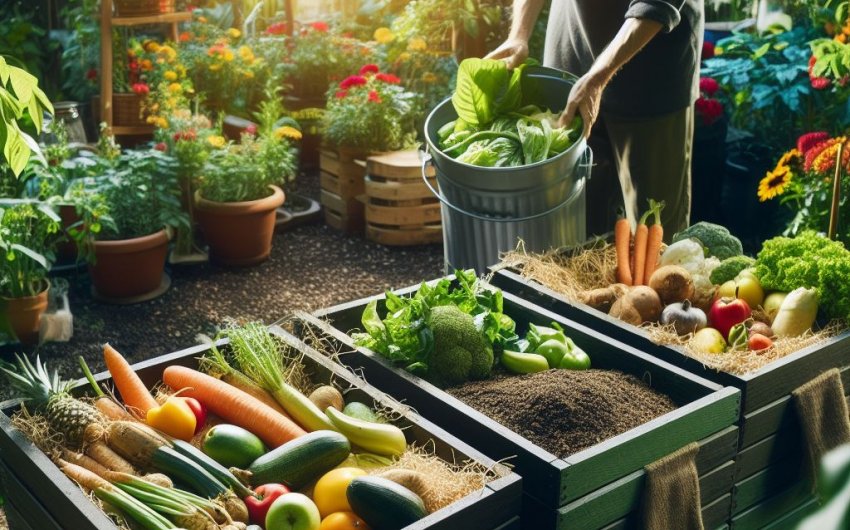
You gaze at your kitchen scraps – vegetable peels, coffee grounds, uneaten fruit – destined for the trash. You look out at your yard – fallen leaves, grass clippings, spent garden plants – gathered for disposal. What if these "wastes" weren't waste at all? What if they were gold, "black gold," waiting to be transformed into the most powerful amendment for your garden? This transformation is the magic of composting.
Composting is nature's ultimate recycling program, a biological process that converts organic matter into a rich, dark, crumbly material that smells like fresh earth. It's an indispensable practice for any gardener, from beginner to expert, seeking to create a thriving garden that is both productive and sustainable. Understanding what composting is and why it is important for gardeners unveils a secret weapon for unparalleled soil health and vibrant plant growth.
What is Composting? (The Science Behind the Magic)
Composting might seem like a mysterious process, but at its heart, it's simply controlled decomposition. It's harnessing nature's own recycling crew – tiny, unseen workers – to break down organic materials into something incredibly valuable. Understanding what composting is involves a peek into the science behind the magic, revealing how humble scraps become "black gold."
It's an aerobic process driven by diligent microorganisms, working to transform waste into a resource.
The Role of Decomposition
At the very core of composting is the role of decomposition. This is a fundamental natural process where complex organic matter is broken down into simpler, more stable forms.
- Nature's Recyclers: In natural ecosystems (like a forest floor), fallen leaves, dead plants, and animal remains don't just pile up endlessly. They decompose, returning their nutrients back to the soil profile to support new growth. Composting is essentially speeding up and concentrating this natural process in a controlled environment.
- Organic Matter Breakdown: Decomposition involves a vast array of microorganisms (bacteria, fungi, protozoa) and larger invertebrates (earthworms, mites, insects). These decomposers feed on the organic matter, breaking down complex carbon compounds (like cellulose in plant cell walls) into simpler sugars, gases, and eventually stable humus.
- Nutrient Cycling: As organic matter is broken down, the nutrients (nitrogen, phosphorus, potassium, etc.) that were locked within the plant material are gradually released in forms that new plants can absorb from the soil. This is nutrient cycling.
- Heat Generation (Hot Composting): During rapid, active decomposition (known as hot composting), the intense metabolic activity of billions of microorganisms generates heat. This heat is a sign of a healthy, efficient compost pile at work.
- From Waste to Resource: Without decomposition, organic materials would just accumulate indefinitely, and nutrients would be permanently locked away. Decomposition is crucial for recycling nutrients back into the ecosystem, making them available for future generations of plants.
The role of decomposition is central to life on Earth, and composting is our way of actively participating in and benefiting from this essential natural cycle.
Key Ingredients: "Greens," "Browns," Water, Air
A successful compost pile requires a careful balance of key ingredients: "greens," "browns," water, and air. These elements provide the perfect environment for the microorganisms to thrive and break down organic matter.
- "Greens" (Nitrogen-Rich):
- Description: These are fresh, moist, and typically green materials that are high in nitrogen. They are the "fuel" or "protein source" for your microorganisms, making them reproduce rapidly and heat up the pile.
- Examples: Fresh grass clippings, food scraps (fruit and vegetable peels, coffee grounds, tea bags), fresh plant trimmings, aged manure (from herbivores).
- "Browns" (Carbon-Rich):
- Description: These are dry, woody, and fibrous materials that are high in carbon. They are the "energy source" and "structure" for your microorganisms, preventing the pile from becoming dense and soggy.
- Examples: Dry leaves, straw, shredded newspaper/cardboard (non-glossy, non-colored), wood chips, small twigs.
- Water (Moisture):
- Role: Microorganisms need water to live and move around. The compost pile should be consistently moist, like a wrung-out sponge – damp, but not soggy or dripping.
- Too Dry: Decomposition slows significantly or stops.
- Too Wet: Leads to anaerobic conditions and foul odors.
- Air (Oxygen):
- Role: The most efficient decomposers are aerobic microorganisms, which need oxygen to break down organic matter. Oxygen prevents the pile from becoming smelly and slimy.
- Aeration: Achieved by balancing "browns" (which create air pockets) and regularly turning the pile.
- The Carbon-to-Nitrogen (C:N) Ratio:
- Ideal: A perfect compost pile aims for a C:N ratio of roughly 25-30 parts carbon to 1 part nitrogen by weight. In practical terms, this often means 2-3 parts "browns" to 1 part "greens" by volume. This ratio fuels optimal microbial activity.
Getting the key ingredients in the right balance ensures a fast, efficient, and odor-free composting process.
The Role of Microorganisms (The Unsung Heroes)
The true unsung heroes of composting are the countless microorganisms that silently orchestrate the entire transformation process. Without them, your compost pile would just be a pile of rotting waste.
- Types of Microorganisms:
- Bacteria: The most numerous and active decomposers. They break down simple sugars and proteins first, then tackle more complex compounds. They are responsible for generating much of the heat in hot compost piles.
- Fungi: Play a crucial role in breaking down tougher, woody materials (cellulose and lignin) that bacteria often can't handle. They appear as white threads or cobweb-like structures in the compost pile.
- Actinomycetes: A type of bacteria that looks like fungi. They help break down resistant materials and often give finished compost its characteristic earthy smell.
- Protozoa, Nematodes, Rotifers: Microscopic animals that prey on bacteria and fungi, helping to release and cycle nutrients in the compost pile.
- Their Importance:
- Decomposition: They consume and break down organic matter, transforming complex compounds into simpler ones.
- Nutrient Cycling: They convert nutrients from unavailable forms (bound in organic material) into forms that plants can easily absorb. For example, nitrogen-fixing bacteria can convert atmospheric nitrogen into usable forms.
- Heat Production: Their metabolic activity generates the heat in a hot compost pile.
- Disease Suppression: A diverse community of beneficial microorganisms can outcompete or suppress harmful pathogens.
- Creating a Good Environment for Microbes: To encourage these essential microorganisms, you need to provide them with:
- The right C:N ratio (balanced "greens" and "browns").
- Adequate moisture.
- Plenty of oxygen (through aeration).
- Small particle size (more surface area for them to work on).
The role of microorganisms is what truly makes composting a biological marvel, turning kitchen and yard waste into valuable compost.
The End Product: Finished Compost
After the microorganisms have done their work, the end product is finished compost, often called "black gold" by gardeners. It's a stable, valuable soil amendment ready to enrich your garden.
- Characteristics of Finished Compost:
- Appearance: Dark brown or black, crumbly, and uniform in texture. You should no longer be able to identify the original materials (no recognizable banana peels, leaves, or grass blades).
- Smell: Should have a pleasant, earthy, forest-floor smell. It should never smell rotten, sour, or like ammonia. A bad smell indicates that it's not fully decomposed or is anaerobic.
- Temperature: Should be cool to the touch throughout, indicating that the active decomposition phase is complete and the microbes have stabilized.
- What it Contains:
- Humus: A stable form of organic matter that is highly resistant to further decomposition. Humus significantly improves soil structure and water retention.
- Slow-Release Nutrients: A balanced array of macro- and micronutrients, released gradually over time as microorganisms continue their subtle work.
- Beneficial Microorganisms: A diverse population of microbes that will further enhance the life in your garden soil.
- Ready for Use: Once mature, finished compost is ready to be incorporated into garden beds, used as a top dressing, or mixed into potting mixes.
Finished compost is the tangible reward for your composting efforts, a nutrient-rich and biologically active material that will transform your garden into a thriving oasis.
Why is Composting Important for Gardeners? (The Benefits)
For gardeners, composting offers a cascade of benefits that directly translate into healthier plants, more productive harvests, less work, and a more sustainable approach to gardening. It's a practice that truly pays dividends.
From improving soil health to saving money and protecting the environment, composting is an indispensable tool in any gardener's arsenal.
Enhances Soil Health and Fertility
The primary reason composting is important for gardeners is its profound ability to enhance soil health and fertility. It fundamentally transforms your soil into a living, vibrant medium.
- Improved Soil Structure: When compost (rich in organic matter) is added to soil, it improves its physical characteristics:
- For Clay Soils: It breaks up dense, heavy clay soils, creating larger pore spaces for better drainage and aeration, preventing compaction and root rot.
- For Sandy Soils: It acts like a sponge, binding loose sand particles together, which significantly improves water retention and nutrient-holding capacity.
- Overall Friability: Makes the soil more crumbly, workable, and easier to dig and plant in.
- Increased Water Retention: Compost-rich soil acts like a vast sponge, absorbing and holding significantly more water than unamended soil. This means your garden will need less frequent watering, making plants more drought-tolerant and conserving water resources.
- Slow-Release Nutrients: Provides a balanced array of essential nutrients (N-P-K and micronutrients) that are gradually released over time as microorganisms continue to break down the organic matter. This offers consistent feeding, reduces the risk of fertilizer burn or leaching, and supports healthy plant growth.
- Boosts Microbial Life: Compost inoculates your soil with billions of beneficial microorganisms (the soil food web), which are vital for nutrient cycling, disease suppression, and soil structure improvement.
- Stabilizes pH: Organic matter helps buffer soil pH, making it more stable and helping to ensure nutrients are available to plants across a wider pH range.
Compost doesn't just feed plants; it literally rebuilds and revitalizes the soil ecosystem, creating the optimal environment for strong, healthy plant growth.
Reduces the Need for Chemical Fertilizers and Pesticides
By building naturally fertile and resilient soil, composting reduces the need for chemical fertilizers and pesticides, leading to a healthier garden and environment.
- Natural Fertilizer Source: As compost supplies a steady stream of slow-release nutrients, gardeners can significantly cut back on, or even eliminate, the use of synthetic chemical fertilizers. This saves money and reduces the environmental impact associated with their production and transport.
- Enhanced Pest and Disease Resistance: Plants growing in compost-rich, healthy soil are generally stronger, more vigorous, and have better natural defenses. They are more resilient to minor pest attacks and less susceptible to diseases (especially soil-borne diseases), often recovering without intervention. The diverse microbial community in healthy soil can also outcompete or suppress harmful pathogens.
- Fewer Problematic Runoff/Leaching: Synthetic fertilizers and pesticides can leach into groundwater or run off into waterways, contributing to water pollution (eutrophication). Using compost minimizes this risk, as nutrients are bound in organic matter and beneficial microbes help filter water.
- Safer for Family and Pets: A garden that relies on compost instead of chemicals is safer for children, pets, and local wildlife.
- Supports Beneficial Organisms: Chemical pesticides can harm beneficial insects (pollinators, predatory bugs) and soil microbes. Composting supports these essential organisms, creating a more balanced and self-regulating ecosystem in your garden.
Composting fosters a naturally robust garden, empowering gardeners to embrace more eco-friendly approaches that diminish their reliance on external, potentially harmful, chemical inputs.
Diverts Waste from Landfills
Beyond its direct benefits to the garden, composting offers a significant environmental benefit by actively diverting waste from landfills. This has far-reaching positive impacts on climate change and resource management.
- Major Waste Component: Organic waste (food scraps, yard trimmings) constitutes a large portion of what fills our landfills. By composting these materials, you dramatically reduce the volume of waste your household contributes.
- Methane Emission Prevention: When organic waste is buried in landfills, it decomposes without oxygen (anaerobic decomposition). This process produces large quantities of methane (( \text{CH}_4 )), a potent greenhouse gas that is 25-30 times more powerful than carbon dioxide in trapping heat in the atmosphere over a 100-year period. Composting (an aerobic process) prevents this methane production, releasing primarily carbon dioxide (which is part of the natural short-term carbon cycle).
- Carbon Sequestration: When compost is applied to garden soil, a portion of the carbon in the organic matter is sequestered (stored) in the soil for decades or longer, actively drawing carbon dioxide from the atmosphere and helping to mitigate climate change.
- Resource Conservation: Instead of discarding valuable resources, composting allows them to be recycled back into productive use, reducing the need for virgin materials and further industrial processes.
- Reduces Transport Emissions: Diverting waste locally through home composting reduces the need for long-haul transportation of waste to distant landfills, saving on fossil fuel consumption and associated emissions.
Composting is a tangible, everyday action that allows gardeners to directly contribute to waste reduction and climate change mitigation, making it an incredibly important environmental practice.
Saves Money and Provides Free Soil Amendment
For the practical gardener, composting is a fantastic way to save money and provides free soil amendment that outperforms many store-bought alternatives.
- Free Fertilizer and Soil Amendment: Instead of spending money on bags of topsoil, chemical fertilizers, or specialized soil amendments, you can produce your own high-quality compost for free, using materials you'd otherwise throw away.
- Reduced Watering Costs: Compost-amended soil holds water much more efficiently, reducing the need for frequent watering. This translates to lower water bills, especially during dry spells or in drought-prone regions.
- Lower Waste Disposal Costs: For households or businesses charged by the volume or weight of their waste, diverting organic matter to a compost pile can reduce trash collection fees.
- Increased Yields: Healthier plants grown in compost-enriched soil often produce larger, more abundant harvests, increasing your garden's output without additional cost for inputs.
- Reduced Pest and Disease Management Costs: A healthier lawn that naturally resists pests and diseases may require fewer expensive treatments or pesticides.
Composting is a win-win for the gardener's wallet and the garden's vitality, providing a continuous supply of free, top-tier soil amendment that fuels a thriving garden.
Starting Your Composting Journey: Practical Steps
Ready to turn your organic waste into "black gold"? Starting your composting journey is easier than you might think. It doesn't require complex equipment or advanced science. By following a few practical steps, you can establish a thriving compost pile or bin that will reward you for seasons to come.
It's about creating the right environment for nature's recyclers to do their work efficiently and without odors.
1. Choose Your Composting Method and Location
The first practical step is to choose your composting method and location, aligning them with your available space, the volume of waste you produce, and your desired level of involvement.
- Composting Methods:
- Compost Bin (Contained):
- Description: Enclosed structures (plastic bins, wire mesh cylinders, wooden bins made from pallets).
- Pros: Tidy, keeps contents contained, helps deter some pests, good for small to medium yards.
- Cons: Some designs can be harder to turn, volume is limited. A common plastic compost bin is a good starting point.
- Compost Tumbler:
- Description: Sealed, rotating drums mounted on a stand.
- Pros: Very easy to turn (just spin!), excellent odor and pest control (sealed design), relatively fast decomposition.
- Cons: Higher upfront cost, limited volume. A compost tumbler for backyard is convenient for kitchen scraps.
- Compost Pile (Open Heap):
- Description: A simple heap of organic matter piled directly on the ground.
- Pros: Free, no special equipment needed, good for large volumes of yard waste.
- Cons: Can look messy, attracts more pests if not managed meticulously, harder to control odors, slower decomposition if not turned often.
- Worm Composting (Vermicomposting):
- Description: Uses specific worms (red wigglers) in a multi-tray bin to break down food scraps.
- Pros: Excellent for small spaces (indoors or out), odorless if managed well, produces incredibly rich "worm castings."
- Cons: Cannot handle woody materials or large volumes, sensitive to temperature extremes, not for meat/dairy/oils. A small worm compost bin is perfect for kitchen scraps.
- Compost Bin (Contained):
- Location Considerations:
- Accessibility: Easy to access for adding materials, turning, and harvesting.
- Partial Shade: A spot that gets some sun but is also partially shaded helps prevent the pile from drying out too quickly.
- Drainage: On well-drained ground to prevent waterlogging.
- Proximity: A reasonable distance from your home and neighbors to prevent odor nuisance, and visually discreet.
Choosing your composting method and location sets the stage for a successful and manageable DIY composting system.
2. Gather Your Materials (Greens and Browns)
With your method and location set, the next step is to gather your materials, focusing on the crucial balance of "greens" and "browns."
- "Greens" (Nitrogen-Rich, Moist):
- Kitchen Scraps: Fruit and vegetable peels, cores, uneaten fruit, coffee grounds (and paper filters), tea bags (remove staples), eggshells (crushed). A kitchen compost caddy helps collect these daily.
- Fresh Garden Waste: Grass clippings (thin layers), fresh plant trimmings, green weeds (without seeds).
- Manure: Aged manure from herbivores (cow, horse, chicken, rabbit) is a powerful "green."
- "Browns" (Carbon-Rich, Dry):
- Dry Leaves: An abundant fall resource. Shred them to speed decomposition.
- Shredded Newspaper/Cardboard: Plain, non-glossy newspaper, and corrugated cardboard (tear into small pieces, remove tape/labels).
- Straw/Hay: Excellent for bulk and aeration. Use "weed-free" if possible.
- Wood Chips/Sawdust: Untreated wood only. Use in moderation as they decompose slowly.
- Dried Plant Stalks: From garden clean-up.
- The C:N Ratio: Aim for roughly 2-3 parts "browns" to 1 part "greens" by volume. This balanced Carbon-to-Nitrogen ratio is ideal for rapid, odor-free decomposition.
- Chop/Shred Materials: Break down larger materials into smaller pieces (2 inches or less is ideal). This increases surface area for microbes and speeds decomposition. A wood chipper shredder is great for woody materials.
- Materials to Avoid (for home composting): Meat, fish, bones, dairy, fats/oils, pet waste, diseased plants, weeds with mature seeds, chemically treated materials.
Gathering your materials in the correct green-to-brown balance is fundamental to feeding your microorganisms efficiently.
3. Build Your Compost Pile (Layering)
Whether it's a bin, tumbler, or open heap, building your compost pile correctly through layering creates the optimal environment for decomposition.
- Base Layer (for bins/piles): Start with a 4-6 inch layer of coarse, chunky "brown" materials (small twigs, straw, coarse wood chips) at the very bottom.
- Why: Provides good drainage and aeration to prevent sogginess at the base.
- Alternate Layers: On top of the base, begin to alternate layers of "greens" and "browns".
- Example: A 6-8 inch layer of shredded dry leaves, followed by a 2-4 inch layer of food scraps and grass clippings.
- Optional "Activator": Sprinkle a thin layer of garden soil or finished compost on top of the "green" layer. This introduces beneficial microorganisms to help kickstart the decomposition process.
- Moisten Layers: As you add each layer, especially dry "browns," moisten it thoroughly with water until it's damp, like a wrung-out sponge.
- Mix New Additions: When adding new kitchen scraps, always bury them deep within the pile and cover them completely with a layer of "browns." This helps prevent odors and deters pests.
- Pile Size (for Hot Composting): For a fast, "hot" compost pile, aim for a minimum size of 3x3x3 feet (1 cubic yard). This volume helps the pile retain the heat generated by microbes. Smaller piles will still compost, but more slowly.
- Initial Water: After building the pile, give it a good initial watering until it's evenly moist throughout.
Building your compost pile through proper layering ensures the right C:N ratio and sufficient aeration, setting the stage for rapid decomposition.
Maintaining Your Compost Pile for Optimal Results
Once your compost pile is built, maintaining it for optimal results requires consistent attention to its moisture, air, and internal temperature. These ongoing tasks ensure the microorganisms are happy and productive, transforming your organic waste efficiently.
Regular maintenance prevents common compost problems and speeds up the creation of your "black gold."
1. Maintain Moisture (Like a Wrung-Out Sponge)
Maintaining the correct moisture level is one of the most critical aspects of compost maintenance. The pile should feel like a wrung-out sponge – consistently damp, but never soggy.
- Why Moisture is Crucial:
- Microbial Life: Microorganisms need water to live, reproduce, and carry out their metabolic processes. They cannot break down organic matter if the pile is dry.
- Nutrient Transport: Water dissolves nutrients, making them accessible to microbes and ultimately to plants in the finished compost.
- How to Check: Periodically grab a handful of material from the center of the pile and squeeze it.
- Too Dry: If no water comes out and it feels dusty or crumbly, it's too dry. Decomposition will slow or stop.
- Too Wet: If water streams out, it's too wet and risks becoming anaerobic (smelly).
- Just Right: A few drops of water should come out when squeezed.
- Adjusting Moisture:
- If Too Dry: Add water using a hose or watering can. It's best to add water gradually as you turn the pile to ensure even saturation.
- If Too Wet: Add more dry "brown" materials (shredded leaves, newspaper, straw) to absorb excess moisture. Turn the pile frequently to increase aeration and help it dry out.
- Seasonal Adjustments: You'll need to monitor moisture levels more frequently during hot, dry, or windy weather, and less often during cool or rainy periods.
Maintaining moisture like a wrung-out sponge ensures your microorganisms are constantly hydrated and actively breaking down organic matter efficiently.
2. Aerate Regularly (Turn the Pile)
Aerating your pile regularly (or turning the pile) is essential for providing the oxygen that aerobic microorganisms need for fast, efficient, and odor-free decomposition.
- Why Aeration is Key:
- Oxygen Supply: Aerobic decomposition (with oxygen) is much faster and produces a pleasant, earthy smell. Without oxygen, anaerobic decomposition (which occurs in dense, waterlogged piles) produces foul odors (like methane and sulfur compounds) and is much slower.
- Maintains Heat (Hot Composting): Turning redistributes heat and brings cooler outer materials into the hot, active core, ensuring even breakdown and maintaining optimal temperatures for killing weed seeds and pathogens.
- Mixes Materials: Turning mixes "greens" and "browns" evenly throughout the pile, ensuring the right C:N ratio is maintained everywhere.
- How Often to Aerate/Turn:
- "Hot" Composting (Fast): Turn the pile every 3-7 days, especially when you notice the internal temperature starting to drop. This frequent turning is what makes the pile heat up.
- "Cold" Composting (Slow): Turn the pile every few weeks or once a month. It will still compost, just at a slower rate.
- Compost Tumblers: Simply rotate the drum every few days.
- Tools for Aeration:
- Garden Fork/Pitchfork: The most common tool for turning an open pile or bin. A sturdy compost fork makes the job easier.
- Compost Aerator Tool: A specialized tool that allows you to "plunge" and twist it into the pile to create air pockets without a full turn. Good for quick aeration. A compost aerator can be very handy.
Regular aeration through turning the pile is crucial for preventing odors, speeding up decomposition, and ensuring your compost pile remains a healthy, productive engine for creating "black gold."
3. Monitor Temperature (for Hot Composting)
If you're aiming for hot composting (the fastest method), actively monitoring the temperature of your compost pile is crucial. The heat is a sign of vigorous microbial activity and helps ensure the safety of your compost.
- Why Monitor Temperature?:
- Indicator of Activity: High temperatures indicate that the microbes are working efficiently and breaking down organic matter rapidly.
- Killing Weeds and Pathogens: Sustained temperatures between 130°F and 160°F (55°C and 70°C) for several days are effective at killing most weed seeds, insect larvae, and plant disease pathogens (bacteria, fungi). This makes your finished compost safer to use in the garden.
- Speed of Decomposition: Hot piles break down significantly faster.
- How to Monitor:
- Compost Thermometer: The easiest and most accurate way is to use a long-stemmed compost thermometer. Insert it deep into the center of the pile.
- Hand Test: You can also stick your hand into the pile (be careful, it can be hot!). If it's too hot to hold your hand comfortably, it's likely in the active range.
- Interpreting Readings:
- Heating Up: Good! The microbes are active.
- Stays Cold: If the pile is cold when it should be hot, it means something is off. Usually, it's too dry, too many "browns," or needs turning to get more oxygen. Add moisture and/or "greens," then turn.
- Gets Hot, Then Drops: This means the initial fuel has been used up. It's time to turn the pile to introduce new oxygen and bring fresh material to the core. If it doesn't heat up again after a few turns, it's likely in its curing phase.
- Safety: Even with hot composting, be cautious about composting meat/dairy in home systems unless you are very rigorous in maintaining temperatures consistently throughout the entire pile.
Monitoring temperature helps you fine-tune your compost pile's conditions, ensuring it's efficient, safe, and quickly producing that valuable "black gold."
4. Dealing with Odors and Pests
Even a well-managed compost pile can occasionally develop odors or attract pests. Knowing how to deal with odors and pests quickly is crucial for keeping your composting system pleasant and effective.
- Addressing Odors:
- Ammonia Smell (like cat pee): Means too much nitrogen ("greens") or not enough oxygen. Solution: Add more "browns" (shredded leaves, newspaper, straw) and turn the pile vigorously to aerate.
- Rotten/Sulfur Smell: Means the pile is anaerobic (lacking oxygen) and probably too wet. Solution: Turn the pile immediately to aerate, add more dry "browns" to absorb excess moisture, and check for drainage issues at the base.
- Sour/Fermenting Smell: Often due to too many wet food scraps lumped together. Solution: Bury food scraps deeply under "browns," add more dry "browns," and turn.
- Addressing Pests (Flies, Ants, Rodents):
- Flies: Attracted to exposed, decomposing food scraps. Solution: Always bury fresh kitchen scraps deep within the pile (at least 8-12 inches under other material) and cover completely with "browns." Keep your compost bin lid tightly sealed.
- Ants: Attracted to dry, sugary materials or undisturbed piles. Solution: Turn the pile regularly to disrupt their nests and introduce moisture if it's too dry.
- Rodents (Mice, Rats): The most serious concern. Attracted by meat, dairy, fatty foods, or exposed food scraps.
- Solution: DO NOT ADD MEAT, DAIRY, OR OILY FOODS to your typical home compost pile. Use a rodent-proof compost bin (e.g., metal, sturdy plastic with tight-fitting lid, mesh hardware cloth bottom). Always bury food scraps deep. If you have an active rodent problem, temporarily stop adding food scraps, turn the pile, and take measures to deter them.
- Proactive Management: The best way to deal with odors and pests is to prevent them through proper compost management: balanced C:N ratio, adequate moisture, frequent aeration, and diligent burying of food scraps.
Dealing with odors and pests effectively ensures your composting system remains a clean, unobtrusive, and productive asset for your garden.