
How do I start a compost pile in my backyard?
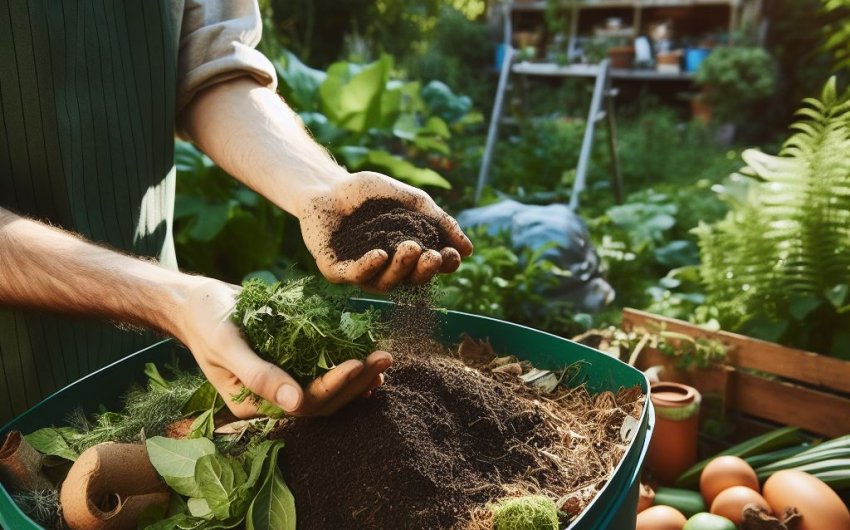
Dream of "Black Gold" for Your Garden?
Every gardener knows the secret to a thriving garden: rich, healthy soil. And the very best way to get that dark, crumbly, nutrient-filled "black gold" is by making your own compost. Imagine turning your kitchen scraps and yard waste into something amazing that boosts your flowers, vegetables, and lawn. It's great for your plants, great for your wallet, and great for the planet! But if you're new to it, starting a compost pile in your backyard might seem a bit daunting. Don't worry, it's easier than you think. Let's break down how to start your very own compost pile step by step.
Step 1: Choosing the Right Location for Your Compost Pile
The first decision you'll make is where to put your compost pile. A good location will make your composting journey much easier and more pleasant.
Key Considerations for Location
- Convenience:
- Near the House/Kitchen: You'll be adding kitchen scraps frequently. Choose a spot that's easy to get to, but not right next to your dining area or bedroom window where odors (if they occur) might be an issue.
- Near the Garden: You'll want to easily transfer finished compost to your garden beds. A spot that's easy to access with a wheelbarrow or bucket is ideal.
- Drainage:
- Well-Drained Area: Choose a spot that drains well. You don't want your compost pile sitting in a puddle after it rains, as this can lead to soggy, smelly compost.
- Not Near Waterways: Keep it away from streams, ponds, or storm drains to prevent any leachate (liquid that seeps from the pile) from polluting water sources.
- Sunlight:
- Partial Shade is Ideal: A spot that gets some sun but also some shade during the hottest part of the day (midday summer sun) is best.
- Why? Too much direct sun can dry out the compost pile too quickly, slowing down decomposition. Too much deep shade can keep it too wet and cool. A balance helps maintain the right moisture and temperature.
- Air Circulation:
- Open Area: Choose a spot with good airflow around the compost pile. This helps with aeration and prevents odors. Don't tuck it too tightly into a corner with no air movement.
- Neighborly Considerations:
- Distance from Neighbors: While a well-managed compost pile shouldn't smell bad, it's polite to place it a reasonable distance from your neighbors' windows, patios, or frequently used outdoor spaces.
- Aesthetics: If you're building an open pile, consider if it will be an eyesore. A contained bin might be better for visible areas. You can choose a backyard compost bin for a neat appearance.
By thinking about these points, you can pick the perfect home for your compost pile, setting yourself up for composting success!
Step 2: Choosing Your Composting Method (Pile vs. Bin vs. Tumbler)
Once you have a location, you need to decide what kind of compost system you want. This depends on your space, how much effort you want to put in, and how quickly you want compost.
1. Simple Compost Pile (The Easiest Start)
- What it is: Just a pile of compostable materials on the ground.
- Pros: Cheapest and easiest to start – no cost for a bin. Good for large volumes of material.
- Cons: Can look messy, may attract more pests (rodents, raccoons) if not managed well, can be harder to turn, might dry out or get too wet easily. Slower composting because it's hard to get good heat and aeration.
- Best for: Large yards, rural areas, very casual composting.
2. Compost Bin (Common & Effective)
- What it is: A contained structure (open on the bottom) that holds your compost materials. Can be simple mesh, wooden pallets, plastic bins, or more elaborate systems.
- Pros: Keeps the pile neater, helps retain heat and moisture better than an open pile, somewhat deters large pests. Easier to manage and turn than an open pile. Many types of outdoor compost bins are available.
- Cons: Requires some initial cost or DIY effort. Still requires manual turning with a fork.
- Types:
- Wire Mesh Bin: Inexpensive, easy to make (just wire fencing), excellent airflow.
- Wooden Pallet Bin: Free if you can find pallets, sturdy, good airflow.
- Plastic Bin: Often comes with a lid and access door at the bottom. Good for small to medium volumes.
3. Compost Tumbler (Fastest & Easiest Turning)
- What it is: An enclosed, rotating drum that sits off the ground.
- Pros: Fastest method due to easy, frequent turning (aeration). Very clean and neat. Excellent odor control. Keeps all pests out. Easy to use for anyone (no heavy lifting). Many models have dual chambers for continuous composting. A popular example is the Miracle-Gro Large Dual Chamber Compost Tumbler.
- Cons: Higher initial cost. Capacity can be limited (though "large" tumblers are available).
- Best for: Small to medium yards, suburban areas, people who want quick compost with minimal effort and no mess.
Recommendation for Beginners: A simple compost bin (like wire mesh or a plastic bin) is a great starting point for most backyard gardeners. If you want speed and convenience and don't mind the upfront cost, a compost tumbler is an excellent investment.
Step 3: Gathering Your Compost Materials ("Greens" and "Browns")
The heart of composting is knowing what to put in your pile. You need a mix of "greens" and "browns" in the right ratio.
"Greens" (Nitrogen-Rich Materials)
These materials are typically fresh, moist, and high in nitrogen. They act as the "fuel" to heat up the compost pile and feed the microbes.
- Kitchen Scraps:
- Fruit and Vegetable Peels/Scraps: Apple cores, banana peels, carrot tops, potato skins, lettuce trimmings, old fruit (cut into smaller pieces).
- Coffee Grounds: A fantastic source of nitrogen.
- Tea Bags: Remove staples first.
- Egg Shells: Crush them up; they add calcium and other minerals but break down slowly.
- Garden Waste (Fresh):
- Grass Clippings: Freshly cut grass (use in thin layers to avoid matting and odor).
- Fresh Plant Trimmings: Green leaves, soft stem cuttings from healthy plants.
- Other:
- Horse Manure (Fresh): If you have access, in moderation. Adds a great boost of nitrogen.
"Browns" (Carbon-Rich Materials)
These materials are typically dry, woody, or fibrous and high in carbon. They provide bulk, aeration, and the "energy" for the microbes.
- Fallen Leaves: Dry tree leaves are an excellent and abundant source of carbon. Shred them if possible, especially larger ones, to speed up decomposition.
- Straw: Great for aeration and carbon.
- Shredded Newspaper/Cardboard: Rip or shred into small pieces. Avoid glossy or heavily colored paper. Use in moderation.
- Wood Chips/Sawdust: From untreated wood only. Use in moderation as they break down slowly.
- Dried Plant Material: Old, dried-up garden plants (as long as they are not diseased and don't have seeds).
- Small Twigs and Branches: Break them into small pieces.
The Magic Ratio: 2 Parts Browns to 1 Part Greens (by volume)
- Balance is Key: The ideal ratio for fast and efficient composting is roughly 2 parts browns to 1 part greens by volume. This provides the perfect carbon-to-nitrogen balance for the microbes.
- Consequences of Imbalance:
- Too Many Greens: The compost pile can become smelly and slimy because there's too much nitrogen without enough carbon to balance it.
- Too Many Browns: The compost will break down very slowly because there's not enough nitrogen to fuel the microbes.
Don't worry too much about exact measurements, especially when starting. Just try to alternate layers of green and brown materials, and adjust as you go if you notice problems (like odors or slow breakdown). You can always keep a supply of carbon-rich composting material handy.
What NOT to Put in Your Compost Pile
These items can attract pests, cause bad odors, or introduce pathogens to your garden:
- Meat, Bones, Fish: Attract pests (rodents, raccoons, flies), cause strong odors.
- Dairy Products: Attract pests, cause bad odors.
- Fats, Greases, Oils: Attract pests, can slow decomposition.
- Diseased Plants: Can spread diseases to your garden when you use the finished compost.
- Weeds with Seeds: Most backyard compost piles don't get hot enough to kill all weed seeds, so you might end up spreading weeds in your garden.
- Pet Waste: Can contain harmful pathogens that aren't killed in typical home compost piles.
- Treated Wood (Pressure-treated, painted): Contains chemicals that are harmful to your garden.
- Coal Ash: Can contain heavy metals.
Stick to the recommended "greens" and "browns" for a safe, effective, and pleasant composting experience.
Step 4: Building Your First Compost Pile
Now that you have your location, method, and materials, it's time to actually build your compost pile!
1. Start with a Base Layer
- Browns for Drainage: Begin with a 4-6 inch layer of coarse, chunky "brown" materials (like small twigs, straw, or wood chips) at the bottom. This provides good drainage and aeration, preventing the base from getting waterlogged.
2. Alternate Layers
- The Lasagna Method: After your base layer, start adding alternating layers of "greens" and "browns."
- Add a 2-4 inch layer of "greens" (e.g., kitchen scraps, grass clippings).
- Cover it with a 4-8 inch layer of "browns" (e.g., dry leaves, shredded newspaper).
- Repeat this layering.
- Why Layering? This ensures a good mix of carbon and nitrogen throughout the pile, which is essential for balanced decomposition and heating. You can use a specific compost starter to kickstart the process.
3. Add Water (Moisture is Key!)
- Like a Damp Sponge: Each time you add new layers, sprinkle water onto them. The entire compost pile needs to be consistently moist, like a wrung-out sponge – damp, but not dripping wet.
- Why Moisture? Microbes need moisture to work. If the pile is too dry, decomposition will slow down or stop. If it's too wet, it can become slimy and smelly.
- Monitoring: If you squeeze a handful of compost, a few drops of water should come out. If it's soggy, add more browns; if it's too dry, add water.
4. Aerate (Turn Your Pile)
- Introduce Oxygen: This is critical for fast composting. Microbes that do the best work need oxygen.
- How Often: For active composting, aim to turn your pile every 3-7 days.
- How to Turn:
- For Piles/Bins: Use a compost fork or pitchfork. Turn the outer layers into the center and the center layers outward. This mixes everything, introduces oxygen, and helps dissipate excess heat.
- For Tumblers: Simply give the drum 5-10 full rotations daily or every other day. This is the main advantage of a tumbler.
5. Monitor Temperature (Optional, but Fun!)
- Heat Means Activity: A healthy, active compost pile will generate heat internally as the microbes break down materials. You can feel it with your hand or use a compost thermometer.
- Ideal Temperature: An active pile can reach 130-160°F (55-70°C). This heat helps break down materials faster and kills some weed seeds and pathogens.
- Troubleshooting: If your pile isn't heating up, it likely needs more greens, more water, or more turning.
By following these steps, you'll successfully build and maintain your first compost pile, well on your way to making your own "black gold"! A reliable compost thermometer can help track progress.
Step 5: Understanding When Compost is Ready to Use
You've been diligently adding materials and turning your pile. But how do you know when that brown, messy heap has transformed into usable compost? There are several key signs.
Key Indicators of Finished Compost
- Color: The compost should be dark brown or black. It should no longer have the varied colors of the original materials.
- Texture: It should be crumbly and uniform, with no recognizable bits of food scraps or leaves (unless you added very large, woody pieces that take longer). It should feel light and airy, like rich soil.
- Smell: Finished compost should have a pleasant, earthy, forest-floor smell. It should NOT smell rotten, like ammonia, or sour. A bad smell indicates the decomposition process is off (usually too wet or not enough aeration).
- Temperature: The compost pile should no longer be heating up. It should be at ambient temperature (the same temperature as the surrounding air). If it's still hot, it's still actively decomposing.
- Presence of Original Materials: You shouldn't see distinguishable banana peels, lettuce leaves, or grass clippings. Shredded paper or small twigs might remain, but the majority of materials should be broken down.
"Curing" Compost
- What it is: Once your compost has fully broken down (met the criteria above), it's a good idea to let it "cure" or mature for a few weeks or months. This allows the remaining biological processes to stabilize, and any tiny, unfinished bits to fully decompose.
- Why it's important: Using immature (still "hot" or very active) compost can sometimes "burn" or temporarily stress plants, especially young seedlings, because the decomposition process is still drawing nitrogen from the soil. Cured compost is more stable and beneficial.
- How to Cure: If you have a dual chamber tumbler, simply stop adding new materials to the finished chamber and let it sit. For a single pile or bin, you might remove the finished compost and store it separately, or just let the bottom of your existing pile mature while you add new materials to the top.
When is it Ready? (Timeframe)
- Hot Composting (with Tumbler/Frequent Turning): Can produce finished compost in as little as 3-6 weeks if you have the right balance, moisture, and turn it daily. This makes a fast composter ideal for quick results.
- Cold Composting (Less Frequent Turning): An unturned pile can take 6 months to a year, or even longer, to fully decompose.
The visual, textural, and olfactory (smell) clues are your best indicators. Trust your senses – when it looks and smells like rich earth, it's ready!
Step 6: Using Your Finished Compost in the Garden
Congratulations! You've made your own "black gold." Now it's time to put that amazing compost to good use in your garden.
1. Amending Garden Beds
- Boost Soil Health: The most common use. Spread a 1-3 inch layer of compost over your garden beds in spring before planting or in fall after harvest.
- Incorporate: You can gently work it into the top 6-12 inches of soil with a garden fork or tiller, or simply let it sit on top as a top-dressing. Over time, it will naturally mix in with the soil.
- Benefits: Improves soil structure, adds nutrients, boosts beneficial microbes. Using garden compost improves soil quality.
2. Potting Mix Component
- Container Gardens: You can mix compost into your potting mixes for container plants.
- Ratio: Use 1 part compost to 2-3 parts potting soil for most container plants. For succulents or cacti, use less compost (maybe 1 part compost to 3-4 parts cactus mix plus grit) to maintain good drainage.
- Benefits: Adds nutrients and improves the water-holding capacity of potting mix.
3. Top-Dressing Lawns
- Boost Lawn Health: Spread a thin layer (1/4 to 1/2 inch) of screened compost over your lawn in spring or fall.
- How to Apply: Use a shovel to put small piles, then rake it evenly across the lawn. It will work its way into the soil over time.
- Benefits: Improves soil structure under your lawn, adds nutrients, helps reduce thatch, and makes your lawn more resilient. This is great for organic lawn care.
4. Mulch
- Around Plants: You can use compost as a mulch around the base of plants, shrubs, and trees.
- Benefits: Helps retain moisture, suppresses weeds, moderates soil temperature, and slowly releases nutrients as it continues to break down.
5. Starting Seeds and Seedlings
- Compost Tea: You can make compost tea by steeping compost in water for a day or two. This liquid is packed with beneficial microbes and nutrients, and can be used as a natural liquid fertilizer or soil drench.
- Seed Starting Mix (with caution): For very well-cured compost, you can use a small percentage (e.g., 10-20%) mixed into a sterile seed starting mix. Be careful not to use too much, as compost can sometimes be too rich or contain remaining fungal spores for delicate seedlings.
Remember, a little compost goes a long way. You don't need to overdo it. The goal is to gradually enrich your soil over time, leading to healthier, more vibrant plants and a thriving garden. Enjoy the fruits of your composting labor!