
What can I compost? A comprehensive guide to compostable materials
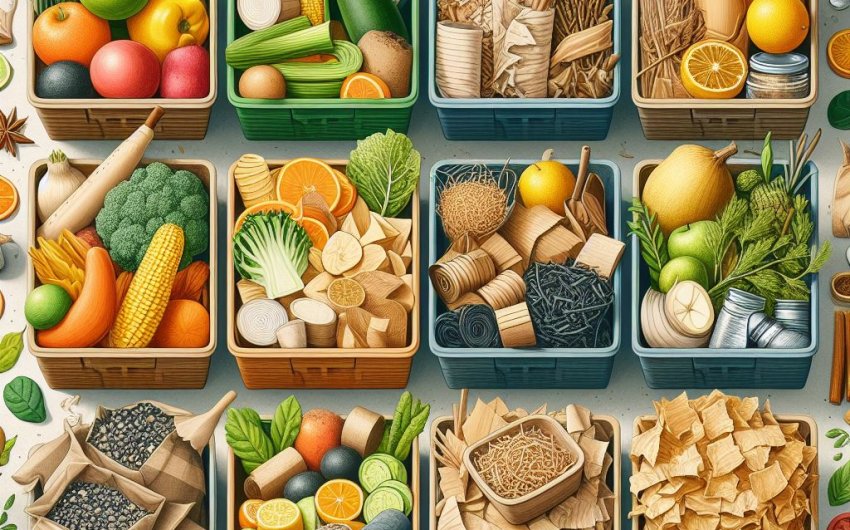
You've probably heard the buzz about composting – turning kitchen scraps and yard waste into rich, dark "black gold" for your garden. It sounds amazing, a truly sustainable way to reduce waste and boost your plants. But then comes the big question: "What can I compost?" Do banana peels go in? What about old bread? And can I really throw in cardboard?
Knowing what to add (and what to avoid!) is the key to a successful, odor-free compost pile. Throwing in the wrong materials can lead to smelly messes, attract pests, or produce compost that isn't safe for your garden. But once you understand the basic categories of compostable materials, you'll be amazed at how much of your everyday waste can be diverted from the landfill and transformed into a valuable resource.
This comprehensive guide will demystify the world of compostable materials. We'll break down the essential "greens" and "browns" that form the perfect compost diet, provide extensive lists of what can (and absolutely cannot) go into your pile, and share pro tips for preparing different materials. Get ready to unlock the full potential of your compost bin and turn your waste into garden treasure!
What is Composting and Why Should You Care About What Goes In?
Before we dive deep into the lists of compostable materials, let's quickly recap what composting is and, more importantly, why the ingredients you choose matter so much.
What is Composting?
Composting is a natural process where organic materials (things that were once living) break down into a dark, crumbly, nutrient-rich substance called compost. This happens thanks to billions of tiny microorganisms (bacteria, fungi), worms, and other small critters that feast on the waste. It's essentially nature's recycling system, sped up in a controlled environment.
The finished compost looks and feels like rich, earthy soil. It smells like fresh earth or a forest floor, not like rotten garbage.
Why Does What Goes Into Compost Matter So Much?
The quality and success of your compost pile are almost entirely dependent on what you feed it.
- Balanced "Diet" for Microbes: Composting microbes need a balanced diet of carbon (their energy source) and nitrogen (their protein source). Getting the right mix ensures rapid, efficient decomposition. Too much of one, and the process stalls or gets smelly.
- Odor Control: The wrong materials (like meat or dairy) or an imbalance can lead to foul odors (like rotten eggs or ammonia), making your compost pile unpleasant for you and your neighbors.
- Pest Attraction: Certain materials (fats, meats, dairy) are irresistible to pests like rodents, flies, and raccoons, turning your compost pile into a pest problem.
- Compost Quality and Safety: You'll eventually use this compost in your garden. Adding toxic materials (like treated wood) or harmful pathogens (like pet waste or diseased plants) can contaminate your finished compost, making it unsafe for your plants or even for growing food.
- Decomposition Rate: Materials vary widely in how quickly they break down. Adding too many slow-to-decompose items (like large branches) without breaking them down can slow the whole process.
Understanding these reasons highlights why knowing what can I compost is fundamental. It's about nurturing a healthy ecosystem in your bin, ensuring your compost is beneficial, and keeping your process odor- and pest-free.
The Two Main Categories: "Greens" (Nitrogen) and "Browns" (Carbon)
The secret to a successful compost pile lies in balancing two main categories of compostable materials: "Greens" and "Browns." Think of them as the yin and yang of your compost bin, providing the essential carbon and nitrogen that microorganisms need to thrive.
1. "Greens": Nitrogen-Rich Materials
"Greens" are typically fresh, moist, and rich in nitrogen. They are the "protein" and "fuel" for your compost microbes, helping to heat up the pile and speed up decomposition.
- Key Characteristics:
- High Nitrogen: Provides protein for microbial growth and reproduction.
- Moist: Often have high water content.
- Breaks Down Quickly: Tends to decompose rapidly.
- Can Get Smelly: If there's too much green material without enough "browns" (leading to anaerobic conditions and ammonia smell).
Examples of Common "Greens" You Can Compost:
- Kitchen Scraps:
- Fruit peels and scraps: Banana peels, apple cores, citrus rinds (in moderation), melon rinds, fruit pulp, bruised fruit.
- Vegetable scraps: Potato peels, carrot tops, outer leaves of lettuce/cabbage, broccoli stems, corn cobs (chopped), bell pepper cores, wilted greens.
- Coffee grounds: And their paper filters! These are fantastic nitrogen sources.
- Tea bags: (Paper or natural fiber bags, remove staples).
- Eggshells: (Crush them first to help them break down faster).
- Yard Waste:
- Fresh grass clippings: Use in thin layers to prevent matting and odor.
- Fresh plant trimmings: Leaves, stems, spent flowers from your garden (healthy plants only, no diseased plants or weeds with seeds).
- Green leaves.
- Other:
- Manure (Herbivore): From animals like cows, horses, chickens, rabbits. This is a very potent nitrogen source. Ensure it's aged if using directly on plants.
2. "Browns": Carbon-Rich Materials
"Browns" are typically dry, coarser, and rich in carbon. They are the "energy" and "bulk" for your compost, providing structure, allowing air circulation, and preventing odors. They tend to break down more slowly.
- Key Characteristics:
- High Carbon: Provides energy for microbes.
- Dry/Woody: Often dry, fibrous, and woody.
- Breaks Down Slowly: Decomposes at a slower rate.
- Provides Structure: Prevents compaction, ensures aeration.
- Absorbent: Helps soak up excess moisture.
Examples of Common "Browns" You Can Compost:
- Yard Waste:
- Dead leaves: Deciduous leaves (oak, maple, etc.) are a goldmine for composters. Shred them for faster breakdown.
- Dry grass clippings.
- Wood chips or shavings: From untreated wood only! See our guide on sawdust composting for more details.
- Straw or hay: (Avoid hay with too many seeds).
- Small twigs and shredded branches.
- Household Items:
- Cardboard: Plain, uncoated, unprinted cardboard boxes (torn or shredded), paper towel rolls, toilet paper rolls, paper egg cartons. See our guide on cardboard composting for specific rules.
- Shredded newspaper: (Black ink only, avoid glossy or colored paper).
- Paper bags (plain brown).
- Cotton or wool rags (natural fibers only, cut into small pieces).
- Dryer lint (from natural fibers only, small amounts).
The Ideal Ratio: Balancing Greens and Browns
The magic happens when you get the right balance of these two. A common guideline is to aim for roughly 2 to 3 parts "Browns" to 1 part "Greens" by volume.
- Too many Greens: Soggy, compacted, smelly (ammonia, rotten eggs). Add more browns, turn the pile.
- Too many Browns: Dry, slow to decompose, no heat. Add more greens, moisten, turn the pile.
Don't overthink it, especially as a beginner. The best way to learn what can I compost is to experiment and observe your pile's behavior!
What You Absolutely Should NOT Compost (The Forbidden List!)
While the list of compostable materials is vast, knowing what to keep out of your compost pile is just as important. Adding the wrong items can lead to foul odors, attract pests, introduce diseases, or produce unsafe compost for your garden. This is the forbidden list for healthy composting!
1. Meat, Bones, Fish, and Dairy Products
- Why to Avoid: These are the biggest culprits for attracting unwanted pests and creating foul odors.
- Pest Magnet: They will attract rodents (rats, mice), raccoons, opossums, and flies to your compost pile.
- Smell: As they decompose, they create very strong, unpleasant, rotten odors.
- Slow Breakdown: They break down slowly in a home compost pile and can putrefy (rot without air).
- Disease Risk: Can harbor harmful bacteria (like E. coli, Salmonella) that might not be killed in a typical home compost pile (which may not reach high enough temperatures consistently).
- Alternative: Dispose of these in your regular trash.
2. Fats, Oils, and Greases
- Why to Avoid:
- Pest Magnet: Like meat, these also attract rodents and other pests.
- Odor: Can become rancid and create very unpleasant smells.
- Decomposition Issues: They can create greasy, hydrophobic (water-repelling) pockets in your compost pile, hindering proper decomposition and air circulation.
- Examples: Cooking oils (vegetable oil, olive oil), butter, margarine, lard, greasy food scraps.
- Alternative: Dispose of in your regular trash. Small amounts of oil residue on paper towels might be okay if well-mixed, but avoid large quantities.
3. Diseased Plants or Pest-Infested Plants
- Why to Avoid: Your home compost pile usually doesn't reach temperatures high enough (130-160°F or 55-70°C for an extended period) to kill off common plant diseases or pest eggs.
- Spreading Disease: If you compost diseased plants, you could inadvertently re-introduce the disease to your healthy garden when you use the finished compost.
- Spreading Pests: Pest eggs or larvae might survive and later emerge to infest your garden.
- Examples: Plants with powdery mildew, black spot, blight, rust, or heavy aphid/mealybug infestations.
- Alternative: Bag them and dispose of them in the trash.
4. Weeds with Seeds or Invasive Weeds
- Why to Avoid: Most weed seeds can survive the temperatures of a home compost pile.
- Spreading Weeds: If you compost weeds with seeds, you'll simply be spreading those seeds (and more weeds!) all over your garden when you use the compost.
- Invasive Weeds: Avoid composting aggressive invasive weeds (like bindweed, quackgrass, Japanese knotweed) as small fragments of their roots or stems can re-sprout.
- Alternative: Bag weeds with seeds or invasive weeds and dispose of them in the trash. You can solarize aggressive weeds by putting them in a clear plastic bag in the sun for several weeks to kill them before disposal.
5. Pet Waste (Dog and Cat Feces)
- Why to Avoid: Dog and cat feces (and litter) can contain harmful pathogens (bacteria, parasites like Toxoplasma gondii) that are not typically killed in a home compost pile.
- Health Risk: It's unsafe to use compost made with pet waste on edible gardens, as these pathogens can contaminate food.
- Alternative: Dispose of pet waste in the regular trash. Specialized pet waste composters exist, but their compost is generally only for ornamental plants, not edibles.
6. Treated Wood, Sawdust from Treated Wood, and Particleboard/MDF
- Why to Avoid: Treated wood (e.g., pressure-treated lumber, railroad ties, utility poles) contains toxic chemicals (arsenic, copper, chromium, creosote) that will leach into your compost. Particleboard and MDF contain formaldehyde glues.
- Result: These chemicals contaminate your compost, harming plants and potentially making food grown in it unsafe.
- Alternative: Dispose of these at a hazardous waste facility or as regular trash. Use only untreated wood sawdust in your compost, as discussed in our sawdust composting guide.
7. Synthetics and Non-Biodegradable Materials
- Why to Avoid: These materials simply will not break down in a compost pile.
- Examples: Plastics, plastic stickers/labels/tape (from cardboard boxes), synthetic fabrics, styrofoam, rubber, metal.
- Result: You'll end up with non-decomposed bits in your finished compost.
- Alternative: Recycle or dispose of properly.
8. Ash from Coal or Charcoal Briquettes
- Why to Avoid: Coal ash can contain heavy metals. Charcoal briquettes often contain petroleum byproducts and chemicals.
- Alternative: Wood ash from untreated wood (from a fireplace) can be added in small amounts, as it provides potassium, but large amounts can raise pH too much.
By adhering to this forbidden list, you'll ensure your compost pile remains odor- and pest-free, and that your finished compost is a safe, beneficial amendment for your garden. Knowing what can I compost is truly a foundational skill for successful composting!
A Detailed List: What You CAN Compost (Kitchen Scraps Edition)
Your kitchen waste is a goldmine for your compost pile, providing valuable "green" (nitrogen-rich) materials. Knowing exactly what can I compost from your daily cooking and eating helps significantly reduce landfill waste.
Fruits and Vegetables (Raw and Cooked - No Oils/Fats!)
This category forms the bulk of many home compost piles and is excellent "green" material.
- All Fruit and Vegetable Scraps: Peels, cores, seeds (except problematic ones like squash/melon if you don't want them to sprout in the compost), ends, outer leaves, stems, bruised or spoiled portions.
- Examples: Banana peels, apple cores, citrus rinds (in moderation), melon rinds, broccoli stems, carrot tops, potato skins, onion and garlic peels (can take longer to break down), corn cobs (chop into small pieces).
- Cooked Fruits and Vegetables: Yes, cooked vegetables are fine, as long as they haven't been heavily seasoned with oils, fats, or meat products.
- Examples: Steamed broccoli, boiled carrots, plain mashed potatoes (no butter/milk), cooked rice/pasta (small amounts, without oil/sauce).
- Pro Tip: Chop larger scraps into smaller pieces (1-2 inches). Smaller pieces have more surface area, which speeds up decomposition.
Grains and Breads
- Plain Breads and Pastas: Yes, old bread, pasta, rice, cereals (unsweetened, uncolored) are fine.
- Caution: Add in moderation, especially if they might clump. Avoid large quantities of sticky, doughy items.
- Avoid: Anything covered in butter, oil, cheese, or meat sauce.
- Crushed Cereal Boxes (Plain, Uncoated): These fall into the "brown" category. Ensure they are plain, unprinted, and have no plastic liners.
Coffee and Tea
These are compost superstars!
- Coffee Grounds: Excellent "green" material, adds nitrogen, and improves soil structure.
- Both Used and Unused: Both are fine.
- Filters: Paper coffee filters can go in too.
- Tea Bags: Excellent "green" material.
- Type: Ensure the bags are made from paper or natural fibers.
- Remove Staples: Remove any metal staples if present.
- Avoid: Plastic mesh tea bags (often marketed as "silky" or "pyramid" bags) which will not break down.
Eggshells
- Why to Include: Add calcium to your compost, which is beneficial for plant health.
- Preparation: Crush them thoroughly into small pieces before adding. This helps them break down much faster. Large pieces of eggshell can take years to fully decompose.
- Quantity: You can add eggshells regularly.
Nut Shells (with Caution)
- Examples: Peanut shells, pistachio shells.
- Why to Include: Provide carbon and structure.
- Caution: Avoid black walnut shells (contain juglone, which can inhibit plant growth, though often diluted in compost). Break larger shells into smaller pieces for faster decomposition.
Other Kitchen Items
- Paper Napkins/Paper Towels: Plain, unbleached paper napkins and paper towels (that haven't been used with harsh chemicals or excessive grease) are good "browns."
- Pizza Boxes (Clean Parts Only): The parts of a pizza box that are greasy should be recycled or discarded. The clean, ungreasy cardboard sections are fine for composting (torn into small pieces). This falls into the "cardboard composting" rules.
General Pro Tip for Kitchen Scraps:
- Chop it Small: The smaller the pieces, the faster they will break down and the less likely they are to attract pests or cause odor.
- Bury Your Greens: When you add a new batch of kitchen scraps ("greens"), bury them under a layer of "browns" (like leaves or shredded cardboard). This helps prevent odors and deters pests.
- Keep it Balanced: Always balance your "greens" with plenty of "browns." If you add a lot of food scraps, follow up with a generous layer of shredded leaves, cardboard, or dry grass.
By diligently collecting and adding these kitchen scraps to your compost pile, you'll significantly reduce your household waste and provide rich, valuable nutrients for your garden. This is a powerful step in understanding what can I compost from your daily life.
A Detailed List: What You CAN Compost (Yard Waste & Other)
Your yard waste is often the largest source of "browns" for your compost pile, providing essential carbon and bulk. Knowing exactly what can I compost from your outdoor chores will boost your compost production significantly.
Leaves
- Why they're great: Fallen autumn leaves are the gold of composting! They are abundant, free, and excellent "brown" material, providing carbon and improving soil structure.
- Preparation: Shred them with a leaf shredder or by running over them with a mulching lawnmower. Smaller pieces break down much faster and prevent matting.
- Quantity: Don't be afraid to stockpile bags of shredded leaves for year-round use as "browns."
- Types: All deciduous tree leaves (oak, maple, etc.) are fine. Conifer needles (pine, fir, spruce) can be composted too, but they break down slower and are a bit more acidic; use in moderation.
Grass Clippings
- Why they're great: Fresh grass clippings are an excellent "green" (nitrogen-rich) material.
- Preparation:
- Thin Layers: Add grass clippings in thin layers (no more than 1-2 inches thick) and mix them thoroughly with "brown" materials.
- Avoid Clumping: Never add large, thick, wet clumps of grass clippings, as they will quickly become anaerobic, smelly, and slimy.
- Quantity: Use in moderation to balance your browns. If you have too many, let them dry out first to become a "brown" material (though with less nitrogen) or dispose of them otherwise.
Plant Trimmings and Garden Waste
- Examples: Spent annuals, faded perennial stalks, healthy vegetable plant remains (e.g., tomato vines at end of season, bean stalks), flower cuttings, deadheaded blooms.
- Preparation: Chop into small pieces (no thicker than your thumb, 6 inches long max).
- Important Rules:
- NO DISEASED PLANTS: Never compost plants showing signs of fungal diseases (powdery mildew, black spot, blight) or viral infections. Bag and dispose of them in the trash.
- NO PEST-INFESTED PLANTS: Avoid composting plants heavily infested with aphids, mealybugs, etc., as eggs or larvae might survive.
- NO WEEDS WITH SEEDS: Don't add weeds that have gone to seed, or invasive weeds, as the seeds/roots will likely survive and spread.
Wood Chips, Sawdust, and Wood Shavings
- Why they're great: Excellent "brown" material (carbon-rich) that adds bulk and aeration.
- Source: Crucially, only use from UNTREATED wood! Sawdust from your own untreated lumber projects or untreated wood animal bedding is ideal.
- Preparation: The smaller the pieces, the faster they break down. Sawdust is great. Larger wood chips will take longer.
- Quantity: Use in moderation as they are very carbon-heavy. Balance with plenty of greens. See our detailed guide on sawdust composting.
Straw and Hay
- Why they're great: Excellent "brown" material for bulk and aeration.
- Source: Straw (stalks of grain after harvesting) is generally preferred over hay (dried grasses/legumes cut for animal feed).
- Caution: Hay can sometimes contain a lot of weed seeds. If composting hay, ensure your pile gets hot enough to kill seeds, or use only seed-free hay.
- Preparation: Can be added whole, or chopped for faster breakdown.
Manure (Herbivore Animals Only!)
- Why it's great: A fantastic "green" (nitrogen-rich) activator that adds heat and nutrients.
- Source: From herbivore animals like cows, horses, chickens, rabbits, goats, sheep.
- Caution:
- NEVER Pet Waste: Do not add dog or cat feces, as they can contain harmful pathogens.
- Herbivore Only: Do not use manure from meat-eating animals.
- Medication: Be cautious with manure from animals that have been treated with strong wormers or herbicides, as residues can harm your plants.
- Aged if for Direct Use: Fresh manure can be "hot" and burn plants if applied directly. Composting it mellows it out.
- Quantity: Use in moderation to balance browns, as it's very potent.
Hair and Fur (Natural, Small Amounts)
- Why they're great: Natural hair (human hair, pet fur) is slow to break down but adds nitrogen and trace elements.
- Preparation: Add in small amounts to avoid clumping.
- Source: Pet grooming brushes, hair from your comb.
- Caution: Avoid chemically treated hair (from coloring or perms) or hair from animals treated with flea/tick preventatives (if using in large quantities).
By collecting and balancing these various yard wastes with your kitchen scraps, you'll be well on your way to a thriving compost pile, confidently knowing what can I compost from your entire property.