Gardening Doesn't Have to Be Complicated if You Know What You're Doing

With just a bit of practical knowledge and the right tools, anyone can create a lush, vibrant garden space. Whether you're tending to houseplants, nurturing a vegetable patch, or crafting a backyard oasis, understanding a few fundamental tips can simplify the entire process. At GardenBotany.com, we're here to guide you every step of the way, making gardening enjoyable, stress-free, and accessible for everyone, from complete beginners to seasoned gardeners looking to perfect their green thumbs.
Latest Gardening Posts and Plant Care Tips
-

Guide to Grow Hostas Plants in the South
To grow hostas successfully in the South, choose heat-tolerant and sun-tolerant varieties and plant them in deep shade or morning sun only. Focus on providing consistently moist, rich soil with excellent drainage, and be vigilant about watering to combat the intense heat and humidity.
-
A Guide to Creeping Thyme Plants in Your Backyard
Creeping thyme plants are low-growing, aromatic perennials perfect for groundcover in your backyard. To grow them, choose a site with full sun and well-draining soil, then plant seeds or small plants, ensuring initial watering and protection until established.
-
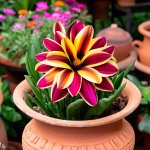
Terra Cotta Pottery and the Benefits for Gardeners
Terra cotta pottery offers numerous benefits for gardeners due to its porous nature, which promotes excellent drainage and aeration for plant roots, reducing the risk of overwatering. Its natural aesthetic also adds a classic, earthy charm to any garden or indoor space.
-
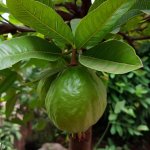
When, Where and How to Plant Guava Tree from Seeds or Saplings?
To plant a guava tree from seeds or saplings, choose a sunny location with well-draining soil in late spring after all frost danger has passed. Seeds require patience and pretreatment, while saplings offer faster fruiting, but both need consistent moisture and protection for optimal growth.
-
Choosing The Perfect Location To Grow Roses In Your Yard
Choosing the perfect location to grow roses in your yard involves finding a spot with at least 6-8 hours of direct sunlight daily, well-draining, rich soil, and good air circulation. Protection from harsh winds and easy access for watering are also critical considerations.
-
What is Spanish Moss and Why Does it Matter?
Spanish moss, scientifically Tillandsia usneoides, is an epiphytic plant characterized by its silvery-gray, trailing strands that hang from trees, primarily in the southeastern U.S. and other tropical regions. It matters for its significant ecological roles, historical uses, and iconic aesthetic contribution to unique landscapes.
-
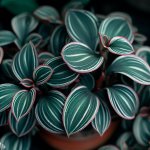
How to Grow and Care for Callisia Plants?
To grow and care for Callisia plants, also known as the Bolivian Jewel or Turtle Vine, provide them with bright, indirect light, keep the soil consistently moist but not waterlogged, and ensure high humidity. These fast-growing, trailing plants thrive with regular pruning to maintain density.
-
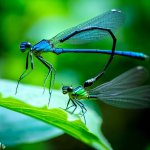
Are Damselflies and Dragonflies the Same Thing?
No, damselflies and dragonflies are not the same thing, though they are closely related and belong to the same insect order, Odonata. While they share many similarities as predatory winged insects, key differences in their appearance, resting posture, and flight patterns allow for clear distinction.
-
Bentgrass Care Basics for the DIYer
Bentgrass care for the DIYer involves very low mowing heights (0.25-0.5 inches), frequent, light watering, and regular fertilization to maintain its characteristic dense, fine-textured turf. Successful bentgrass care also requires diligent dethatching, aeration, and proactive disease management to achieve a putting-green quality lawn.
-
How To Kill Creeping Bentgrass Weeds and Prevent Its Growth?
To kill creeping bentgrass weeds and prevent its growth, identify it by its fine texture and stolon spread, then apply a targeted, selective herbicide for bentgrass in desired lawns or consider non-selective options for complete eradication followed by reseeding. Prevention involves good lawn care, proper mowing height, and pre-emergent herbicides.