
Are Philodendron Plants Toxic to Pets?
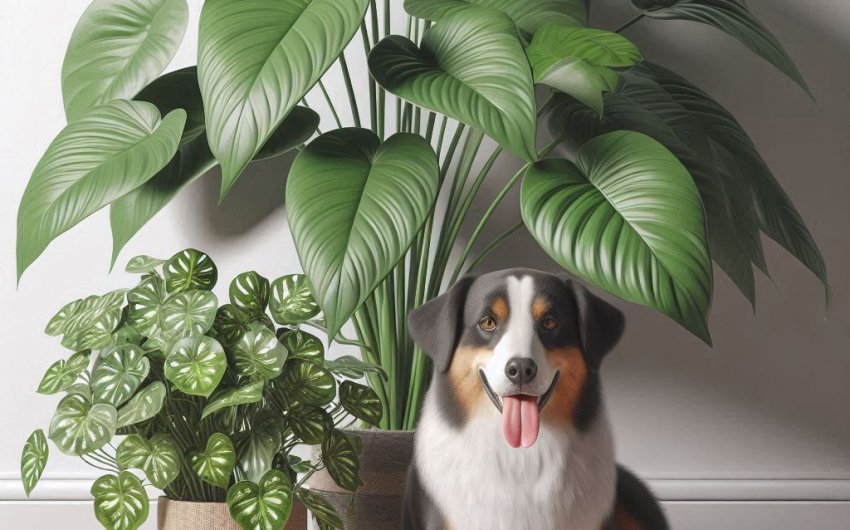
Yes, philodendron plants are toxic to pets, including cats and dogs, due to the presence of insoluble calcium oxalate crystals. Ingestion can cause immediate irritation and discomfort, though typically not life-threatening.
What Makes Philodendrons Toxic to Pets?
The toxicity of philodendron plants to pets stems from a natural defense mechanism: the presence of insoluble calcium oxalate crystals. These microscopic, needle-shaped crystals are found throughout all parts of the plant, including the leaves, stems, and roots.
Calcium Oxalate Crystals: The Culprit
- Mechanism of Action: When a pet chews on or ingests any part of a philodendron, these tiny, sharp crystals are released. They immediately embed themselves into the delicate mucous membranes of the mouth, throat, esophagus, and gastrointestinal tract.
- Irritation, Not Systemic Poisoning: It's crucial to understand that the toxicity is primarily due to this mechanical irritation, rather than a systemic poison that is absorbed into the bloodstream and affects organs. This means the symptoms are usually immediate and localized to the areas the crystals contact.
- Defense Mechanism: Plants in the Araceae family (to which philodendrons belong, along with peace lilies, pothos, and diffenbachia) produce these crystals as a deterrent against herbivores. The discomfort is designed to make an animal stop chewing, thus protecting the plant.
How Much Philodendron Is Dangerous?
The severity of symptoms depends on several factors:
- Amount Ingested: A small nibble might cause mild irritation, while consuming a larger quantity will lead to more pronounced symptoms.
- Pet's Size and Sensitivity: Smaller pets may be more sensitive to a given amount than larger ones. Individual animals can also vary in their reaction.
- Part of Plant Ingested: While all parts contain the crystals, some may have higher concentrations than others.
While the irritation can be intense and distressing for your pet, the insoluble nature of the crystals generally means they are not absorbed into the body in significant amounts, making life-threatening toxicity or organ damage from philodendron plant ingestion rare. The primary concern is the immediate pain and swelling that can occur. This immediate discomfort often prevents pets from consuming enough of the plant to cause more severe issues.
Understanding this mechanism is key to recognizing why philodendron plants are toxic to pets and how to respond if ingestion occurs.
What Are the Symptoms of Philodendron Poisoning in Pets?
If your pet has chewed on or ingested a philodendron plant, the symptoms of poisoning are usually immediate and often quite noticeable, stemming directly from the irritating action of the calcium oxalate crystals.
Common Symptoms in Cats and Dogs
The following symptoms are most frequently observed:
- Oral Irritation and Pain:
- Intense burning or stinging sensation in the mouth.
- Excessive drooling or salivation: This is a very common and often the first visible sign, as the pet tries to flush the irritants from its mouth.
- Pawing at the mouth: Your pet may paw at its face, rub its muzzle, or lick its lips repeatedly due to discomfort.
- Vocalization: Whining, crying, or other signs of distress.
- Swelling:
- Swelling of the mouth, tongue, and lips: This can sometimes be severe enough to cause difficulty swallowing or breathing, though this is less common.
- Swelling of the throat: Leading to a hoarse bark or meow.
- Gastrointestinal Upset (if ingested):
- Vomiting: The pet may vomit to expel the irritating plant material.
- Diarrhea: Less common but can occur in some cases.
- Loss of Appetite: Due to oral pain and discomfort.
How Quickly Do Symptoms Appear?
Symptoms are typically immediate or appear within minutes of ingestion. This rapid onset is due to the physical irritation caused by the crystals embedding in the tissues. This quick reaction is usually a good thing, as it often deters the pet from eating more of the plant.
What Symptoms Are Less Common (But Possible)?
While most symptoms are localized and discomforting, in rare or severe cases (e.g., very large ingestion by a small, sensitive animal), you might observe:
- Difficulty Swallowing (Dysphagia): Due to severe swelling in the mouth or throat.
- Difficulty Breathing (Dyspnea): If swelling becomes extreme, though this is rare.
- Changes in Behavior: Lethargy or withdrawal due to discomfort.
It's important to differentiate philodendron poisoning from other plant toxicities. The immediate and intense oral irritation is a hallmark symptom. If you suspect your pet has ingested any part of a philodendron plant, observe them closely for these signs and contact your veterinarian or a pet poison control center promptly. While usually not fatal, timely intervention can significantly alleviate your pet's distress and prevent complications.
What Should I Do if My Pet Eats a Philodendron?
If you suspect your pet has ingested a philodendron plant, remain calm and act quickly. While often not life-threatening, prompt action can alleviate your pet's discomfort and prevent complications.
Immediate Steps to Take
- Remove the Plant/Remaining Pieces: Immediately remove any remaining plant material from your pet's mouth and away from their reach. Clean up any fallen leaves or chewed pieces from the floor.
- Rinse Your Pet's Mouth (If Safe):
- If your pet allows it and is not in severe distress, you can try to gently rinse their mouth with cool water. Use a turkey baster, syringe (without a needle), or a running faucet (very low pressure) to flush out the mouth.
- Do NOT force this if your pet is resisting or showing signs of difficulty breathing, as it could cause aspiration (inhaling water into the lungs).
- Offer a Palatable Liquid: Offer your pet a small amount of milk or plain yogurt. The calcium in these products can help neutralize the oxalic acid and soothe the irritated membranes.
- Observe Your Pet Closely: Watch for the symptoms mentioned earlier: excessive drooling, pawing at the mouth, swelling, vomiting, or difficulty swallowing. Note the exact time of ingestion (if known) and the approximate amount of plant material consumed.
- Identify the Plant: Take a clear photo of the plant or a sample piece (if safe to handle) for identification. This information will be crucial for the vet or poison control.
When to Contact a Professional
- Always Call: It is always recommended to contact your veterinarian or a pet poison control center immediately, even if symptoms seem mild.
- ASPCA Animal Poison Control Center: (888) 426-4435 (consultation fee may apply)
- Pet Poison Helpline: (855) 764-7661 (consultation fee may apply)
- Be Ready with Information: When you call, be prepared to provide:
- Your pet's species, breed, age, and weight.
- The name of the plant (Philodendron).
- The amount ingested and when.
- The symptoms you are observing.
- Any actions you've already taken.
- Follow Their Advice: They will guide you on whether you need to bring your pet in for veterinary care, or if you can manage the symptoms at home.
What NOT to Do
- Do NOT induce vomiting unless specifically instructed by a veterinarian or poison control. For caustic irritants like calcium oxalates, inducing vomiting can cause further damage to the esophagus.
- Do NOT delay contacting a professional. Even if generally not fatal, prompt medical advice ensures your pet receives the best care and relief from distress.
Timely and appropriate action is the best way to help your pet recover quickly if they have ingested a philodendron plant. Prioritizing their safety is paramount when considering plants in your home, especially since philodendron plants are toxic to pets.
How Can I Prevent My Pet from Eating Philodendrons?
Knowing that philodendron plants are toxic to pets means that prevention is the most effective strategy. Keeping your curious companions away from these appealing, leafy plants requires a combination of smart placement, deterrents, and redirection.
1. Strategic Placement
- Out of Reach: The simplest and most effective method. Place philodendrons in locations where your pet cannot physically access them.
- High Shelves: Install wall-mounted shelves that are too high for even agile cats to jump onto.
- Hanging Baskets: Use decorative Macrame Plant Hangers to suspend philodendrons from the ceiling or high hooks. Ensure they are sturdy and cannot be pulled down.
- Closed Rooms: Keep philodendrons in rooms that are typically off-limits to your pets, or that have doors that can be kept closed.
- Plant Stands with Barriers: If using plant stands, consider those with multiple tiers or an enclosed design that makes it harder for pets to reach.
- Avoid Accessible Spots: Don't place philodendrons on low tables, windowsills that double as pet perches, or directly on the floor where they are easy targets.
2. Physical Barriers
- Pet Gates: Use baby gates or pet gates to block access to entire rooms or specific areas where plants are kept.
- Decorative Cages/Terrariums: For smaller philodendrons, consider placing them inside decorative wire cages, cloches, or even enclosed terrariums. This adds to your decor while creating an impenetrable barrier.
- Furniture Arrangement: Arrange furniture in a way that creates a physical barrier between your pet and the plant.
3. Deterrents
- Unpleasant Taste/Smell:
- Citrus Peels: Place fresh citrus peels (lemon, orange) on top of the soil. Many pets dislike the smell.
- Bitter Apple Spray: Apply a pet-safe bitter spray (like Grannick's Bitter Apple Spray) directly onto the leaves. The unpleasant taste deters chewing. Reapply as needed.
- Cayenne Pepper (Use with Caution): A light dusting of cayenne pepper on the soil or leaves can deter some pets. However, be extremely careful not to let your pet get it in their eyes or nose.
- Unpleasant Texture:
- Pebbles/Pine Cones: Cover the topsoil with a layer of large pebbles, small rocks, or pine cones. This makes the soil less appealing for digging and keeps pets from accessing roots.
- Aluminum Foil: Crinkle aluminum foil around the base of the plant or on the rim of the pot. Many pets dislike the feel and sound.
4. Redirection and Enrichment
- Provide Pet-Safe Alternatives: Offer your pet their own safe, appealing plants to chew on.
- Cat Grass: Easy to grow and very appealing to cats.
- Spider Plants: Non-toxic and often a favorite.
- Herbs: Basil, thyme, or rosemary can be safe for some pets.
- Increase Playtime and Mental Stimulation: A bored pet is more likely to explore and chew on forbidden items. Ensure your pet gets enough exercise, playtime, and engaging toys to keep them occupied.
- Training: For dogs, reinforce "leave it" commands. For cats, use positive reinforcement when they ignore plants.
By proactively implementing these prevention strategies, you can safely enjoy your philodendron plants without constant worry about your pet's health, knowing that philodendron plants are toxic to pets.
What Other Common Houseplants Are Toxic to Pets?
Beyond philodendron plants, many other popular houseplants are also toxic to pets due to various compounds. Being aware of these common culprits is crucial for creating a safe environment for your furry friends. It's always best to err on the side of caution if you have a curious pet.
Common Houseplants with Insoluble Calcium Oxalates (Similar to Philodendron)
These plants cause similar symptoms to philodendrons (oral irritation, swelling, drooling) due to the same type of crystals:
- Pothos (Epipremnum aureum): Often confused with philodendrons, Pothos is equally toxic.
- Peace Lily (Spathiphyllum species): Elegant and common, but toxic.
- Dumb Cane (Dieffenbachia species): Can cause significant oral irritation and swelling, potentially impacting breathing due to throat swelling.
- Chinese Evergreen (Aglaonema species): Another popular low-light plant with calcium oxalates.
- Arrowhead Plant (Syngonium podophyllum): Features distinctive arrow-shaped leaves.
- Calla Lily (Zantedeschia aethiopica): All parts are toxic.
- ZZ Plant (Zamioculcas zamiifolia): Very popular for its hardiness, but toxic.
Common Houseplants with Other Types of Toxicity
These plants contain different toxic compounds, leading to varied symptoms which can sometimes be more severe:
- Sago Palm (Cycas revoluta): Highly toxic. Ingestion, especially of the seeds ("nuts"), can cause severe vomiting, diarrhea, liver failure, and neurological signs. Potentially fatal.
- Lilies (True Lilies - Lilium species, and Daylilies - Hemerocallis species): Extremely toxic to cats, causing severe kidney failure. Even small ingestions (pollen, a few petals, or water from a vase) can be deadly. Not typically as severe for dogs.
- Autumn Crocus (Colchicum autumnale): Highly toxic, causing vomiting, diarrhea, bone marrow suppression, and organ damage.
- Oleander (Nerium oleander): Highly toxic, affecting the heart. Can cause severe vomiting, diarrhea, abnormal heart rate, and even death.
- Aloe Vera: While often used medicinally for humans, the latex (yellow sap) in aloe leaves contains anthraquinones that can cause vomiting, diarrhea, lethargy, and tremors in pets.
- Jade Plant (Crassula ovata): Causes vomiting, lethargy, and incoordination.
- Snake Plant (Sansevieria trifasciata): Mildly toxic, causing gastrointestinal upset (nausea, vomiting, diarrhea).
- Cyclamen (Cyclamen persicum): The tubers (roots) are most toxic, causing severe vomiting, diarrhea, and heart rhythm abnormalities.
- Poinsettia (Euphorbia pulcherrima): Often considered highly toxic, but usually only causes mild gastrointestinal irritation (vomiting, drooling).
- Azalea/Rhododendron: All parts are toxic, causing vomiting, diarrhea, drooling, lethargy, and potentially heart problems or coma.
- Castor Bean (Ricinus communis): Highly toxic due to ricin. Ingestion can cause severe abdominal pain, vomiting, bloody diarrhea, weakness, and potentially death.
Resources for Pet-Safe Plants
- ASPCA Plant List: The ASPCA website provides comprehensive lists of toxic and non-toxic plants for pets.
- Pet Poison Control Centers: These helplines are excellent resources for specific plant identification and toxicity information.
Always research any new plant before bringing it into a home with pets. If you're unsure about a plant's toxicity, it's safer to avoid it or place it where your pets have absolutely no access. Prioritizing your pet's safety by being informed about which philodendron plants are toxic to pets and other common toxic plants is essential for responsible pet ownership.
What Are Some Pet-Safe Houseplant Alternatives to Philodendrons?
Since philodendron plants are toxic to pets, choosing pet-safe alternatives is the best way to enjoy lush indoor greenery without worrying about your furry friends. Fortunately, there are many beautiful and easy-to-care-for houseplants that are completely non-toxic to cats and dogs.
Popular Pet-Safe Houseplant Alternatives
Here's a list of excellent choices that offer diverse aesthetics and care levels:
- Spider Plant (Chlorophytum comosum):
- Why it's great: Extremely easy to care for, tolerant of varied conditions, and produces charming "spiderettes" that trail beautifully. Visually similar to some philodendron forms.
- Look: Long, arching, often variegated leaves.
- Pet-Friendly Aspect: Non-toxic to cats and dogs. Many pets enjoy playing with the spiderettes.
- Boston Fern (Nephrolepis exaltata 'Bostoniensis'):
- Why it's great: Lush, feathery foliage adds a classic, tropical feel. Loves humidity.
- Look: Dense, bright green fronds.
- Pet-Friendly Aspect: Non-toxic. Can be hung to create a similar trailing effect to some philodendrons.
- Areca Palm (Dypsis lutescens):
- Why it's great: A larger plant that brings a dramatic, airy presence. Good for filling vertical space.
- Look: Multiple slender stems with feathery, arching fronds.
- Pet-Friendly Aspect: Non-toxic. Provides a safe alternative for pets that like to explore larger foliage.
- Prayer Plant (Maranta leuconeura, Calathea species):
- Why it's great: Stunning, vibrantly patterned leaves that "pray" by folding up at night. Several beautiful varieties exist.
- Look: Striking patterns of green, red, pink, and cream.
- Pet-Friendly Aspect: Non-toxic. Adds a splash of color and unique movement.
- African Violet (Saintpaulia species):
- Why it's great: Compact, fuzzy leaves and delicate, long-lasting blooms in a variety of colors. Perfect for smaller spaces.
- Look: Small, rosette-forming plant with velvety leaves and colorful flowers.
- Pet-Friendly Aspect: Non-toxic.
- Christmas Cactus (Schlumbergera bridgesii):
- Why it's great: Easy to care for, and provides beautiful, vibrant blooms in winter.
- Look: Segmented green stems with tubular flowers.
- Pet-Friendly Aspect: Non-toxic.
- Haworthia (Haworthia fasciata, Haworthia attenuata):
- Why it's great: A succulent that resembles mini aloe plants or spiky rosettes. Very low maintenance.
- Look: Small, architectural, often spiky or bumpy leaves.
- Pet-Friendly Aspect: Non-toxic. Great for those who like the succulent look without the aloe risk.
- Orchids (Phalaenopsis species):
- Why it's great: Elegant, long-lasting, exotic blooms. Many varieties are surprisingly easy to care for.
- Look: Stunning, often colorful flowers on graceful stems.
- Pet-Friendly Aspect: Non-toxic.
- Friendship Plant (Pilea involucrata):
- Why it's great: Unique, textured leaves with deep veins. Easy to propagate and share (hence "friendship plant").
- Look: Small, bushy plant with crinkly, dark green leaves often with bronze undertones.
- Pet-Friendly Aspect: Non-toxic.
- Basil, Rosemary, Thyme, Mint (Herbs):
- Why they're great: Edible, fragrant, and can be grown indoors with enough light.
- Look: Varied green foliage with distinct aromas.
- Pet-Friendly Aspect: Generally considered non-toxic in small amounts, and some pets enjoy nibbling them. Always confirm for your specific pet.
When choosing any plant for a home with pets, it's always wise to double-check with reliable sources like the ASPCA or a trusted veterinarian. While philodendron plants are toxic to pets, these safe alternatives allow you to create a beautiful and thriving indoor jungle without compromising your pet's safety. Consider a Pet-Safe Houseplant Collection to start your collection confidently.
Are There Any Philodendron Look-Alikes That Are Safe for Pets?
It's common to confuse philodendron plants with other popular houseplants, especially since many belong to the same plant family (Araceae) and share similar leaf shapes and growth habits. While most close look-alikes are indeed also toxic to pets, there are a few options that offer similar aesthetics but are generally considered pet-safe.
Toxic Look-Alikes (Beware!)
The following plants are often confused with philodendrons and are also toxic due to calcium oxalate crystals:
- Pothos (Epipremnum aureum): This is the most common confusion. Pothos often has heart-shaped leaves and a vining habit, very similar to some philodendrons. However, Pothos is also toxic to pets.
- Syngonium (Arrowhead Plant): Young Syngonium plants often have heart-shaped leaves before they mature into their characteristic arrowhead form. Syngonium is toxic to pets.
- Peace Lily (Spathiphyllum species): While their foliage is usually more upright, some peace lilies can be mistaken for philodendrons, especially without flowers. Peace Lilies are toxic to pets.
- Chinese Evergreen (Aglaonema species): These have a similar upright, leafy growth habit to some larger, non-vining philodendrons. Chinese Evergreens are toxic to pets.
- Dieffenbachia (Dumb Cane): Often larger plants with broad, variegated leaves, they can sometimes be mistaken for an upright philodendron. Dieffenbachia is highly toxic to pets.
It's crucial to understand that if a plant closely resembles a philodendron, especially a vining or leafy Araceae species, there's a very high chance it also contains irritating calcium oxalate crystals and should be treated as toxic.
Pet-Safe Alternatives with Similar Vibes (But Different Families)
While there isn't a perfect non-toxic philodendron mimic, some plants offer a similar aesthetic or growth habit without the toxicity:
- Hoya Plants (e.g., Hoya carnosa, Hoya pubicalyx):
- Similarities: Many Hoyas are vining or trailing plants with beautiful, waxy, often heart-shaped or oval leaves. They have a similar lush, tropical feel.
- Differences: Hoyas are in the Apocynaceae family (milkweed family) and are generally considered non-toxic to pets. They also produce unique, fragrant star-shaped flowers.
- Pet-Friendly Aspect: Safe for homes with pets.
- Some Peperomia species (e.g., Peperomia obtusifolia, Peperomia clusiifolia):
- Similarities: Many Peperomias have thick, fleshy, often glossy leaves and a compact, bushy habit, or a trailing habit like some philodendrons.
- Differences: Peperomias are in the Piperaceae family and are non-toxic to pets. Their leaves are typically more succulent.
- Pet-Friendly Aspect: A great choice for various sizes and leaf textures.
- Grape Ivy (Cissus rhombifolia):
- Similarities: This plant is a true vining plant with compound leaves that give it a lush, trailing appearance reminiscent of some philodendrons.
- Differences: Grape Ivy is in the Vitaceae family (grape family) and is generally considered non-toxic.
- Pet-Friendly Aspect: Excellent for hanging baskets or shelves where you want trailing greenery.
- Prayer Plant (Maranta leuconeura):
- Similarities: While not vining, some prayer plants have broad, vibrant leaves that can offer a similar tropical feel to a small, bushy philodendron.
- Differences: Prayer plants are in the Marantaceae family and are non-toxic, known for their distinctive leaf patterns and "praying" movement.
- Pet-Friendly Aspect: Beautiful and safe.
The best way to ensure safety is to always verify the exact species of any plant before bringing it into a home with pets. If you love the look of philodendron plants but are concerned about their toxicity to pets, these alternatives can provide a beautiful and worry-free solution.