
Can Spider Plants Be Grown in Water?
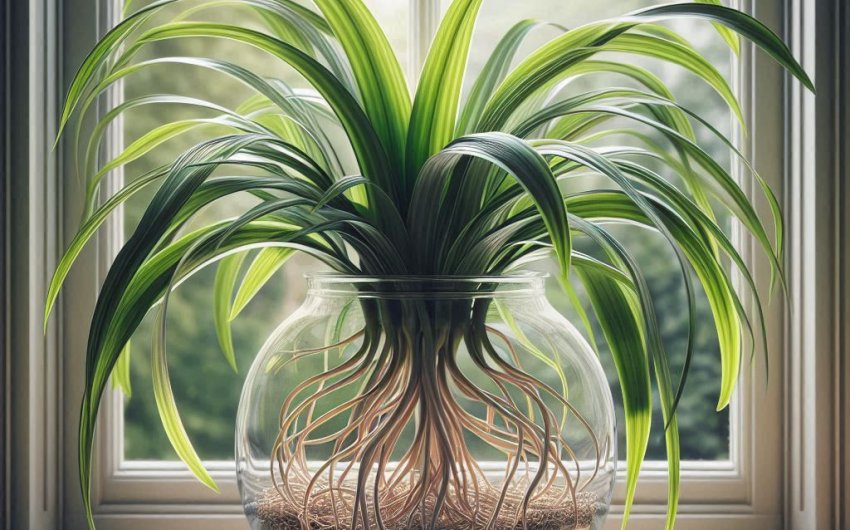
Spider plants, or Chlorophytum comosum, are among the most beloved houseplants due to their air-purifying abilities, resilience, and low maintenance needs. But beyond the usual practice of growing them in soil, many plant enthusiasts are curious: Can spider plants be grown in water? The answer is a resounding yes! These hardy plants can thrive in water, making them an excellent choice for anyone interested in a unique, soil-free growing experience.
In this guide, we will explore everything you need to know about growing spider plants in water, from selecting the right cutting to keeping your plant healthy over time.
Why Grow Spider Plants in Water?
Spider plants are traditionally grown in soil, but there are several advantages to cultivating them in water. Understanding the reasons behind this alternative growing method can help you decide if it's the right approach for you.
1. Low Maintenance and Cleaner Environment
One of the most appealing aspects of growing spider plants in water is the reduced mess. Without soil, there’s no risk of dealing with spills or pests like fungus gnats that thrive in moist, organic environments. Water-growing spider plants also allow you to easily monitor root health, as you can see when the roots need cleaning or when they’re growing too dense for their container.
Tip: Place your spider plant in a clear glass vase to enjoy the visual of root growth and to spot potential algae buildup.
2. Aesthetic Appeal
Water-growing spider plants have a sleek and modern appearance that fits in beautifully with minimalist or contemporary interior design styles. The plant's long, arching leaves combined with visible, growing roots create a unique visual contrast. This water-growing method can also be a conversation starter, with guests marveling at how vibrant your plant looks despite the absence of soil.
For those who enjoy experimenting with plant decor, consider using colorful or uniquely shaped glass containers to further enhance the plant's visual impact.
3. Root Propagation Made Easy
When propagating spider plants, you can place the offshoots or "spiderettes" directly into water to encourage root growth. This method is especially beneficial for beginners who may find it tricky to balance moisture levels in the soil. In water, spider plants can propagate without the need for special fertilizers or worrying about overwatering.
How to Grow Spider Plants in Water
Now that we've discussed the benefits, let’s dive into the process of growing your spider plant in water. Below is a step-by-step guide to ensure your plant flourishes in its new aquatic environment.
1. Selecting the Right Offshoot
The first step is to select a healthy spider plant offshoot for water propagation. Spider plants often develop small baby plants, known as "spiderettes," that hang off the main plant. These offshoots are ideal for water propagation because they already have small, developing roots.
Tip: Choose a spiderette that looks healthy, with at least an inch or two of root growth. If you don't have any spiderettes, you can also use a mature leaf cutting, but this may take longer to develop roots.
Linking opportunity: Looking to start propagating? Consider placing your spider plant in a stylish propagation station.
2. Cutting and Preparing the Offshoot
Once you’ve selected your spiderette, use a clean, sharp pair of scissors to cut it away from the main plant. It’s essential to cut just below the base of the plantlet, where the roots begin to emerge.
After cutting, you can rinse the baby plant in room-temperature water to remove any dirt or debris.
3. Choosing the Right Water and Container
To grow your spider plant in water, you'll need a container that allows the roots to spread while supporting the foliage. Clear glass jars are a popular option, as they enable you to monitor root growth and spot any signs of algae or bacteria.
Use filtered water or let tap water sit out for 24 hours before placing your spiderette inside. This allows any chlorine in the water to evaporate, creating a more plant-friendly environment.
Place the offshoot into the container, ensuring that only the roots are submerged. The leaves should remain above the water to avoid rotting.
4. Placing Your Spider Plant in the Right Spot
Position your water-grown spider plant in a bright location, but out of direct sunlight. Spider plants thrive in bright, indirect light, which will help them develop faster and maintain vibrant, green leaves. Too much direct sun can cause leaf scorch, while too little light may result in slow growth.
To promote root development and leaf health, consider placing your plant near a window with filtered light.
How to Care for Water-Grown Spider Plants
Water-growing spider plants may be low maintenance, but they still require some attention to thrive. Follow these care tips to keep your plant healthy and looking its best.
1. Changing the Water Regularly
Just as overwatering can harm soil-grown plants, stagnant water can be detrimental to plants grown in water. Change the water in your container every 5-7 days to prevent bacterial growth and keep the water fresh. Each time you change the water, rinse the roots gently to remove any slime or dirt buildup.
You may also want to clean the container during water changes to eliminate any algae that could develop. If you notice any discoloration or smell, clean the container with mild soap and water before adding fresh water.
2. Fertilizing Water-Grown Spider Plants
Although spider plants don’t require much to grow in water, they can benefit from occasional feeding. Every 4-6 weeks, add a small amount of water-soluble fertilizer to the water. Be sure to dilute it according to the instructions, as too much fertilizer can damage the roots.
Choose a fertilizer that is low in nitrogen but balanced in phosphorus and potassium to support healthy root development. Look for liquid fertilizers that are specifically designed for houseplants.
Linking opportunity: Give your water-grown spider plant a boost with a water-soluble fertilizer made for hydroponic plants.
3. Pruning and Maintenance
Spider plants are known for their long, arching leaves, but they can sometimes become overgrown or scraggly. If your plant begins to look untidy, prune back the leaves to encourage fuller, more compact growth. Regularly inspect the leaves for yellowing or brown tips, which may indicate the need for fresh water or more indirect sunlight.
Using a sharp pruning tool, carefully snip away dead or damaged leaves at the base. This will help redirect the plant’s energy to healthy growth.
Linking opportunity: Keep your plant looking its best with this set of precision pruning shears.
Common Issues When Growing Spider Plants in Water
While spider plants are generally easy to grow, you may encounter some challenges when growing them in water. Below are a few common issues and how to address them.
1. Root Rot
Root rot can occur if the roots are left sitting in dirty or stagnant water for too long. To prevent this, ensure you're changing the water regularly and using a clean container. If you notice the roots becoming mushy or discolored, trim away the affected parts using sterile scissors, and place the plant in fresh water immediately.
2. Algae Growth
Algae can quickly form in water-grown plants, especially if the container is exposed to sunlight. If you notice a green film on the container or the roots, it's likely algae. To avoid this, use an opaque container or keep your plant out of direct sunlight. Regular water changes will also minimize algae growth.
Linking opportunity: An easy way to keep algae in check is by using a dark-colored container that limits light exposure to the roots.
3. Nutrient Deficiency
Over time, spider plants grown in water may develop nutrient deficiencies because they’re not receiving minerals from soil. If you notice pale or yellowing leaves, your plant may need more nutrients. In this case, consider using a water-soluble houseplant fertilizer once every few weeks to replenish essential minerals.
Tips for Long-Term Water Growing Success
Spider plants can survive in water indefinitely, but their growth may eventually slow down as they adapt to their aquatic environment. Here are a few tips to ensure your water-grown spider plant remains healthy in the long term.
1. Transplanting to Soil (Optional)
If you ever decide to transition your spider plant from water to soil, it’s entirely possible. Simply move the plant to a well-draining pot filled with a light, loamy soil mix. The plant will need time to adjust to its new environment, so be sure to keep it in a bright spot and water it lightly for the first few weeks.
2. Maintaining Root Health
Since you can easily monitor root growth when your spider plant is in water, keep an eye out for any signs of overcrowding. If the roots start to grow too long, you can trim them back with sterile scissors. Healthy roots should appear white and firm, while any brown or black roots should be trimmed to prevent disease.
Linking opportunity: Make sure your roots are always healthy by using these precision root pruning tools.
3. Encouraging Fullness
To encourage fuller growth, you can also propagate multiple spiderettes in one container. Grouping several spiderettes together will create a fuller, bushier appearance, giving your plant a more lush and vibrant look.
Spider plants are versatile, resilient, and easy to care for—whether they’re grown in soil or water. With a little attention and the right setup, your water-grown spider plant will thrive, providing you with both
aesthetic beauty and the benefits of cleaner indoor air.
For more tips on spider plant care, check out our guide on easy care tips for spider plants.