
How Do I Clean and Maintain My Rubber Plant’s Leaves?
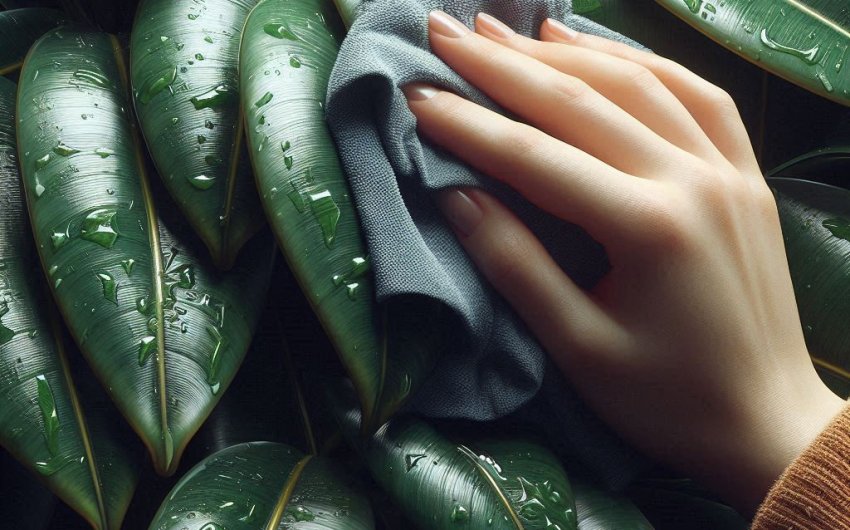
Rubber plants (Ficus elastica) are beloved houseplants due to their bold, glossy leaves and easy-going nature. However, like most indoor plants, the leaves can accumulate dust and dirt over time, dulling their natural shine and potentially hindering the plant’s ability to photosynthesize effectively. Cleaning and maintaining your rubber plant's leaves is an essential part of care to ensure it stays vibrant and healthy. This article covers everything you need to know about cleaning rubber plant leaves, maintaining their glossy finish, and keeping your plant in top condition.
Why Is It Important to Clean Rubber Plant Leaves?
Your rubber plant breathes through its leaves, absorbing carbon dioxide and releasing oxygen in a process called photosynthesis. When dust, grime, or other debris accumulates on the leaves, it can clog the tiny pores (called stomata) that help the plant "breathe." This can:
- Reduce the amount of light that reaches the leaves.
- Impair the plant’s ability to photosynthesize effectively.
- Make the plant more susceptible to pests and diseases.
Regular cleaning not only keeps your rubber plant looking aesthetically pleasing, but it also ensures that the plant remains healthy and functional. Additionally, maintaining clean leaves helps you spot any early signs of issues such as pests, mold, or nutrient deficiencies.
Looking to enhance your plant care game? Explore high-quality plant care kits that can make the cleaning and maintenance process easier.
How Often Should You Clean Rubber Plant Leaves?
The frequency of cleaning depends largely on the environment in which your rubber plant is kept. Plants in dusty or high-traffic areas might need more frequent cleaning compared to those in low-dust environments. A good rule of thumb is to inspect the leaves weekly and clean them whenever you notice a buildup of dust or dirt.
If you live in a city with higher pollution levels or if your plant is near a window that remains open, it may require more frequent care. Rubber plant leaves are relatively hardy, so cleaning them about once every two weeks or as needed should suffice.
Inspecting for Dust and Dirt
The best way to determine whether your plant's leaves need cleaning is through regular inspection. Look for:
- A dull or dusty appearance: When the natural sheen of the leaves starts to fade.
- Debris or particles on the surface: This can include dust, dirt, or pet hair if you have furry companions.
- Signs of pests: Look for tiny insects like spider mites, aphids, or scale that may be lurking on the underside of the leaves.
If you notice any of these signs, it's time to clean those leaves. For a more detailed guide on overall rubber plant care, visit our rubber plant care guide.
Steps to Clean Rubber Plant Leaves
Now that you know why and when to clean your rubber plant’s leaves, let’s dive into the methods you can use to keep them spotless and shiny.
1. Use a Soft Cloth and Lukewarm Water
One of the easiest and safest ways to clean your rubber plant is to use a soft cloth dampened with lukewarm water. This method works well for removing dust and keeping the leaves hydrated without causing damage.
Steps:
- Step 1: Fill a bowl with lukewarm water.
- Step 2: Dampen a soft, lint-free cloth (like a microfiber cloth) in the water and wring out the excess moisture. Avoid using excessively wet cloths, as too much water can drip into the soil and potentially cause root rot.
- Step 3: Gently wipe both the top and bottom of each leaf. Move in circular motions to lift off dust without scratching the delicate surface.
- Step 4: Repeat this process with clean water and a fresh cloth until all the leaves have been cleaned.
If you don’t have a suitable cloth, check out microfiber cleaning cloths for a gentle cleaning solution.
2. Shower Method for Large Plants
For large rubber plants or those that have accumulated a significant amount of dust, the shower method is an effective solution. This method mimics a natural rain shower and is great for thoroughly cleaning the leaves without the need for individual wiping.
Steps:
- Step 1: Place your rubber plant in a bathtub or outside if the weather is warm.
- Step 2: Use a gentle spray of lukewarm water to rinse the leaves thoroughly, aiming to remove all dust and debris.
- Step 3: Let the plant sit for a few minutes to allow excess water to drip off.
- Step 4: Use a soft cloth to gently wipe any remaining water droplets from the leaves.
Showering your plant occasionally can also help refresh the soil and flush out any excess minerals that may have built up over time. If you’re considering a good-quality watering solution, check out watering cans designed for indoor plants.
3. Leaf Shine Products
While some plant owners prefer the natural look of their rubber plant’s leaves, others like to use leaf shine products to give the leaves an extra glossy finish. These products can make your rubber plant look polished and pristine, but it’s important to choose products that are safe for plants.
Steps:
- Step 1: Spray a small amount of leaf shine directly onto a soft cloth, rather than spraying it directly onto the leaves. This prevents excessive product buildup.
- Step 2: Gently wipe the leaves with the cloth, ensuring you cover both the top and underside of the leaves.
- Step 3: Buff the leaves with a dry cloth if needed to remove any excess product and enhance the shine.
Make sure to use plant-safe leaf shine that won’t clog the plant’s pores or hinder its natural growth.
4. Homemade Natural Leaf Cleaners
For a chemical-free option, you can create your own natural leaf cleaner using simple household ingredients. These solutions are gentle on your plant’s leaves while effectively removing dirt and grime.
Common DIY Leaf Cleaner Solutions:
- Water and vinegar: Mix one part white vinegar with 10 parts water to create a natural cleaning solution. Vinegar helps to cut through grease and dirt while keeping the leaves shiny. Be sure to test this mixture on a small part of the leaf before applying it all over to ensure your plant doesn’t react negatively.
- Water and mild soap: Mix a few drops of mild liquid soap (like castile soap) with water to clean the leaves. This is particularly effective if your rubber plant has a pest infestation, as the soap can help suffocate pests like aphids and spider mites.
When using natural cleaners, always rinse the leaves with plain water afterward to prevent any soap or vinegar residue from lingering on the plant.
5. Removing Hard Water Spots
If you’ve been watering your rubber plant with hard water, you might notice unsightly water spots forming on the leaves. These spots are caused by the minerals in hard water, which leave behind a residue after the water evaporates. To remove these:
- Step 1: Mix equal parts white vinegar and water in a spray bottle.
- Step 2: Spray the affected leaves lightly and use a soft cloth to gently wipe the spots away.
- Step 3: Rinse the leaves with plain water afterward to prevent any vinegar buildup.
Switching to distilled water or using a water filter can prevent hard water spots from forming in the future.
Tips for Maintaining Rubber Plant Leaves
In addition to regular cleaning, there are several ways to maintain your rubber plant’s leaves to keep them healthy, glossy, and pest-free.
1. Provide Adequate Light
Rubber plants thrive in bright, indirect light. Insufficient light can cause the leaves to lose their shine and become dull. Place your plant near a window where it can receive plenty of light, but be careful to avoid direct sunlight, which can scorch the leaves.
If your space lacks natural light, consider using grow lights to supplement your plant’s needs and ensure it gets enough energy to maintain healthy leaves.
2. Proper Watering Techniques
Overwatering is a common mistake when caring for rubber plants. The leaves can become discolored or drop if the plant is watered too frequently. Allow the top inch of soil to dry out before watering again, and ensure your plant is in a pot with **[drainage holes](https://www.amazon.com/s?k=plant+pots+
with+drainage&linkCode=ll2&tag=onlinestorebo-20)** to prevent water from sitting at the bottom.
Also, make sure to use room-temperature water, as cold water can shock the plant's roots and lead to poor leaf health.
3. Regular Dusting
To prevent dust buildup in the first place, lightly dust your plant’s leaves with a dry microfiber cloth once a week. This will make deep cleaning less frequent and keep your rubber plant looking fresh.
Dusting the leaves regularly also gives you a chance to inspect the plant for pests like spider mites, which can be more easily detected on clean leaves.
4. Humidity Levels
Rubber plants thrive in moderately humid environments. Dry air can cause the leaves to lose moisture and become dull or even brittle. If your home has low humidity levels, especially during winter, consider using a humidifier to maintain the right moisture balance for your plant. You can also mist the leaves with water occasionally to increase humidity.
5. Pest Control
Healthy rubber plant leaves are less likely to attract pests, but it's always a good idea to stay vigilant. Spider mites, aphids, and scale insects can all target the leaves of a rubber plant, leading to yellowing or curling of the foliage.
If you notice any signs of pest infestation, such as tiny webs or sticky residue on the leaves, treat your plant with insecticidal soap or neem oil. Regularly inspecting the underside of leaves can help catch pests early before they cause significant damage.