
What Soil is Best for Boston Ferns?
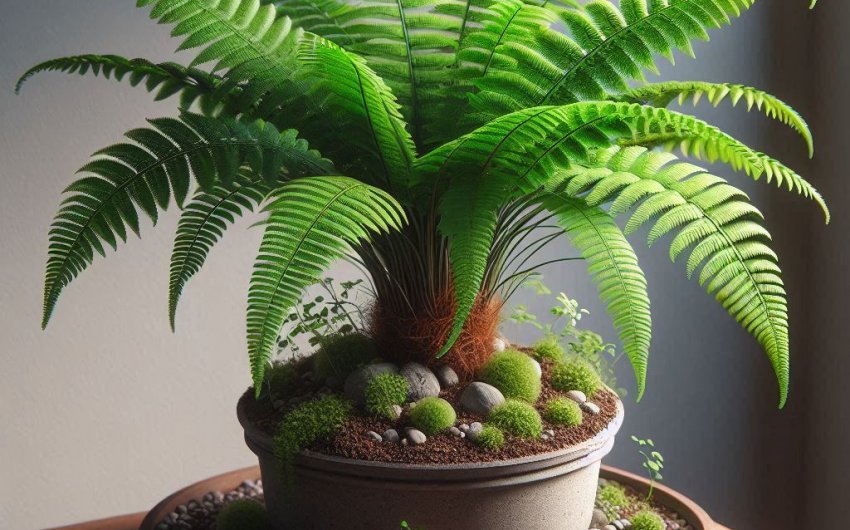
Boston ferns (Nephrolepis exaltata), with their lush green fronds and delicate appearance, are among the most popular houseplants. Known for their ability to purify the air and add a touch of tropical greenery to indoor spaces, these ferns thrive with the right care. One of the key factors in maintaining a healthy Boston fern is choosing the best soil. The type of soil you use directly affects the plant’s ability to retain moisture, breathe, and absorb nutrients, all of which are crucial for its growth.
In this comprehensive guide, we’ll dive into what makes the ideal soil for Boston ferns, the components that contribute to a healthy growing medium, and how to optimize your fern’s environment for lush, vibrant growth.
Understanding Boston Ferns' Natural Habitat
To understand the best soil for Boston ferns, it’s essential to first consider their natural habitat. In the wild, Boston ferns grow in tropical and subtropical regions, often in forested areas with high humidity, indirect light, and rich, well-draining soils. These ferns typically grow in the understory of forests, where the soil is loose, well-aerated, and filled with organic matter. The roots need constant access to moisture, but standing water can lead to root rot.
When replicating these conditions indoors, it’s important to choose a soil that retains moisture without becoming waterlogged, allows air to reach the roots, and is rich in organic materials.
The Ideal Soil Qualities for Boston Ferns
When selecting soil for Boston ferns, there are several important qualities to look for:
1. Moisture Retention
Boston ferns prefer consistently moist soil, but the soil should not remain soggy. The key is finding a balance where the soil retains enough moisture to hydrate the roots without causing root rot. The best soil for Boston ferns should have good moisture retention while also offering proper drainage.
2. Good Drainage
While Boston ferns enjoy moisture, they cannot tolerate waterlogged soil. The soil must allow excess water to drain away to prevent the roots from sitting in water. Without good drainage, the roots can suffocate and rot, leading to the death of your plant.
To improve drainage, you can mix perlite or coarse sand into the soil to create air pockets that allow water to flow freely. These materials help the soil drain properly without compromising its ability to hold some moisture.
3. Aeration
Aeration is critical for Boston ferns because it allows oxygen to reach the roots. Well-aerated soil prevents compaction, which can lead to suffocation of the roots. Adding elements like bark chips or peat moss to the soil mix will help keep the soil loose and oxygen-rich, ensuring the roots can "breathe."
4. Organic Matter
In their natural habitat, Boston ferns grow in soils that are rich in decomposing plant material. Organic matter not only provides essential nutrients but also helps the soil retain moisture while staying loose and aerated. Adding compost or leaf mold to your soil mix will mimic this natural environment and provide the necessary nutrients for healthy growth.
Key Ingredients for the Perfect Soil Mix
Creating the best soil for Boston ferns involves combining various components to ensure optimal moisture retention, drainage, aeration, and nutrient content. Here are some key ingredients to include in your soil mix:
1. Peat Moss
Peat moss is a popular ingredient for many indoor plant soils, especially for moisture-loving plants like Boston ferns. It helps retain moisture while keeping the soil well-draining and airy. Peat moss also has a slightly acidic pH, which is ideal for Boston ferns, as they prefer slightly acidic to neutral soil conditions.
To create a balanced soil mix, combine peat moss with other ingredients that improve drainage, such as perlite or sand.
2. Perlite
Perlite is a volcanic glass that is commonly used in potting soils to improve drainage and aeration. When added to your soil mix, perlite helps create air pockets that allow water to drain more efficiently and prevents the soil from becoming compacted.
Adding perlite ensures that your Boston fern's roots have access to both moisture and oxygen, which is essential for healthy growth.
3. Coconut Coir
Coconut coir is an excellent alternative to peat moss. Made from the fibrous husks of coconuts, it has similar moisture-retention properties but is more sustainable and environmentally friendly. Coconut coir holds water well while allowing excess moisture to drain, making it a great addition to your Boston fern soil mix.
When mixed with other ingredients like compost and perlite, coconut coir helps create the perfect balance of moisture and drainage.
4. Compost
Adding compost to your Boston fern soil mix introduces valuable nutrients that support plant growth. Compost provides organic matter that improves soil structure, helps with moisture retention, and offers essential minerals that your plant needs for vibrant foliage and overall health.
Compost can also help feed beneficial microorganisms in the soil, which play a crucial role in breaking down organic matter and making nutrients available to your plant.
5. Bark Chips
Bark chips, particularly orchid bark, can help improve aeration in your soil mix. They provide excellent drainage and prevent the soil from compacting over time. Adding bark chips to your soil mix will also mimic the natural forest floor environment where Boston ferns thrive.
Mixing bark chips with other soil ingredients helps create a light and airy texture that allows the roots to grow freely while maintaining adequate moisture levels.
6. Coarse Sand
If you need to improve the drainage of your Boston fern soil, adding coarse sand is an excellent option. Sand helps prevent the soil from retaining too much water by increasing drainage. Be sure to use coarse sand rather than fine sand, as the latter can lead to compaction and poor drainage.
Combining coarse sand with peat moss and compost ensures that the soil retains enough moisture while allowing excess water to drain away, preventing the roots from becoming waterlogged.
7. Charcoal
Adding horticultural charcoal to your Boston fern soil mix can help keep the soil fresh and prevent odors from developing in the pot. Charcoal acts as a natural filter, removing impurities and toxins from the soil. It also improves drainage by creating more air pockets in the soil.
Charcoal is especially useful in preventing the buildup of salts and other harmful substances that can accumulate in the soil over time, particularly when using tap water to water your plants.
Ready-Made Potting Mixes for Boston Ferns
If you prefer a ready-made solution, you can choose a high-quality potting mix specifically formulated for ferns and other tropical plants. These mixes are typically designed to provide the right balance of moisture retention, drainage, and aeration that Boston ferns need. Look for a fern-specific potting mix that contains ingredients like peat moss, coconut coir, perlite, and compost.
Alternatively, you can use a general houseplant potting mix and modify it by adding perlite or bark chips to improve drainage and aeration.
Adjusting Soil for Indoor vs. Outdoor Boston Ferns
Boston ferns can be grown both indoors and outdoors, but the soil needs may vary slightly depending on where your plant is located. While indoor ferns generally require well-draining soil with high moisture retention, outdoor ferns might need a more robust mix to handle varying weather conditions and potential exposure to stronger sunlight.
Indoor Boston Ferns
For indoor Boston ferns, it’s important to choose a potting mix that retains moisture but drains well. Since indoor environments
are often less humid, the soil should be able to hold onto water for longer periods. You can also use a self-watering pot to help maintain consistent moisture levels. Consider using a self-watering planter to simplify your watering routine and keep your fern happy indoors.
Outdoor Boston Ferns
Outdoor Boston ferns are exposed to more elements, such as rain, wind, and direct sunlight. In this case, a slightly heavier soil mix that still drains well is ideal. Adding a layer of mulch around the base of the plant can help retain moisture and protect the roots from temperature fluctuations. Mulch can also prevent weeds from competing with the fern for water and nutrients.
If your Boston fern is planted in a container outdoors, make sure the container has adequate drainage holes to prevent water from accumulating at the bottom. You can also elevate the pot using a plant stand to promote airflow around the container and improve drainage.
Maintaining Healthy Soil for Boston Ferns
Even after choosing the perfect soil mix for your Boston fern, ongoing care and maintenance are key to keeping the soil healthy and your plant thriving. Here are some tips for maintaining the best soil conditions:
1. Monitor Soil Moisture
Boston ferns prefer consistently moist soil, but the surface should not be soggy. Water your plant when the top inch of soil feels dry to the touch. Use a moisture meter to accurately monitor the moisture level in the soil and prevent overwatering.
2. Fertilize Regularly
To keep your Boston fern thriving, provide it with a balanced fertilizer during the growing season. Using a liquid fertilizer every four to six weeks can help ensure your plant gets the nutrients it needs. However, be careful not to over-fertilize, as this can lead to nutrient imbalances and harm the plant.
3. Repot Every Few Years
Boston ferns benefit from being repotted every two to three years to refresh the soil and give the roots more room to grow. When repotting, choose a pot that is one size larger than the current one and fill it with a fresh batch of your custom soil mix. Use plant pots with drainage holes to ensure excess water can escape easily, preventing root rot.
4. Prevent Soil Compaction
Over time, the soil in your Boston fern’s pot may become compacted, reducing airflow and drainage. To prevent this, periodically loosen the top layer of soil with a garden trowel to maintain aeration. Adding fresh organic matter like compost or peat moss can also improve the soil structure and keep it light and airy.