
What Pests Are Common to Succulents and How Can I Control Them?
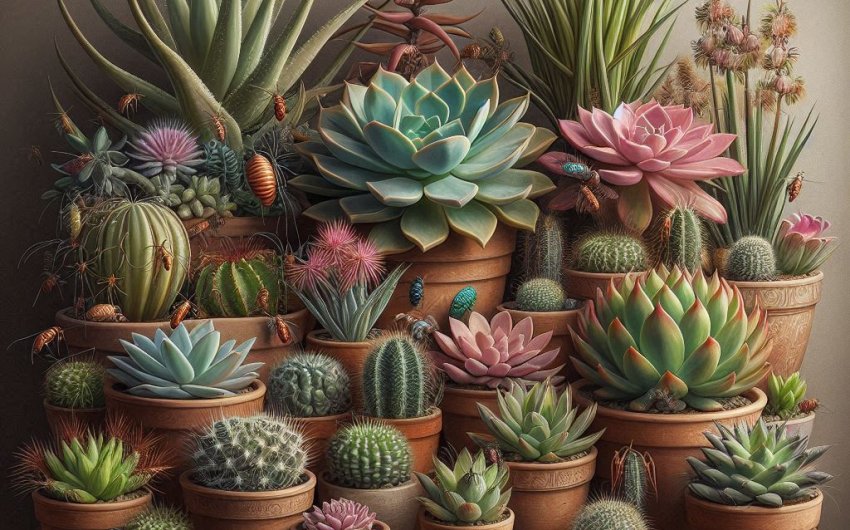
The most common pests for succulents include mealybugs, spider mites, aphids, fungus gnats, and scale insects. Controlling them effectively involves a multi-pronged approach, often starting with manual removal and progressing to horticultural sprays and environmental adjustments, prioritizing early detection.
Why Are Succulents Susceptible to Pests?
While often celebrated for their resilience and low-maintenance nature, succulents are not entirely immune to pest problems. In fact, certain characteristics of succulents can make them particularly susceptible or make pest control more challenging. Understanding these vulnerabilities is the first step in effective management and preparing to deal with pests common to succulents.
1. Fleshy Leaves and Stems (Sap Source)
- Easy Access for Sap-Suckers: Succulents store water and nutrients in their plump leaves and stems, making them a juicy target for sap-sucking pests like mealybugs, aphids, and scale insects. These pests find it relatively easy to pierce the succulent's outer layer and access the rich sap within.
- Nutrient-Rich Sap: The high concentration of nutrients in succulent sap provides an ideal food source, encouraging pest reproduction.
2. Compact Growth Habits and Crevices
- Hiding Spots: Many succulents grow in tight rosettes or have dense clusters of leaves, creating numerous hidden crevices where pests can tuck themselves away. These protected spots are perfect for pests to breed and feed unnoticed.
- Difficult to Reach: The compact nature makes it challenging for gardeners to physically wipe away or spray pests thoroughly, allowing infestations to escalate before being fully detected.
3. Often Grown Indoors
- Lack of Natural Predators: When grown indoors, succulents are isolated from the natural predators (ladybugs, lacewings, parasitic wasps) that help keep pest populations in check outdoors. This allows a few stray pests to quickly multiply into a full-blown infestation.
- Controlled Environment Favors Pests: Indoor environments can sometimes have stable temperatures and consistent humidity, which can be ideal for certain pests to thrive year-round without natural seasonal die-offs.
4. Vulnerability to Overwatering
- Stressed Plants Attract Pests: While not a direct cause, overwatering is a common mistake with succulents, leading to root rot. A stressed or weakened plant is inherently more susceptible to pest attacks as its natural defenses are compromised.
- Fungus Gnat Attraction: Excessively wet soil specifically attracts fungus gnats, a common succulent pest.
By being aware of these factors, you can be more vigilant in your inspections and proactive in your care, setting the stage for effective pest control for your succulents.
What are Mealybugs and How Do They Affect Succulents?
Mealybugs are arguably the most common and frustrating pests for succulents. Recognizing them quickly and understanding their impact is crucial for effective pest control.
What They Look Like:
- Appearance: Mealybugs are tiny, soft-bodied insects (about 1/16 to 1/4 inch long) covered in a fluffy, waxy white substance, resembling small bits of cotton or fuzz.
- Color: The actual insect underneath the waxy coating is typically oval-shaped and whitish-pink or grayish.
- Movement: They move slowly, often appearing stationary.
- Life Stages: You'll see adult females (which are the visible white cottony masses) and tiny, crawly nymphs (juveniles) that are harder to spot but actively feed.
Where They Hide:
- Protected Areas: They typically congregate in the most protected parts of the succulent:
- Leaf Axils: The crevices where leaves meet stems.
- Undersides of Leaves: Especially close to the stem.
- Along Stems: Often hidden between rows of leaves.
- Root Mealybugs: A specific type of mealybug infests the roots, appearing as white, cottony masses on the root ball.
How They Damage Succulents:
- Sap-Sucking: Mealybugs are sap-sucking insects. They pierce the succulent's tissues with their straw-like mouthparts (stylets) and extract the nutrient-rich sap.
- Visible Damage:
- Stunted Growth: Infested succulents will often show slowed or stunted growth.
- Distorted Leaves: Leaves may appear distorted, curled, or deformed.
- Yellowing/Discoloration: Prolonged feeding can lead to yellowing or other discoloration of leaves, and eventually leaf drop.
- Wilting: While succulents typically don't wilt like leafy plants, heavy infestations can cause a general lack of vigor.
- Honeydew and Sooty Mold:
- Sticky Residue: Mealybugs excrete a sticky, sugary substance called honeydew. This clear, glistening residue often accumulates on leaves below the feeding sites.
- Black Sooty Mold: Honeydew provides an ideal breeding ground for black sooty mold, a harmless but unsightly fungus that grows on the sticky substance. Sooty mold blocks sunlight, further inhibiting photosynthesis.
Early detection of mealybugs is key to effective pest control for your succulents, as they can quickly spread and weaken your plants if left unchecked.
How to Control Mealybugs on Succulents? (Step-by-Step)
Controlling mealybugs on your succulents requires diligence and a multi-pronged approach, especially since they are pests common to succulents. Early detection makes treatment much easier.
Step 1: Isolate the Infected Succulent
- Immediate Action: As soon as you spot mealybugs, immediately move the infested succulent away from all other plants. Mealybugs spread quickly, often by crawling or being carried on air currents. This isolation prevents further contamination.
Step 2: Mechanical Removal (First Line of Defense)
- Rubbing Alcohol Swabs: This is highly effective for spot treatment. Dip a cotton swab or a soft cloth in 70% isopropyl rubbing alcohol.
- Application: Gently touch or wipe every visible mealybug and their white cottony masses. The alcohol dissolves their waxy coating, dehydrating and killing them on contact.
- Thoroughness: Be meticulous! Check every crevice, leaf axil, stem, and especially the undersides of leaves.
- Caution: Test on a small, inconspicuous part of the plant first to ensure no adverse reaction. Alcohol can sometimes remove the powdery farina on certain succulents, which is part of their natural protection. Avoid direct sunlight immediately after application.
- Strong Water Jet (for robust succulents): For larger, more robust succulents, a strong jet of water from a hose (outdoors) or sink sprayer can physically dislodge many mealybugs. Be gentle and allow the plant to dry completely.
Step 3: Apply Insecticidal Treatment (If Needed)
If manual removal isn't enough, or for heavier infestations, use a targeted insecticidal spray.
- Neem Oil Spray: Mix 1-2 teaspoons of pure, cold-pressed Neem Oil for Plants with 1 teaspoon of mild liquid dish soap (as an emulsifier) per quart of warm water. Shake well.
- Application: Spray all parts of the succulent thoroughly, covering both the top and bottom of leaves and stems. Ensure good coverage in all the hidden nooks and crannies.
- How it Works: Neem oil disrupts insect feeding, growth, and reproduction. It's organic and can act systemically (absorbed by the plant).
- Timing: Apply in the evening or on a cloudy day to prevent leaf burn, as succulents can be sensitive to oil and sun.
- Insecticidal Soap: Alternatively, use a commercial Insecticidal Soap Spray, following label instructions.
- How it Works: Insecticidal soaps work by breaking down the insect's outer protective layer, causing dehydration. It kills on contact.
- Application: Needs thorough coverage to be effective.
Step 4: Treat Root Mealybugs (if suspected)
- Symptoms: If your succulent is showing signs of decline (stunted growth, yellowing) without visible mealybugs on the foliage, check the roots. You'll see white, cottony masses on the root ball.
- Treatment: Gently unpot the succulent. Brush off as much old soil as possible. Spray the roots directly with a diluted rubbing alcohol solution (1:1 alcohol to water) or insecticidal soap solution. Allow the roots to air dry for several hours before repotting into fresh, sterile, well-draining succulent potting mix in a clean pot.
Step 5: Follow-Up and Monitoring
- Repeat Treatments: Mealybugs are notoriously persistent due to their egg-laying cycle. You'll need to repeat treatments every 7-10 days for at least 3-4 weeks to catch newly hatched nymphs from any missed eggs.
- Regular Inspection: Continue to inspect your succulent diligently, even after infestations appear gone. Early detection of new outbreaks makes them much easier to control.
By following these steps, you can effectively regain control over mealybugs and keep your succulents thriving.
What are Spider Mites and How Do They Affect Succulents?
Spider mites are tiny, insidious pests that can be particularly damaging to succulents because their damage is often subtle until an infestation is severe. They are very common to succulents, especially in dry, warm conditions.
What They Look Like:
- Size: Extremely tiny, almost microscopic, about 1/50 of an inch long. They are very difficult to see with the naked eye.
- Color: Can be red, brown, black, or yellowish-green.
- Identifying Signs: The most tell-tale sign is not the mites themselves, but the damage they cause and the fine, silken webbing they produce, usually in the crevices of leaves, at growth points, or between leaves and stems. This webbing can look like very delicate spider webs.
- Movement: If you tap a leaf over a white piece of paper, tiny specks might fall off and begin to crawl around slowly.
Where They Hide:
- Undersides of Leaves: Their preferred feeding and hiding spots are typically on the undersides of succulent leaves, where they are protected.
- New Growth Points: They also congregate on new, tender growth.
- Leaf Crevices: Tucked away in tight spots between leaves.
How They Damage Succulents:
- Sap-Sucking: Like mealybugs, spider mites are sap-sucking pests. They use their piercing mouthparts to feed on the cell contents of succulent leaves.
- Visible Damage (Stippling): Their feeding causes tiny, pale, pin-prick spots on the leaves, known as stippling. Over time, this stippling can become widespread, causing the leaves to look dull, bleached, grayish, or bronzed.
- Yellowing and Browning: Severely damaged leaves may turn yellow, then brown, and eventually fall off.
- Reduced Photosynthesis: The widespread stippling and webbing can reduce the plant's ability to photosynthesize, weakening the plant and stunting its growth.
- Lack of Vigor: Overall, infested succulents will lose their vibrant appearance and show a general decline in health.
Spider mites thrive in dry, warm conditions, which is often the environment provided indoors for succulents. This makes humidity a crucial factor in their control. Vigilant inspection for early signs of webbing or stippling is essential for effective pest control before the infestation becomes severe.
How to Control Spider Mites on Succulents? (Step-by-Step)
Controlling spider mites on succulents requires consistent effort due to their rapid reproduction and tiny size. Since they are pests common to succulents in dry conditions, environmental adjustments are key.
Step 1: Isolate and Prune Affected Areas
- Immediate Action: Separate the infested succulent from other plants to prevent spread.
- Remove Heavily Damaged Parts: Carefully prune off any severely infested leaves or stems that are heavily stippled or covered in thick webbing. Dispose of these in the trash, not compost. Sterilize your pruning shears after use.
Step 2: Mechanical Removal (Hose Down)
- Strong Water Spray: Take the succulent to a sink, shower, or outdoors. Use a strong, steady jet of lukewarm water (from a spray nozzle or showerhead) to thoroughly spray down all parts of the plant.
- Focus: Pay special attention to the undersides of leaves and all crevices where mites and webbing hide. The goal is to physically knock off as many mites as possible.
- Protect Soil: You can cover the soil with a plastic bag or foil to prevent overwatering while hosing down the foliage.
- Allow to Dry: Ensure the plant thoroughly dries afterward, especially in good airflow, to prevent fungal issues.
Step 3: Increase Humidity
- Spider Mites Hate Humidity: Spider mites thrive in dry conditions. Increasing ambient humidity can make the environment less hospitable for them.
- Misting (Carefully): While generally not recommended for succulents due to rot risk, for severe spider mite issues, light misting around the plant or using a Humidifier for Plants nearby for short periods can help raise humidity.
- Pebble Tray: Place the pot on a pebble tray filled with water (ensure the bottom of the pot doesn't sit in the water). As the water evaporates, it raises local humidity.
Step 4: Apply Horticultural Treatment
- Neem Oil Spray: Mix 1-2 teaspoons of pure, cold-pressed Neem Oil for Plants with 1 teaspoon of mild liquid dish soap per quart of warm water. Shake well.
- Application: Thoroughly spray the entire plant, making sure to get good coverage on the undersides of leaves and in all the tight spots where mites hide.
- Timing: Apply in the evening or on a cloudy day to prevent leaf burn, as succulents are sensitive to oil and sun.
- How it Works: Neem oil acts as an antifeedant, growth disruptor, and repellent. It also helps smother mites.
- Insecticidal Soap: A commercial Insecticidal Soap Spray can also be effective.
- Application: Must hit the mites directly to work, as it kills on contact. Ensure thorough coverage.
Step 5: Consistent Follow-Up
- Repeat Treatments: Spider mites reproduce rapidly. You will need to repeat treatments every 5-7 days for at least 3-4 weeks to break their life cycle and ensure all newly hatched mites are eliminated.
- Vigilant Monitoring: Continuously inspect your succulent for any return of stippling or webbing. Use a magnifying glass if needed.
- Cleanliness: Regularly wipe down leaves (for smooth-leaved succulents) or gently brush (for fuzzy ones) to remove dust, which can attract mites.
Through a combination of physical removal, environmental adjustment, and consistent treatment, you can gain control over spider mites and help your succulents recover.
What are Aphids and How Do They Affect Succulents?
Aphids are small, soft-bodied insects that are common garden pests, and they can certainly infest succulents, though less frequently and usually less damagingly than mealybugs or spider mites. They are another type of pests common to succulents that you should be aware of.
What They Look Like:
- Appearance: Small (about 1/16 to 1/8 inch long), pear-shaped insects.
- Color: Can vary widely – green, black, red, yellow, brown, or even translucent, depending on the species and plant they're feeding on. For succulents, they are often green or brownish-yellow.
- Clusters: They typically gather in dense clusters on new, tender growth, stems, and the undersides of leaves.
- Wings (Sometimes): Some aphids can develop wings, especially when colonies become overcrowded or conditions change, allowing them to fly to new plants.
Where They Hide:
- New Growth: Their preferred feeding sites are usually succulent new growth points, flower buds, and young stems, as these tissues are softer and easier to pierce.
- Undersides of Leaves: They also feed on the undersides of leaves.
How They Damage Succulents:
- Sap-Sucking: Like mealybugs and spider mites, aphids are sap-sucking pests. They insert their mouthparts into the plant tissue and extract sap.
- Visible Damage:
- Stunted or Distorted Growth: Heavy aphid feeding on new growth can cause leaves to curl, crinkle, or become distorted. Stems may also appear stunted.
- Yellowing: Leaves may turn yellow or develop mottled spots.
- Wilting (Rare for Succulents): While less common for the fleshy leaves of succulents, severe infestations can cause a general decline in plant vigor.
- Honeydew and Sooty Mold:
- Sticky Residue: Aphids, like mealybugs, excrete sticky honeydew. This can make the succulent's leaves and surrounding surfaces feel tacky.
- Black Sooty Mold: Honeydew provides a medium for black sooty mold to grow, which blocks sunlight and reduces photosynthesis.
- Ants: Ants are often associated with aphid infestations because they "farm" aphids for their honeydew. If you see ants crawling on your succulent, investigate for aphids or mealybugs.
Aphids can reproduce very quickly, so early detection and prompt control are important to prevent them from overwhelming your succulents.
How to Control Aphids on Succulents? (Step-by-Step)
Controlling aphids on succulents is usually straightforward because they are soft-bodied and often visible, making them easier to manage than some other pests common to succulents.
Step 1: Isolate and Mechanical Removal (Initial Attack)
- Isolate: Move the infested succulent away from other plants immediately.
- Manual Removal: For small infestations, you can often gently wipe or pick off aphids with your fingers or a cotton swab.
- Water Blast: For more robust succulents, take the plant to a sink or outdoors. Use a strong, steady jet of lukewarm water to blast the aphids off the leaves and stems. Focus on the undersides of leaves and new growth. Repeat daily for a few days if needed.
- Caution: Be gentle to avoid damaging the succulent. Protect the soil if you're worried about overwatering.
- Pruning: If only a few stems or leaves are heavily infested, carefully prune off those sections and dispose of them in the trash.
Step 2: Apply Insecticidal Treatment (If Needed)
If the infestation is more widespread or persists after mechanical removal, use a safe insecticidal spray.
- Neem Oil Spray: Mix 1-2 teaspoons of pure, cold-pressed Neem Oil for Plants with 1 teaspoon of mild liquid dish soap per quart of warm water. Shake well.
- Application: Spray all affected parts of the succulent thoroughly, ensuring good coverage, especially on new growth and the undersides of leaves.
- Timing: Apply in the evening or on a cloudy day to prevent leaf burn.
- Insecticidal Soap: A commercial Insecticidal Soap Spray is also very effective as it kills aphids on contact.
- Application: Spray directly onto the aphids, ensuring thorough coverage.
Step 3: Address Any Ant Presence
- Break the Partnership: If you see ants on your succulent, it's highly likely they are farming aphids for honeydew. Controlling the ants is part of controlling the aphids.
- Ant Bait: Place ant baits near the plant's pot or where you see ants entering.
- Clean Surfaces: Wipe away any honeydew to remove the ants' food source.
Step 4: Follow-Up and Monitor
- Repeat Treatments: Aphids reproduce very quickly. You'll likely need to repeat treatments every 5-7 days for at least 2-3 weeks to ensure you catch all hatching nymphs.
- Regular Inspection: Continue to inspect your succulent regularly. Pay close attention to new growth, as this is where aphids prefer to feed.
By combining these methods, you can effectively gain control over aphids and maintain the health of your succulents.
What are Fungus Gnats and How Do They Affect Succulents?
Fungus gnats are tiny, annoying flying insects that are incredibly common to succulents, especially when their primary weakness – overwatering – is present. While the adult gnats are mostly a nuisance, their larvae can cause real damage.
What They Look Like:
- Adult Gnats: Small (1/8 inch), dark-bodied, mosquito-like flies. They often fly in clumsy, erratic patterns around the plant, especially when disturbed, or crawl on the soil surface.
- Larvae: Tiny (up to 1/4 inch long), translucent or whitish, worm-like larvae with shiny black heads. These are found in the top layers of the soil.
Where They Are Found:
- Adults: Flying around the plant, resting on leaves, or crawling on the soil surface.
- Larvae: In the top 1-2 inches of consistently moist or wet potting soil.
How They Damage Succulents:
- Adult Gnats (Mostly Annoying): The flying adult gnats are primarily a nuisance. They don't directly harm the plant by feeding on it.
- Larvae (The Real Problem): This is where the danger lies. Fungus gnat larvae feed on:
- Organic Matter in Soil: Their primary diet is fungi and decaying organic matter in overly moist soil.
- Root Hairs and Tender Roots: If their preferred food source is scarce, or if populations are high, larvae will start to feed on delicate root hairs and tender young succulent roots. This is particularly damaging to succulents, which often have shallow root systems that are highly sensitive to damage and rot.
- Root Rot Pathway: Damaged roots are much more susceptible to fungal infections and root rot, especially in the soggy conditions that attracted the gnats in the first place.
- Visible Damage:
- Yellowing or Wilting: A succulent with root damage may show general yellowing, stunted growth, or a lack of vigor, similar to signs of overwatering or nutrient deficiency.
- Sudden Decline: In severe infestations, especially in young plants or cuttings, the plant may suddenly decline and rot.
The presence of fungus gnats is almost always an indicator of overwatering for succulents. Addressing the moisture issue is the most crucial step in their control.
How to Control Fungus Gnats on Succulents? (Step-by-Step)
Controlling fungus gnats on succulents primarily focuses on addressing the overwatering that attracts them, as they are a strong indicator of this common succulent pest problem.
Step 1: Address Overwatering (The Root Cause)
- Let Soil Dry Out Completely: This is the most critical step. Fungus gnat larvae cannot survive in dry soil. Allow the top 1-2 inches of your succulent's potting mix to dry out completely between waterings, and even dry a bit deeper than usual to thoroughly kill off larvae.
- Adjust Watering Schedule: Re-evaluate your watering routine. Succulents thrive on infrequent, thorough watering. Ensure you're watering only when the soil is completely dry.
- Improve Drainage:
- Well-Draining Soil: Ensure your succulent is in a Succulent and Cactus Potting Mix that drains rapidly.
- Proper Pot: Use pots with adequate drainage holes. Avoid pots without drainage.
Step 2: Trap Adult Gnats (Reduce Reproduction)
While drying out the soil kills the larvae, trapping adults prevents them from laying new eggs.
- Yellow Sticky Traps: Place Yellow Sticky Traps for Fungus Gnats near the soil surface. Adult gnats are attracted to the color yellow and will get stuck.
- Apple Cider Vinegar Traps: Place small, shallow dishes filled with apple cider vinegar, a few drops of dish soap, and water near the infested plants. The gnats are attracted to the vinegar, and the soap breaks the surface tension, causing them to drown.
- Mosquito Bits/Dunks (Biological Larvae Control):
- How it Works: These products contain Bacillus thuringiensis israelensis (BTI), a natural bacterium that is toxic only to the larvae of gnats and mosquitoes. It's safe for plants, pets, and humans.
- Application: Soak Mosquito Bits in water for 30 minutes, then use that water to water your succulents. Alternatively, sprinkle bits directly on the soil surface.
- Timing: Apply with every watering until gnats are gone.
Step 3: Top Dressing (Physical Barrier)
- Sand or Diatomaceous Earth: After drying out the soil, add a 1/2-inch layer of decorative sand or Diatomaceous Earth Food Grade on top of the soil.
- How it Works: Sand creates a dry physical barrier that adults cannot penetrate to lay eggs and larvae cannot emerge through. DE cuts and dehydrates crawling insects.
- Caution with DE: DE is only effective when dry.
Step 4: Repotting (for Severe Cases or Persistent Wetness)
- When to Repot: If your soil remains stubbornly wet, or the infestation is severe and persistent, repotting might be necessary.
- Process: Gently remove the succulent from its pot. Discard all old soil. Inspect roots for any damage or rot (trim if necessary). Repot into fresh, sterile, well-draining succulent potting mix in a clean pot. Allow the plant to dry for several days before its first watering in the new soil.
By focusing on drying out the soil and breaking the gnat life cycle, you can effectively gain control over fungus gnats and ensure the health of your succulents.
What are Scale Insects and How Do They Affect Succulents?
Scale insects are another group of pests common to succulents that can be challenging to spot initially because they often resemble small bumps or irregular growths on the plant's surface. Understanding their stealthy nature and damage is key to effective control.
What They Look Like:
- Appearance: Scale insects are tiny, oval-shaped, immobile insects (or appear to be so in their adult stage). They are covered by a waxy, protective shell-like coating, making them look like small bumps or scabs.
- Color: Can be brown, black, white, or reddish-brown, often blending in with the plant stem or leaf.
- Types:
- Soft Scale: Produce more honeydew and their waxy coating is softer.
- Armored Scale: Have a harder, more protective shield and produce less honeydew.
- Lack of Movement: Adult scale insects typically don't move. Young "crawlers" are mobile but are very tiny and difficult to see.
Where They Hide:
- Stems and Leaf Undersides: They often attach themselves firmly to succulent stems, along leaf veins, and on the undersides of leaves.
- Crevices: They can also be found in protected crevices and leaf axils.
How They Damage Succulents:
- Sap-Sucking: Like mealybugs and aphids, scale insects are sap-sucking pests. They insert their long mouthparts into the succulent's vascular system and continuously draw out sap.
- Visible Damage:
- Stunted Growth: Prolonged feeding weakens the plant, leading to stunted or distorted growth.
- Yellowing Leaves: Leaves may yellow, turn brown, and eventually drop off due to nutrient and moisture loss.
- Dieback: In severe cases, entire stems or branches of the succulent can die back.
- Honeydew and Sooty Mold:
- Sticky Residue: Soft scale (and some armored scale) secrete copious amounts of honeydew, which makes the plant surfaces sticky and shiny.
- Black Sooty Mold: Honeydew leads to the growth of black sooty mold, which covers the leaves, blocking sunlight and hindering photosynthesis.
- Hard to Remove: Their waxy or armored coating makes them difficult to penetrate with sprays, requiring more direct and consistent treatment.
The immobile nature of adult scale often makes them mistaken for part of the plant until honeydew or sooty mold appear. This emphasizes the need for regular, close inspection of your succulents for effective scale pest control.
How to Control Scale Insects on Succulents? (Step-by-Step)
Controlling scale insects on succulents can be challenging due to their protective waxy or armored shells, but consistent effort can lead to success. They are persistent pests common to succulents.
Step 1: Isolate and Manual Removal (Essential First Step)
- Isolate: Immediately separate the infested succulent from all other plants.
- Scraping/Wiping: This is the most effective initial method.
- Rubbing Alcohol Swabs: Dip a cotton swab or an old toothbrush in 70% isopropyl rubbing alcohol. Gently scrape or rub off every visible scale insect from the leaves and stems. The alcohol helps dissolve their waxy coating.
- Fingernail/Tool: For armored scale, you might need to use a fingernail or a soft, blunt tool (like an old credit card edge) to gently scrape them off. Be careful not to damage the plant.
- Thoroughness: Be extremely meticulous. Scale can hide in tiny crevices. Check the undersides of leaves and along all stems.
- Caution: Test alcohol on a small area first. Avoid direct sunlight immediately after applying alcohol.
- Pruning (Severe Cases): For heavily infested leaves or stems that are beyond saving, carefully prune them off and dispose of them in the trash. Sterilize your pruning tools.
Step 2: Apply Horticultural Treatment (Follow-Up)
After manual removal, follow up with a horticultural spray to kill any remaining young crawlers or missed adults.
- Neem Oil Spray: Mix 1-2 teaspoons of pure, cold-pressed Neem Oil for Plants with 1 teaspoon of mild liquid dish soap per quart of warm water. Shake well.
- Application: Thoroughly spray the entire succulent, ensuring complete coverage of all surfaces, stems, and crevices. Neem oil works systemically and also helps to smother soft-bodied crawlers.
- Timing: Apply in the evening or on a cloudy day to prevent leaf burn, as succulents are sensitive to oil and sun.
- Insecticidal Soap: A commercial Insecticidal Soap Spray can also be effective, especially against the vulnerable crawler stage.
- Application: Must hit the scale directly to work, so ensure thorough coverage.
Step 3: Address Any Sooty Mold (if present)
- Wipe Leaves: If black sooty mold is present (from honeydew), gently wipe it off the leaves with a damp cloth after you've dealt with the scale. Removing the mold allows the plant to photosynthesize better.
Step 4: Consistent Follow-Up
- Repeat Treatments: Scale insects have a life cycle that requires persistence. You will need to repeat manual removal and spray treatments every 7-10 days for at least 3-4 weeks (or longer for severe infestations) to eliminate newly hatched crawlers.
- Vigilant Monitoring: Continuously inspect your succulent (and nearby plants) for any new scale insects. Their camouflage makes them easy to miss. Regular, close inspection is your best tool for long-term control.
By combining meticulous manual removal with consistent horticultural oil treatments and vigilant monitoring, you can effectively gain control over scale insects and protect your succulents.
General Pest Control Tips for Succulents (Prevention is Key!)
While dealing with active infestations is necessary, the best pest control strategy for succulents lies in prevention. Many pests common to succulents can be avoided or caught early with good cultural practices.
1. Inspect New Plants Thoroughly:
- Quarantine is Key: This is the most common way pests are introduced. Before bringing any new succulent (or any plant!) into your home, thoroughly inspect it for any signs of pests (look for white fuzz, webbing, tiny bumps, sticky residue). Check the undersides of leaves, leaf axils, and even the soil surface.
- Quarantine Period: Ideally, isolate new plants in a separate area for 2-4 weeks. This gives any hidden pests time to show themselves before they can spread to your existing collection. A Plant Quarantine Kit can be very helpful.
2. Provide Optimal Growing Conditions:
- Proper Watering: This is paramount for succulents. Allow the soil to dry out completely between waterings. Overwatering is the biggest culprit for root rot and directly attracts fungus gnats. Underwatering stresses plants, making them more susceptible to spider mites.
- Well-Draining Soil: Always use a Succulent and Cactus Potting Mix that drains rapidly.
- Adequate Drainage Holes: Ensure your pots have drainage holes.
- Bright, Indirect Light: Most succulents thrive in bright, indirect light. Healthy, vigorous plants are more resistant to pests.
- Good Air Circulation: Avoid overcrowding plants. Good airflow helps prevent fungal issues and makes the environment less hospitable for some pests.
3. Maintain Plant Hygiene:
- Regular Cleaning: Gently wipe down smooth-leaved succulents with a damp cloth or brush off dusty leaves. This removes dust that can harbor pests and gives you a chance for close inspection.
- Remove Dead Leaves: Regularly remove any dead, decaying, or fallen leaves from the soil surface and plant base. These can attract pests (like fungus gnats) and provide hiding spots.
- Clean Tools: Sterilize your pruning shears or other tools between plants, especially if you're dealing with a known pest or disease.
4. Monitor Regularly:
- Weekly Check-ins: Make it a habit to inspect your succulents closely at least once a week, ideally when you're watering. Turn them over, look under leaves, and peek into crevices. Use a magnifying glass if needed. Early detection is your best friend in pest control.
5. Avoid Over-Fertilization:
- Soft Growth: Excessive nitrogen fertilization can promote lush, soft new growth that is more appealing and susceptible to sap-sucking pests.
- Balanced Feeding: Fertilize sparingly, using a balanced fertilizer specifically for succulents or at half strength during the growing season.
By consistently applying these preventative general pest control tips, you can significantly reduce the likelihood of encountering pests common to succulents and ensure your collection remains vibrant and healthy.