
What Are the Signs of Overwatering a Cactus?
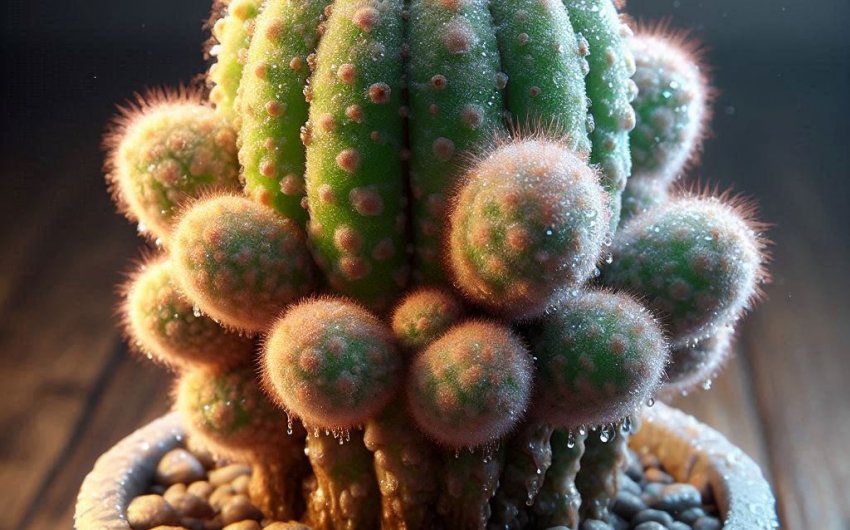
Cacti are some of the most resilient plants, thriving in dry, arid environments and capable of storing water in their thick stems and spines. However, despite their reputation for being hardy and drought-tolerant, cacti are highly susceptible to overwatering. Unlike many other houseplants, a cactus doesn’t need frequent watering, and providing it with too much water can lead to serious problems, even death. Recognizing the signs of overwatering is crucial for ensuring the health and longevity of your cactus.
In this guide, we will explore the common signs of overwatering in cacti, how it affects the plant, and what steps you can take to correct the problem before it's too late.
Why Is Overwatering Dangerous for Cacti?
Before diving into the signs, it's important to understand why overwatering is so harmful to cacti. In their natural habitats, cacti are adapted to survive with minimal water. Their thick, fleshy stems store water for extended periods, allowing them to thrive in deserts and other dry environments. When a cactus is exposed to too much water, especially in poorly draining soil, the roots can suffocate and rot.
Cacti rely on a well-balanced soil that allows water to drain quickly and air to circulate around the roots. Overly wet soil causes the roots to become waterlogged, leading to root rot—a condition that is often fatal if not addressed quickly. Learning to recognize the signs of overwatering can help you intervene early and save your cactus.
For more detailed care tips, explore our Cactus Care Tips for Indoor Plants guide.
1. Yellowing of the Cactus
One of the first and most noticeable signs of overwatering in a cactus is yellowing of the stem or spines. Normally, a healthy cactus should have vibrant green skin, with some variation depending on the species. When overwatered, the plant's ability to take up nutrients is compromised, leading to chlorosis, a condition where the plant turns yellow due to a lack of chlorophyll.
- Yellowing usually starts at the base of the cactus and gradually moves upwards. If your cactus is showing signs of discoloration and it's been watered recently, this could be an indication that it's getting too much water.
If you notice your cactus turning yellow, it may be time to consider switching to a soil moisture meter to accurately measure the soil's water content and prevent future overwatering.
2. Soft, Mushy Texture
A healthy cactus should feel firm to the touch. However, when overwatered, the tissues of the cactus begin to break down due to root rot or excessive water retention, resulting in a soft, mushy texture. The mushiness is a clear indication that the cactus cells have absorbed more water than they can handle, causing them to rupture and decay.
- Soft, mushy spots can develop at the base of the cactus, where water tends to accumulate, or in areas where the cactus has absorbed too much moisture.
If you touch your cactus and feel mushiness, it is a sure sign that water is causing the internal structure of the plant to deteriorate. Consider using a cactus potting mix, which is designed to provide better drainage and reduce the risk of water retention.
3. Brown or Black Spots
Brown or black spots, also known as corking, are another common sign of overwatering in cacti. These spots often indicate fungal infections that occur when the plant is consistently exposed to wet conditions. Excess water creates a breeding ground for fungi, which infect the cactus and cause it to develop lesions.
- Fungal infections caused by overwatering often appear as dark spots on the cactus stem. Left untreated, these spots can spread, eventually rotting large portions of the cactus.
To treat fungal infections, you can try using a fungicide that is safe for cacti. Make sure to address the root cause of the overwatering as well by adjusting your watering schedule and improving drainage.
4. Root Rot
Root rot is the most serious consequence of overwatering a cactus. This condition occurs when the roots sit in wet soil for too long and begin to decay due to lack of oxygen and the proliferation of harmful bacteria and fungi. The problem with root rot is that it often goes unnoticed until it's too late, as the damage happens below the soil's surface.
- Signs of root rot include stunted growth, yellowing, wilting, and a foul odor coming from the soil. If you suspect root rot, carefully remove the cactus from its pot and inspect the roots. Healthy roots should be white or light brown, while rotting roots will appear black, brown, or mushy.
To prevent root rot, repot your cactus in fresh, dry succulent and cactus soil and make sure the new pot has sufficient drainage holes to allow excess water to escape.
5. Wilting or Shriveling
It may seem counterintuitive, but overwatered cacti can sometimes display the same symptoms as underwatered ones. Wilting, shriveling, or wrinkling of the cactus can occur when the roots are damaged and unable to absorb water effectively due to rot. Even though the cactus is sitting in overly moist soil, it may not be able to take up water, leading to dehydration-like symptoms.
- Shriveled skin or wrinkling is a sign that the roots are no longer functioning properly, even if the soil is wet. This is because the roots have begun to decay, cutting off the plant’s ability to hydrate itself.
If you notice shriveling and suspect overwatering, it’s important to reduce your watering frequency and check the plant’s root system for signs of rot. Additionally, switching to a terra cotta pot, which allows moisture to evaporate more easily, can help prevent overwatering in the future.
6. Splitting or Cracking
Another sign of overwatering is when the cactus begins to split or crack. When cacti absorb too much water, their tissues expand beyond capacity, causing the outer skin to break open. This damage can be detrimental, as it exposes the plant to pests and diseases.
- Cracking is most common in rapidly growing cacti that are suddenly exposed to large amounts of water. If you see splits or cracks in the skin of your cactus, it’s a clear indication that the plant is receiving more water than it can handle.
To prevent splitting, always water your cactus sparingly and ensure that excess water drains out of the pot. A pot with drainage holes is essential to avoid water pooling at the bottom and causing damage.
7. Rotting Smell
If your cactus has been overwatered for an extended period, one of the most obvious signs is the smell of decay. A foul, rotting odor often indicates that the cactus is suffering from severe root rot or stem rot. This happens when the plant's tissues break down due to excessive moisture and bacterial growth.
- Rotting smell is a late-stage symptom of overwatering and usually means that the cactus is in critical condition. The smell typically originates from the soil or the base of the cactus where the rot has set in.
At this stage, immediate action is required. Remove the cactus from its pot, cut away any rotting tissue, and repot it in fresh, dry succulent and cactus mix. Ensure that the new container provides excellent drainage to prevent further rot.
8. Blisters or Pustules
Blisters or raised pustules on the surface of the cactus can also be a sign of overwatering. This condition, known as edema, occurs when the cells of the plant take in more water than they can store. As a result, the cells burst, creating small, raised bumps or blisters on the skin of the cactus.
- Edema often affects succulents and cacti that have been overwatered in cool, humid conditions. While not immediately life-threatening, edema can weaken the cactus over time, making it more vulnerable to pests and disease.
If your cactus shows signs of edema, reduce watering and move it to a warmer, drier location with plenty of light. A grow light can help provide sufficient light if natural sunlight is limited.
How to Revive an Overwatered Cactus
If you've identified signs of overwatering in your cactus, don't panic—many plants can be saved with prompt intervention. Here's what you can do to help your cactus recover:
1. Stop Watering
The first and most important step is to stop watering your cactus immediately. Allow the soil to dry
out completely before considering another watering session. Depending on the severity of the overwatering, it may take several weeks for the soil to dry sufficiently.
2. Check the Roots
Carefully remove the cactus from its pot and examine the root system. Cut away any rotting or mushy roots using a clean pruning tool. Healthy roots should be firm and white or light brown in color. After removing the damaged roots, let the cactus dry out for a day or two before repotting.
3. Repot in Fresh, Dry Soil
Repot the cactus in fresh, well-draining soil designed for succulents and cacti. Use a succulent soil mix that allows water to drain quickly and prevents moisture from lingering around the roots.
4. Use a Pot with Drainage
Always use a pot with drainage holes to ensure excess water can escape. Additionally, avoid placing saucers under the pot unless you're sure that all the excess water has drained completely.
5. Adjust Watering Schedule
Going forward, it's essential to adjust your watering schedule to suit the cactus's needs. In most cases, a cactus only needs water once the soil has dried out completely. Using a soil moisture meter can help you determine when your plant actually needs water.
By monitoring the signs of overwatering and making necessary adjustments, you can ensure that your cactus stays healthy and vibrant for years to come.