
Why Are the Leaves of My Phalaenopsis Orchid Turning Yellow?
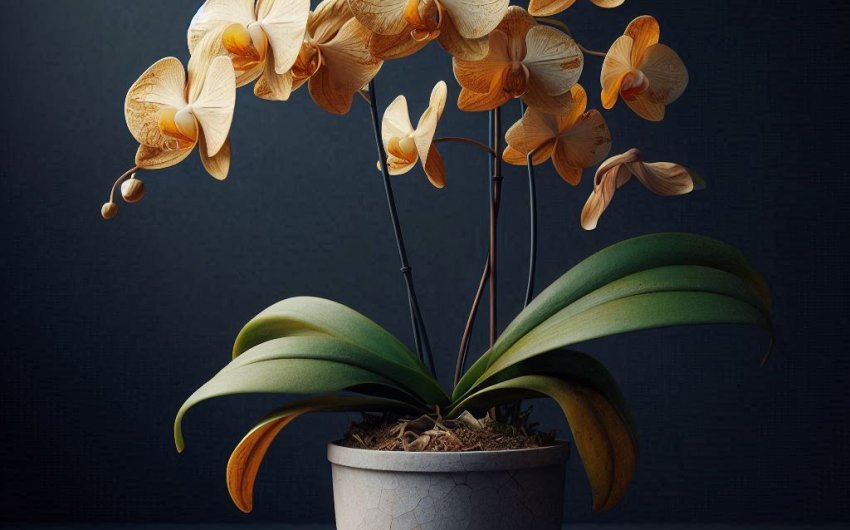
Phalaenopsis orchids, often called moth orchids, are beloved for their exotic blooms and relatively easy care requirements. However, one common issue that many orchid owners face is yellowing leaves. While yellow leaves can be alarming, understanding the potential causes will allow you to take the necessary steps to nurse your orchid back to health. In this article, we'll delve into the most common reasons why the leaves of your Phalaenopsis orchid are turning yellow and offer practical solutions to restore the plant's vitality.
1. Natural Aging Process
One of the most benign causes of yellowing leaves in a Phalaenopsis orchid is simply the plant's natural aging process. Orchids, like all plants, go through life cycles, and part of this cycle includes shedding older leaves to make room for new growth. If your orchid is otherwise healthy and you're only noticing one or two leaves turning yellow at the base of the plant, it's likely that the yellowing is a normal part of its life cycle.
How to Spot Natural Leaf Shedding:
- Only the older, bottom leaves turn yellow.
- The rest of the plant, including new leaves and roots, appears healthy.
- Yellowing occurs slowly, over time.
If this is the case, there's no need to worry. The plant is focusing its energy on producing new growth. You can simply allow the leaves to fall off naturally or gently remove them once they've fully turned yellow. This process helps the plant conserve nutrients.
You can enhance your orchid care routine with a high-quality orchid fertilizer for optimal plant health. This helps to support the development of new leaves and flowers. Find orchid fertilizers here.
2. Overwatering
One of the most common mistakes in orchid care is overwatering. Orchids are epiphytes, meaning they naturally grow in the air or on tree trunks, where their roots are exposed to lots of airflow. When these plants are kept in pots with excess water, the roots can suffocate and rot, leading to yellowing leaves.
Signs of Overwatering:
- Yellow leaves start from the bottom of the plant and spread upwards.
- The leaves may feel mushy or limp.
- Blackened or mushy roots.
- An overall wilted appearance despite moist soil.
How to Fix Overwatering:
- Check the Roots: Remove the orchid from its pot and inspect the roots. If they are mushy, black, or smelly, cut away the damaged roots using sterilized scissors.
- Repot: Choose a new pot with drainage holes and use fresh orchid potting mix. Orchids need a mix that promotes airflow to the roots, such as a bark-based medium. Find orchid potting mix here.
- Water Less: Only water your orchid when the potting mix feels dry to the touch. A general rule of thumb is to water once a week or every 10 days, but this varies based on your environment.
Make sure you're using a breathable orchid pot with excellent drainage, which prevents water from pooling at the bottom. Explore orchid pots here.
3. Underwatering
While overwatering is more common, underwatering can also cause yellowing leaves. Orchids need consistent moisture, but their roots should never be allowed to dry out completely for prolonged periods. When an orchid isn't getting enough water, the leaves may start to yellow, becoming dry and brittle.
Signs of Underwatering:
- Yellow leaves appear dry and crisp, rather than limp.
- Wrinkled leaves and shriveled roots.
- Stunted growth and fewer blooms.
How to Fix Underwatering:
- Hydrate the Plant: Begin by soaking the orchid's pot in water for about 15-20 minutes to rehydrate the roots. Avoid using softened water, as it can introduce too much salt.
- Regular Watering Routine: Ensure you're following a consistent watering schedule, providing enough moisture for the plant without letting it sit in water.
- Humidity: Orchids thrive in environments with high humidity. If you're growing your orchid in a particularly dry area, consider using a humidity tray or mist sprayer. Find orchid humidity trays here.
4. Excessive Light Exposure
Phalaenopsis orchids thrive in bright, indirect light. However, too much direct sunlight can scorch the leaves, causing them to turn yellow and eventually brown. Excessive light is a frequent cause of yellowing in orchids placed on sunny windowsills or outdoors in harsh light.
Signs of Excessive Light:
- Yellowing begins with sunburn-like spots, often turning white or brown over time.
- The leaves may feel scorched or dry to the touch.
- Yellowing occurs on the side of the plant facing the light source.
How to Fix Light Issues:
- Move the Orchid: Place your orchid in a location where it will receive indirect sunlight, such as an east-facing window. If you're using grow lights, make sure they aren't too intense.
- Shade the Plant: Use sheer curtains to filter direct sunlight or place the plant behind a larger object that will block the harsh rays.
- Monitor Light Levels: Ensure your orchid receives adequate but not excessive light. You can even invest in a light meter to monitor your home’s light conditions. Find light meters here.
For more comprehensive care tips on how to ensure your orchid thrives in its environment, check out our detailed Orchid Care Guide for Phalaenopsis.
5. Nutrient Deficiency
If your orchid isn't receiving the right balance of nutrients, its leaves may begin to yellow due to a lack of essential minerals like nitrogen, potassium, or magnesium. Orchids in particular need a balanced fertilizer designed for their unique needs.
Signs of Nutrient Deficiency:
- Uniform yellowing across the leaves.
- Stunted growth and fewer new blooms.
- Weak, pale leaves that droop easily.
How to Fix Nutrient Deficiency:
- Use a Balanced Orchid Fertilizer: Orchids need a fertilizer with a balanced NPK (Nitrogen, Phosphorus, and Potassium) ratio to ensure they get all the necessary nutrients. Look for fertilizers specifically formulated for orchids. Find balanced orchid fertilizers here.
- Fertilize Regularly but Sparingly: Feed your orchid every two weeks during the growing season and reduce feeding during the winter months when the plant is dormant.
- Flush the Soil: Over time, salts from fertilizers can build up in the soil, which may contribute to yellowing leaves. To prevent this, flush the soil with fresh water once a month to remove any excess salts.
6. Pests and Diseases
Orchids, like many plants, can fall victim to pests such as spider mites, mealybugs, or scale insects, which can cause the leaves to yellow. Fungal and bacterial infections can also result in yellow spots or streaks on the leaves. Pests typically feed on the plant's sap, weakening it over time, while infections can spread rapidly if not treated.
Signs of Pests:
- Yellowing accompanied by sticky residue (honeydew) or small white, black, or brown insects.
- Distorted or mottled leaves.
- Webbing, especially on the underside of leaves (indicative of spider mites).
Signs of Disease:
- Yellow spots or streaks.
- Fungal spots or bacterial rot that spreads across leaves.
- Soft, mushy areas on the leaves.
How to Treat Pests and Diseases:
- Remove Visible Pests: Use a cotton swab dipped in rubbing alcohol to remove pests like mealybugs or scale. For spider mites, rinse the plant thoroughly under running water.
- Use an Insecticidal Soap or Neem Oil: For persistent pest infestations, you may need to use a specialized insecticidal soap or neem oil spray. These products are safe for orchids and can help eliminate pests without damaging the plant. Find neem oil spray here.
- Treat Fungal and Bacterial Infections: If your orchid has developed a fungal or bacterial infection, prune away the affected leaves and apply a fungicide or bactericide. Be sure to isolate the infected plant to prevent the spread of the disease to other nearby orchids. Find orchid fungicides here.
7. Improper Temperature and Humidity
Phalaenopsis orchids are tropical plants that prefer stable
, warm temperatures and high humidity. When orchids are exposed to cold drafts, extreme heat, or dry air, their leaves may start to yellow. Temperature stress is a common cause of leaf yellowing, particularly during seasonal changes or in homes with fluctuating climates.
Signs of Temperature Stress:
- Sudden yellowing, often accompanied by leaf drop.
- Leaves may turn pale before yellowing.
- Orchid is exposed to cold drafts, heat sources, or dry air.
How to Fix Temperature and Humidity Issues:
- Maintain Stable Temperatures: Keep your orchid in a space that stays between 65-75°F (18-24°C) during the day and slightly cooler at night. Avoid placing the plant near air conditioning vents, radiators, or drafty windows.
- Increase Humidity: Orchids need humidity levels of 40-60% to thrive. If your home is dry, consider using a humidifier to maintain adequate moisture levels. Find humidifiers here.
- Monitor Temperature Fluctuations: Sudden changes in temperature can shock the plant. Keep your orchid in a consistent environment to avoid stress.
By understanding the possible reasons behind your orchid’s yellowing leaves, you can take the right steps to restore its health. Whether it's adjusting your watering routine, moving the plant to a more suitable location, or addressing nutrient deficiencies, proper care is key to maintaining vibrant, green leaves and beautiful blooms. Phalaenopsis orchids are resilient plants, and with a little attention, they can continue to thrive in your home for years to come.
To further your knowledge of orchid care, be sure to explore our Orchid Care Guide for Phalaenopsis for more in-depth information.