
Ideal Growing Conditions for Chinese Evergreen
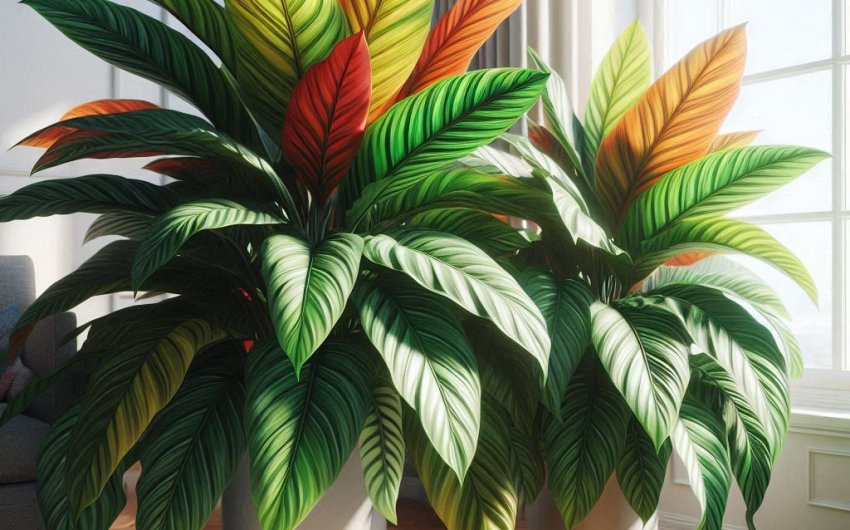
Chinese Evergreen, scientifically known as Aglaonema, is a popular indoor plant native to the tropical and subtropical regions of Asia and New Guinea. Its vibrant foliage and low-maintenance needs make it an excellent choice for both beginners and experienced plant enthusiasts. To ensure that your Chinese Evergreen thrives, it's essential to understand its ideal growing conditions, including light, temperature, humidity, watering, soil preferences, and more. In this comprehensive guide, we’ll explore these factors in detail, helping you cultivate a flourishing and healthy plant.
Light Conditions for Chinese Evergreen
One of the most important aspects of growing a Chinese Evergreen is providing the correct light conditions. These plants are known for their ability to adapt to various lighting situations, making them highly versatile for indoor settings.
Low-Light Tolerant but Prefers Indirect Light
Chinese Evergreen plants can tolerate low light levels, which is one of the reasons they are often regarded as one of the best low-light plants for indoor environments. In fact, they thrive in areas where many other houseplants would struggle. This makes them perfect for offices, bathrooms, or any room that lacks natural sunlight. However, while they can survive in low light, they prefer bright, indirect light for optimal growth and vibrant coloration. Too much direct sunlight can scorch the leaves, while complete darkness can stunt growth.
For those seeking a low-light plant, check out our guide on Chinese Evergreen low-light plant care to ensure you give your plant the right balance of light.
Ideal Lighting Placement:
- Place your Chinese Evergreen near a north or east-facing window, where it can receive filtered light.
- Avoid south or west-facing windows, as the direct sun in these spots can lead to leaf burn.
- For dimly lit spaces, consider using grow lights to supplement the plant's light intake, especially during the shorter winter days. Get grow lights for your Chinese Evergreen here.
Temperature Requirements
Chinese Evergreen plants are tropical by nature, meaning they prefer warm and stable temperatures. Sudden temperature fluctuations or prolonged exposure to cold can significantly harm your plant.
Optimal Temperature Range
The ideal temperature for Chinese Evergreens is between 65°F and 80°F (18°C to 27°C). These plants can handle slightly cooler conditions but should never be exposed to temperatures below 60°F (15°C). Prolonged exposure to cold drafts or chilly windowsills can cause the leaves to yellow or brown.
For plant owners who reside in cooler climates or have rooms prone to drafts, consider using a space heater or moving your plant to a warmer location during colder months. Find reliable space heaters here to protect your plant from chilly environments.
Things to Avoid:
- Avoid placing your Chinese Evergreen near air conditioning units or in direct paths of heaters or radiators. These can create harsh temperature fluctuations that are detrimental to the plant’s health. Browse safe heaters for your home here.
- Keep the plant away from cold drafts, open windows, or frequently opened doors during winter.
Humidity Needs
As tropical plants, Chinese Evergreens thrive in environments with moderate to high humidity. While they can tolerate average indoor humidity levels, increasing the humidity around your plant will lead to more vigorous growth and healthier leaves.
Ideal Humidity Levels
The ideal humidity level for a Chinese Evergreen is around 60% to 70%. If your home has particularly dry air, especially during winter when heaters are running, it’s essential to increase the humidity around your plant.
Ways to Increase Humidity:
- Mist the plant’s leaves regularly, especially if you live in a dry climate or during winter. Use a fine spray to avoid waterlogging the leaves. Get a plant mister here.
- Group your Chinese Evergreen with other houseplants to create a microenvironment that retains moisture.
- Use a humidifier to maintain the right humidity level in the room. Buy a reliable humidifier here.
- Place a tray of water near the plant to naturally increase humidity as the water evaporates. Alternatively, you can use a humidity tray or pebble tray under the plant's pot. Find pebble trays for your plants here.
Watering Schedule
Watering your Chinese Evergreen properly is key to keeping it healthy and vibrant. Overwatering is one of the most common mistakes people make with this plant, which can lead to root rot and other issues.
How Often to Water?
Water your Chinese Evergreen thoroughly when the top inch of soil feels dry to the touch. Typically, this means watering every 7 to 10 days in warmer months and reducing the frequency to about every 10 to 14 days in winter, when the plant’s growth slows down.
When watering, make sure to saturate the soil until water starts to drain from the bottom of the pot. Ensure that your pot has drainage holes to prevent water from sitting at the bottom, which could lead to root rot. Get self-draining pots here.
Signs of Overwatering and Underwatering:
- Overwatering: Yellowing leaves, mushy stems, and a soggy topsoil are all signs that your plant is receiving too much water.
- Underwatering: If the leaves are drooping or brown, it may indicate that your plant is thirsty and needs more frequent watering.
Soil Preferences
Chinese Evergreens prefer well-draining, slightly acidic soil. The right soil mix will allow for proper aeration and prevent waterlogging, ensuring that the plant's roots stay healthy.
Ideal Soil Mix
Use a high-quality potting mix that is specifically formulated for indoor plants. You can create your own mix by combining one part potting soil, one part perlite, and one part peat moss or coco coir. This combination ensures excellent drainage while retaining some moisture. Purchase a top-rated potting mix here.
Adding perlite or sand to the mix helps improve drainage, which is essential for avoiding root rot. Find perlite for your soil here.
Container and Repotting
Repot your Chinese Evergreen every 1 to 2 years to refresh the soil and give the plant more room to grow. Choose a container that has drainage holes and is only one size larger than the previous pot to avoid excess soil, which can retain too much water. Explore decorative pots here.
When repotting, be gentle with the roots to avoid damaging them, and water the plant after transferring it to its new home.
Fertilization for Chinese Evergreen
Fertilizing your Chinese Evergreen can boost its growth and maintain its vibrant foliage. However, over-fertilization can harm the plant, so it’s crucial to use the right type and amount of fertilizer.
Best Fertilizers to Use
Use a balanced, water-soluble fertilizer with an equal ratio of nitrogen (N), phosphorus (P), and potassium (K), such as 10-10-10 or 20-20-20. Apply the fertilizer during the growing season (spring and summer), roughly every 4 to 6 weeks. During the fall and winter, reduce or stop fertilizing, as the plant's growth will slow down.
Dilute the fertilizer to half-strength before applying to avoid burning the roots. Find effective fertilizers for indoor plants here.
Signs of Overfertilization:
- Brown tips on leaves.
- Crusty, white buildup on the soil surface.
- Reduced growth or yellowing leaves.
If you notice these symptoms, flush the soil with water to remove excess salts and avoid fertilizing for a while.
Pruning and Maintenance
Pruning your Chinese Evergreen helps maintain its shape and remove any dead or damaged leaves. Regular maintenance also prevents the plant from becoming leggy, especially in low-light conditions.
When and How to Prune
- Remove any yellowing or dead leaves by cutting them at the base using sharp pruning shears. **[Get high-quality pruning shears here](https://www.amazon.com/s?k=
pruning+shears&linkCode=ll2&tag=onlinestorebo-20)**.
- Trim back any leggy growth, especially in plants that are kept in lower light environments. This encourages the plant to produce more bushy, compact growth.
- Clean the leaves occasionally with a damp cloth to remove dust and promote better light absorption. Find leaf-cleaning tools here.
Propagation
One of the benefits of owning a Chinese Evergreen is that it can be easily propagated through stem cuttings or division. To propagate by division, separate the plant into smaller sections, ensuring each has roots attached. For stem cuttings, cut a healthy stem just below a node and place it in water or soil until roots develop. Find propagation tools here.
Common Pests and Problems
Although Chinese Evergreens are generally low-maintenance and resistant to many pests, they can occasionally fall victim to common indoor plant problems.
Common Pests:
- Spider mites: These tiny pests can cause leaf discoloration and a web-like appearance on the plant.
- Mealybugs: These pests appear as white, cottony masses on leaves and stems.
- Scale: Brown or black raised bumps that appear on the leaves and stems.
If you spot any of these pests, wipe them off with a damp cloth or treat the plant with insecticidal soap or neem oil. Buy neem oil for plants here.
Common Problems:
- Yellowing leaves: This can be caused by overwatering, poor lighting, or lack of humidity.
- Brown leaf tips: Low humidity, underwatering, or over-fertilization are common causes.
- Drooping leaves: Often an indicator that the plant is underwatered or exposed to cold drafts.
By adjusting the care routine based on these signals, you can easily restore the health of your plant.
In summary, Chinese Evergreens are a versatile and hardy plant species that can thrive with the right combination of light, temperature, humidity, watering, soil, and occasional fertilization. Whether you’re a novice plant parent or a seasoned gardener, the Chinese Evergreen is an excellent addition to any indoor space, providing both aesthetic beauty and air-purifying benefits.