
What Type of Soil is Best for Jade Plants?
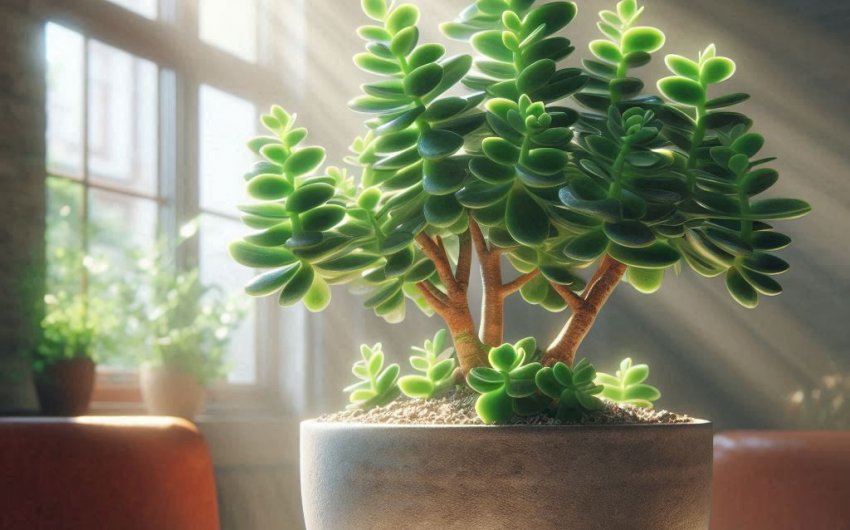
Jade plants (Crassula ovata) are a popular choice for both indoor and outdoor gardeners due to their low maintenance, striking appearance, and potential to thrive in various environments. However, one of the most critical aspects of caring for jade plants is ensuring they are planted in the correct type of soil. This succulent’s survival largely depends on the quality of its growing medium, making it essential to know exactly what type of soil jade plants need to flourish.
Choosing the right soil for your jade plant can be the difference between a thriving, vibrant specimen and a wilting or root-rotting disaster. In this comprehensive guide, we will explore the characteristics that make soil ideal for jade plants, the components that should be included, and how to mix your own soil for optimal growth.
Why Soil Type Matters for Jade Plants
Jade plants, like many succulents, are native to arid regions where the soil is well-draining and nutrient-rich, but not overly moist. In their natural habitat, they thrive in sandy, gritty soils with low organic content. The roots of jade plants are sensitive to excess water, making drainage a critical factor when choosing soil.
When water doesn't drain properly, it can lead to waterlogged soil, causing root rot, a common issue with jade plants. Once root rot sets in, it can be difficult to save the plant, making the right soil choice all the more essential.
To replicate the natural growing conditions of jade plants, it's important to select a soil mix that meets several key criteria:
- Excellent drainage
- A slightly acidic to neutral pH level (6.0-7.0)
- Low organic matter content
- Light and airy texture
Key Soil Characteristics for Jade Plants
1. Drainage
The most critical factor when choosing soil for jade plants is drainage. Since these plants store water in their thick leaves, they don't need much water in the soil itself. Soil that holds moisture for long periods can cause the plant's roots to become waterlogged, leading to rot.
A good cactus or succulent mix, which you can purchase here, is typically ideal for jade plants because it drains quickly while providing the right balance of nutrients. If you're using regular potting soil, consider adding sand or perlite to improve its drainage.
2. pH Level
Jade plants prefer soil with a slightly acidic to neutral pH level, generally between 6.0 and 7.0. You can easily test your soil's pH using a soil pH tester, which is affordable and effective. This pH range ensures that the plant can efficiently absorb the nutrients it needs for healthy growth.
Avoid soils that are too acidic or too alkaline, as this can prevent the plant from accessing the essential nutrients in the soil, leading to poor growth and nutrient deficiencies.
3. Aeration
Jade plants require soil that is light and airy. Compacted soil can suffocate the roots, limiting their access to oxygen and preventing healthy growth. A well-aerated soil encourages strong root development and reduces the risk of diseases like root rot. To improve aeration, mix in components like perlite, which you can find here, or coarse sand, which allows for better airflow around the roots.
4. Organic Matter Content
Unlike many other houseplants, jade plants do not thrive in soil that is high in organic matter. Excessive organic materials, such as peat moss or compost, tend to retain water, which can be detrimental to succulents. A soil mix that has too much organic content can become waterlogged, making it unsuitable for jade plants.
Instead, jade plants do well in a soil mix with a low organic content and a higher percentage of inorganic materials like sand, pumice, or gravel. Adding a small amount of organic matter such as coco coir or bark to the mix can help with nutrient retention without holding onto too much water. A good option for organic material is coconut coir, which can provide some moisture retention without becoming soggy.
Components of the Ideal Jade Plant Soil Mix
Now that we've covered the key characteristics of soil suitable for jade plants, let's dive into the components that make up an ideal jade plant soil mix.
1. Cactus or Succulent Soil Mix
Starting with a premade cactus or succulent soil mix is one of the easiest ways to ensure your jade plant has the right growing conditions. These mixes are designed to drain quickly, with low organic content and an airy texture. You can find high-quality succulent soils here, which can be used straight out of the bag or mixed with other components for even better results.
However, if you prefer to customize your soil mix, you can use regular potting soil as a base and add the following components to improve drainage and aeration:
2. Perlite
Perlite is a lightweight volcanic rock that is commonly used to improve soil aeration and drainage. It's an excellent additive for succulent soils because it prevents compaction while allowing excess water to drain away from the roots. Add perlite to your jade plant soil at a ratio of about 1:4 with the base soil.
3. Coarse Sand
Coarse sand is another important ingredient for jade plant soil mixes. It enhances drainage and prevents the soil from becoming too compacted. Make sure to use coarse sand, as fine sand can actually retain water and defeat the purpose of adding sand in the first place. If you’re looking for coarse sand, you can purchase it here to mix into your soil.
4. Pumice or Lava Rock
Pumice and lava rock are excellent materials for succulent soil mixes. These lightweight, porous rocks not only improve drainage but also help the soil retain just the right amount of moisture for the jade plant. Pumice is particularly effective because it absorbs water without becoming waterlogged. You can find pumice for jade plant soil here.
5. Gravel
Adding gravel to the bottom of your pot can help with drainage, but it can also be mixed into the soil to improve aeration. While it’s not strictly necessary, gravel can be helpful if you live in a particularly humid climate where excess moisture is a concern. Check out this gravel mix for your jade plant soil mix.
6. Coconut Coir
While jade plants don’t need much organic material in their soil, a small amount of coconut coir can help retain some moisture without causing water retention issues. Coconut coir is a natural fiber derived from coconut husks and is a more sustainable alternative to peat moss. It also decomposes much slower, making it a long-lasting addition to your soil mix. Consider adding a small amount of coconut coir to your jade plant soil.
7. Bark Chips
Similar to coconut coir, bark chips can be a helpful addition to a jade plant soil mix. They allow for moisture retention without making the soil soggy, and they also help improve aeration. You can mix in a small quantity of bark chips to your succulent soil for added structure and drainage. Find some suitable bark chips for your mix.
How to Create Your Own Jade Plant Soil Mix
If you're interested in mixing your own jade plant soil, here's a simple recipe to get you started:
- 2 parts succulent or cactus soil mix
- 1 part perlite
- 1 part coarse sand
- Optional: 1 part pumice or lava rock for added drainage and aeration
- Optional: A small amount of coconut coir or bark chips for light moisture retention
Simply mix these components together, ensuring they are evenly distributed. Your soil mix should feel gritty and loose, with no large clumps or overly dense areas. This blend will offer excellent drainage while still providing the plant with the moisture and nutrients it needs.
By mixing your own soil, you have complete control over the ingredients, allowing you to create the perfect environment for your jade plant to thrive.
Potting Your Jade Plant: Best Practices
After choosing or creating the right soil, it's important to follow best practices when potting your jade plant. Whether you're repotting or planting a new jade plant,
follow these steps to ensure its long-term health:
1. Choose the Right Pot
Jade plants prefer pots with drainage holes, as this helps prevent water from accumulating at the bottom. A pot with at least one hole will allow excess water to escape, reducing the risk of root rot. When selecting a pot, consider a terra cotta or clay pot, as these materials allow for better airflow and evaporation. You can explore drainage pots here.
2. Repot Every 2-3 Years
Jade plants don’t need to be repotted frequently, but every 2-3 years is ideal to refresh the soil and ensure the roots have room to grow. When repotting, gently loosen the old soil from the roots, trim any dead or rotting roots, and place the plant in a slightly larger pot with fresh soil. Learn more about indoor jade plant care and the importance of repotting in our detailed guide here.
3. Water Sparingly After Repotting
Once your jade plant is potted in the new soil, water it lightly. Since jade plants are drought-tolerant, they don’t need much water to establish their roots in the new soil. Be cautious of overwatering, especially in the first few weeks after repotting.
Finding the right soil mix for jade plants is essential for their health and longevity. By focusing on a well-draining, slightly acidic, and nutrient-balanced soil, you can help your jade plant thrive for years to come. If you’re still unsure about the soil for your plant, consider picking up a quality cactus or succulent soil mix, and don't forget to add helpful ingredients like perlite, sand, and pumice for even better results.