
The Art of Texture: Enhancing Your Garden with Decorative Gravel
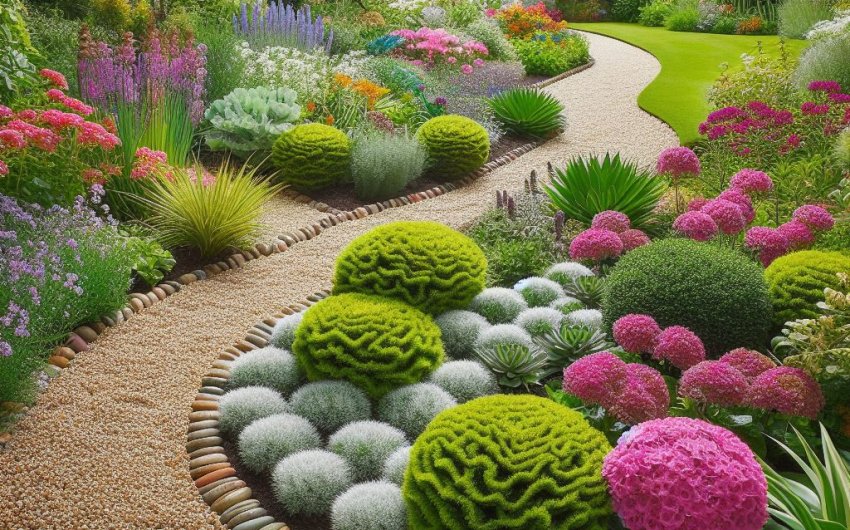
Beyond the vibrant blooms and lush foliage, a truly captivating garden often engages more than just the sense of sight. It's in the subtle interplay of various elements – the smooth curve of a pathway, the rough surface of a rock, the delicate rustle of leaves – that a garden achieves depth and character. This often-overlooked dimension is texture, and it plays a vital role in creating a dynamic, inviting outdoor space. While plants bring a living softness, hardscaping elements provide structure and contrast. Among these, decorative gravel stands out as an incredibly versatile and impactful material for adding both visual and tactile interest.
Decorative gravel, with its endless variations in size, shape, and color, offers a unique opportunity to enhance the sensory experience of your garden. From crunchy stepping stones to shimmering dry riverbeds, it can transform ordinary spaces into extraordinary features. It’s not just about covering ground; it’s about creating pathways that crunch underfoot, defining garden beds with clean lines, or crafting focal points that draw the eye. Unlike living plants, gravel offers a permanent, low-maintenance texture that provides contrast throughout the seasons, becoming a quiet backdrop or a prominent feature depending on its use.
This guide will unveil the art of texture through the strategic use of decorative gravel in your garden. We'll explore its numerous benefits, delve into the different types available, and offer creative ways to incorporate it into your landscape design. Whether you're aiming for a tranquil Zen garden, a rustic cottage feel, or a sleek modern aesthetic, gravel can be the unsung hero that elevates your garden to truly gorgeous. Get ready to discover how this humble material can bring depth, elegance, and low-maintenance charm to your outdoor sanctuary.
Why Use Decorative Gravel in Your Garden?
Decorative gravel offers a surprising array of benefits that go far beyond just aesthetics, making it a smart and versatile choice for enhancing your garden.
How Does Gravel Add Visual Interest and Texture?
The most immediate benefit of decorative gravel is its ability to introduce rich visual interest and texture to your garden.
- Contrast: It provides a strong contrast to the soft textures of plants, making both stand out more. Imagine delicate ferns against smooth river pebbles, or bold succulents in a bed of crushed granite. This interplay of hard and soft materials adds depth and excitement.
- Color and Form: Gravel comes in a vast spectrum of natural colors (grays, whites, browns, reds, blacks, even blues and purples) and various shapes (round, angular, jagged). These variations allow you to introduce subtle hues or bold statements that complement your plants and hardscaping.
- Light Play: Different gravel types reflect or absorb light differently, creating shimmering effects or deep shadows that change throughout the day.
How Does Gravel Improve Drainage?
One of the practical advantages of using decorative gravel is its contribution to improved drainage.
- Permeable surfaces: Unlike solid concrete or paving, gravel pathways and areas are permeable, allowing rainwater to soak directly into the ground rather than running off. This helps reduce stormwater runoff and replenish groundwater.
- Aeration: When used around plants (as mulch or in rock gardens), gravel can help keep the soil surface from compacting, allowing for better air exchange for plant roots. This makes it a great choice for areas where water tends to collect or where you want to minimize runoff.
Is Decorative Gravel Low Maintenance?
Compared to lawns or many groundcover plants, decorative gravel is remarkably low maintenance.
- Weed suppression: When installed with a weed barrier fabric underneath, gravel can significantly reduce weed growth, saving you hours of weeding time. Even without fabric, a thick layer can help.
- No mowing: Gravel paths and patios eliminate the need for mowing.
- Minimal upkeep: Generally, gravel just needs occasional raking to redistribute it and remove debris, and topping up every few years. You can often use a leaf blower to clear debris from gravel. This low-maintenance aspect makes it appealing for busy gardeners or those looking for sustainable landscape solutions.
How Does Gravel Conserve Water?
When used as a groundcover or mulch, decorative gravel can help conserve water.
- Reduces evaporation: A layer of gravel helps to insulate the soil and reduce water evaporation, keeping the soil moist for longer periods.
- Ideal for xeriscaping: This makes it an excellent choice for xeriscaping (landscaping that reduces or eliminates the need for irrigation) or drought-tolerant gardens, especially when combined with water-wise plants. While it doesn't add organic matter like wood mulch, it offers long-term water-saving benefits.
Is Decorative Gravel Environmentally Friendly?
In many ways, decorative gravel is an environmentally friendly choice.
- Natural material: It's a natural, inert material that doesn't leach chemicals into the soil (unlike some treated wood mulches).
- Reduces carbon footprint: It doesn't require regular replacement or transport like annual mulches.
- Permeable: As mentioned, it helps with water infiltration, benefiting groundwater.
- Often locally sourced: Many gravel types are available from local quarries, reducing transportation emissions.
What Are the Different Types of Decorative Gravel?
The world of decorative gravel is vast, offering a huge range of colors, sizes, and shapes. The best type for your project depends on its intended use and your desired aesthetic.
What are Pea Gravel and River Rock?
Pea gravel and river rock are characterized by their smooth, rounded edges. They are formed by natural erosion in rivers or glaciers.
- Pea Gravel: Small (1/8 to 5/8 inch), smooth, rounded stones, often in a mix of browns, grays, whites, and tans.
- Uses: Pathways (very comfortable to walk on), patios, groundcover, drainage, filler around stepping stones, in pet areas.
- Pros: Soft underfoot, beautiful, good for drainage, good for Zen gardens.
- Cons: Can migrate easily, so needs edging. Less stable for heavy foot traffic unless compacted. You can find bags of pea gravel at garden centers.
- River Rock: Larger, smooth, rounded stones (often 1 inch to several inches in diameter), similar colors to pea gravel.
- Uses: Dry riverbeds, drainage areas, decorative accents, rock gardens, borders, around ponds.
- Pros: Natural look, excellent for drainage, creates a bold textural statement.
- Cons: Not good for pathways due to size, can be expensive for large areas.
What is Crushed Stone or Decomposed Granite?
Crushed stone and decomposed granite (DG) are characterized by their angular, jagged edges. This angularity allows them to interlock and compact, creating a very stable surface.
- Crushed Stone: Various sizes and colors (e.g., granite, limestone, basalt, quartzite) that have been crushed into angular pieces. Sizes range from fine gravel to larger aggregates.
- Uses: Pathways (very stable), driveways, permeable patios, drainage, base layers.
- Pros: Highly stable when compacted, good drainage, wide range of colors.
- Cons: Can be sharp underfoot (though fines help), might feel more industrial. A common type is crushed granite gravel.
- Decomposed Granite (DG): Very fine, granular crushed granite, sometimes with a dusty consistency, that compacts almost like concrete when wet.
- Uses: Natural-looking pathways, patios, bocce ball courts, informal driveways.
- Pros: Natural appearance, excellent compaction for a firm surface, good drainage, often inexpensive.
- Cons: Can track indoors, prone to dust in dry conditions, can become muddy if not properly installed with drainage.
What are Lava Rock and Scoria?
Lava rock and scoria are unique, porous volcanic rocks known for their lightweight nature and often reddish-brown or black colors.
- Lava Rock: Generally reddish-brown, lightweight, porous, irregular shapes.
- Uses: Mulch (good for weed suppression and moisture retention), drainage, rock gardens, around fire pits.
- Pros: Lightweight, unique texture, good insulation for roots, excellent for water retention, won't blow away.
- Cons: Can fade in color over time, can be rough on bare feet.
- Scoria: Similar to lava rock but often black or dark gray, with a more vesicular (bubbly) texture.
- Uses: Similar to lava rock, also popular in succulent or cactus gardens.
- Pros: Good drainage, unique appearance, lightweight.
- Cons: Can be dusty, rough texture.
What About Marble Chips and Other Specialty Gravels?
Marble chips and other specialty gravels offer distinctive looks, often at a higher price point.
- Marble Chips: White, bright, angular pieces of crushed marble.
- Uses: Decorative accents, formal gardens, around statues or fountains, top dressing for potted plants.
- Pros: Brightens up spaces, clean appearance, can highlight plants.
- Cons: Can increase soil pH over time (due to calcium carbonate), can get hot in direct sun, often more expensive.
- Mexican Beach Pebbles: Smooth, flat, dark gray to black, round pebbles.
- Uses: Accent stones, dry creek beds, decorative mulch, water features.
- Pros: Very striking and elegant, creates a modern or Zen aesthetic.
- Cons: Very expensive, often imported.
- Rainbow Gravel: A mix of brightly colored, often angular, stones.
- Uses: Playful accents, borders, rock gardens.
- Pros: Adds vibrant color.
- Cons: Can look artificial if overused.
How Do You Plan and Install Decorative Gravel?
Proper planning and installation are key to ensuring your decorative gravel project looks good, functions well, and lasts for years.
How Do You Prepare the Area?
Thorough site preparation is essential before laying down any decorative gravel.
- Clear the area: Remove all existing vegetation, including grass, weeds, and debris. Dig down to remove roots.
- Level the ground: Grade the area so it's relatively flat or has a slight slope (1-2%) for drainage away from structures. For pathways, ensure it's slightly lower than surrounding beds.
- Edge the area: Install sturdy edging materials (metal, plastic, stone, or wood) to contain the gravel and prevent it from migrating into other areas. This is crucial, especially for pea gravel.
- Compact the base (for pathways/patios): For areas that will see foot traffic, compact the sub-base (the soil underneath) with a hand tamper or plate compactor. This creates a stable foundation and prevents settling.
Why Use a Weed Barrier Fabric?
A weed barrier fabric (also called landscape fabric) is highly recommended under decorative gravel.
- Weed suppression: It creates a barrier that prevents weeds from growing up through the gravel.
- Separation: It prevents the gravel from sinking into the soil below, keeping the layers distinct and preventing the gravel from disappearing over time.
- Drainage: Good quality landscape fabric allows water and air to pass through while blocking weeds. Lay the fabric over the prepared and compacted base, overlapping seams by at least 6 inches, and secure it with landscape fabric staples. Avoid using plastic sheeting, as it's not permeable and will trap water.
How Thick Should the Gravel Layer Be?
The thickness of your decorative gravel layer depends on the type of gravel and its intended use.
- Pathways/Patios (Crushed Stone/DG): Aim for a base layer of 2-4 inches of compacted gravel (like 3/4 inch crushed rock) topped with 1-2 inches of your decorative gravel (like DG or smaller crushed stone).
- Lightly trafficked areas/Mulch (Pea Gravel, Lava Rock): A layer of 2-3 inches is usually sufficient to suppress weeds and provide good coverage.
- Dry Riverbeds/Decorative Accents (River Rock): The depth will vary based on the desired effect, often several inches deep. Spreading the gravel evenly with a rake is key to a consistent look.
Do You Need a Sub-Base for Pathways and Patios?
For pathways, patios, or driveways that will receive foot traffic, it's highly recommended to install a sub-base layer before your decorative gravel.
- What it is: Typically a layer of compacted larger crushed rock (e.g., 3/4 inch crushed stone) or gravel.
- Why it's important: It provides structural stability, prevents rutting, improves drainage, and creates a firm foundation for the top layer of decorative gravel. Compact each layer thoroughly using a plate compactor for larger areas, or a hand tamper for smaller ones.
What About Edging and Borders?
Edging and borders are essential for almost any decorative gravel installation.
- Containment: They keep the gravel in place, preventing it from spreading into lawns, garden beds, or other areas. This is especially important for rounder gravel types like pea gravel.
- Clean lines: Edging creates a crisp, finished look for your gravel areas.
- Material options: Options include flexible plastic or metal edging, brick, natural stone, timber, or concrete. Choose a material that complements your overall garden style.
How Do You Use Decorative Gravel Creatively in Your Garden?
The true "art of texture" comes alive when you use decorative gravel creatively to enhance various aspects of your garden design.
How Does Gravel Enhance Pathways and Walkways?
Gravel pathways are a classic and charming way to lead visitors through your garden.
- Sensory experience: The satisfying crunch of footsteps on pea gravel or crushed stone adds an auditory element.
- Visual appeal: The color and texture of the gravel itself become part of the pathway's beauty.
- Permeable: Allows water to drain through, reducing runoff.
- Versatility: From formal straight lines with clean edging to winding, informal paths through a naturalistic garden, gravel fits many styles. Combine with larger stepping stones for easier walking. A pathway stepping stone mold can help you create custom stepping stones.
Can Gravel Be Used for Patios and Seating Areas?
Yes, decorative gravel can create beautiful and functional patios or seating areas.
- Informal charm: Offers a more relaxed, natural feel than solid concrete or pavers.
- Drainage: Excellent for areas where you want good water infiltration.
- Mix textures: Use compacted crushed stone as a base, then top with a thinner layer of your chosen decorative gravel.
- Furniture stability: For tables and chairs, use larger, more stable gravel, or place furniture on solid stepping stones within the gravel area to prevent wobbling.
How Do You Create Dry Riverbeds?
Dry riverbeds are stunning, low-maintenance features that mimic natural water flow.
- Visual drama: They create a strong visual element, especially when designed to wind through a landscape.
- Drainage solution: They are excellent for managing stormwater runoff, directing water away from foundations or low spots.
- Combine sizes: Use a mix of larger river rocks, smaller pebbles, and even a few boulders for a realistic, natural look.
- Planting: Incorporate drought-tolerant plants or grasses along the "banks" of the dry riverbed for a lush, naturalistic effect.
How Does Gravel Work in Rock Gardens and Xeriscapes?
Decorative gravel is perfectly suited for rock gardens and xeriscapes.
- Rock gardens: It provides an ideal backdrop for alpine plants and succulents, mimicking their natural rocky habitats.
- Xeriscapes: The gravel conserves moisture, suppresses weeds, and visually complements drought-tolerant plants like sedums, agave, and ornamental grasses. It reduces the need for irrigation, making your garden more water-wise. The gravel acts as a neutral canvas that allows the unique forms and textures of the plants to truly stand out.
Can Gravel Be Used as Decorative Mulch?
Using decorative gravel as a mulch is a durable and attractive alternative to organic mulches.
- Weed suppression: A 2-3 inch layer over landscape fabric provides effective weed control.
- Moisture retention: Helps insulate soil and reduce evaporation.
- Permanent: Doesn't break down like wood mulch, so it doesn't need to be replaced annually.
- Aesthetic: Provides a clean, finished look, especially around buildings or in beds with a modern design. However, avoid using gravel as mulch around plants that prefer rich, consistently moist, organic soil, as it doesn't add nutrients like compost or wood mulch does.
How Does Gravel Enhance Containers and Potted Plants?
Even in container gardening, decorative gravel can add a finishing touch.
- Top dressing: A thin layer of pebbles or small crushed stone on top of potting soil in containers can add visual appeal, help retain moisture, and deter squirrels from digging.
- Drainage: Larger gravel can be placed at the bottom of pots to aid drainage, though a well-draining potting mix is more crucial.
- Water features: Small containers filled with decorative pebbles can be used as mini water features for birds or as a base for aquatic plants. A bag of polished river pebbles can be great for this.