
How Can I Manage Bacterial Wilt in My Cucumbers?
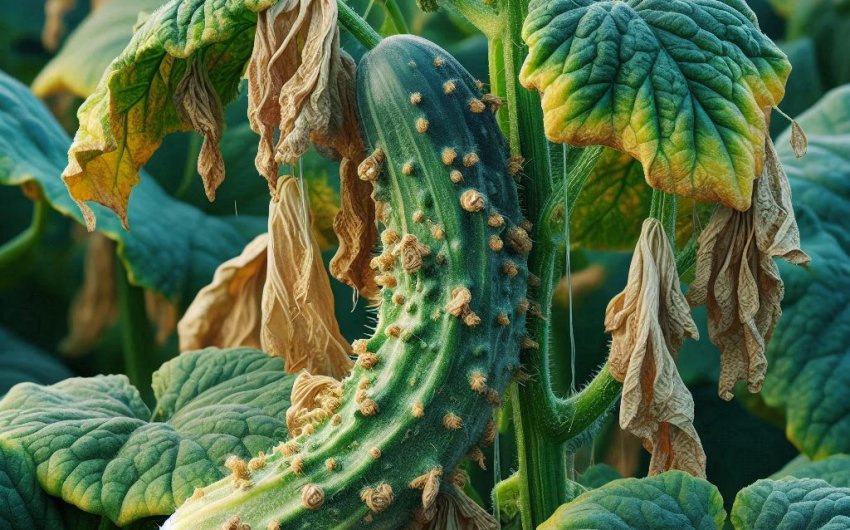
Finding your promising cucumber plants suddenly wilting and dying can be a heartbreaking experience for any gardener. When these vibrant vines inexplicably collapse, bacterial wilt in cucumbers is often the culprit. This devastating disease, while not directly caused by soil conditions or watering habits, can quickly decimate an entire crop. Understanding how this particular ailment spreads and what steps you can take to prevent and manage it is crucial for a successful harvest. Let's explore the ins and outs of protecting your cucumber plants from this common and destructive problem.
What is Bacterial Wilt and How Does It Spread?
Understanding the enemy is the first step in battling it. Bacterial wilt is a sneaky and destructive disease, and its spread is directly linked to a familiar garden pest.
The Cause: Erwinia tracheiphila Bacteria
Bacterial wilt is caused by a specific type of bacterium called Erwinia tracheiphila. This bacterium doesn't live freely in the soil or spread through water splashes like some other plant diseases. Instead, it lives and travels inside the bodies of certain insects. Once inside your plant, these bacteria multiply rapidly and plug up the xylem – the plant's water-transporting system. Imagine a clogged pipe; when the xylem is blocked, water can't reach the leaves and stems, causing the plant to wilt even if the soil is perfectly moist.
The Vector: Cucumber Beetles
The primary way bacterial wilt gets from one plant to another, or from overwintering sites to your garden, is through the cucumber beetle. These are small, yellow-green beetles, often with black stripes or spots. There are two main types: the striped cucumber beetle and the spotted cucumber beetle.
- Striped cucumber beetles (with black stripes down their backs) are generally considered the more efficient carriers of the bacterial wilt pathogen.
- Spotted cucumber beetles (with black spots) can also carry the disease, but are less commonly associated with severe outbreaks than their striped cousins. When an infected cucumber beetle feeds on a healthy cucumber plant, it introduces the bacterium into the plant's system through the feeding wounds. The bacteria can also be passed in the beetle's droppings, which then get washed into wounds on the plant. The beetle acts as the vector, much like a mosquito carries a disease to humans.
How the Disease Progresses in the Plant
Once the bacteria enter the cucumber plant, they travel through the plant's vascular system, specifically the xylem vessels. As they multiply, they create a sticky slime that plugs up these vessels. This blockage prevents water and nutrients from moving up from the roots to the leaves and stems.
- The first sign is usually a sudden, dramatic wilting of one or more leaves, or even an entire vine, often appearing overnight.
- This wilting is unique because it often happens even when the soil is wet, and the plant may temporarily recover at night when temperatures are cooler and water demand is less, only to wilt again the next day.
- Eventually, the wilting becomes permanent, and the affected plant parts quickly turn brown and die. The entire plant can collapse within days or a couple of weeks, depending on the severity of the infection and the plant's size.
Overwintering of the Bacteria
The Erwinia tracheiphila bacterium cannot survive the winter in the soil on its own, nor does it typically overwinter inside plant debris in colder climates. Instead, it overwinters inside the guts of adult cucumber beetles. When these infected beetles emerge in spring and begin feeding on young cucumber and other cucurbit plants (like squash, melons, and pumpkins), they begin spreading the disease. This makes managing the cucumber beetle population crucial for bacterial wilt control.
What Are the Symptoms of Bacterial Wilt on Cucumbers?
Recognizing the symptoms of bacterial wilt early can help you manage the problem, even though there's no cure once a plant is infected. Knowing what to look for can prevent the spread to other plants.
Sudden Wilting of Leaves or Entire Vines
The most distinctive and common symptom of bacterial wilt is the sudden wilting of individual leaves, a single vine, or even the entire plant. This wilting often appears without warning, especially on hot, sunny days when the plant's water demands are highest. What makes it particularly indicative of bacterial wilt is that the wilting often occurs even when the soil is adequately moist, ruling out simple drought stress.
Temporary Recovery at Night
A hallmark sign of bacterial wilt that helps distinguish it from other wilting issues is the temporary recovery at night. Affected plants may appear to perk up and regain some turgor (firmness) during cooler nighttime hours or on cloudy days, only to wilt dramatically again once the sun comes out and temperatures rise. This cycle of wilting and partial recovery continues until the vascular system becomes completely plugged, at which point the wilting becomes permanent and leads to rapid death.
Greenish-Yellow Discoloration and Death
As the disease progresses and the wilting becomes irreversible, the affected leaves will often start to show a greenish-yellow discoloration before eventually turning completely brown and crisp. The stems may also look shriveled. Ultimately, the entire plant will collapse and die, often within a week or two of the first noticeable symptoms, depending on the plant's size and the severity of the infection.
Milky Sap Test (Diagnostic Test)
A simple, though not always definitive, diagnostic test for bacterial wilt involves checking the plant's sap. Carefully cut a wilting stem near the base of the plant. Gently press the cut ends together for about 10-15 seconds and then slowly pull them apart. If the plant is infected with bacterial wilt, you will often see a thin, slimy, milky white sap (a bacterial ooze) stretch like a string between the two cut ends, sometimes for an inch or more. This stringy sap is the packed bacteria. If you don't see this, it doesn't automatically rule out bacterial wilt, but its presence is a strong indicator.
Difference from Fungal Wilts
It's important to distinguish bacterial wilt from fungal wilts (like Fusarium wilt or Verticillium wilt). While both cause wilting, fungal wilts often cause a more gradual wilting, and when you cut open a stem, you might see brown discoloration of the vascular tissue, but generally not the milky, stringy sap. Bacterial wilt is also uniquely tied to cucumber beetle feeding.
Damage to Other Cucurbits
Remember that bacterial wilt can also affect other plants in the cucurbit family, including squash, melons (cantaloupe, watermelon), and pumpkins. If you see similar wilting symptoms on these plants, especially after cucumber beetle activity, they might also be suffering from the same disease.
How Can I Prevent Bacterial Wilt in Cucumbers?
Since there's no cure for bacterial wilt once it infects a plant, prevention is absolutely key. The most effective strategies focus on managing the cucumber beetle population and creating a less hospitable environment for the disease.
Control Cucumber Beetles
The most critical preventative measure is to control cucumber beetles. Since they are the vectors, reducing their numbers directly reduces the risk of bacterial wilt.
- Physical Barriers: For home gardeners, covering young cucumber plants with row covers (a lightweight fabric that allows light and water through but keeps insects out) from the moment they are planted until they begin to flower is highly effective. Remove the row covers when flowering starts to allow pollinators access. Use garden staples to secure row covers.
- Hand-Picking: For small gardens, regularly inspecting plants and hand-picking cucumber beetles (dropping them into a bucket of soapy water) can help reduce their numbers. Do this early in the morning when beetles are less active.
- Sticky Traps: Yellow sticky traps can help monitor cucumber beetle populations and trap some adults, especially in smaller areas.
- Insecticides (Carefully Applied): As a last resort for heavy infestations, certain insecticides labeled for cucumber beetles can be used. Opt for less toxic options like neem oil or pyrethrins first, and always apply them in the evening to minimize harm to beneficial insects like bees, which are essential for pollination. Always follow label instructions. A good neem oil spray can be effective.
Plant Resistant Varieties
While no cucumber varieties are completely immune to bacterial wilt, some have shown a degree of resistance or tolerance. Look for cucumber varieties explicitly marketed as "wilt-resistant" or "tolerant" when purchasing seeds or starts. While they might still get the disease, they often fare better or succumb more slowly than highly susceptible varieties. This is a very important first line of defense.
Practice Crop Rotation
Crop rotation is vital for breaking the life cycle of pests and diseases that might overwinter in the soil. While bacterial wilt itself doesn't typically overwinter in soil debris, rotating your crops helps manage overall garden health and reduces the buildup of other issues that might weaken plants. Avoid planting cucumbers or other cucurbits in the same spot for at least 2-3 years. Plant different families of vegetables in that spot.
Good Garden Sanitation
Good garden sanitation is always a good practice. Remove and destroy any infected cucumber plants as soon as you identify bacterial wilt. Do not compost diseased plants, as the bacteria can potentially survive in the compost pile. Clearing away plant debris at the end of the season can also help reduce overwintering sites for cucumber beetles, even if not directly for the bacteria.
Maintain Plant Health
Healthy, vigorous cucumber plants are better able to withstand pest pressure and disease infection. Ensure your cucumber plants receive:
- Adequate sunlight: At least 6-8 hours of direct sun daily.
- Consistent watering: Especially during dry periods, to prevent water stress. Use a soaker hose for deep, even watering.
- Well-drained soil: To prevent root rot and other soil-borne issues.
- Balanced nutrients: Avoid excessive nitrogen, which can lead to lush, tender growth that is more attractive to pests. Strong plants are naturally more resilient.
Plant Later in the Season (Risk Reduction)
In some areas, if cucumber beetle pressure is extremely high early in the season, planting your cucumbers a bit later in the season might help. By the time your plants are young and most vulnerable, the initial flush of overwintering beetles may have dispersed or died off, reducing the immediate risk of infection. This strategy needs to be balanced with ensuring enough time for your chosen cucumber variety to mature before the end of your growing season.
Companion Planting (Limited Effectiveness)
While companion planting is often suggested for pest control, its effectiveness against cucumber beetles and thus bacterial wilt is limited. Some strong-smelling herbs like catnip, tansy, or radishes planted nearby are sometimes said to deter beetles, but scientific evidence is not strong enough to rely solely on this method for serious beetle pressure. It can, however, be part of a broader integrated pest management strategy.
What Should I Do If My Cucumbers Get Bacterial Wilt?
Despite your best preventative efforts, sometimes bacterial wilt still strikes. Since there's no cure for an infected plant, the focus shifts to containment and future prevention.
Immediate Removal of Infected Plants
The most crucial step upon confirming bacterial wilt is the immediate removal of infected plants. As soon as you see the tell-tale permanent wilting and ideally perform the milky sap test, pull the entire plant out of the garden. Do not hesitate. This is vital to prevent cucumber beetles from feeding on the infected plant and then carrying the bacteria to nearby healthy plants. The faster you remove them, the less chance of further spread.
Destroy Infected Plant Material
After removing the infected plants, destroy the plant material. Do not put it in your compost bin, as the bacteria might survive and contaminate your compost, potentially spreading to other areas when you use the compost. Bag the diseased plants and dispose of them in the trash, or burn them if local regulations allow. This ensures the bacteria and any remaining beetles on the plant are eliminated from your garden environment.
Continue Monitoring Remaining Plants
Even after removing infected plants, continue monitoring remaining cucumber plants and other cucurbits daily. Look for new signs of wilting or cucumber beetle activity. If new plants show symptoms, remove them immediately as well. Vigilance is key to containing the spread within the current growing season.
Intensify Cucumber Beetle Control
If you've had an outbreak of bacterial wilt, it's a clear sign that your cucumber beetle control measures need to be intensified.
- Re-evaluate your use of row covers – perhaps they weren't on early enough or removed too late.
- Step up your hand-picking efforts.
- Consider deploying more sticky traps.
- If you had to use insecticides, ensure you're using them effectively and at the right time (e.g., late evening to avoid pollinators). The goal is to drastically reduce the beetle population to protect any remaining healthy plants.
Avoid Touching Healthy Plants After Touching Infected Ones
If you've been handling diseased plants, avoid touching healthy plants afterwards without cleaning your hands and tools. While the bacteria primarily spread via beetles, there's a theoretical risk of mechanical transfer, especially if sap or plant juices are involved. It's a good general sanitation practice. Use garden gloves and clean your tools with a bleach solution.
Plan for Next Season
An outbreak of bacterial wilt this season means you need to plan proactively for next season.
- Commit to using wilt-resistant cucumber varieties.
- Implement strict crop rotation, planting cucumbers in a new spot that hasn't hosted cucurbits for several years.
- Have row covers ready to deploy the moment seedlings emerge or are transplanted.
- Consider planting a trap crop (e.g., highly susceptible squash variety) away from your main cucumber patch to draw beetles, then destroy the trap crop once beetles infest it. This needs careful planning and execution.
Don't Panic, But Be Proactive
While discovering bacterial wilt can be disheartening, it's important not to panic. Understand that it's a common issue, and by understanding its mechanism, you can implement effective preventative and management strategies. The key is to be proactive in cucumber beetle management from the very start of the growing season.