
What Should I Do If My Snake Plant Is Showing Signs of Root Rot?
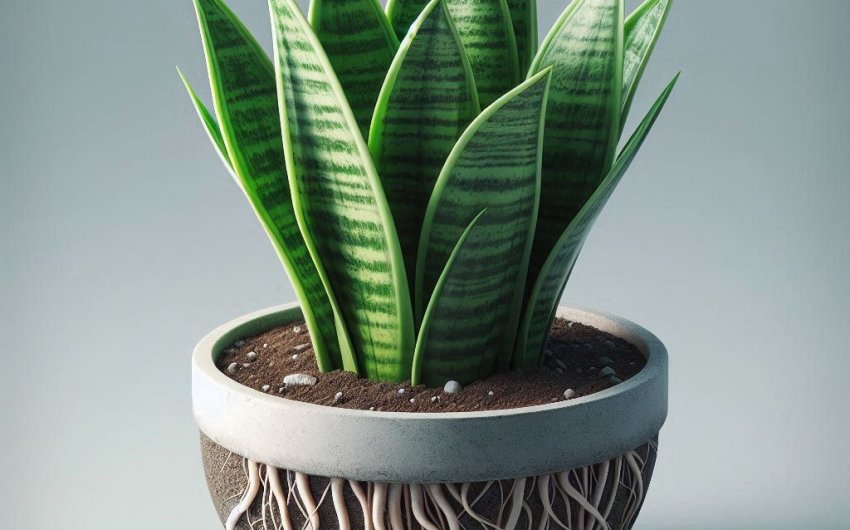
Recognizing the subtle yet critical distress signals from your beloved Snake Plant (Sansevieria trifasciata) is paramount to its long-term health, especially when confronting moisture-related issues. If you observe your Snake Plant showing signs of root rot, immediate and decisive action is necessary to halt the progression of this potentially fatal condition. This guide will walk you through the essential steps to diagnose, treat, and prevent future occurrences of root rot, ensuring your resilient plant continues to thrive.
Why is Root Rot the Primary Killer of Snake Plants?
Despite their reputation for being incredibly hardy and low-maintenance, Snake Plants (Sansevieria trifasciata) have one major weakness: overwatering. This common misstep is the leading cause of root rot, making it the primary killer of these otherwise resilient plants. Understanding why root rot is such a threat is the first step in prevention and effective treatment.
How Does Overwatering Lead to Root Rot?
Snake Plants are native to arid regions of West Africa, meaning they are adapted to periods of drought and prefer dry conditions. Their thick, fleshy leaves and rhizomatous (underground stem) root system are designed to store water.
- Suffocation: When a Snake Plant is overwatered, its roots sit in consistently soggy soil. This excessive moisture displaces the oxygen in the soil, effectively suffocating the roots. Roots need oxygen to perform vital functions, including absorbing water and nutrients.
- Fungal/Bacterial Growth: The anaerobic (oxygen-deprived) environment created by waterlogging is an ideal breeding ground for various harmful fungi and bacteria. These pathogens thrive in damp conditions and begin to attack the weakened roots.
- Root Decay: The healthy, firm roots begin to decompose, turning soft, mushy, and often black or brown. This decay process is what we call root rot.
- Inability to Absorb Water: Ironically, even though the plant is sitting in water, the rotting roots are no longer able to absorb moisture or nutrients. This causes the plant to display symptoms similar to underwatering (wilting, drooping) because it is literally dying of thirst, despite abundant water.
Why Are Snake Plants Especially Susceptible?
Compared to many other houseplants, Snake Plants are particularly vulnerable to root rot for a few reasons:
- Drought Adaptation: Their natural ability to store water means they don't need frequent watering. When given too much, they simply can't use it fast enough, leading to stagnant conditions in the soil.
- Rhizomatous Roots: Their thick, fleshy rhizomes and roots are prone to holding water within their tissues. Once these roots become waterlogged and begin to rot, the decay can spread quickly through the entire rhizome system, affecting the whole plant.
- Slow Growth in Low Light: Often, Snake Plants are placed in lower light conditions because they tolerate it. However, in lower light, they use even less water, making them even more susceptible to overwatering if watering frequency isn't adjusted.
- Dense Potting Mix: If potted in a dense, heavy potting mix that retains too much moisture, it exacerbates the problem, as the soil takes too long to dry out.
Understanding this susceptibility is crucial for a Snake Plant showing signs of root rot, emphasizing the importance of precise watering habits and appropriate soil conditions.
What Are the Early Signs of Root Rot on a Snake Plant?
Early detection is paramount when your Snake Plant is showing signs of root rot. Recognizing these subtle cues can allow for intervention before the damage becomes irreversible, giving your plant the best chance of recovery.
Soft, Mushy Leaves or Base
This is one of the most definitive and alarming signs of root rot on a Snake Plant.
- Appearance: Healthy Snake Plant leaves are firm, upright, and rigid. When root rot sets in, the leaves, especially at their base near the soil line, will start to feel soft, mushy, or spongy. They may also appear waterlogged and translucent.
- Progression: This softness will typically spread upwards from the base of the leaf, and the leaf may begin to bend or flop over.
Yellowing or Browning Leaves
Discoloration of the leaves is a common stress response, and with root rot, it follows a particular pattern.
- Appearance: Leaves will begin to turn yellow, starting from the base and potentially progressing upwards. This yellowing might transition to a brown or black, especially if the rot is severe. Unlike typical browning from underwatering (which often results in crispy tips), browning from root rot is usually soft, dark, and spreads from the bottom up.
- Pattern: Often, the entire leaf will slowly discolor, rather than just the tips or edges.
Foul Smell from the Soil
A distinct, unpleasant odor emanating from the pot is a strong indicator of root rot.
- Appearance: The soil may smell moldy, musty, or like rotten eggs. This smell comes from the anaerobic decomposition of roots and the proliferation of fungi and bacteria in the waterlogged soil.
- Detection: This smell can be subtle at first, but if you gently disturb the topsoil or lift the pot, it may become more noticeable.
Wilting or Drooping Leaves
While often associated with underwatering, wilting can paradoxically be a sign of root rot in a Snake Plant.
- Appearance: The normally upright, stiff leaves may start to droop or appear limp, even though the soil is wet.
- Paradox: This happens because the rotting roots are unable to absorb water and nutrients, effectively starving the plant of moisture, even if the surrounding soil is saturated. The plant is suffering from physiological drought.
Stunted Growth or No New Growth
A general lack of new development is a sign of overall plant distress.
- Appearance: The plant's growth will slow significantly or stop altogether. New leaves may fail to emerge, or if they do, they will be noticeably smaller and weaker than typical new growth. This indicates the plant is expending all its energy on survival rather than development.
If you notice any of these signs, particularly the soft, mushy base or foul smell, it's critical to act immediately to save your Snake Plant showing signs of root rot.
What Do You Do Immediately When Root Rot is Suspected?
When you observe your Snake Plant showing signs of root rot, time is of the essence. Immediate action can be the difference between saving your plant and losing it entirely. The primary goal is to assess the damage and remove the plant from the harmful, wet conditions.
Stop Watering Immediately
This is the most critical first step. Do not add any more water to the pot.
- Why: Any additional moisture will only exacerbate the root rot, continuing to suffocate the roots and encourage further fungal and bacterial growth. Allow the soil to begin drying out on its own if possible.
Gently Remove the Plant from its Pot
Carefully take the Snake Plant out of its container to inspect the root system.
- How: Tip the pot on its side and gently slide the plant out. If it's stuck, you may need to gently tap the sides of the pot or use a clean trowel to loosen the soil around the edges. Avoid pulling the plant forcefully by its leaves.
- Inspection: Once out, gently remove as much of the old, soggy potting mix from the roots as possible. This is where you will confirm the presence of root rot.
Inspect the Roots for Damage
This step is crucial for assessing the severity of the rot.
- Healthy Roots: Healthy Snake Plant roots are typically firm, light-colored (white or yellowish), and have a somewhat fibrous texture.
- Rotten Roots: Roots affected by root rot will appear:
- Mushy, slimy, or soft to the touch.
- Dark brown or black in color.
- Brittle or easily fall apart when gently handled.
- Smelly, often with a foul, decaying odor.
- Rhizomes: Pay close attention to the rhizomes (the thick, fleshy underground stems from which the leaves emerge). These too can become soft, discolored, and mushy if rot has spread.
By immediately removing the plant and thoroughly inspecting its roots, you can accurately gauge the extent of the root rot and prepare for the next steps in treatment for your Snake Plant showing signs of root rot.
How Do You Treat a Snake Plant Affected by Root Rot?
Treating a Snake Plant showing signs of root rot involves a crucial "surgical" approach to remove diseased parts and provide a fresh start in a healthy environment. This process is vital for the plant's recovery.
Prune Away All Rotten Roots and Leaves
This step is uncomfortable but necessary.
- Tools: Use a clean, sharp pair of pruning shears or a sharp knife. Sterilize your tools with rubbing alcohol or a bleach solution before and after each cut to prevent spreading pathogens.
- Root Pruning: Carefully cut away all roots that are soft, mushy, black, or brown. Cut back to healthy, firm, white or yellowish root tissue. Don't be afraid to remove a significant portion of the root system if necessary; it's better to have fewer healthy roots than many rotten ones.
- Rhizome Inspection: If the rot has spread to the rhizomes, you may need to cut away affected sections of the rhizome as well. If an entire leaf base or section of rhizome is mushy, cut it cleanly above the rot.
- Leaf Pruning: Remove any leaves that are severely affected (very yellow, mushy, or largely brown/black), especially those whose bases are clearly rotted. This helps the plant redirect energy to healthy parts and reduces the load on the compromised root system.
Allow the Plant to Dry and Caleus
After pruning, it's essential to allow the cut surfaces to dry and form a protective scab, or callus, before repotting.
- How: Place the plant (with its trimmed roots and leaves) in a dry, shaded, and well-ventilated area for 24-48 hours. You can lay it on a piece of newspaper or a clean towel.
- Why: This step helps prevent new infections once the plant is repotted into fresh soil. It also helps the plant recover from the shock of pruning.
Repot in Fresh, Well-Draining Potting Mix
The right potting mix is crucial for preventing future root rot.
- New Potting Mix: Use a fresh, dry, well-draining potting mix specifically formulated for succulents or cacti. These mixes are typically fast-draining and provide good aeration. You can also make your own by combining regular potting mix with perlite or coarse sand (e.g., 2 parts potting mix to 1 part perlite).
- Pot Choice:
- Clean Pot: Use a clean pot. If reusing the old pot, wash it thoroughly with soap and water and sterilize it with a 10% bleach solution to kill any lingering fungal spores.
- Drainage Holes: Always ensure the pot has adequate drainage holes. This is non-negotiable for Snake Plants.
- Right Size: Choose a pot that is only slightly larger than the remaining healthy root ball. A pot that's too large will hold too much moisture, increasing the risk of future rot.
- Repotting: Place a thin layer of fresh potting mix at the bottom of the pot, center the plant, and then fill around the roots with more mix, gently firming it down. Leave about an inch of space from the top of the pot.
Delay Watering After Repotting
This is a critical step to ensure the calloused roots heal properly.
- How Long: Do not water the newly repotted Snake Plant for at least 1-2 weeks. This gives the roots time to settle and heal without being immediately subjected to moisture.
- First Watering: When you do water, do so sparingly, and ensure the soil completely dries out again before the next watering.
By following these steps, you give your Snake Plant showing signs of root rot the best possible chance to recover and thrive.
How Can You Prevent Root Rot in the Future?
Successfully treating root rot on your Snake Plant is a victory, but the real long-term success lies in preventing its recurrence. Implementing a few key changes to your watering habits and environmental conditions will safeguard your plant from this common issue, ensuring your Snake Plant thrives without ever again showing signs of root rot.
Master Proper Watering Techniques
This is the single most important preventative measure.
- "Thirsty" Test: Never water on a schedule. Instead, always check the soil moisture before watering. Stick your finger 2-3 inches deep into the soil. Only water when the soil feels completely dry at that depth. For a Snake Plant, it's always better to underwater than overwater.
- Drainage: Always ensure that excess water drains out of the pot's drainage holes. Never let your Snake Plant sit in standing water. If it has a saucer, empty any accumulated water after 15-30 minutes.
- Water Sparingly in Winter: Snake Plants enter a period of dormancy or very slow growth in fall and winter. During these months, they require significantly less water, perhaps only once every 3-4 weeks, or even longer, depending on your home's conditions.
Use the Right Potting Mix
A well-draining mix is non-negotiable.
- Specific Mix: Always use a succulent and cacti potting mix or create your own by amending a standard potting mix with plenty of perlite, coarse sand, or pumice to ensure excellent drainage and aeration. This allows water to flow through quickly and prevents sogginess.
Choose a Pot with Excellent Drainage
The type and size of your pot greatly influence moisture retention.
- Drainage Holes: Ensure your pot always has at least one large drainage hole (preferably multiple small ones).
- Material: Terra cotta pots are often recommended for Snake Plants because their porous nature allows excess moisture to evaporate through the pot's walls, helping the soil dry out faster. If using plastic or glazed ceramic, be extra vigilant with watering.
- Size: Avoid upsizing your pot too much. Snake Plants actually prefer being a little root-bound. A too-large pot holds too much soil and thus too much moisture, increasing the risk of rot. Only repot when the plant is clearly outgrowing its current pot (roots emerging from drainage holes, pot bulging).
Provide Adequate Light
While Snake Plants tolerate low light, they prefer bright, indirect light, which can indirectly help prevent root rot.
- Why: In brighter light, plants photosynthesize more efficiently and use more water, meaning the soil will dry out faster between waterings. This reduces the time the roots spend in soggy conditions.
- Placement: Place your Snake Plant in a location that receives bright, indirect light, such as a few feet from a south or west-facing window, or near an east-facing window.
Improve Air Circulation
Good airflow around the soil surface can also aid in drying.
- Spacing: Ensure your Snake Plant isn't too crowded by other plants, allowing air to circulate around its foliage and the soil surface.
By adhering to these preventative measures, you empower your Snake Plant to flourish, ensuring it remains the resilient, striking houseplant it's known to be, free from the damaging effects of root rot.