
What Causes Leaf Curl in Basil and How Can I Treat It?
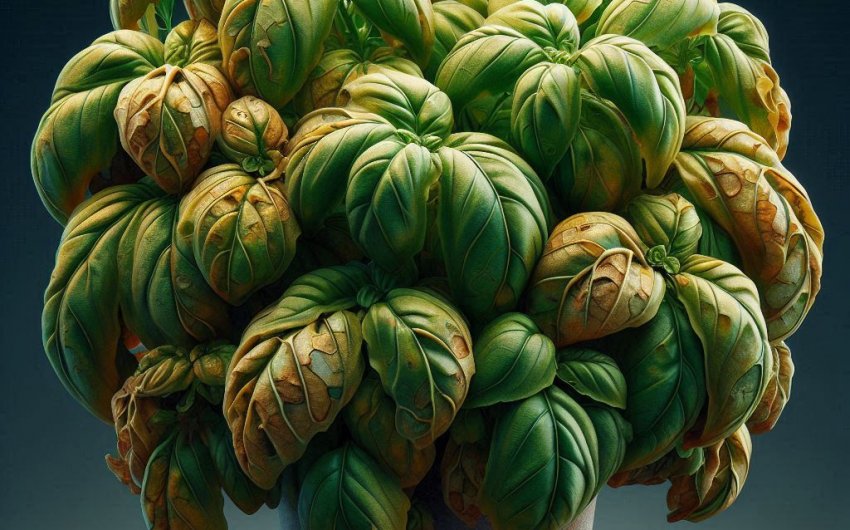
Witnessing the vibrant, fragrant leaves of your basil plant begin to curl can be disheartening, especially when you're anticipating a bountiful harvest. If you're asking, "What causes leaf curl in basil and how can I treat it?" you're encountering a common problem with several potential culprits. This guide will help you diagnose the specific issue affecting your basil and provide actionable steps to restore its healthy, flat foliage, ensuring your culinary endeavors remain flavorful and fresh.
What Causes Leaf Curl in Basil? (Environmental Stress)
Environmental stressors are common reasons why basil leaves curl, as basil is a sensitive plant that reacts quickly to suboptimal growing conditions. Correcting these factors is often the first and simplest step in treatment.
1. Inconsistent Watering
Basil loves consistently moist soil, but it absolutely detests being waterlogged or completely dried out. Inconsistent watering is a prime suspect for leaf curl.
- Underwatering: When basil doesn't get enough water, its leaves will start to wilt, become dull, and then curl inwards or upwards to conserve moisture. The edges might also become crispy.
- Solution: Water your basil regularly, ensuring the soil remains consistently moist but not soggy. Check the top inch of soil; if it's dry, it's time to water. Ensure good drainage. A moisture meter for plants can help.
- Overwatering: While less likely to cause a distinct "curl," constantly soggy soil can lead to root rot, which makes leaves yellow, mushy, and eventually causes the entire plant to decline. This decline might include some distorted, unhealthy leaves that appear curled.
- Solution: Ensure excellent drainage. Use a pot with drainage holes. Allow the top soil to dry slightly before rewatering.
2. Temperature Extremes
Basil is a warmth-loving plant and is very sensitive to cold. It also struggles in extreme heat.
- Cold Stress: Exposure to temperatures below 50°F (10°C) can cause basil leaves to turn dark, wilt, and curl downwards or inwards, appearing somewhat crumpled. This is common if basil is planted too early in spring or left out too late in fall.
- Solution: Protect basil from cold snaps. Bring potted basil indoors if temperatures drop. For garden beds, cover plants with a frost cloth if unexpected cold weather occurs.
- Heat Stress/Sunburn: While basil loves sun, intense, scorching afternoon sun, especially combined with low humidity and underwatering, can cause leaves to curl downwards to protect themselves.
- Solution: In very hot climates, provide some afternoon shade. Ensure adequate watering during heatwaves.
3. Low Humidity
Basil thrives in humid conditions, similar to its native tropical environment. Dry air can cause leaves to curl as the plant tries to reduce moisture loss.
- Solution: For indoor basil, mist the leaves occasionally with a plant mister, use a pebble tray (a tray with pebbles and water under the pot), or place it near a humidifier.
4. Wind Damage
Strong winds can physically damage basil's delicate leaves, causing them to tear, bruise, and curl or crinkle.
- Solution: Provide a sheltered location for your basil plants. If in pots, move them out of direct wind. For garden beds, consider windbreaks or planting near a wall or larger, sturdier plants.
By diligently addressing these environmental factors, you can often reverse leaf curl and help your basil thrive, resolving a key reason why basil leaves curl.
What Causes Leaf Curl in Basil? (Pests)
Tiny, almost invisible pests are a very common reason why basil leaves curl. These sap-sucking insects feed on the plant's juices, causing distortion and damage that often manifests as curled or misshapen leaves.
1. Aphids
Aphids are small (1/16 to 1/8 inch), pear-shaped insects that can be green, black, white, or red. They often cluster on new growth, leaf undersides, and stems.
- How they Cause Curl: Aphids have piercing-sucking mouthparts that they use to extract sap from plant tissues. As they feed, they inject a saliva that disrupts the plant's growth, causing new leaves to emerge distorted, wrinkled, or tightly curled. They can also excrete a sticky substance called honeydew.
- Signs: Look for visible clusters of aphids, especially on the undersides of curled leaves or on tender new growth. You might also see honeydew (shiny, sticky residue) and black sooty mold growing on it.
- Treatment:
- Blast with Water: For light infestations, spray affected areas with a strong stream of water to dislodge them. Repeat regularly.
- Insecticidal Soap: Apply a ready-to-use insecticidal soap spray directly to the aphids, ensuring good coverage, especially on leaf undersides. Repeat every 5-7 days for several weeks.
- Neem Oil: A natural pesticide. Mix neem oil concentrate with water and a few drops of mild dish soap and spray thoroughly. Apply in the evening to avoid sun interaction.
- Beneficial Insects: Introduce natural predators like ladybugs for outdoor basil.
2. Thrips
Thrips are tiny (less than 1/16 inch), slender insects that can be black, brown, or straw-colored. They're very fast-moving and hard to spot.
- How they Cause Curl: Thrips rasp plant tissue and then suck out the sap, leaving behind silvery streaks on the leaves. Their feeding also causes new leaves to become distorted, curled, or crinkled as they expand.
- Signs: Silvery streaks or stippling on leaves, especially along the veins. Tiny black specks (thrips excrement). Distorted, curled new growth. In severe cases, flowers may be discolored or deformed.
- Treatment:
- Sticky Traps: Use blue or yellow sticky traps to monitor and catch adult thrips.
- Insecticidal Soap/Neem Oil: Similar to aphids, thorough spraying with insecticidal soap or neem oil is effective. Thrips hide in tight spaces, so good coverage is essential. Repeat applications are necessary.
- Spinosad: An organic pesticide that can be effective for severe thrips infestations. Look for Garden Safe Fungicide3 with Spinosad.
3. Spider Mites
Spider mites are minuscule (almost invisible to the naked eye) arachnids that thrive in hot, dry conditions.
- How they Cause Curl: They pierce plant cells and suck out chlorophyll, causing tiny yellow or white speckles (stippling) on the leaves. As the infestation worsens, leaves may yellow, bronze, and curl downwards or inwards, and fine webbing may appear, especially on leaf undersides and between stems.
- Signs: Fine webbing on leaves or stems. Tiny yellow/white stippling on leaves. Leaves turning dull, then yellow/bronze, and curling.
- Treatment:
- Increase Humidity: Spider mites hate humidity. Mist plants regularly or use a pebble tray.
- Strong Water Spray: Blast mites off with a strong stream of water, especially on leaf undersides.
- Insecticidal Soap/Neem Oil: Apply thoroughly, focusing on the undersides of leaves where mites congregate. Repeat frequently (every 3-5 days) to break their rapid life cycle.
Regular inspection of your basil plants, especially the undersides of leaves and new growth, is crucial for early detection and effective treatment, which is key to addressing why basil leaves curl due to pests.
What Causes Leaf Curl in Basil? (Nutrient Imbalances)
While less common than watering or pest issues, nutrient imbalances can also contribute to why basil leaves curl or show other signs of distress. Basil needs a balanced supply of nutrients to produce healthy, flat foliage.
1. Nitrogen Deficiency
Nitrogen is a key nutrient for lush, green leafy growth.
- How it Causes Curl: A lack of nitrogen causes older leaves to yellow first, often uniformly, and can lead to stunted growth. While not a direct cause of "curl," weak, unhealthy growth can sometimes appear distorted or subtly curled as the plant struggles.
- Signs: General yellowing of older, lower leaves. Stunted overall plant growth. Leaves may be smaller.
- Treatment: Apply a balanced, water-soluble liquid plant fertilizer to the soil. For basil, use a fertilizer with an N-P-K ratio that favors nitrogen, such as a 2-1-2 or 3-1-2 ratio. Dilute it to half strength.
2. Phosphorus Deficiency
Phosphorus is important for root development, flowering, and overall plant energy.
- How it Causes Curl: While primarily causing stunted growth and a reddish-purple tint on leaves (especially on the undersides), severe phosphorus deficiency can lead to overall plant weakness, and leaves might appear somewhat cupped or curled, often brittle.
- Signs: Dark green leaves that may have a purple or reddish tint, especially on undersides of older leaves. Stunted growth.
- Treatment: Apply a fertilizer higher in phosphorus (the middle number in the N-P-K ratio). Consider a fish emulsion fertilizer which is naturally rich in phosphorus.
3. Micronutrient Deficiencies (e.g., Boron, Calcium)
While less common, some micronutrient deficiencies can cause distorted or curled new growth.
- Calcium Deficiency: New leaves can appear stunted, misshapen, and curled, with necrotic (dead) spots or yellowing at the growing tips.
- Boron Deficiency: Can cause new leaves to become thick, brittle, and curled, often with yellowing or purpling. Growth tips may die back.
- Signs: Symptoms often appear on new growth first. It's difficult to diagnose visually without a soil test.
- Treatment: The best way to address suspected micronutrient deficiencies is through a soil test. A soil test kit can reveal what your soil is lacking. If a deficiency is confirmed, use a micronutrient supplement or a balanced fertilizer that includes trace elements.
4. Over-Fertilizing / Fertilizer Burn
Applying too much fertilizer, especially high-nitrogen synthetic fertilizers, can be detrimental.
- How it Causes Curl: Excess salts from fertilizer can draw water out of the plant's roots, effectively dehydrating it even if the soil is moist. This causes "fertilizer burn," leading to crispy, brown leaf tips and margins. In severe cases, the entire leaf may yellow and curl as it struggles.
- Signs: White, crusty residue on the soil surface. Crispy, brown leaf edges or tips. Overall plant decline.
- Treatment:
- Flush the Soil: If you suspect over-fertilizing, slowly pour a large volume of clean, dechlorinated water through the pot (at least 3-4 times the volume of the pot) to flush out excess salts. Let it drain completely.
- Reduce/Stop Fertilizing: Immediately reduce the frequency and concentration of your fertilizer applications. For basil, very little fertilizer is needed if you are using a good quality potting mix or compost-rich soil.
By carefully observing your basil's overall health and the specific pattern of yellowing or curling, and considering its feeding schedule, you can better determine if nutrient imbalances are why basil leaves curl.
What Causes Leaf Curl in Basil? (Diseases and Other Issues)
While environmental stress and pests account for the majority of cases, diseases or other less common issues can also be why basil leaves curl. These often present with additional symptoms that help differentiate them.
1. Basil Downy Mildew
This is a serious fungal-like disease that specifically targets basil.
- How it Causes Curl: Downy mildew typically causes yellowing on the top surface of leaves, often in patches bordered by veins. On the undersides of these yellow patches, you'll see fuzzy, grayish-purplish spores. Severely infected leaves can curl or become distorted as the tissue is damaged.
- Signs: Yellow patches on upper leaf surfaces; fuzzy gray/purple growth on undersides. Eventually, leaves may turn brown and die. It spreads rapidly in cool, humid conditions.
- Treatment:
- Prevention: Use resistant basil varieties (e.g., 'Prospera', 'Amazel'). Ensure good air circulation around plants. Avoid overhead watering.
- Removal: Immediately remove and destroy (do not compost) any infected leaves or plants to prevent spread.
- Fungicides: For severe cases, some organic or synthetic fungicides may offer limited control, but once symptoms are visible, it's often hard to save the plant.
- Replant: Often, the best course of action is to remove infected plants and replant with resistant varieties.
2. Fungal Leaf Spot Diseases
Various fungal diseases can cause spots on basil leaves, which, if severe, can lead to distortion or curling.
- How they Cause Curl: Fungal leaf spots cause circular or irregular lesions that can be brown, black, or tan, sometimes with a yellow halo. If many spots merge or appear along leaf margins, they can cause the leaf to shrivel, crinkle, or curl.
- Signs: Distinct spots on leaves, often starting small and enlarging. Leaves may yellow around spots, and severe infection can lead to leaf drop.
- Treatment:
- Good Air Circulation: Space plants appropriately.
- Avoid Overhead Watering: Water at the base of the plant to keep foliage dry.
- Remove Infected Leaves: Prune and discard affected leaves promptly.
- Fungicides: Organic fungicides (like copper or sulfur-based sprays) can offer some protection if applied early.
3. Root Rot (indirectly causes leaf issues)
While root rot directly impacts roots, its symptoms quickly show up in the foliage, including yellowing and often a general unhealthy, limp appearance that might involve some curl.
- How it Causes Curl: Root rot is caused by overly wet soil and poor drainage, leading to the decay of the roots. Damaged roots cannot absorb water or nutrients, causing the leaves to wilt, yellow, and appear generally distressed, sometimes with a limp curl.
- Signs: Mushy, dark roots (if you unpot the plant). Yellow, often mushy leaves at the base. Stunted growth. Foul smell from the soil.
- Treatment:
- Immediate Action: Stop watering. If severe, repot into fresh, well-draining soil, removing all rotten roots.
- Correct Watering: Ensure adequate drainage and only water when the top soil is dry.
4. Herbicide Drift
If you use herbicides in your garden or a neighbor does, drift can cause significant damage, including severe leaf curl and distortion.
- How it Causes Curl: Even tiny amounts of broadleaf weed killers can cause dramatic curling, twisting, and distortion of basil leaves, often appearing on new growth.
- Signs: Unusually severe, twisted, and distorted new growth. Leaves may be elongated, narrow, or cupped. Symptoms appear rapidly after exposure.
- Treatment: There's no direct "cure." If exposed, deeply water the plant to try and flush some of the chemical away. Remove severely affected leaves. Often, the plant may not recover, or new growth will remain distorted for a long time.
- Prevention: Be extremely careful when using herbicides near basil (or any desirable plants). Read labels, avoid spraying on windy days, and consider using manual weeding instead.
By carefully inspecting your basil for these distinct symptoms and considering its environment, you can accurately identify if a disease or other less common issue is why basil leaves curl, and take appropriate action.