
How Do I Address Blossom Drop in My Apple Trees?
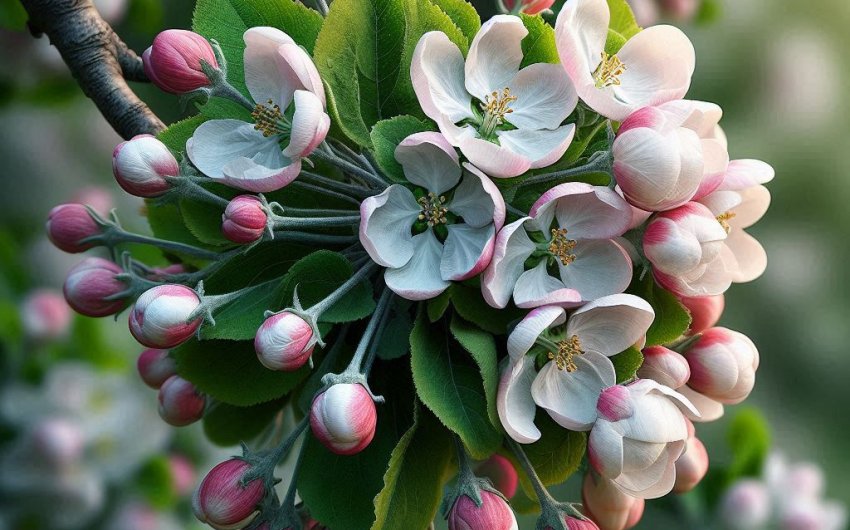
There's nothing quite like the sight of an apple tree bursting into bloom in spring. Those delicate, fragrant flowers promise a bounty of crisp, juicy apples later in the year. It's a moment filled with optimism for any gardener or orchard owner. However, that excitement can quickly turn to concern when you notice those precious blossoms or tiny developing fruits dropping prematurely. This phenomenon, known as blossom drop or fruit drop, is a common issue that can significantly reduce your apple harvest.
Understanding why your apple tree is shedding its potential fruit is the first step toward a solution. It's rarely a single problem, but often a combination of environmental factors, natural processes, or specific stresses. Don't despair if you're experiencing this; many causes of apple blossom drop are manageable with proper care and attention. This guide will explore the various reasons behind this frustrating occurrence and, more importantly, provide actionable steps to help your apple trees hold onto their precious future harvest.
Why Are My Apple Tree Blossoms Falling Off?
It's heartbreaking to see beautiful apple blossoms falling off before they even have a chance to turn into fruit. There are several reasons this can happen, and understanding them is key to helping your tree. Sometimes, it's a natural process, but often, it points to a stressor.
Is Natural Thinning Normal for Apple Trees?
Yes, natural thinning is a perfectly normal and even necessary process for apple trees. Apple trees produce far more blossoms than they can ever realistically turn into mature, healthy fruit. If every single blossom turned into an apple, the tree would be overloaded. The fruits would be tiny, of poor quality, and the sheer energy drain would weaken the tree, impacting future harvests.
Apple trees usually go through a couple of natural "drops" of developing fruitlets:
- The "June Drop": This is the most common and noticeable natural thinning. It typically happens in late spring to early summer, when marble-sized fruitlets drop from the tree. This is the tree's way of self-regulating, shedding excess fruit to ensure the remaining ones grow larger and healthier. It's a sign that the tree is prioritizing its energy. If you see some small fruits dropping, don't panic immediately, especially if many others are still holding on.
While natural thinning is good, excessive drop is a problem. The key is to distinguish between a normal drop and a concerning level of blossom or fruitlet loss.
How Does Lack of Pollination Affect Blossom Drop?
Pollination is absolutely critical for apple trees. Apples are not self-pollinating for the most part; they need pollen from a different apple variety to produce fruit. This process is called cross-pollination. If the blossoms aren't pollinated successfully, they won't develop into fruit and will simply drop off.
Here's why pollination might fail:
- No Pollinator Partner: You need to have at least two different apple varieties that bloom at roughly the same time. For example, if you only have one 'Honeycrisp' apple tree, it won't produce much fruit on its own. It needs a different apple tree, like a 'Gala' or 'Fuji', nearby to provide pollen. Research your apple variety's specific pollination requirements when you buy trees. Nurseries often list good cross-pollinators. A good way to check compatibility is by using an apple tree pollination chart.
- Lack of Pollinators (Bees!): Even with compatible trees, you need insects, primarily bees, to transfer pollen from one blossom to another. If there aren't enough bees active during your apple tree's bloom time, pollination will be poor. Factors like cold, rainy, or windy weather during bloom can keep bees from flying. Heavy pesticide use can also reduce bee populations. Consider attracting beneficial insects with pollinator-friendly plants in your garden.
- Poor Pollen Viability: Sometimes, the pollen itself isn't healthy or viable, even if transferred. This can be due to extreme weather or tree stress.
If your trees are blooming profusely but setting very little fruit, lack of pollination is a prime suspect.
Can Weather Conditions Cause Blossom Drop?
Yes, extreme weather during or after bloom is a major cause of blossom and fruitlet drop. Apple trees are sensitive to the conditions around them, especially during critical growth stages.
- Late Spring Frosts: A sudden drop in temperature below freezing when trees are in bloom or have just set fruit can kill the delicate flower tissues or tiny fruitlets. The damage might not be immediately obvious, but the affected blossoms will eventually shrivel and fall. Protecting trees with blankets or covers if a late frost is predicted can sometimes help.
- Heavy Rain During Bloom: Prolonged heavy rain during the bloom period washes pollen away, makes pollen sticky, and prevents bees from flying and doing their job. This leads to poor pollination and subsequent drop.
- Strong Winds: Very strong winds can physically knock blossoms off the tree. They can also dry out delicate flower parts, making them less receptive to pollen.
- Extreme Heat or Drought: If the weather suddenly turns very hot and dry after fruit set, especially if the tree isn't getting enough water, it might shed fruit to conserve moisture and energy. The tree prioritizes its own survival over fruit production. Providing adequate water during dry spells is important.
Unfortunately, you can't control the weather, but you can be prepared to mitigate its effects where possible.
How Does Tree Stress Lead to Fruit Drop?
A stressed apple tree is a tree that is struggling to survive, and fruit production takes a backseat to its own health. Any factor that weakens the tree can lead to blossom or fruit drop.
- Nutrient Deficiencies: Apple trees need a balanced diet of essential nutrients to produce healthy blossoms and fruit. A lack of key nutrients like boron, zinc, or phosphorus can impact flower development and fruit set. A soil test is the best way to determine if your soil has nutrient imbalances. Based on the test, you can then apply a balanced fruit tree fertilizer.
- Water Stress (Too Much or Too Little): Both overwatering and underwatering can stress an apple tree. Too little water, especially during dry spells, means the tree can't support developing fruit. Too much water can lead to root rot, which starves the tree of oxygen and nutrients. Consistent, deep watering is key.
- Pest and Disease Pressure: A significant infestation of pests (like aphids or mites) or a serious disease (like fire blight or cedar apple rust) can weaken the tree, diverting its energy from fruit production to fighting off the invaders. Healthy tree care helps prevent this.
- Root Damage: Any damage to the root system from construction, digging, or even root rot can impair the tree's ability to take up water and nutrients, leading to stress and fruit drop.
- Young or Over-Cropped Trees: Very young apple trees might drop blossoms as they put energy into establishing their root system. Likewise, a tree that produced a huge crop the previous year (called biennial bearing) might drop many blossoms the following year as it recovers. This is a form of natural stress.
Addressing these stressors through proper care is fundamental to encouraging good fruit set.
How Can I Encourage Better Pollination?
Since poor pollination is a leading cause of blossom drop, taking steps to ensure your apple blossoms are well-pollinated is one of the most effective strategies for a successful harvest. It largely involves smart tree selection and creating a welcoming environment for pollinators.
What are Compatible Apple Varieties for Cross-Pollination?
The most important step for successful apple pollination is to plant compatible apple varieties. Most apple trees are self-unfruitful, meaning they cannot pollinate themselves or trees of the same variety. They need pollen from a different, genetically distinct apple cultivar.
When choosing apple trees, look for varieties that:
- Are Genetically Compatible: Some apple varieties are sterile or triploid and cannot pollinate other trees, even if their bloom times overlap. Examples include 'Gravenstein' or 'Mutsu'. Always check if a variety is a good pollinator for others.
- Have Overlapping Bloom Times: This is crucial. The blossoms of your two (or more) apple varieties need to be open at the same time for pollen transfer to occur. Nurseries often group apple varieties by bloom time (early, mid, late season). Choose at least two varieties from the same bloom group. For example, if you have an early-blooming variety, pair it with another early-blooming variety.
- Are Within Pollinator Range: Bees typically travel within a few hundred feet. Plant your compatible apple trees close enough so that bees can easily fly between them. If your neighbor has a compatible apple tree nearby, that can sometimes be enough, but it's always best to have your own.
A pollination chart specific to apple varieties is an invaluable tool. For example, if you plant a 'Honeycrisp', you might pair it with a 'Gala', 'Fuji', or 'Evercrisp' as they often have overlapping bloom times and are compatible.
How Can I Attract More Pollinators?
Even with the right apple trees, you need the little workers – the bees! Without them, pollen won't get from one flower to another. Creating a pollinator-friendly garden can significantly increase the number of bees visiting your apple blossoms.
- Plant Nectar-Rich Flowers: Surround your apple trees (or plant them nearby) with a variety of flowers that provide nectar and pollen throughout the season, not just during apple bloom. This keeps bees and other beneficial insects happy and healthy in your garden. Good choices include lavender, bee balm, zinnias, coneflowers, and various herbs like thyme and oregano. Consider a pollinator seed mix to attract a wide range.
- Provide a Water Source: Bees need water! A shallow bird bath with some stones for them to land on, or a simple dish of water with pebbles, can attract them.
- Avoid Pesticides During Bloom: This is critical. Do not spray any insecticides when your apple trees are in bloom. Even organic pesticides can harm beneficial insects. If you must spray for pests, do it before or after the bloom period.
- Provide Shelter: Consider adding a bee house or leaving small patches of undisturbed ground for ground-nesting bees.
- Buy Bees (If Needed): For very large orchards or if natural bee populations are consistently low, some growers rent beehives for the bloom season. For home gardeners, simply making your garden more attractive to wild bees is usually sufficient.
Is Hand-Pollination an Option?
If you have a very small number of apple trees and are struggling with pollination (e.g., due to bad weather during bloom or insufficient nearby pollinators), hand-pollination can be a viable, albeit labor-intensive, solution.
This involves manually transferring pollen from one compatible apple blossom to another.
- Collect Pollen: On a dry, sunny day when flowers are fully open, gently collect pollen from a compatible apple variety. You can use a small, soft paintbrush, a cotton swab, or even your finger. Brush it lightly inside the flower of the pollen-donating tree, focusing on the yellow anthers where pollen is produced.
- Transfer Pollen: Immediately transfer that pollen to the blossoms of your target apple tree. Gently brush the pollen onto the stigma (the central, sticky part of the flower that receives pollen).
- Repeat: Repeat this process for as many blossoms as you can, ensuring a good mix of pollen transfer between compatible varieties.
This method can be time-consuming, but it guarantees pollen transfer when natural pollinators are absent or scarce. It's often used by hobbyists or for very valuable trees.
What Are Solutions for Environmental Stressors?
Beyond pollination issues, environmental factors like temperature extremes, water availability, and soil health can significantly stress apple trees, leading to blossom and fruit drop. Managing these stressors is key to a healthier, more productive tree.
How Can I Protect Against Late Frost?
Late spring frosts when apple trees are in bloom or have just set tiny fruit can be devastating. While you can't control the weather, you can take steps to protect your trees during a sudden cold snap.
- Row Covers or Blankets: For smaller trees, you can drape old blankets, tarps, or specialized frost protection fabric over the tree before the frost hits. Secure it to the ground to trap warmth. Remove it in the morning once temperatures rise to allow for light and air circulation.
- Watering Before Frost: Deeply watering the soil around the tree before a frost can help. Moist soil retains heat better than dry soil, radiating warmth upwards and slightly moderating the air temperature around the tree.
- Overhead Sprinklers (Large Scale): In commercial orchards, overhead irrigation is sometimes used during frost. As water freezes on the buds/flowers, it releases latent heat, which keeps the temperature of the plant tissues at or just slightly above freezing. This is very precise and requires continuous application throughout the freezing period, so it's not practical for home gardeners.
- Location Choice: When planting new trees, choose a location that avoids frost pockets (low-lying areas where cold air settles) if possible. Slopes often have better air drainage.
While protection isn't foolproof, these methods can significantly reduce frost damage and save your potential harvest.
How Can I Manage Water Stress?
Both too little and too much water can stress apple trees and cause them to drop blossoms or fruit. Consistent, proper watering is vital.
- Consistent Watering: Apple trees generally need about 1 inch of water per week, either from rainfall or irrigation, especially during dry periods and when fruit is developing. The most critical times for water are during bloom, fruit set, and during the hot summer months.
- Deep Watering: When you water, water deeply. A slow, thorough soaking allows the water to penetrate deep into the root zone, encouraging deep root growth. Shallow, frequent watering encourages shallow roots, making the tree more susceptible to drought. Use a soaker hose or drip irrigation system for efficient deep watering. A garden watering timer can help with consistency.
- Mulching: Apply a 2-4 inch layer of organic mulch (like wood chips or shredded bark) around the base of the tree, keeping it a few inches away from the trunk. Mulch helps retain soil moisture, suppresses weeds (which compete for water), and moderates soil temperature.
- Check Soil Moisture: Don't just water on a schedule. Stick your finger into the soil about 2-3 inches deep. If it feels dry, it's time to water.
Good drainage is also essential. Apple trees hate "wet feet." If your soil is heavy clay and drains poorly, you might need to amend it with organic matter or consider planting on a slight mound.
What Nutrients Do Apple Trees Need, and How Do I Apply Them?
Proper nutrition is fundamental for a healthy apple tree and good fruit set. Nutrient deficiencies can weaken the tree, leading to poor bloom development and fruit drop.
- Soil Testing: The absolute best way to know what nutrients your soil needs is to get a soil test. This professional analysis will tell you the pH of your soil and the levels of essential nutrients (nitrogen, phosphorus, potassium, and micronutrients). It takes the guesswork out of fertilizing. Contact your local extension office for information on how to get a soil test.
- Balanced Fertilizer: Based on your soil test results, apply a balanced fertilizer designed for fruit trees. These typically have a lower nitrogen content and higher phosphorus and potassium, which are important for flowering and fruiting. Too much nitrogen can encourage leafy growth at the expense of fruit production.
- Micronutrients: Sometimes, a deficiency in a specific micronutrient, like boron or zinc, can impact fruit set. If your soil test shows a deficiency, you can use a micronutrient supplement or foliar spray.
- Application Method: Generally, broadcast granular fertilizer evenly over the soil surface beneath the tree's drip line (the area directly under the outer edge of its branches) in early spring before new growth starts. Always follow package directions for application rates.
- Compost and Organic Matter: Regularly adding compost or well-rotted manure to the soil around your tree improves soil structure, slowly releases nutrients, and encourages beneficial soil microbes. This is a sustainable, long-term approach to soil health.
Avoid fertilizing too late in the season, as this can encourage late growth that is susceptible to frost damage.
How Can I Manage Pests and Diseases That Cause Drop?
While not always the direct cause of blossom drop, severe pest infestations or disease outbreaks can significantly stress an apple tree. A stressed tree has less energy to allocate to fruit production and may shed developing blossoms or fruitlets as a survival mechanism. Integrated Pest Management (IPM) is the best approach.
What Pests Affect Apple Blossoms and Fruitlets?
Several pests can directly or indirectly lead to blossom and fruit drop by damaging the flowers or weakening the tree.
- Aphids: These tiny, soft-bodied insects suck sap from new growth and developing blossoms. A severe infestation can weaken the tree and cause distorted growth, indirectly leading to blossom drop. You can often blast them off with a strong spray of water or use insecticidal soap. A natural pest control like neem oil spray can also be effective.
- Mites: Spider mites also suck plant sap, leading to stippled, discolored leaves and overall plant stress. They thrive in hot, dry conditions.
- Caterpillars (e.g., Tent Caterpillars, Cankerworms): While not always directly eating blossoms, large populations can defoliate a tree, robbing it of the energy needed for fruit production. Hand-picking or using Bacillus thuringiensis (Bt), an organic caterpillar killer, can help.
- Plum Curculio: This beetle lays its eggs in young fruitlets, causing crescent-shaped scars. The damaged fruit often drops prematurely. This is a serious orchard pest and may require more targeted treatment or bagging fruit for protection.
Regularly inspect your trees for signs of pests. Early detection allows for easier, less impactful management.
Which Diseases Can Lead to Blossom Drop?
Certain diseases can directly damage blossoms or severely weaken the tree, leading to blossom and fruit drop.
- Fire Blight: This is one of the most serious bacterial diseases of apples and pears. It causes blossoms, twigs, and branches to look as if they've been scorched by fire – turning black and shriveling. Infected blossoms will drop. It often enters through open flowers. If you see signs of fire blight, prune out affected branches immediately, cutting several inches into healthy wood, and disinfect your tools between each cut. There are also specific bactericides that can be applied, especially during bloom, to prevent its spread in high-risk areas, like a copper fungicide.
- Apple Scab: While primarily affecting leaves and fruit (causing unsightly spots), severe early infections of apple scab can stress the tree enough to impact fruit set and cause some fruit drop. Choosing disease-resistant apple varieties is the best long-term solution for scab.
- Root Rots: Diseases that affect the root system (often caused by poor drainage or overwatering) can severely stress the tree by impairing its ability to take up water and nutrients. A tree suffering from root rot will decline, often showing wilting, yellowing leaves, and dropping blossoms/fruit. Improving drainage is key.
What is Integrated Pest Management (IPM)?
Integrated Pest Management (IPM) is a comprehensive approach to pest and disease control that emphasizes long-term prevention and uses a combination of techniques, minimizing risks to human health and the environment. It's not about eradicating every pest, but about managing them to acceptable levels.
Key principles of IPM for apple trees include:
- Prevention: Choose disease-resistant apple varieties. Practice good sanitation (clean up fallen leaves and fruit to remove disease spores and overwintering pests). Prune properly to ensure good air circulation.
- Monitoring: Regularly inspect your trees for signs of pests or diseases. Catching problems early makes them easier to manage.
- Cultural Controls: Optimize tree health through proper watering, fertilization, and pollination to make trees more resilient to pests and diseases.
- Biological Controls: Encourage beneficial insects (like ladybugs that eat aphids) by providing habitat and avoiding broad-spectrum pesticides.
- Physical Controls: Hand-picking larger pests, using sticky traps, or bagging individual fruits.
- Chemical Controls (Last Resort): Use pesticides only when necessary, choosing the least toxic option first. Apply them strategically (e.g., at the right time in the pest's life cycle) and target specific pests rather than broad sprays. Always follow product label instructions carefully, especially regarding safety and timing around bloom to protect pollinators.
By adopting an IPM approach, you create a healthier ecosystem in your garden, reducing the reliance on chemical interventions and promoting a more vigorous, productive apple tree that is less prone to blossom drop from stress.