
What Are the Signs of Thrips Damage on My Flowers, and How Do I Control Them?
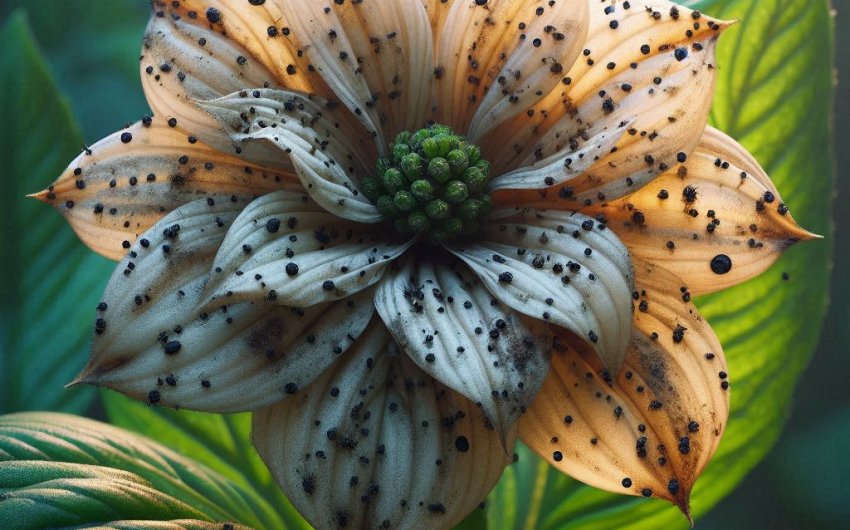
Discovering tiny, fast-moving pests on your beloved blossoms can be disheartening, especially when they start to leave their destructive mark. If your vibrant petals are suddenly looking dull, distorted, or strangely speckled, you might be dealing with thrips. These minute insects are notorious for sucking the life out of ornamental plants, leaving behind tell-tale clues of their presence. Understanding what are the signs of thrips damage on my flowers is the first crucial step in protecting your garden. Once you can identify the problem, you can then implement effective strategies to control these persistent invaders and restore your flowers to their former glory. Let's delve into the specific symptoms to look for and the best methods for managing a thrips infestation.
What Do Thrips Look Like? (And Why Are They Hard to Spot?)
Before we dive into the damage they cause, it helps to know your enemy. Thrips are incredibly tiny, which is precisely why they often go unnoticed until their destruction becomes apparent.
What are Their Physical Characteristics?
Thrips are members of the order Thysanoptera, meaning "fringe wings," a fitting name for their distinctive appearance.
- Size: This is their most distinguishing and frustrating characteristic. Adult thrips are usually no more than 1/25 to 1/8 inch (0.5 to 3 mm) long, making them almost invisible to the naked eye. Imagine a tiny sliver, almost like a dust mote, moving slowly across a leaf.
- Shape: They have slender, elongated bodies, often resembling a small grain of rice or a sliver of wood. Their bodies can appear somewhat flattened.
- Color: Their coloration varies depending on the species and life stage. Common colors include:
- Yellow or Pale Green: Often seen in younger stages or lighter species.
- Black or Dark Brown: Typical for many adult species, making them blend in more easily with soil or dark plant parts.
- Translucent: Some are nearly transparent, making them even harder to spot.
- Wings: Adult thrips have two pairs of narrow, fringed wings, which they can use for short flights or to be carried by wind currents. When at rest, these wings are typically folded flat over their backs, making them appear even more streamlined.
- Antennae: They possess short, segmented antennae.
- Mouthparts: This is where the damage happens. Thrips have unique, asymmetrical mouthparts designed for piercing and sucking. They essentially have one mandible (jaw) that acts like a straw to pierce plant cells and suck out the contents.
What About Their Life Cycle?
Understanding the thrips life cycle is important because it explains why controlling them can be challenging and why repeated treatments are often necessary. Most thrips species go through a relatively quick life cycle, allowing for rapid population growth.
- Egg: Female thrips lay their tiny, kidney-shaped eggs within plant tissue (leaves, stems, flowers). This protects the eggs from predators and most contact insecticides, making them difficult to target.
- Larvae (Nymphs): After hatching, the eggs develop into small, wingless larvae (sometimes called nymphs or immatures). These larvae are active feeders and often look like smaller, paler versions of the adults, though they lack wings. They continue to feed and grow, molting several times. This is often the most damaging stage, as they are actively feeding.
- Prepupa and Pupa: Many thrips species drop from the plant into the soil or leaf litter to enter a non-feeding pupal stage. Some may pupate on the plant in crevices or protected areas. During this stage, they transform into adults. The pupal stage is also generally protected from sprays.
- Adult: The winged adult emerges from the pupa, ready to feed, mate, and lay eggs, starting the cycle anew. The entire life cycle can be completed in as little as 14-30 days, depending on temperature and species, meaning multiple generations can occur in a single growing season.
Why Are They So Hard to See and Identify?
- Miniscule Size: Their tiny size is the primary reason. You often need a magnifying glass (a jeweler's loupe is excellent for this) to properly see them.
- Quick Movers: When disturbed, thrips are known to quickly dart away, either flying, jumping, or crawling rapidly, making them hard to catch or even confirm their presence.
- Hidden Locations: They prefer to feed and lay eggs in sheltered areas, such as within flower buds, along leaf veins, in crevices, or on the undersides of leaves, away from direct sunlight and easy viewing.
- Mimicry: Their slender, dark bodies can sometimes be mistaken for specks of dirt or plant debris, especially on dark-leaved plants.
Because of these factors, identifying thrips often relies more on recognizing the characteristic damage they leave behind rather than spotting the pests themselves in action.
What Are the Visible Signs of Thrips Damage on Flowers and Leaves?
The damage caused by thrips is quite distinctive once you know what to look for. They feed by rasping open plant cells and sucking out the contents, leading to a bleached, silvery, or distorted appearance.
Distorted or Stunted Flower Buds and Blooms
This is one of the most frustrating and noticeable signs, especially for ornamental plants where the flowers are the main attraction.
- Unopened Buds: If thrips feed inside unopened flower buds, the damage will become apparent as the flower attempts to open. The petals may be fused together, stunted, or fail to open completely. You might see streaks of discoloration on emerging petals.
- Distorted Flowers: Once the flowers do open, they often appear malformed, lopsided, or crumpled. The petals may be scarred, discolored, or have an abnormal shape. This is particularly common in roses, gladioli, and carnations.
- Color Break or Streaking: On colored flowers, especially darker ones like reds, purples, or even whites, thrips damage can appear as pale, silvery, or white streaks on the petals. This "color break" or "blotching" happens where the thrips have removed the pigment from the cells. It's often mistaken for a viral disease, but the presence of the other damage signs points to thrips.
- Brown or Crispy Edges: Severe feeding can cause the edges of petals to brown, dry out, and become crispy, making the flower look prematurely aged or burned.
Silvery or "Stippled" Appearance on Leaves
Thrips feed on leaves as well as flowers, though the damage may look slightly different.
- Silvery Sheen: As thrips suck out the chlorophyll and cell sap, the affected areas of the leaf take on a silvery, bleached, or whitish appearance. This is because the empty cells reflect light differently. It can look like tiny scratch marks.
- Stippling: You might also see fine, pale speckles or dots (stippling) on the leaf surface, particularly the undersides where they often feed. This is due to individual cells being emptied.
- Black Specks (Thrips Frass): As thrips feed, they excrete tiny, shiny, black dots of waste (frass). These look like minuscule flecks of pepper and are a very strong indicator of thrips presence. You'll often find them on the undersides of leaves or on the petals. This is a crucial diagnostic sign.
- Deformation or Curling: Heavy feeding can lead to leaf deformation. Leaves may curl, crinkle, or become stunted as the plant tissue is damaged and cannot grow normally.
Tiny Black Specks (Frass)
As mentioned, this is one of the most reliable "smoking gun" signs of thrips.
- What it is: Thrips frass is their droppings – tiny, dark, almost tar-like dots.
- Location: Look for these specks on the undersides of leaves, tucked into flower petals, or accumulating in leaf axils. If you gently rub the affected area, the specks will smudge or smear, unlike dirt which would typically just brush off.
- Significance: The presence of frass confirms an active infestation, even if you can't immediately spot the thrips themselves. It indicates sustained feeding activity.
Reduced Plant Vigor and Growth
Over time, a severe thrips infestation can weaken the entire plant.
- Stunted Growth: Constant feeding drains the plant's energy and resources, leading to overall stunted growth. The plant may not grow as tall or robust as it should.
- Reduced Bloom Production: If flowers are constantly damaged or buds are aborted, the plant may produce fewer blooms overall, or the blooms may be smaller and less vibrant.
- General Decline: In severe, untreated cases, the plant can become highly stressed, making it more susceptible to other pests and diseases, and potentially leading to its demise.
The "Shake Test" for Confirmation
Since thrips are so small and elusive, a simple test can help confirm their presence.
- Method: Hold a piece of white paper or a white plate beneath a suspect flower or leaf. Gently tap or shake the flower/leaf vigorously.
- Observation: Watch the paper closely. If thrips are present, you'll see tiny, elongated specks that look like pepper flakes start moving around on the white surface. A magnifying glass will help you confirm they are indeed the fast-moving, slender insects.
By carefully observing these signs and performing the shake test, you can confidently identify a thrips problem in your garden and move on to effective control strategies.
How Do I Control Thrips on My Flowers? (Integrated Pest Management)
Controlling thrips effectively usually requires an integrated approach, combining several strategies. Relying solely on one method, especially chemical pesticides, often leads to resistance and does not address the root causes.
Cultural and Mechanical Controls (Prevention and Early Intervention)
These are your first line of defense and should be your ongoing practices. They are non-toxic and help reduce populations naturally.
- Water Sprays: A strong jet of water from a garden hose can physically dislodge thrips from plants.
- Method: Focus on the undersides of leaves and within flower buds. Do this regularly, especially during dry, warm weather when thrips populations surge.
- Frequency: Every 2-3 days, or as needed.
- Pros: Simple, free, non-toxic, and helps keep plants clean.
- Cons: Won't eliminate eggs embedded in plant tissue or pupae in the soil. Only effective against exposed nymphs and adults.
- Pruning and Removal: Promptly remove and discard heavily infested leaves, stems, and especially flowers.
- Method: Snip off damaged flowers or leaves and immediately bag them and dispose of them in the trash (not the compost pile) to prevent thrips from continuing their life cycle.
- Pros: Reduces immediate populations and removes breeding grounds.
- Cons: Requires diligent monitoring and can be labor-intensive for large infestations.
- Weed Control: Many weeds can host thrips, providing a continuous source of re-infestation for your desirable plants.
- Method: Keep garden beds free of weeds, especially around susceptible plants.
- Pros: Breaks the thrips life cycle and reduces overall pest pressure.
- Mulching: A layer of mulch can make it more difficult for pupating thrips to emerge from the soil.
- Method: Apply a 2-4 inch layer of organic mulch (like wood chips or straw) around the base of your flowers.
- Pros: Helps retain soil moisture, suppresses weeds, and can disrupt the thrips life cycle.
- Reflective Mulch: For vegetable gardens (less common in ornamental flower beds), a reflective (silver) mulch can repel thrips.
- Sanitation: Remove plant debris and spent flowers regularly. This eliminates potential hiding and breeding spots for thrips.
Trapping and Monitoring
Traps help you monitor for thrips presence and can reduce populations, especially in smaller areas.
- Blue or Yellow Sticky Traps: Thrips are attracted to specific colors. Blue is often considered more attractive to thrips than yellow, although yellow works for a broader range of flying insects.
- Method: Place blue sticky traps or yellow sticky traps near affected plants or throughout your garden.
- Pros: Excellent for monitoring the presence and population trends of thrips. Can also trap a significant number of adults, reducing their ability to lay eggs.
- Cons: Won't eliminate a heavy infestation on their own. Need to be replaced when full or dusty.
- Homemade Traps: Some gardeners use blue plastic cups coated with a sticky substance (like petroleum jelly).
Biological Controls (Natural Predators)
Harnessing nature's own pest controllers is an excellent, sustainable, and long-term strategy for thrips management.
- Predatory Mites: Several species of predatory mites are highly effective at feeding on thrips larvae and sometimes eggs.
- Species: Amblyseius cucumeris (Neoseiulus cucumeris) is a popular choice for thrips control, often released in sachets for continuous release. Other options include Amblyseius swirskii and Stratiolaelaps scimitus (Hypoaspis miles) for soil-dwelling stages.
- Pros: Non-toxic, self-perpetuating (if conditions are favorable), provides long-term control.
- Cons: Can be expensive for large areas, requires specific environmental conditions (temperature, humidity) for predators to thrive, and may not provide immediate knockdown for severe infestations. You can purchase these from online beneficial insect suppliers.
- Minute Pirate Bugs (Orius insidiosus): These tiny bugs are voracious predators of thrips adults and larvae, as well as other small soft-bodied insects.
- Pros: Very effective, can handle a significant thrips population.
- Cons: Can fly away, may also bite humans (harmlessly), and populations need to be sustained.
- Lacewings (Chrysoperla carnea): Larvae of green lacewings are generalist predators that feed on thrips, aphids, and other soft-bodied pests.
- Pros: Very effective, especially for younger thrips stages.
- Cons: Larvae can be aggressive and may also feed on beneficial insects if pest populations are low.
- Encouraging Natural Predators: Plant diverse flowers and herbs that attract beneficial insects. Provide water sources and avoid broad-spectrum pesticides that harm predators.
Chemical Controls (Use as a Last Resort, Choose Wisely)
Chemical pesticides should be used judiciously, as a last resort, and always with the least toxic option first. Thrips are notorious for developing resistance to pesticides quickly.
- Insecticidal Soaps: These work by suffocating soft-bodied insects like thrips.
- Method: Mix according to label directions. Spray thoroughly, ensuring complete coverage of the plant, including undersides of leaves and inside flower buds. Reapply every 5-7 days.
- Pros: Low toxicity, relatively safe for pets and humans, breaks down quickly.
- Cons: Requires direct contact with the pest, no residual effect, won't kill eggs embedded in plant tissue. Can sometimes burn sensitive plants in hot sun. The Safer Brand Insect Killing Soap is a popular choice.
- Neem Oil: A botanical insecticide that acts as an antifeedant, growth disruptor, and repellent. It's less harsh than synthetic pesticides.
- Method: Mix as directed and spray all plant surfaces. Apply every 7-10 days, or as needed.
- Pros: Multi-action, low toxicity to beneficial insects once dry, helps disrupt the thrips life cycle.
- Cons: Can also burn plants if applied in direct hot sun, may take several applications to see full effect. The Garden Safe Brand Neem Oil Extract Concentrate is widely available.
- Spinosad: A natural substance derived from a soil bacterium. It affects the nervous system of insects.
- Method: Mix and spray thoroughly. It has some residual activity.
- Pros: Highly effective against thrips, relatively low impact on many beneficial insects once dry.
- Cons: Can be harmful to bees if sprayed when they are actively foraging (apply at dusk or dawn when bees are less active). Still requires careful use.
- Systemic Insecticides (Professional Use/Severe Infestations Only): These are absorbed by the plant and move throughout its tissues, killing feeding insects.
- Caution: Generally not recommended for home gardeners on flowering plants, especially those visited by pollinators, due to potential harm to beneficial insects and pollinators. Use only as a last resort for severe, persistent infestations and always consult with a local extension office or certified arborist.
Key Considerations for All Control Methods
- Timing is Everything: Begin control measures as soon as you notice signs of thrips. Early intervention is much more effective than trying to manage a full-blown infestation.
- Repeat Applications: Due to the thrips life cycle (eggs are protected, pupae are protected), single applications of contact sprays are rarely enough. You'll need to reapply treatments every 5-7 days for several weeks to target newly hatched nymphs.
- Coverage: Thorough coverage is essential for contact sprays (insecticidal soap, neem oil). Thrips hide in crevices and on undersides of leaves.
- Rotate Products: If you're using chemical or even botanical insecticides regularly, rotate between products with different modes of action (e.g., don't use neem oil repeatedly; switch to spinosad, then insecticidal soap) to prevent thrips from developing resistance.
- Integrated Pest Management (IPM): Always try to combine several methods. For example, use sticky traps to monitor, apply water sprays regularly, release beneficial insects if possible, and only use a targeted pesticide (like neem oil) if absolutely necessary.
By understanding the distinct signs of thrips damage and employing a multi-faceted approach to their control, you can effectively protect your precious flowers and ensure they remain vibrant and healthy throughout the growing season, allowing your garden to flourish unhindered by these tiny but persistent pests.