
How Can I Prevent Overwatering in My Houseplants?
For many budding plant enthusiasts, the excitement of bringing new greenery into their home often comes with a common hurdle: figuring out the right watering routine. While the urge to nurture our leafy companions is strong, and a little water seems like the most basic form of care, it's a surprising truth that overwatering is often cited as the leading cause of death for houseplants. This isn't because we're being neglectful, but rather because too much moisture can quietly suffocate a plant's roots, leading to irreversible damage before we even realize what's happening.
The problem with overwatering isn't just about the quantity of water; it's about the frequency and the conditions around the plant. Factors like pot size, soil type, light levels, and even humidity all play a crucial role in how quickly a plant uses water. What works for one plant in a sunny window might be detrimental to another in a dim corner. Learning to "read" your plants and their environment, rather than sticking to a rigid watering schedule, is the key to preventing the dreaded soggy bottom.
This guide will demystify the art of watering, providing you with practical strategies to prevent overwatering in your houseplants. We'll delve into understanding a plant's unique needs, recognizing the signs of too much moisture, and implementing smart watering techniques. By mastering these principles, you can ensure your beloved indoor garden thrives, roots and all, turning every watering session into an act of true care, not accidental harm. Get ready to cultivate healthier, happier houseplants with confidence.
What is Overwatering and Why Is It Harmful?
Understanding what overwatering truly means and its damaging effects on houseplants is the first step towards preventing it. It's more than just putting too much water in the pot.
What Happens to Roots When Overwatered?
The most critical impact of overwatering occurs beneath the soil, specifically to the plant's roots.
- Oxygen deprivation: Plant roots, just like us, need oxygen to "breathe" and function properly. When the soil is constantly saturated with water, all the air pockets in the potting mix are filled with water. This starves the roots of oxygen.
- Root rot: Without oxygen, root cells begin to die, leading to root rot. The roots turn soft, mushy, and often brown or black. Once roots rot, they can no longer absorb water or nutrients, even if the plant is sitting in water.
- Plant starvation: Even though the soil is wet, the plant effectively "starves" and "dehydrates" because its damaged roots cannot function. This is why overwatered plants often look like they're underwatered (wilting), which can trick new plant parents into watering even more, worsening the problem.
What Are the Common Signs of Overwatering?
Recognizing the signs of overwatering on your houseplants can be tricky because some symptoms can look like underwatering. However, a combination of these usually points to too much moisture:
- Yellowing leaves: Especially lower, older leaves turn yellow. This can happen with underwatering too, but with overwatering, leaves often feel soft or mushy.
- Drooping or wilting leaves: Despite the soil being wet, the plant looks thirsty and limp. This is because root rot prevents water uptake.
- Mushy stems or base: The stem near the soil line might feel soft, mushy, or even black. This is a very serious sign of advanced root rot.
- Foul odor from soil: A sour, rotten, or mildewy smell coming from the soil indicates anaerobic (lacking oxygen) conditions and decaying roots.
- Edema: Small, blister-like bumps on leaves, especially the undersides. These can burst and leave crusty spots. It's caused by roots taking up water faster than the leaves can transpire it, leading to pressure buildup in cells.
- Fungus gnats: Small, black, flying insects buzzing around the soil surface. They thrive in consistently wet potting mix and feed on decaying organic matter and roots. A presence of fungus gnat traps can help identify this issue.
- Lack of new growth: Stunted or no new growth.
How Does Overwatering Affect Plant Health?
Beyond direct root damage, overwatering negatively impacts overall plant health:
- Weakened immune system: A stressed plant is more susceptible to pests and diseases.
- Nutrient lockout: Soggy soil conditions can make it harder for plants to absorb available nutrients, even if they are present in the soil.
- Stunted growth: Energy is diverted to trying to recover from root damage rather than producing new growth.
- Eventual death: If root rot is severe and left untreated, the plant will eventually die.
What Factors Influence a Houseplant's Watering Needs?
Understanding the factors that influence a houseplant's watering needs is crucial because it helps you move away from a strict schedule and towards watering based on the plant's actual requirements.
What Role Does Potting Mix Play?
The type of potting mix is perhaps the most important factor in watering.
- Drainage: Good potting mix drains well and allows for air pockets, which roots need.
- Water retention: Some mixes retain more moisture than others.
- Too dense: Heavy, dense potting mixes (like garden soil or cheap, peat-heavy mixes) retain too much water, suffocating roots.
- Ideal mix: Most houseplants thrive in a well-draining, airy mix that typically contains a blend of peat or coco coir, perlite, and sometimes bark or compost. A good quality indoor potting mix designed for houseplants is key.
How Does Pot Size Affect Watering?
The size of the pot directly influences how quickly the soil dries out.
- Too large: A pot that is too large for the plant's root ball will hold excess soil that the roots cannot reach and absorb water from. This soil stays wet for too long, leading to root rot.
- Just right: Choose a pot that is only slightly larger than the root ball, allowing the roots to fill it out within a reasonable amount of time.
- Small pots: Smaller pots dry out faster and might need more frequent watering.
How Does Light Influence Watering Needs?
Light levels have a huge impact on how quickly a plant uses water.
- High light: Plants in bright, direct light photosynthesize more actively, use more water, and therefore dry out faster. They will need more frequent watering.
- Low light: Plants in dim conditions grow slower, use less water, and the soil will stay wet for longer. These plants need significantly less frequent watering to prevent overwatering. Always adjust your watering frequency based on the light your plant receives.
How Do Seasons and Temperature Affect Watering?
Seasons and temperature directly affect a plant's growth rate and thus its water needs.
- Growing season (Spring/Summer): Plants are actively growing, using more water. Water more frequently.
- Dormant season (Fall/Winter): Growth slows down significantly due to lower light and cooler temperatures. Plants use much less water and need less frequent watering. Overwatering is especially common and damaging in winter.
- Warm temperatures: Generally, warmer temperatures mean faster evaporation and higher plant water usage.
- Cool temperatures: Cooler temperatures slow down water usage.
Does Humidity Impact Watering?
Humidity levels can subtly influence how quickly your plant dries out.
- Low humidity: In very dry air (common in heated homes in winter), plants transpire more, meaning they lose water through their leaves faster. This can lead to quicker soil drying.
- High humidity: In very humid environments, plants transpire less, and the soil may stay wet for longer. While not as significant as light or temperature, it's another factor to consider. You might want a room humidifier if your home is very dry.
What Are the Best Strategies to Prevent Overwatering?
The key to preventing overwatering is shifting from a fixed schedule to a more intuitive, plant-specific approach. These strategies will help you gauge your plant's actual needs.
How Do You Always Check the Soil Moisture?
This is the most important strategy for preventing overwatering. Never water simply because it's "watering day."
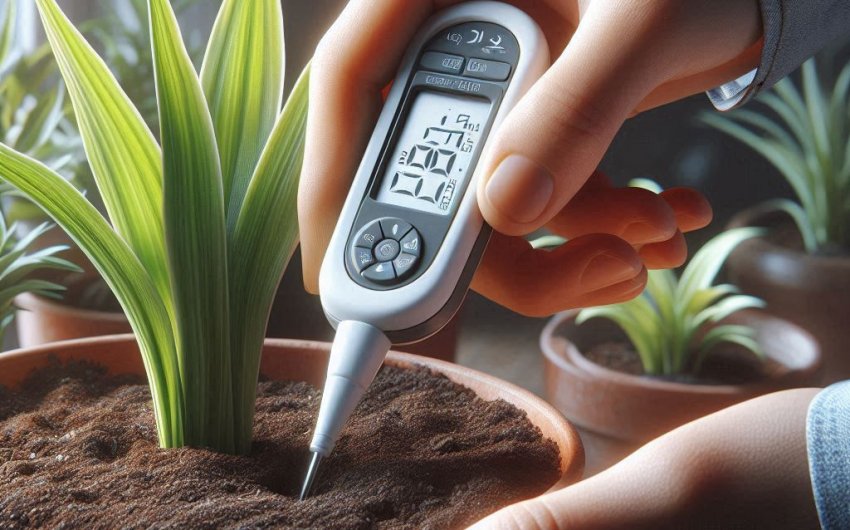
- Finger test: Stick your finger 2-3 inches deep into the soil (or deeper for larger pots). If it feels damp, wait. Only water when it feels dry at that depth. For succulents and cacti, wait until the soil is completely dry throughout the pot.
- Chopstick or wooden skewer test: For larger pots or if you don't want to get your fingers dirty, stick a wooden chopstick or skewer all the way to the bottom of the pot. Pull it out after a few minutes. If it comes out with dark, damp soil clinging to it, wait to water. If it's clean and dry, it's time to water.
- Lift the pot: Get a feel for the weight of your potted plants. A dry pot will be significantly lighter than a wet one. This is especially useful for smaller plants.
Why is Proper Drainage Essential?
Proper drainage is non-negotiable for most houseplants.
- Drainage holes: Always use pots with drainage holes at the bottom. Without them, excess water has nowhere to go, leading to root rot.
- Avoid cachepots: If you use a decorative pot (cachepot) without drainage holes, place your plant in a nursery pot with drainage holes inside the cachepot. Always remove the inner pot and empty any standing water from the cachepot after watering.
- Drainage layer myths: Avoid adding a layer of gravel or rocks at the bottom of a pot with a drainage hole. This actually creates a "perched water table," potentially making drainage worse and leaving roots in standing water. It doesn't improve drainage; it just raises the water level. A plant pot with drainage holes is essential.
How Do You Water Thoroughly When You Do Water?
When you water, water thoroughly until water flows out of the drainage holes.
- Flush the soil: This ensures the entire root ball is moistened and helps to flush out any accumulated mineral salts from tap water or fertilizer.
- Don't just dribble: Shallow watering encourages shallow root growth, making the plant less resilient.
- Allow to drain: Let the pot drain completely before returning it to its saucer or cachepot. Do not let the plant sit in standing water.
What is Bottom Watering?
Bottom watering is a great technique to prevent overwatering and ensure thorough saturation, especially for plants that don't like wet foliage or those that are difficult to water from the top.
- Place pot in water: Place the potted plant in a sink, tub, or tray filled with 1-2 inches of water.
- Let it soak: Allow the plant to soak up water from the bottom drainage holes. You'll see the top of the soil become damp as it absorbs water.
- Remove when moist: Remove the pot from the water once the top layer of soil feels moist (or the weight increases significantly).
- Drain excess: Let any excess water drain out of the pot before returning it to its spot. A small plant watering tray is perfect for bottom watering.
How Do You Choose the Right Potting Mix?
Using the right potting mix is fundamental to good watering.
- Loose and airy: Look for potting mixes specifically formulated for houseplants, or even better, for succulents/cacti if your plant prefers very dry conditions. These mixes are designed to drain quickly and provide good aeration.
- Amendments: If your general potting mix seems too heavy, you can amend it by adding perlite, coarse sand, or pumice to improve drainage. A ratio of 1 part perlite to 3 parts potting mix is a good starting point. You can find perlite for potting mix easily.
What Are Common Overwatering Situations and How to Adjust?
Certain situations make overwatering more likely. Knowing these can help you adjust your watering habits proactively.
When Repotting into a Larger Pot?
When you repot a houseplant into a larger pot, its watering needs will change.
- Increased soil volume: The larger pot contains more soil, which means it will hold more water and take longer to dry out.
- Adjust frequency: You will need to water less frequently than you did in the smaller pot.
- Gradual increase in pot size: Only go up one pot size at a time (e.g., from a 6-inch to an 8-inch pot) to avoid problems. A pot that is too large will hold too much moisture for too long.
During Fall and Winter Months?
This is a very common time for overwatering due to decreased light and cooler temperatures.
- Dormancy: Most houseplants go into a period of slower growth or dormancy in fall and winter. They use significantly less water during this time.
- Reduced light: Shorter days and weaker sunlight mean less photosynthesis and less water usage.
- Adjust accordingly: Drastically reduce your watering frequency in fall and winter. For many plants, this might mean watering half as often as in summer, or even less. Always use the soil moisture test.
When Moving a Plant to a Lower Light Spot?
If you move a houseplant from a bright spot to a lower light location, its watering needs will decrease dramatically.
- Slower growth: The plant will slow its growth and water uptake in lower light.
- Longer drying time: The soil will stay wet for much longer.
- Adjust watering: Be sure to reduce watering frequency immediately when moving a plant to a dimmer area.
How Does Being Near a Window or Draft Affect Watering?
The immediate environment around your plant also plays a role.
- Near a sunny window: Even if indirect, the warmth and air movement can cause the soil to dry out faster.
- Near a drafty window or AC vent: Constant air movement can dry out the soil more quickly.
- Near a heating vent/radiator: These produce very dry heat that can rapidly dry out the soil. Conversely, plants near very cold, drafty windows might have roots that stay too cold and wet. Observe how your plant's soil dries in its specific spot and adjust watering accordingly.
What About Terrariums or Closed Environments?
Terrariums and closed environments (like cloches or enclosed display cases) create a humid, self-contained ecosystem.
- High humidity: Moisture is recycled within the environment.
- Minimal watering: Plants in terrariums require very little watering, perhaps only once every few months or even less. Overwatering is extremely easy in these setups and quickly leads to root rot.
- Proper layering: Ensure a good drainage layer at the bottom of a terrarium. A small glass terrarium kit can be a fun project, but requires careful watering.