
What Causes Leaf Drop in Fiddle Leaf Figs and How Can I Fix It?
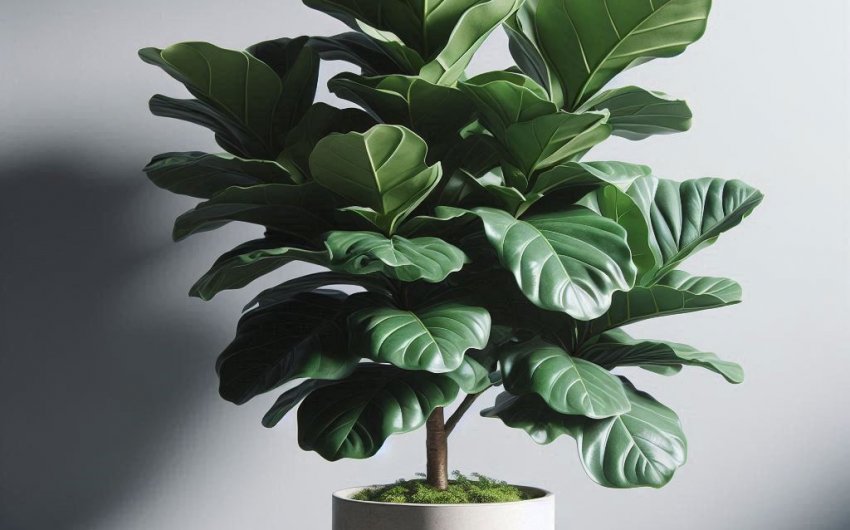
Seeing your fiddle leaf fig ( Ficus lyrata ) drop its leaves can be a truly disheartening experience for any plant parent. These popular houseplants, known for their large, violin-shaped leaves, add a touch of dramatic greenery to any space. However, they also have a reputation for being a bit finicky. When those beautiful leaves start turning yellow, browning, or simply falling off, it’s a clear signal that something isn’t quite right in their environment. Understanding why this happens is the first step toward bringing your leafy friend back to full health.
It's common for a fiddle leaf fig to shed a few lower leaves occasionally, especially older ones. This is part of its natural growth cycle. But if you're seeing a lot of leaves dropping at once, or if new leaves are affected, it’s time to investigate. The good news is that most of the causes for fiddle leaf fig leaf drop are fixable with a little bit of knowledge and consistent care. Let's explore the various reasons your plant might be stressed and how you can help it thrive again. Getting to the root of the problem will allow you to address it directly, often leading to a speedy recovery for your cherished plant.
Why Are My Fiddle Leaf Fig Leaves Dropping?
Is Your Fiddle Leaf Fig Getting Enough Water?
One of the most common reasons for fiddle leaf fig leaf drop is improper watering. These plants are sensitive to both too much and too little water, making it a tricky balance to strike.
Underwatering
When a fiddle leaf fig doesn't get enough water, its leaves will start to show signs of stress. They might become crispy, especially at the edges, and then turn yellow or brown before eventually falling off. The plant is essentially trying to conserve moisture by shedding leaves it can't support. If the soil feels bone dry several inches down, and the pot feels light, it's a good sign your plant is thirsty. To fix this, give your plant a thorough watering. Water until you see water draining from the bottom of the pot. Make sure you have a pot with good drainage holes, like a terracotta pot with drainage. Don't let your plant sit in standing water, as this can lead to root rot. After watering, check the soil moisture every few days. The top 2-3 inches of soil should feel dry before you water again. A soil moisture meter can be a very helpful tool here to take the guesswork out of watering.
Overwatering
Paradoxically, overwatering can also cause leaves to drop. When the soil stays consistently wet, the roots don't get enough oxygen and begin to rot. This is known as root rot. Affected leaves might turn dark brown or black, especially near the veins, and then drop off. The leaves might also feel soft and mushy. You might even notice a foul smell coming from the soil. If you suspect overwatering, immediately stop watering. If the soil is soaking wet, it's best to carefully remove the plant from its pot and inspect the roots. Trim off any mushy, dark, or smelly roots with clean scissors. Repot the plant in fresh, well-draining potting mix, like a potting mix for indoor plants. Be sure the pot has excellent drainage. After repotting, wait to water until the top few inches of soil are dry. Going forward, always check the soil moisture before watering. It's better to slightly underwater than to overwater.
Is Your Fiddle Leaf Fig Getting the Right Amount of Light?
Light is crucial for a fiddle leaf fig's health. They are native to tropical rainforests and thrive in bright, indirect light.
Not Enough Light
When a fiddle leaf fig doesn't get enough light, it can become weak and leggy, and its lower leaves might start to yellow and drop off. The plant isn't able to produce enough energy through photosynthesis to support all its leaves, so it sheds the ones that are least efficient. Move your plant to a brighter location. An ideal spot is near a south or west-facing window, but make sure the light is indirect. Direct, harsh sunlight can burn the leaves, causing brown spots. If natural light isn't enough, consider supplementing with a grow light for indoor plants. Place it a few feet away from the plant, ensuring it gets 6-8 hours of extra light per day.
Too Much Direct Light
While fiddle leaf figs love bright light, direct, intense sunlight can be harmful. It can cause leaf burn, which appears as brown or reddish spots on the leaves. These damaged leaves might then yellow and drop. If your plant is in direct sunlight for many hours, move it back a few feet from the window or use sheer curtains to diffuse the light. The goal is bright, but filtered light. Think of it like a sunny day under a canopy of trees – bright, but not directly exposed to the harsh sun.
What About Humidity and Temperature for Your Fiddle Leaf Fig?
Fiddle leaf figs are tropical plants, meaning they prefer high humidity and consistent, warm temperatures.
Low Humidity
Lack of humidity is a common problem in many homes, especially during winter months when heating systems dry out the air. Low humidity can cause the edges of fiddle leaf fig leaves to become crispy and brown. Over time, these leaves can yellow and drop. To increase humidity, you can mist your plant's leaves daily with a fine mist sprayer. You can also place a pebble tray filled with water beneath the pot; just make sure the pot isn't sitting directly in the water. For more consistent humidity, a small room humidifier can be a great investment, especially if you have several humidity-loving plants. Aim for humidity levels between 50% and 70%.
Temperature Fluctuations
Fiddle leaf figs are sensitive to sudden changes in temperature and cold drafts. Being too close to a drafty window, an air conditioning vent, or a heating vent can stress the plant, leading to leaf drop. Keep your plant in a spot where the temperature is stable, ideally between 65°F and 75°F (18°C and 24°C). Avoid placing it near exterior doors or windows that are opened frequently, or directly in the path of heating or cooling vents. If you bring your plant home in cold weather, make sure it's well-wrapped to protect it from the chill during transport.
Is Your Fiddle Leaf Fig Getting Enough Nutrients?
Over time, the nutrients in the potting soil can deplete, especially if the plant hasn't been repotted in a while.
Nutrient Deficiency
A lack of essential nutrients can cause leaves to yellow evenly across the leaf or specifically along the veins before dropping. It can also stunt growth. Fertilize your fiddle leaf fig regularly during its growing season (spring and summer). Use a balanced liquid fertilizer, like a liquid plant food for houseplants, diluted to half strength. Fertilize every 2-4 weeks. Reduce or stop fertilizing during the fall and winter when the plant's growth slows down. Always follow the instructions on the fertilizer package to avoid over-fertilizing.
Over-fertilization
While essential, too much fertilizer can also harm your plant. It can lead to a buildup of salts in the soil, which can burn the roots. Signs of over-fertilization include brown leaf tips and edges, and sometimes, a white crust on the soil surface. If you suspect over-fertilization, you can "flush" the soil. This involves watering the plant thoroughly with plain water until a large amount of water drains out of the bottom of the pot, washing away excess salts. Repeat this a few times. After flushing, reduce the frequency or strength of your fertilizer applications.
When Was Your Fiddle Leaf Fig Last Repotted?
Fiddle leaf figs like to be a little root-bound, but eventually, they will outgrow their pot or deplete the soil nutrients.
Pot-Bound Issues
If your fiddle leaf fig has been in the same pot for a long time, its roots might have become too crowded. This can restrict nutrient and water uptake, leading to slowed growth and leaf drop. You might see roots growing out of the drainage holes or circling the inside of the pot. Repot your plant into a pot that is only 1-2 inches larger in diameter. Spring or early summer is the best time for repotting. Use fresh, well-draining potting mix. A potting mix specifically for Ficus can be beneficial. Be gentle with the roots during this process to avoid further stress.
Has Your Fiddle Leaf Fig Recently Moved?
Fiddle leaf figs are creatures of habit. They dislike being moved around, even within the same room.
Environmental Shock
Any sudden change in their environment – whether it's a move to a new house, a different room, or even just turning the plant – can cause environmental shock. This stress often manifests as leaf drop. The plant needs time to adjust to its new surroundings. Once you find a good spot for your fiddle leaf fig, try to keep it there. If you must move it, do so slowly and be prepared for some temporary leaf drop. Give it time to acclimate. Don't immediately assume there's a serious problem; sometimes, patience is the best remedy. Provide consistent care (watering, light) during this adjustment period.
Is Your Fiddle Leaf Fig Facing Pests or Diseases?
While less common, pests and diseases can also contribute to leaf drop in fiddle leaf figs.
Common Pests
Look closely at the leaves (top and bottom) and stems for signs of pests.
- Spider mites: These tiny pests create fine webbing, especially where the leaves meet the stem. Leaves might develop tiny yellow stipples.
- Mealybugs: These look like small, white, cottony masses, often found in leaf axils. They suck sap from the plant, weakening it.
- Scale: These appear as small, brown, oval bumps on stems and leaf undersides. They are hard to remove with just water. If you find pests, treat them immediately. For minor infestations, wipe the leaves with a damp cloth or spray with a mixture of water and a few drops of neem oil for plants. For more severe infestations, a gentle insecticidal soap can be used. Repeat treatments are often necessary to break the pest life cycle.
Fungal or Bacterial Issues
Root rot, as mentioned under overwatering, is a common fungal issue. Other less common problems might include leaf spot diseases, which show as distinct spots on the leaves, usually with a yellow halo. These are often caused by consistently wet leaves or high humidity combined with poor air circulation. If you suspect a fungal or bacterial issue beyond simple root rot, it's best to isolate the plant. Improve air circulation around the plant, perhaps by using a small clip-on fan. Avoid getting water on the leaves when watering. In severe cases, you might need to consult a plant expert or use a specific fungicide, but often, improving cultural conditions is enough. Remove any visibly affected leaves to prevent spread.
Is Your Fiddle Leaf Fig Experiencing Natural Aging?
Even healthy fiddle leaf figs will shed old leaves.
Old Leaf Shedding
As your fiddle leaf fig grows taller, it will naturally shed its lowest leaves. These leaves might yellow slowly before dropping. This is a normal process and not a cause for concern unless many leaves are dropping at once, or if new leaves are also affected. There's no specific fix for natural aging, as it's part of the plant's life cycle. Simply enjoy watching your plant grow and develop. Make sure you're providing optimal care to support its continued healthy growth. If the plant becomes too tall or leggy, you can consider pruning it to encourage new branching, but this is a separate topic from immediate leaf drop fixes. When pruning, always use clean sharp pruning shears to make clean cuts.
Have You Just Purchased or Repotted Your Fiddle Leaf Fig?
As mentioned earlier, changes are a big deal for these plants.
Post-Purchase/Repotting Shock
It's very common for a fiddle leaf fig to drop leaves after being brought home from a nursery or after being repotted. This is a direct result of stress and environmental shock. The plant is adjusting to a new environment, different light, different humidity, and possibly new soil. Patience is key here. Provide consistent care and resist the urge to overwater or move it around constantly. Give it a few weeks to settle in. Some leaf drop is normal during this period. Focus on maintaining ideal conditions and your plant should eventually rebound. Avoid fertilizing immediately after repotting; wait a few weeks for the plant to recover.
Is the Pot Size Right for Your Fiddle Leaf Fig?
Pot size plays a surprisingly important role in a fiddle leaf fig's health.
Too Large a Pot
If your fiddle leaf fig is in a pot that's too large, the soil will retain too much moisture. This greatly increases the risk of overwatering and root rot, as the roots can't absorb all the water before the soil becomes waterlogged. As a general rule, when repotting, only go up one pot size (1-2 inches in diameter larger than the previous pot). This allows the roots to grow into the new space without the soil staying wet for too long. Ensure the pot has good drainage holes.
How Can I Fix My Fiddle Leaf Fig's Leaf Drop?
Addressing fiddle leaf fig leaf drop requires a methodical approach. Once you've identified the likely cause, implementing the right solutions consistently is crucial.
Assess Your Watering Habits
This is often the first place to start.
- Feel the soil: Stick your finger 2-3 inches into the soil. If it feels dry, it's probably time to water. If it's still damp, wait. A soil moisture meter can provide a more accurate reading.
- Water thoroughly: When you water, do so until water drains freely from the bottom of the pot. Discard any standing water in the saucer after about 30 minutes.
- Drainage is key: Always ensure your pot has adequate drainage holes. A pot with good drainage is essential to prevent root rot.
Adjust Light Conditions
- Bright, indirect light: This is the sweet spot for fiddle leaf figs. Place your plant near a window that gets plenty of light, but not harsh, direct sun for extended periods. A north or east-facing window can work, but south or west-facing windows are often best if the light is filtered through a sheer curtain.
- Rotate your plant: Turn your plant slightly every week or two to ensure all sides get even light exposure. This also promotes more balanced growth.
- Supplement with grow lights: If natural light is insufficient, a full-spectrum grow light can make a huge difference, especially in darker homes or during winter.
Optimize Humidity and Temperature
- Increase humidity: Mist your plant regularly, use a pebble tray, or invest in a humidifier. This is particularly important in dry indoor environments.
- Stable temperatures: Keep your fiddle leaf fig away from drafts, heating vents, and air conditioners. Aim for a consistent room temperature between 65°F and 75°F (18°C and 24°C). Avoid placing them in areas where temperatures fluctuate wildly throughout the day.
Reconsider Fertilization
- Fertilize during growing season: Use a balanced, diluted liquid fertilizer during spring and summer, every 2-4 weeks. A liquid houseplant fertilizer is a good choice.
- Don't over-fertilize: More is not always better. Follow the package instructions carefully, and reduce or stop fertilizing in fall and winter. If you suspect over-fertilization, flush the soil with plenty of plain water.
Check for Pests
- Regular inspection: Make it a habit to inspect your fiddle leaf fig weekly for signs of pests. Check the tops and bottoms of leaves, and along the stems.
- Treat immediately: If you spot pests, act fast. Minor infestations can often be wiped away with a damp cloth or treated with insecticidal soap spray. For more persistent issues, neem oil can be effective.
Consider Repotting or Pruning
- Repot if root-bound: If your plant is showing signs of being root-bound (roots growing out of drainage holes, stunted growth), repot it into a slightly larger pot (1-2 inches larger in diameter) with fresh, well-draining soil. The best time for repotting is spring.
- Pruning for health: While not directly a fix for sudden leaf drop, pruning dead or diseased leaves can help the plant redirect energy. You can also prune to encourage bushier growth if your plant is leggy. Always use sterilized pruning shears.
Practice Patience and Consistency
- Don't overreact: It can take time for a fiddle leaf fig to recover from stress. Avoid making too many changes at once, as this can add to the plant's stress.
- Observe and adjust: After making a change, give your plant a few weeks to respond. Observe its new growth and overall health, and adjust your care routine as needed.
- Routine is important: Fiddle leaf figs thrive on routine. Try to water, fertilize, and provide light in a consistent manner. Avoid moving them around frequently once they've found a happy spot. A stable environment is a healthy environment for these beautiful plants.