
How Do I Treat Whiteflies on My Indoor Plants?
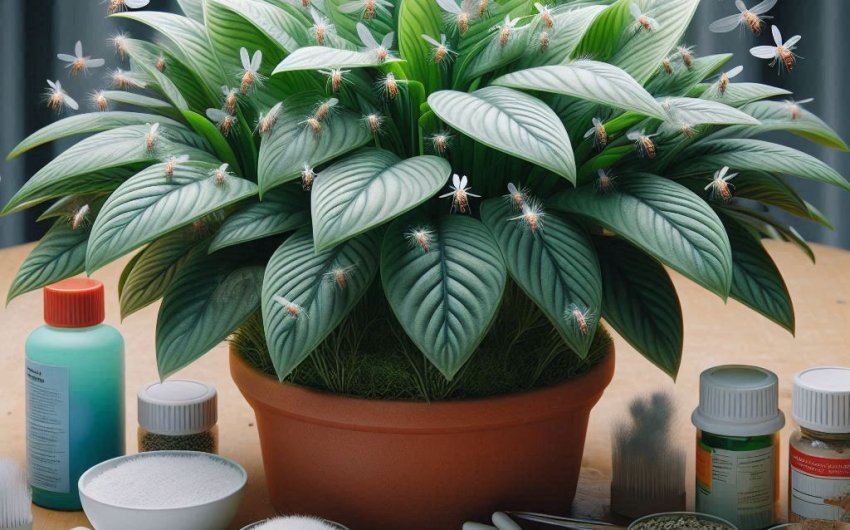
Seeing tiny white specks flutter around your beloved indoor plants can be disheartening. You might initially dismiss them as dust motes, but a closer look reveals something far more insidious: whiteflies. These tiny, winged insects are a common nuisance for plant enthusiasts, capable of causing significant damage if left unchecked. They thrive in the warm, stable environment of your home, making your leafy companions an ideal host. Understanding their habits and life cycle is the first step in winning the battle against them.
Whiteflies are notorious for their rapid reproduction. A small infestation can quickly spiral out of control, as female whiteflies can lay hundreds of eggs in their short lifespan. These eggs hatch into nymphs, which are immobile and feed voraciously on plant sap. As they mature, they transform into pupae and then emerge as the winged adults you see flitting about. This continuous cycle means that simply killing the adults won't solve the problem; you need a comprehensive approach that targets all life stages. The damage they inflict isn't just cosmetic. Whiteflies suck vital nutrients from your houseplants, leading to yellowing leaves, stunted growth, and eventually, the decline and death of the plant if the infestation is severe. They also excrete a sticky substance called honeydew, which can attract other pests and lead to the growth of sooty mold, further hindering the plant's ability to photosynthesize. Don't despair, though! With the right strategies and a bit of persistence, you can effectively eliminate whiteflies and keep your indoor garden thriving.
How Do Whiteflies Get on My Indoor Plants?
It’s a common question, and often, the answer is surprisingly simple. Whiteflies can enter your home in several ways, even if you’re super careful. One of the most frequent culprits is bringing in new plants from a nursery or garden center. These new additions might already have a hidden whitefly problem, and once introduced to your home, the pests quickly spread to your other indoor plants. Always inspect new plants thoroughly before bringing them inside, checking both the tops and undersides of leaves for any signs of these tiny pests or their sticky residue.
Another way whiteflies sneak in is through open windows or doors, especially during warmer months. If you have a garden outside with plants that are already infested, whiteflies can easily fly in and find a new home on your indoor greenery. Even your clothes can act as a carrier. If you've been gardening or interacting with infested plants outdoors, whiteflies can hitch a ride on your clothing and then transfer to your houseplants once you're inside. It's a subtle way they travel, but effective nonetheless.
Sometimes, dormant stages of whiteflies, like eggs or pupae, can be present in the potting soil itself, especially if you’re reusing soil or bringing in outdoor soil. While less common, it's a possibility to consider. Understanding these entry points is key to preventing future infestations, which is always easier than treating an existing one.
Inspecting New Plants for Pests
Before a new plant even crosses your threshold, give it a good once-over. This isn't just about admiring its leaves; it's about playing detective. Look closely at both the top and, more importantly, the underside of the leaves. Whiteflies love to hide on the undersides. You might see tiny, white, winged insects, or even smaller, flat, scale-like nymphs. You might also spot their tiny, oval-shaped eggs, often laid in circles. Look for any sticky residue, which is a tell-tale sign of honeydew excretion. If you see anything suspicious, it's best to isolate that plant immediately from your other indoor plants. You might even consider returning it or treating it outside before it joins your collection. A quick pre-check can save you a lot of headache later on.
The Role of Open Windows and Doors
It's lovely to let fresh air into your home, but it can also be an open invitation for pests like whiteflies. If you have an outdoor garden, or even just neighboring plants, that are battling whiteflies, those little insects can easily fly through an open window or door and find your indoor plants. They are attracted to new food sources. Screening your windows and doors is a simple yet effective way to block these aerial invaders. Even then, be mindful of bringing in cut flowers or produce from your garden, as they too can carry hitchhiking whiteflies. It’s a constant vigilance, but worth it to protect your houseplants.
Accidental Transfers on Clothing
This one is often overlooked! Imagine you've been out in your garden, pruning some tomato plants that unknowingly have a mild whitefly issue. A few whiteflies, or even their microscopic eggs, can easily cling to your clothes. When you come inside and brush past your favorite Pothos plant, they can simply transfer over. It's a sneaky way they move around. A good practice is to change clothes or at least shake off outdoor clothing before spending time near your indoor plants if you’ve been in an area where pests might be present. It seems like a small thing, but it can make a big difference in preventing an infestation.
What Are the Signs of Whiteflies on My Plants?
Spotting whiteflies early is key to successful treatment. They’re tiny, so it can be tricky, but knowing what to look for makes it easier. The most obvious sign is seeing tiny, white, moth-like insects flying around your indoor plants when you disturb them. Gently shake a leaf, and if you see a cloud of little white specks, you’ve likely got whiteflies. These are the adult whiteflies, and they’re often found congregating on the undersides of leaves.
Beyond the adults, there are other tell-tale signs. Look for tiny, flat, oval-shaped structures, which are the whitefly nymphs. They are usually greenish-yellow and are also found on the undersides of leaves, often in large numbers. They don't move much, so they can be mistaken for a part of the leaf if you're not looking carefully. Another significant sign is honeydew. This is a sticky, clear substance that whiteflies excrete as they feed. It will make your leaves feel tacky to the touch. If you notice a sticky residue on the leaves or on the floor beneath your plant, it’s a strong indicator of a whitefly problem.
Finally, severe infestations can lead to visible damage to your plants. Leaves might start to turn yellow, particularly along the veins, and then eventually wilt or drop off. Overall plant growth can be stunted, and new growth might appear distorted. In some cases, the honeydew can lead to the growth of sooty mold, which is a black, powdery substance that covers the leaves. While sooty mold doesn't directly harm the plant, it blocks sunlight, which interferes with photosynthesis, weakening your houseplants even further.
Identifying Adult Whiteflies
Adult whiteflies are probably the easiest to spot. They are very small, about (1/16) of an inch long, with powdery white wings. They look a bit like tiny moths. You’ll usually see them on the undersides of leaves. If you gently jiggle your plant or brush against its leaves, a small cloud of these white insects will often fly up, then quickly settle back down. They prefer new, tender growth, so pay extra attention to the tips of your indoor plants. Their distinctive appearance and flight pattern are strong indicators of an infestation.
Recognizing Nymphs and Eggs
While the adults are easily seen, the immature stages of whiteflies are a bit trickier. The eggs are tiny, oval-shaped, and usually pale yellow or white, often laid in concentric circles on the undersides of leaves. They eventually turn darker just before hatching. Once hatched, the nymphs are very small, flat, and scale-like. They are typically yellowish-green and attach themselves to the underside of leaves to feed. Unlike the adults, nymphs are mostly stationary. If you look closely with a magnifying glass, you might see them. These stages are just as important to eliminate as the adults, as they are the next generation of pests ready to cause damage to your houseplants.
The Presence of Honeydew and Sooty Mold
Honeydew is a key indicator of whitefly activity. As whiteflies feed on plant sap, they excrete this sticky, sugary substance. You’ll feel it as a tacky residue on the leaves of your indoor plants, and sometimes even on furniture around the plant. It can also appear as shiny spots. The honeydew itself isn't directly harmful to the plant, but it creates a perfect breeding ground for sooty mold. Sooty mold is a black, powdery fungus that grows on the honeydew. It looks like a layer of soot. While it doesn't directly infect the plant tissue, it blocks sunlight from reaching the leaves, which reduces the plant's ability to photosynthesize. This weakens the plant and can make it more susceptible to other issues. If you see sticky leaves or black mold, investigate for whiteflies immediately.
What Are the Best Natural Treatments for Whiteflies?
When dealing with whiteflies on your indoor plants, many people prefer to start with natural treatments. These methods are generally safer for your plants, your pets, and your family, and they can be quite effective when used consistently. The key to success with natural remedies is persistence and thoroughness, as you need to disrupt the whitefly life cycle at multiple stages.
One of the simplest yet surprisingly effective methods is a strong stream of water. You can gently rinse your houseplants in a sink or shower to dislodge adult whiteflies, nymphs, and even some eggs. This won't eliminate the entire infestation, but it significantly reduces their numbers, giving your other treatments a better chance to work. Another highly recommended natural treatment is Neem oil. This oil, extracted from the neem tree, works as a natural insecticide and repellant. It disrupts the whiteflies' feeding and reproductive cycles, effectively reducing their population over time.
For more immediate knockdown, insecticidal soap is a great choice. It works by dissolving the waxy coating on the whiteflies' bodies, causing them to dehydrate and die. You can even make your own DIY version with mild dish soap. Yellow sticky traps are also excellent for monitoring and trapping adult whiteflies. They are attracted to the color yellow and get stuck to the adhesive surface, preventing them from laying more eggs. Combining several of these natural methods often yields the best results, as they attack the whiteflies from different angles. Regular application and close monitoring are crucial for long-term success.
Using Water to Dislodge Pests
Sometimes the simplest solutions are the best. For a mild whitefly infestation on your indoor plants, a strong stream of water can do wonders. Take your plant to a sink or shower and gently but thoroughly spray down all parts of the plant, especially the undersides of the leaves where whiteflies love to hide. The force of the water will physically knock off adult whiteflies, nymphs, and even some eggs. This method won't completely eliminate an infestation, but it significantly reduces the numbers, making other treatments more effective. Repeat this every few days, as new whiteflies might hatch or emerge. Make sure to support the plant so you don't damage any delicate stems or leaves during the process.
The Power of Neem Oil
Neem oil is a fantastic natural weapon against whiteflies and many other pests. It's derived from the neem tree and works in several ways. When whiteflies ingest neem oil, it disrupts their feeding, growth, and reproduction. It acts as an antifeedant, making the plant unappetizing, and also as an insect growth regulator, preventing nymphs from developing into adults. It’s also somewhat of a repellent. To use it, mix pure cold-pressed Neem oil with water and a tiny bit of mild liquid soap (as an emulsifier). Spray all surfaces of your indoor plants until they are dripping wet, focusing on the undersides of leaves. Apply every 5-7 days for several weeks to break the whitefly life cycle. Remember, consistency is key with neem oil; it doesn't kill on contact but works over time.
Applying Insecticidal Soap
Insecticidal soap is a fast-acting and effective way to deal with whiteflies. It works by breaking down the outer protective layer of the insect, causing it to dehydrate and die. It’s generally considered safe for indoor plants when used correctly. You can buy pre-mixed insecticidal soap sprays or make your own by mixing 1-2 teaspoons of mild liquid dish soap (like plain Dawn, without degreasers or perfumes) per gallon of water. Spray all affected areas of your plant, making sure to get good coverage on the undersides of the leaves. Apply every 3-5 days until the whiteflies are gone. Always test a small area of the plant first to make sure it doesn’t cause any adverse reactions. Avoid using strong detergents as they can harm your plants.
Using Yellow Sticky Traps
Yellow sticky traps are an excellent tool for both monitoring and controlling whiteflies on your indoor plants. Whiteflies, like many other flying insects, are naturally attracted to the color yellow. Once they fly onto the trap, they get stuck to the super sticky surface and can't escape. These traps won't eliminate a severe infestation on their own, but they are great for catching adult whiteflies, thus preventing them from laying more eggs and contributing to the problem. Place a few yellow sticky traps for plants near your affected plants, hanging them slightly above the foliage. Replace them when they become covered with insects or dust. They also serve as an early warning system, letting you know if whiteflies have returned or if new ones have arrived.
When Are Chemical Treatments Necessary?
While natural methods are often preferred for indoor plants, there are times when a chemical treatment might become necessary. If your whitefly infestation is severe, persistent, or rapidly spreading despite consistent application of natural remedies, you might need to consider stronger options. Sometimes, the sheer number of pests can overwhelm natural defenses, or certain plant types might be particularly susceptible to damage, requiring a more immediate knockdown.
It's important to approach chemical treatments with caution, especially for houseplants. Always choose products specifically labeled for indoor use and for the particular pest you are targeting, which in this case is whiteflies. Read the instructions thoroughly and follow them precisely to ensure effectiveness and safety. Proper ventilation is also crucial when applying chemical sprays indoors.
Consider chemical treatment if you're seeing significant plant damage, yellowing leaves, stunted growth, or if the whitefly population seems to be increasing rapidly despite your best efforts with water, neem oil, or insecticidal soap. Sometimes, a targeted chemical application can break the cycle and give your plants a chance to recover. Remember, chemical treatments should be a last resort, used judiciously, and always with safety in mind. After a successful chemical treatment, you can often revert back to preventative natural methods to keep future infestations at bay.
Systemic Insecticides for Stubborn Infestations
For very persistent and severe whitefly infestations on your indoor plants, you might need to consider systemic insecticides. Unlike contact sprays that only kill insects they touch, systemic insecticides are absorbed by the plant through its roots or leaves. When whiteflies feed on the plant sap, they ingest the insecticide and are killed. This offers longer-lasting protection and can be very effective for deeply entrenched infestations. Products like Bonide Systemic Houseplant Insect Control are popular for this purpose.
However, use systemic insecticides with extreme caution, especially on plants you intend to consume (like herbs). Always read the label carefully to ensure it's safe for your specific plant and indoor environment. Follow the mixing and application instructions precisely. Good ventilation is a must when applying these products. Systemic treatments are powerful and should be considered a last resort when other methods have failed to control the whitefly population on your houseplants.
Contact Insecticides for Immediate Control
When you need to quickly reduce the number of whiteflies on your indoor plants, contact insecticides can be very effective. These sprays kill insects upon direct contact. They don’t provide long-term protection, but they are great for an immediate knockdown of adult whiteflies and nymphs. Common active ingredients include pyrethrins or pyrethroids. These are often found in general purpose houseplant insect sprays.
When using a contact insecticide, it’s vital to spray thoroughly, covering all leaf surfaces, especially the undersides where whiteflies hide. Repeat applications are usually necessary every few days to catch newly hatched nymphs or adults that were missed. Always ensure the product is safe for indoor use and follow all safety precautions on the label, including ventilation. While effective for quick control, contact insecticides usually need to be combined with other methods, like sticky traps or systemic treatments, for a complete and lasting solution to your whitefly problem.
Importance of Following Label Instructions
This cannot be stressed enough: always, always, always read and follow the label instructions on any chemical treatment you use for your indoor plants. The label is your guide to safe and effective application. It tells you:
- What pests it controls: Make sure it's specifically for whiteflies.
- What plants it's safe for: Some chemicals can harm certain plant types.
- Mixing ratios: Too strong can damage your plant, too weak won't work.
- Application frequency: How often to apply and for how long.
- Safety precautions: Wearing gloves, eye protection, ensuring ventilation.
- Re-entry intervals: How long to wait before touching the plant or being in the room.
Ignoring these instructions can lead to plant damage, ineffective treatment, or even harm to yourself or your pets. When in doubt, err on the side of caution. Proper use of chemical treatments ensures you tackle the whitefly problem safely and efficiently.
How Can I Prevent Whiteflies from Returning?
Preventing whiteflies from returning to your indoor plants is just as important as treating an existing infestation. It's a continuous effort that involves good plant care practices and regular monitoring. Being proactive can save you a lot of headache and keep your houseplants healthy and thriving in the long run.
One of the best preventative measures is regular inspection. Make it a habit to routinely check all your plants, especially the undersides of leaves, for any signs of pests. Catching a small problem early makes it much easier to handle. Quarantining new plants is another crucial step. Before a new plant joins your indoor garden, keep it separate for a few weeks to ensure it’s pest-free. This simple act can prevent an entire infestation from spreading to your existing collection.
Maintaining good plant hygiene also plays a big role. Regularly wiping down leaves removes dust and can also dislodge any stray eggs or nymphs. Proper watering and feeding keep your plants strong and less attractive to pests, as healthy plants are more resilient. Finally, considering beneficial insects can be a long-term, natural solution for ongoing pest management, though this is often more practical for greenhouses than typical indoor settings. By combining these preventative strategies, you create a less welcoming environment for whiteflies and increase your chances of keeping your indoor plants pest-free.
Regular Inspection and Monitoring
The most effective way to prevent whiteflies from taking over your indoor plants again is to be vigilant. Make regular inspection a part of your plant care routine. This means closely examining all your houseplants at least once a week. Pay special attention to the undersides of leaves, where whiteflies love to hide. Look for the tiny white adults, the immobile nymphs, and any sticky residue or sooty mold. Catching a small handful of whiteflies early is far easier than battling a full-blown infestation. If you see even one or two, act immediately with a targeted treatment, rather than waiting for them to multiply. Consistency here is key to staying ahead of any potential pest problems.
Quarantining New Plants
This is a golden rule for all indoor plant enthusiasts! Whenever you bring a new plant into your home, quarantine it for at least 2-4 weeks. This means keeping it completely separate from your existing houseplants, ideally in a different room or a spot where there's no chance of pests spreading. During this time, regularly inspect the new plant for any signs of whiteflies or other pests. Even if it looks perfectly clean, pests can be very good at hiding. If you spot any issues, you can treat the new plant in isolation without risking your entire collection. It’s a simple, yet incredibly effective, preventative measure against introducing unwanted guests into your home garden.
Maintaining Plant Hygiene
Keeping your indoor plants clean is more than just about aesthetics; it's a vital part of pest prevention. Regularly wiping down leaves with a damp cloth helps remove dust, which can hinder photosynthesis, and also physically dislodges any stray whitefly eggs, nymphs, or even adults that might be present. This simple act makes the plant less hospitable for pests. Also, promptly remove any yellowing, damaged, or dead leaves, as these can be attractive to pests and provide hiding spots. Good airflow around your plants also helps deter pests. A clean, well-maintained plant is generally healthier and more resilient, making it less appealing to whiteflies seeking an easy meal.
Proper Watering and Fertilizing Practices
Healthy plants are strong plants, and strong plants are less susceptible to pest infestations. This includes whiteflies. Ensuring your indoor plants receive proper watering and fertilizing practices is fundamental to their overall health. Overwatering can lead to root rot and weak plants, making them more vulnerable. Underwatering stresses plants, also making them an easy target. Always water when the topsoil feels dry to the touch, and ensure good drainage.
Similarly, providing the right nutrients through appropriate fertilizing helps your plants develop robust immune systems. Don’t over-fertilize, as this can lead to soft, sappy growth that is especially attractive to whiteflies. Use a balanced houseplant fertilizer according to the product instructions. A strong, healthy plant is better equipped to naturally resist and recover from pest attacks, reducing the likelihood of a severe whitefly problem.