
Balancing Act: Managing pH Levels for Healthy Plants
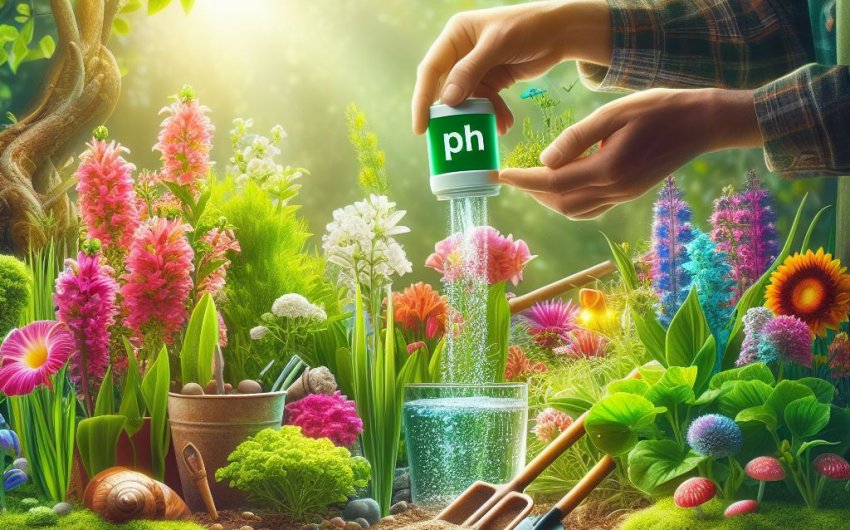
Achieving a precise balancing act by managing pH levels for healthy plants is a fundamental yet often underestimated skill in successful gardening, as pH directly dictates how well plants can access vital nutrients. Understanding your soil's acidity or alkalinity and knowing how to adjust it ensures your plants receive the proper nutrition, promoting vigorous growth and abundant yields. This guide will unravel the secrets of pH, empowering you to create a thriving garden by perfectly managing pH levels for healthy plants.
Why Is Soil pH So Critical for Plant Health?
Soil pH is, quite simply, the "key" that unlocks nutrient availability for your plants, making it a critical factor for their health and a foundational concept in all gardening. Without the correct pH level, even the most fertile soil, abundant with essential nutrients, can effectively starve your plants because they are unable to absorb the food they need. Understanding why pH is so critical is the first step in mastering the balancing act of managing pH levels for healthy plants.
What Is Soil pH?
Soil pH is a fundamental chemical property that measures the acidity or alkalinity of your soil, and it's expressed on a specific numerical scale. This measurement provides crucial insight into the chemical environment around plant roots.
- The Scale: pH is measured on a scale of 0 to 14:
- pH 7.0: Is considered neutral.
- Below 7.0: The soil is acidic. The lower the number, the more acidic it is (e.g., pH 4.0 is very acidic).
- Above 7.0: The soil is alkaline (or basic). The higher the number, the more alkaline it is (e.g., pH 9.0 is very alkaline).
- Logarithmic Scale: The pH scale is logarithmic, meaning each whole number change represents a tenfold change in acidity or alkalinity. For example, a soil with a pH of 5.0 is ten times more acidic than a soil with a pH of 6.0, and 100 times more acidic than a soil with a pH of 7.0. This explains why even small changes can have a significant impact.
How Does pH Impact Nutrient Availability?
The profound impact of pH on nutrient availability is the primary reason it's so critical for plant health. It acts like a gatekeeper for essential plant food.
- Nutrient Lockout/Availability: Different essential plant nutrients become soluble (and thus available for root uptake) within specific pH ranges. If the pH falls outside a plant's optimal range:
- Too Acidic (Low pH): In highly acidic soils (e.g., below 5.0-5.5), key macronutrients like phosphorus, calcium, and magnesium can become "tied up" and unavailable. Conversely, some micronutrients like aluminum and manganese can become too available, reaching toxic levels.
- Too Alkaline (High pH): In very alkaline soils (e.g., above 7.5), vital micronutrients like iron, zinc, copper, and manganese often become insoluble and unavailable to plant roots, leading to deficiency symptoms despite their presence in the soil.
- Microbial Activity: Soil pH also significantly influences the activity of beneficial soil microorganisms. These microbes are crucial for decomposing organic matter and converting nutrients into forms plants can absorb. Extreme pH levels can inhibit their activity, further reducing nutrient cycling.
- Root Health: Extreme pH levels, whether too acidic or too alkaline, can directly stress and damage plant roots, hindering their ability to absorb any water or nutrients.
By grasping the foundational role of soil pH, gardeners unlock a critical secret to plant health. This knowledge is paramount for successfully managing pH levels for healthy plants, preventing nutrient deficiencies, and ensuring a flourishing garden that truly thrives.
How Do You Accurately Test Your Soil's pH?
Accurately testing your soil's pH is the absolutely essential first step in the balancing act of managing pH levels for healthy plants, providing the precise data needed to make informed amendments. Without knowing your starting point, any attempts to adjust pH are mere guesswork, which can do more harm than good. Reliable testing methods are crucial for unlocking nutrient secrets.
What Are the Best Methods for Testing Soil pH?
Various tools and services are available, ranging from simple home kits to professional lab analyses, each offering different levels of accuracy and detail. Choose the method that best suits your needs and budget. These are key tricks for managing pH levels for healthy plants.
- Professional Soil Test (Most Recommended):
- Method: Collect several soil samples from different areas of your garden, mix them, and send them to your local Cooperative Extension office (often affiliated with a university like your state's Land-Grant institution).
- Benefits: This is the most accurate and comprehensive method. It provides not only a precise pH reading but also detailed information on macro and micronutrient levels, organic matter content, and specific recommendations on how much (and what type) of lime or sulfur to add to reach your target pH for specific crops.
- Cost: Usually inexpensive.
- Timing: Best done in fall or early spring, allowing time for amendments to work before planting.
- Digital pH Meter:
- Method: A handheld digital meter that you insert directly into moist soil (after calibration).
- Benefits: Provides instant, precise readings. Reusable.
- Cons: Requires calibration and regular cleaning for accuracy. Quality varies, so invest in a reputable brand. A digital soil pH meter offers convenience.
- How-To: Insert into moist soil (ideally a slurry of soil and distilled water for more accurate reading), wait a moment, and read. Calibrate regularly with buffer solutions.
- Liquid pH Test Kits:
- Method: You mix a small soil sample with distilled water, add a chemical indicator solution, and compare the resulting color to a chart.
- Benefits: Inexpensive, quick results, easy to use for a basic reading.
- Cons: Less precise than a digital meter or lab test. Can be subjective due to color interpretation.
- How-To: Follow instructions carefully, ensuring consistent soil-to-water ratios. A liquid soil pH test kit is widely available.
- Litmus Paper Strips:
- Method: A very basic kit where you dip a strip of paper into a soil-water solution and match the color.
- Benefits: Very cheap, quick.
- Cons: Least accurate, very imprecise. Best for a very rough estimate.
What Are Best Practices for Soil Sampling?
To ensure your test results are meaningful, proper sampling is crucial for effective management of pH levels for healthy plants.
- Collect Multiple Samples: Take 10-15 small samples from different spots across your garden area, down to a depth of 6-8 inches (15-20 cm). Avoid unusual spots like near compost piles or under eaves.
- Mix Thoroughly: Combine all samples in a clean plastic bucket and mix them well to get a representative average.
- Dry and Package: Follow your testing lab's specific instructions for drying (if needed) and packaging the sample.
- Label Clearly: Provide all requested information, including what you plan to grow.
By accurately testing your soil's pH, you gain invaluable garden wisdom, confidently diagnosing any imbalances and taking the essential first step towards perfectly managing pH levels for healthy plants and a thriving garden.
How Do You Adjust Soil pH to Suit Your Plants?
Adjusting soil pH to suit your plants is a precise, patient, and critical aspect of managing pH levels for healthy plants, directly impacting their ability to absorb nutrients. Once you've identified your current pH, the next step is to carefully amend the soil, transforming it into the ideal environment for vigorous growth. This targeted approach is essential for successful vegetable gardening.
What Is the Ideal pH Range for Most Vegetables?
While specific plants have unique preferences, a general range works well for a wide variety of garden crops, making it a foundational principle for balancing pH levels for healthy plants.
- Most Vegetables and Flowers: Prefer a slightly acidic to neutral pH range of 6.0 to 7.0.
- Acid-Loving Plants: Blueberries, rhododendrons, azaleas, and some evergreens prefer more acidic soils (pH 4.5-5.5).
- Alkaline-Tolerant Plants: Some plants like asparagus, many brassicas, and lavender prefer slightly alkaline conditions (pH 7.0-7.5).
How to Increase Soil pH (Make it More Alkaline):
If your soil test indicates a pH below 6.0, you'll need to add a liming material. This is a crucial trick for addressing deficiency in your garden.
- Amendments:
- Agricultural Limestone (Calcium Carbonate): The most common and widely used material to raise pH. It's relatively slow-acting but safe.
- Dolomitic Limestone (Calcium-Magnesium Carbonate): Use this if your soil test also indicates a magnesium deficiency, as it provides both calcium and magnesium.
- Hydrated Lime (Calcium Hydroxide): Acts faster but is more caustic and can cause rapid, drastic pH shifts if over-applied. Generally less recommended for home gardeners.
- Wood Ash: Contains calcium and potassium and will raise pH, but use sparingly and only if you know your soil's nutrient profile, as it can raise pH quickly.
- Application:
- Timing: Apply liming materials in fall for spring planting, as they are slow-acting and need time to react with the soil.
- Rate: Follow your soil test recommendations precisely. The amount needed varies dramatically based on your current pH, desired pH, soil type (sandy soils need less lime than clay soils), and organic matter content.
- Method: Broadcast evenly over the soil surface and thoroughly incorporate it into the top 6-8 inches (15-20 cm) of soil using a tiller, broadfork, or garden fork. Surface application is much less effective.
How to Decrease Soil pH (Make it More Acidic):
If your soil test indicates a pH above 7.0, you'll need to add acidifying materials. This is another essential solution for depleted earth.
- Amendments:
- Elemental Sulfur: The most common and effective material to lower pH. It's slow-acting, as soil bacteria convert it to sulfuric acid.
- Iron Sulfate (Ferrous Sulfate): Acts faster than elemental sulfur and also provides iron.
- Sphagnum Peat Moss: While not a strong acidifier, incorporating significant amounts can lower pH slightly and improve soil structure. It's less effective for large pH adjustments.
- Compost: While generally pH neutral, incorporating a lot of acidic organic matter (like pine needles, oak leaves over time) can subtly lower pH.
- Application:
- Timing: Apply acidifying materials in fall or early spring, as they also need time to work.
- Rate: Follow your soil test recommendations precisely. The amount needed varies.
- Method: Broadcast evenly and thoroughly incorporate into the top 6-8 inches of soil.
Important Considerations for pH Adjustment:
- Patience is Key: pH changes are gradual. Don't expect instant results.
- Re-Test: Re-test your soil after 6-12 months (or according to your extension office's advice) to see the effects of your amendments before applying more.
- Avoid Drastic Changes: Rapid or extreme changes in pH can shock soil microbes and plants. Aim for gradual adjustments.
- Organic Matter: Consistently adding organic matter (compost) improves the soil's buffering capacity, making it more resistant to drastic pH changes and easier to manage in the long run.
By diligently testing your soil and carefully applying the correct amendments, you master the crucial balancing act of managing pH levels for healthy plants, ensuring optimal nutrient availability and cultivating a thriving, productive garden. This is a core trick for successful vegetable gardening.
How Do You Maintain Soil pH for Long-Term Plant Health?
Maintaining soil pH for long-term plant health is an ongoing commitment, not a one-time fix, especially after initial adjustments. It involves a continuous strategy of monitoring, consistent organic matter replenishment, and wise gardening practices that support a stable soil environment. This proactive approach ensures your plants consistently thrive, making it essential garden wisdom for vegetable gardening. It's about sustaining the balancing act of managing pH levels for healthy plants.
What Are Key Practices for Sustaining Optimal pH?
These ongoing efforts create a resilient soil ecosystem that naturally resists drastic pH fluctuations and keeps nutrients available for your plants. They are crucial tips for addressing deficiency in your garden.
- Annual Soil Testing (or Biannual):
- Why it's crucial: Soil pH naturally drifts over time due to rainfall, plant activity, and amendments. Regular testing allows you to catch slight shifts before they become problems.
- Practice: Get a professional soil test every 2-3 years, or a quick home soil test kit annually, especially if you've made significant adjustments.
- Consistent Organic Matter Addition:
- Why it's essential: Organic matter (compost, aged manure, leaf mold) improves the soil's buffering capacity, meaning its ability to resist rapid changes in pH. It also creates a healthier environment for beneficial microbes that facilitate nutrient cycling.
- Practice: Incorporate 1-2 inches of compost into your garden beds annually, or as a top-dressing. This is the single best thing you can do for long-term pH stability.
- Water Wisely:
- Why it's important: Over-watering, especially in sandy soils, can leach nutrients and alter pH. Tap water can also slowly change soil pH over time depending on its own pH.
- Practice: Water deeply and infrequently. Consider collecting rainwater (rain barrel), which is naturally slightly acidic and free of chlorine.
- Use Balanced Fertilization:
- Why it's important: Excessive use of high-nitrogen synthetic fertilizers (e.g., ammonium sulfate) can acidify the soil over time.
- Practice: Use a balanced fertilizer based on soil test recommendations. Prioritize organic fertilizers and compost, which are less likely to drastically alter pH.
- Crop Rotation:
- Why it works: Rotating crops prevents the build-up of specific nutrient demands and helps maintain overall soil health, contributing to pH stability.
- Practice: Don't plant the same crop family in the same spot year after year.
- Avoid Drastic Interventions:
- Why it's important: Sudden, large applications of pH-adjusting materials can shock the soil and plant roots.
- Practice: Always apply amendments gradually and based on verified test results.
- Mulching:
- Why it works: A thick layer of organic mulch slowly breaks down, adding organic matter and moderating soil temperature and moisture.
- Practice: This contributes to long-term soil health and stability, including pH.
By integrating these practices into your essential vegetable garden maintenance, you create a robust and self-sustaining soil ecosystem. This proactive approach ensures your soil pH remains consistently in the optimal range, effectively preventing nutrient deficiencies, promoting vigorous plant growth, and truly keeping your garden flourishing year after year, all part of mastering pH levels for healthy plants.
How Can You Address pH Issues in Container Plants?
Addressing pH issues in container plants is often more straightforward and quicker than in garden beds, but it also requires more frequent monitoring due to the confined and dynamic nature of potting mixes. Maintaining the correct pH is paramount for healthy plant growth in containers, making it a critical trick for any plant parent. Mastering pH levels for healthy plants in pots ensures they thrive.
What Are the Unique Challenges for Container pH?
Container environments have specific characteristics that influence pH more rapidly and demand closer attention compared to in-ground gardens. These are important for avoiding deficiency in your garden.
- Limited Soil Volume: The small amount of potting mix means that pH can change more quickly than in large garden beds.
- Frequent Watering: Frequent watering (often necessary for containers) can leach nutrients and affect pH more rapidly.
- Potting Mix Composition: The ingredients of potting mix (peat moss, coco coir) can have their own pH and buffering capacities that differ from native soil.
- Fertilization: Liquid fertilizers can acidify or alkalize the mix over time.
How to Test pH in Containers:
- Liquid pH Test Kit: This is generally the easiest and most effective for containers. You can collect a small soil sample from various parts of the pot, mix it with distilled water, and test. A liquid soil pH test kit is affordable and easy to use.
- Digital pH Meter: Can be used by inserting directly into moist soil, but ensure the probe is clean and calibrated.
How to Adjust pH in Containers (Quickly and Safely):
Adjustments in containers can be faster due to the smaller volume, but always add amendments in small increments and re-test. This is a crucial trick for managing pH levels for healthy plants.
- To Raise pH (Make More Alkaline):
- Amendments:
- Dolomitic or Agricultural Lime: Mix a small pinch (e.g., 1/4 to 1/2 teaspoon per gallon of soil) into the top inch of soil and water in.
- Wood Ash: Very small amounts can be used, but sparingly (e.g., a tiny pinch).
- Watering with Alkaline Water: If your tap water is naturally alkaline, it will slowly raise pH over time.
- Caution: Add very slowly, re-test after a few days.
- Amendments:
- To Lower pH (Make More Acidic):
- Amendments:
- White Vinegar: Dilute 1-2 tablespoons of white vinegar in a gallon of water and use it as part of your regular watering cycle (every few waterings, not every time). Re-test.
- Lemon Juice: Similar to vinegar, use a dilute solution.
- Elemental Sulfur/Iron Sulfate: Granular forms are slower-acting but more stable. Mix a small pinch (e.g., 1/4 teaspoon per gallon of soil) into the topsoil.
- Peat Moss: Can be incorporated during repotting for a lasting, slight acidification.
- Watering with Acidic Water: If your tap water is naturally acidic, it will slowly lower pH.
- Caution: Go slow to avoid shocking roots.
- Amendments:
What Are Best Practices for Container pH Maintenance?
Proactive management is key to preventing major pH shifts in pots. This is a vital part of unlocking nutrient secrets for thriving plants.
- Start with the Right Mix: Begin with a high-quality, pH-balanced potting mix (most commercial mixes are in the 6.0-7.0 range).
- Use Filtered/Rainwater: For sensitive plants (e.g., Gardenias, some ferns) or if your tap water has extreme pH, consider using filtered water or rainwater.
- Monitor Fertilizers: Be aware of how your chosen fertilizer affects pH. Some high-nitrogen formulas can be acidifying. Always dilute liquid fertilizers.
- Regular Flushing (for salt buildup): Periodically (e.g., every 3-6 months), water heavily until a significant amount of water drains from the bottom. This helps flush out accumulated salts that can affect pH.
- Observe Your Plants: Look for nutrient deficiency symptoms on leaves (yellowing, interveinal chlorosis) as early indicators of a pH problem.
- Repotting: When repotting, replace old potting mix with fresh, pH-balanced mix. This effectively resets the pH.
By actively monitoring and adjusting the pH in your containers, you master a crucial aspect of indoor plant care. This diligent approach to managing pH levels for healthy plants ensures your potted greens remain vibrant and productive, consistently providing the optimal nutrient environment they need to flourish.