
Weed Warfare: Strategies to Combat Unwanted Competition
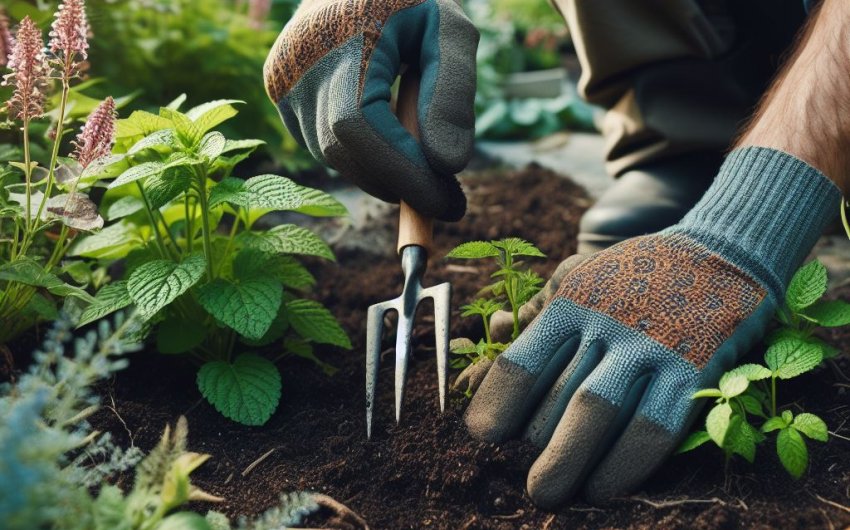
Engaging in weed warfare to combat unwanted competition is a fundamental and continuous battle for any gardener aiming for a thriving, productive space. Weeds are relentless in their quest for resources, and mastering effective strategies to control them is crucial for ensuring your prized plants flourish. By understanding weed biology and employing a combination of preventative measures and timely interventions, you can win the fight against unwanted competition, allowing your garden to truly thrive.
Why Are Weeds Such a Problem for Gardeners?
Weeds are far more than just unsightly nuisances; they pose a significant threat to the health, productivity, and aesthetic appeal of any garden, making them the primary adversaries in effective weed warfare. Understanding why they are such a persistent problem is the first step in formulating robust strategies to combat unwanted competition. They are formidable foes that demand gardener attention.
What Harm Do Weeds Inflict on Your Garden?
Weeds are aggressive and opportunistic, directly impacting your desirable plants and making gardening more challenging. Their presence creates a constant struggle for resources.
- Competition for Resources (The Biggest Threat):
- Mechanism: Weeds grow quickly and are highly efficient at absorbing essential resources from the soil, including water, nutrients, and sunlight.
- Impact: They directly outcompete your desired plants for these vital elements. This "resource drain" stunts the growth of your vegetables, flowers, and shrubs, leading to reduced vigor, smaller harvests, and sometimes even plant death.
- Harboring Pests and Diseases:
- Mechanism: Dense weed growth creates a sheltered, often humid microclimate that provides ideal breeding grounds and habitats for pests (e.g., slugs, snails, aphids, spider mites) and disease-causing fungi and bacteria.
- Impact: Weeds can act as alternate hosts for diseases, allowing pathogens to persist and then spread to your garden plants. They make your garden more susceptible to outbreaks.
- Reduced Air Circulation:
- Mechanism: A thick carpet of weeds around your plants impedes airflow, especially at the base of the plants.
- Impact: Stagnant, humid conditions around plant foliage increase the risk of fungal diseases like powdery mildew, downy mildew, and various blights.
- Interference with Harvesting and Maintenance:
- Mechanism: Weeds can grow through and around your crops, making it difficult and often painful to access and harvest fruits and vegetables. They can also get tangled around support structures.
- Impact: Harvesting becomes a chore, and sometimes desirable plants get damaged during weeding.
- Seed Production and Future Problems:
- Mechanism: If allowed to flower and go to seed, a single weed plant can produce hundreds or even thousands of seeds, which can remain viable in the soil for years, or even decades.
- Impact: This perpetuates the weed problem, creating a constant supply of new weeds for many future growing seasons, making effective weed warfare critical.
- Aesthetic Degradation:
- Mechanism: Visually, a garden choked with weeds looks messy, unkempt, and neglected.
- Impact: Reduces the enjoyment and beauty of your garden space.
By understanding the diverse and detrimental impacts of weeds, gardeners can approach weed warfare with the necessary determination, implementing robust strategies to combat unwanted competition and cultivate a flourishing, productive, and beautiful garden.
How Do You Prevent Weeds from Taking Over Your Garden?
Preventing weeds from taking over your garden is the most effective and least labor-intensive strategy in weed warfare, focusing on proactive measures that stop weeds before they even start. By creating an inhospitable environment for weed seeds and disrupting their life cycles, you can significantly reduce their presence and keep your garden flourishing. This preventative approach is the cornerstone of effective strategies to combat unwanted competition.
What Are the Best Preventative Strategies?
These methods create an ongoing defense against weeds, minimizing their opportunity to germinate and establish in your garden beds. They are essential tricks for combating unwanted competition.
- Mulching (The #1 Defense):
- Why it's crucial: A thick layer of mulch is your best friend in weed warfare. It works by blocking sunlight from reaching weed seeds, preventing them from germinating. It also smothers any small weeds already present.
- Type: Use organic mulches (shredded leaves, straw, wood chips, pine needles, grass clippings) for garden beds. They slowly decompose, enriching the soil. Or use inorganic mulches (weed barrier fabric, cardboard) for pathways.
- Application: Apply a 2-4 inch (5-10 cm) layer after planting, ensuring it's not piled directly against plant stems. Replenish annually. A garden mulch is an invaluable tool.
- Avoid Excessive Soil Disturbance (No-Dig/Minimum-Till):
- Why it's crucial: Most weed seeds lie dormant deep in the soil. Tilling or deep digging brings these dormant seeds to the surface, where they are exposed to light and oxygen, triggering germination.
- Practice: Embrace no-dig or minimum-till gardening. Once beds are initially prepared, avoid deep digging. Instead, build soil fertility by adding organic matter to the surface.
- Close Planting / Intensive Gardening:
- Why it works: Planting your desirable vegetables closer together (e.g., using Square Foot Gardening techniques) creates a dense canopy of foliage that shades the soil surface.
- Practice: This effectively mimics mulch, blocking sunlight and preventing weed seeds from germinating or outcompeting your crops.
- Crop Rotation:
- Why it works: Rotating different plant families to different areas of your garden each year can help disrupt weed life cycles. Some weeds are associated with specific crops or soil conditions.
- Practice: Don't plant the same crop family in the exact same spot year after year.
- Cleanliness and Sanitation:
- Why it works: Prevents new weed seeds from entering or establishing in your garden.
- Practice:
- Buy Clean Seeds/Plants: Ensure seeds are weed-free. Inspect nursery plants for weeds in their pots.
- Clean Tools: After weeding, clean your tools to avoid transporting weed seeds to other parts of the garden.
- Don't Let Weeds Go to Seed: This is paramount! If a weed gets established, pull it before it flowers and sets seed.
- Compost Wisely: Do not put weeds with mature seeds or persistent roots (e.g., bindweed, quackgrass) into your compost pile unless you know your compost pile gets hot enough to kill seeds and pathogens.
- Edging and Barriers:
- Why it works: Physically stops weeds from encroaching from adjacent lawns or uncultivated areas.
- Practice: Install permanent edging (metal, plastic, stone, wood) around your garden beds. A garden bed edging kit can create clean lines.
- Cover Crops:
- Why it works: Planting specific crops in the off-season or in fallow areas.
- Practice: Cover crops like clover or cereal rye actively suppress weeds, prevent erosion, and improve soil health, reducing future weed pressure.
By diligently implementing these preventative strategies, you wage effective weed warfare, actively combating unwanted competition, and ensuring your garden remains largely weed-free and flourishing, making your gardening efforts far more productive and enjoyable.
How Do You Effectively Remove Weeds Once They've Appeared?
Even with the best preventative strategies, weeds inevitably appear, making effective removal a necessary part of your ongoing weed warfare. The key is to act promptly and choose the right method for the type and size of the weed, minimizing disturbance to your desirable plants. Timely intervention is a crucial trick for strategies to combat unwanted competition.
What Are the Best Methods for Weed Removal?
These targeted methods address weeds once they've emerged, ensuring their efficient and thorough removal to protect your garden plants. They are essential tips for combating unwanted competition.
- Hand Weeding (Early and Often):
- How it works: Physically pulling weeds out by hand.
- Why it's best: Most effective for small, young weeds before their roots establish deeply. It's precise, allowing you to remove weeds without disturbing nearby desirable plants.
- Best Time: After rain or a thorough watering when the soil is soft and moist. Weeds pull out much more easily, root and all.
- Technique: Grip the weed firmly at its base, close to the soil, and pull straight up. Try to get the entire root system.
- Tip: A hand weeding tool with a fork tip can help loosen soil around stubborn taproots.
- Hoeing:
- How it works: Uses a garden hoe to cut weeds off at or just below the soil line.
- Why it's effective: Quick and efficient for larger areas of young, shallow-rooted weeds.
- Best Time: On a dry, sunny day. The cut weeds will quickly dry out and die, preventing re-rooting.
- Technique: Use a sharp hoe (a stirrup hoe or collinear hoe is very effective for this) with a shallow, sweeping motion.
- Caution: Avoid hoeing too deeply, which can bring dormant weed seeds to the surface, creating more weeds. Also, be careful not to damage the roots of your desirable plants.
- Smothering/Solarization (for Large Areas):
- How it works:
- Smothering: Cover a section of weeds with thick layers of cardboard or newspaper, then top with organic mulch. This blocks light and smothers the weeds over several weeks or months.
- Solarization: For a sunnier, hotter area, cover a section of wet soil tightly with clear plastic sheeting for 4-6 weeks in summer. The sun's heat "cooks" the weeds and sterilizes the top layer of soil.
- Why it's effective: Kills a large area of weeds without chemicals.
- Best for: Preparing new garden beds or clearing heavily infested areas before planting.
- How it works:
- Flame Weeding (with Caution):
- How it works: Uses a specialized propane torch to briefly blast weeds with intense heat, causing plant cells to rupture and the weed to die.
- Why it's effective: Kills small, tender weeds quickly.
- Caution: Requires extreme care, especially near dry materials or desirable plants. Not for use on large, established weeds with deep root systems. Use only on very young, newly sprouted weeds.
- Weed-Specific Herbicides (Chemicals as a Last Resort):
- How it works: Chemicals designed to kill plants.
- Why it's a last resort: Can be harmful to beneficial insects, soil life, and potentially your desirable plants if misapplied.
- Caution: If using, always choose selective, targeted herbicides (e.g., broadleaf weed killer for weeds in lawns, NOT in garden beds). Read and follow ALL label instructions precisely. Avoid using systemic herbicides near food crops. Organic herbicides (e.g., vinegar-based) often burn tops but don't kill deep roots.
After removal, always dispose of weeds properly. Do not leave weeds with roots or seeds in the garden bed, or they will simply reroot or spread more seeds. Place them in a designated compost pile (if you know it gets hot enough to kill seeds) or in the garbage. By diligently employing these effective removal methods, you engage in successful weed warfare, actively combating unwanted competition and ensuring your garden remains clean, healthy, and flourishing.
How Can Mulching Be Your Best Ally in Weed Warfare?
Mulching is arguably the single most effective and versatile strategy in weed warfare, serving as your garden's best ally in combating unwanted competition. Its multifaceted benefits extend far beyond just blocking weeds, making it an indispensable tool for maintaining a healthy, productive, and low-maintenance garden. Implementing proper mulching is a cornerstone of garden wisdom for vegetable gardening.
What Are the Key Benefits of Mulching for Weed Control?
Mulch tackles weeds on multiple fronts while simultaneously improving overall garden health, proving its invaluable role in your strategies to combat unwanted competition.
- Blocks Sunlight (Primary Weed Control): This is the most important mechanism. A thick layer of mulch prevents sunlight from reaching dormant weed seeds in the soil. Without light, these seeds cannot germinate, dramatically reducing the number of new weeds that sprout.
- Smothers Existing Weeds: A sufficient layer of mulch can also smother small, newly emerged weeds, depriving them of light and air, causing them to die back.
- Reduces Weed Growth: Even if some persistent weeds manage to sprout through a thin mulch layer, they will be weaker and easier to pull because they expend more energy trying to reach the light.
- Conserves Soil Moisture: Mulch acts as an insulating blanket, significantly reducing water evaporation from the soil surface. This means you'll need to water your garden less frequently, saving time and water. This is crucial during dry spells.
- Regulates Soil Temperature: Mulch helps keep soil temperatures cooler in summer (protecting roots) and warmer in winter (protecting plants from frost heave), creating a more stable environment for your desirable plants.
- Improves Soil Health (Organic Mulch): As organic mulches (e.g., shredded leaves, compost, straw) slowly decompose, they add organic matter to the soil. This improves soil structure (aeration, drainage, water retention), provides slow-release nutrients, and feeds beneficial soil microorganisms.
- Prevents Erosion: Mulch protects bare soil from the erosive forces of wind and rain, keeping precious topsoil in place.
- Keeps Produce Clean: For ground-hugging crops like strawberries, cucumbers (if not trellised), or melons, mulch keeps the fruits off the soil, resulting in cleaner produce.
- Aesthetic Appeal: A neat layer of mulch gives the garden a finished, tidy, and attractive appearance.
What Are the Best Types of Mulch for Weed Control?
Choosing the right mulch depends on your garden's needs, budget, and aesthetic preferences. They are effective solutions for depleted earth and powerful tools in weed warfare.
- Organic Mulches (Decompose, Enrich Soil):
- Shredded Leaves: Free, abundant in fall, decompose into rich leaf mold. Excellent all-around.
- Straw: Lightweight, good insulator, breaks down slowly. Be sure it's "seed-free" straw, not hay (which often contains weed seeds). A bale of straw for gardening is a versatile choice.
- Wood Chips/Bark Mulch: Long-lasting, very aesthetic, good for perennial beds and pathways. Use aged wood chips as fresh ones can temporarily tie up nitrogen.
- Compost: While excellent for soil, a thin layer may not fully suppress weeds. Often used under another mulch.
- Grass Clippings: Use in thin layers (1-2 inches) to prevent matting and odor. Ensure they are from a lawn not treated with herbicides.
- Inorganic Mulches (Long-Lasting, No Soil Enrichment):
- Weed Barrier Fabric: Blocks light and allows water/air through. Often covered with decorative mulch.
- Cardboard/Newspaper: Excellent for suppressing existing weeds and starting new beds (layer under organic mulch).
- Gravel/Stone: For pathways or permanent beds where soil enrichment isn't desired. Does not enrich soil.
How to Apply Mulch Effectively:
- Weed First: Always remove any existing weeds from the area before applying mulch.
- Apply to Moist Soil: Water the area thoroughly before mulching to trap moisture in the soil.
- Layer Thickness: Apply a 2-4 inch (5-10 cm) layer of mulch. Thinner layers are less effective; thicker layers can sometimes smother plants.
- Keep Away from Stems: Create a small "donut" of mulch around the base of plants (1-2 inches away from the stem) to prevent rot.
- Replenish: Organic mulches decompose over time, so replenish the layer annually or as needed.
By consistently making mulching a cornerstone of your garden care, you harness its incredible power in weed warfare, actively combating unwanted competition and ensuring your garden remains flourishing, healthy, and productive.
How Can Crop Rotation Be a Strategic Weapon in Weed Warfare?
Crop rotation is a sophisticated and highly effective strategy in weed warfare, acting as a proactive weapon that disrupts the life cycles of specific weeds and helps maintain overall soil health. By systematically changing what you plant in different areas of your garden each season, you confuse weeds, prevent their buildup, and minimize their ability to outcompete your desirable crops. This long-term planning is a cornerstone of garden wisdom for vegetable gardening.
What Is Crop Rotation?
Crop rotation is the practice of planting different types of crops in the same area of your garden in successive growing seasons. It's an ecological approach that mimics nature's diversity to enhance soil health and plant resilience. It's a key trick for strategies to combat unwanted competition.
- Family Groupings: Instead of individual crops, plants are typically rotated by plant family (e.g., Brassicas, Legumes, Solanaceae, Root Crops, Alliums).
- Sequential Movement: You divide your garden into sections (e.g., 2, 3, or 4 distinct areas) and move plant families through these sections in a planned sequence over several years.
- Why it works: Different plant families have different nutrient requirements, root depths, and are susceptible to different pests and diseases. Rotating them disrupts these patterns.
How Does Crop Rotation Impact Weeds?
Crop rotation helps in weed warfare by disrupting the conditions that favor specific weed species and promoting a healthier soil environment. It's an indirect yet powerful strategy for combating unwanted competition.
- Confuses Weed Life Cycles: Certain weeds tend to associate with specific crops or respond to specific soil conditions created by those crops. By rotating, you change these conditions, making it harder for those weeds to get a foothold.
- Diverse Competition: Rotating different types of cash crops (e.g., a tall, dense crop followed by a short, spreading one) creates varied competition for light, water, and nutrients, making it harder for a single weed species to dominate.
- Improved Soil Health (Indirectly): Crop rotation helps maintain balanced soil fertility and structure. For example, nitrogen-fixing legumes (a common part of a rotation cycle) can improve soil health, which creates an environment where desirable plants are stronger competitors against weeds.
- Reduced Soil-Borne Weed Seeds (Long Term): While rotation doesn't instantly remove weed seeds, by maintaining healthier soil and encouraging competitive growth, it contributes to a less favorable environment for their persistent germination over the long run.
What Are the Benefits of Crop Rotation for Overall Garden Health?
Beyond weed control, crop rotation offers numerous advantages that contribute to a flourishing and productive garden, making it indispensable for vegetable gardening.
- Pest and Disease Management (Primary Benefit): This is the strongest argument for crop rotation. Many soil-borne pests and diseases are specific to certain plant families. By rotating crops, you break their life cycles, denying them a host plant in the same location year after year, dramatically reducing their buildup.
- Nutrient Balance: Different crops utilize different nutrients and absorb them from varying soil depths. Rotation ensures a more balanced use of soil nutrients, preventing specific elements from becoming depleted or excessively accumulated in one area. Nitrogen-fixing legumes (like beans and peas) enrich the soil for subsequent crops.
- Improved Soil Structure: Different root systems (e.g., deep taproots of carrots or daikon radishes vs. fibrous roots of corn) can improve soil structure and aeration at various depths.
- Increased Yields: Healthier plants, fewer pests, and balanced nutrients all contribute to more vigorous growth and higher yields.
How to Implement a Simple Crop Rotation Plan:
- Divide Your Garden: Break your garden into 3-4 distinct sections or beds.
- Group by Family: Organize your vegetables into major plant families:
- Heavy Feeders (Fruiting Crops): Tomatoes, peppers, eggplant, squash, corn.
- Root Crops: Carrots, beets, radishes, potatoes, onions.
- Leafy Greens/Brassicas: Lettuce, spinach, kale, cabbage, broccoli, cauliflower.
- Legumes (Nitrogen Fixers): Beans, peas.
- Rotate Annually: Each year, rotate each family group to a different section. Over 3-4 years, no plant family will grow in the same spot, thus disrupting pest and disease cycles and managing pH levels for healthy plants.
| Year 1 | Section 1 | Section 2 | Section 3 | Section 4 (Optional) |
|---|---|---|---|---|
| Year 1 | Heavy Feeders | Root Crops | Legumes | Brassicas |
| Year 2 | Root Crops | Legumes | Brassicas | Heavy Feeders |
| Year 3 | Legumes | Brassicas | Heavy Feeders | Root Crops |
| Year 4 | Brassicas | Heavy Feeders | Root Crops | Legumes |
By making crop rotation a strategic weapon in your weed warfare, you embrace a core principle of garden wisdom. This proactive approach ensures a healthier, more productive, and less pest-ridden garden, effectively combating unwanted competition and helping your garden flourish for years to come.