
Ice Plant Splendor: Cool Elegance in Your Garden
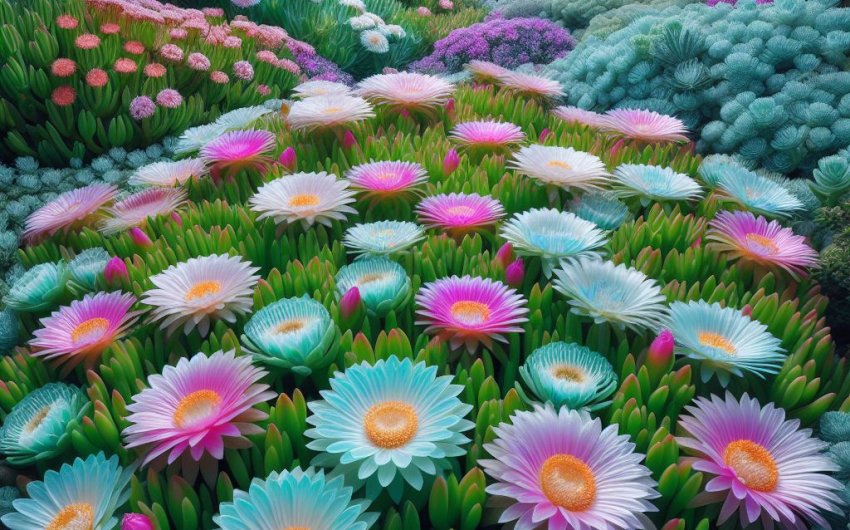
Ice plant splendor offers a unique blend of cool elegance and vibrant color to any garden, proving that beauty doesn't have to be high-maintenance. These drought-tolerant succulents, known for their shimmering, jewel-toned blooms and carpet-like growth, thrive in sunny, dry conditions where other plants might falter. By incorporating ice plants, you can effortlessly introduce a low-growing, dazzling display that brings year-round interest and an undeniable touch of cool elegance to your landscape.
What is an Ice Plant and Why is it Called That?
An ice plant refers to a diverse group of succulent groundcovers primarily belonging to the genera Delosperma and Lampranthus, though other genera are sometimes included. They are native to South Africa, where they thrive in arid and semi-arid environments. What makes them unique and gives them their intriguing name is the presence of tiny, bladder-like cells on their leaves and stems that glisten like frost or ice crystals in the sunlight. These shimmering cells give the foliage a frosty, almost translucent appearance, hence "ice plant." Beyond this captivating foliage, they are celebrated for their incredibly bright, daisy-like flowers that bloom prolifically, creating a carpet of jewel-toned color in sunny, dry locations.
What Are the Ideal Growing Conditions for Ice Plants?
To truly experience ice plant splendor in your garden, providing their ideal growing conditions is paramount, ensuring they establish quickly, bloom profusely, and thrive with minimal intervention. These hardy succulents are not demanding, but they do have specific preferences that mirror their native South African landscapes. Meeting these core requirements will guarantee cool elegance in your garden.
- Sunlight (Full Sun is Essential):
- Ice plants absolutely demand full sun, meaning at least 6-8 hours of direct sunlight per day.
- Insufficient light will result in leggy, sparse growth, reduced flowering, and a less vibrant display. The more sun they receive, the denser their growth and the more abundant their blooms will be.
- Impact: Maximize light exposure for brilliant, shimmering foliage and a carpet of vivid flowers.
- Soil (Excellent Drainage is Critical):
- This is the most crucial factor after sunlight. Ice plants require exceptionally well-drained soil. They are highly intolerant of "wet feet" or heavy, constantly moist soils, which will quickly lead to root rot.
- They thrive in sandy, gritty, or rocky soils, which mimic their native arid environments.
- pH: They are adaptable to a wide range of soil pH, from slightly acidic to slightly alkaline (pH 6.0-8.0), but good drainage remains the priority.
- Improve Drainage: If your soil is heavy clay, amend it generously with horticultural sand, perlite, or fine gravel. Raised beds or rock gardens are ideal.
- Water (Drought Tolerant Once Established):
- Once established (typically after their first year), ice plants are highly drought-tolerant. Their succulent leaves store water, allowing them to endure long dry spells.
- Establishment: Young plants will need more consistent moisture during their first growing season to develop a strong root system. Water thoroughly when the top few inches of soil are dry.
- Mature Plants: Water sparingly during hot, dry periods, allowing the soil to dry out completely between waterings. Overwatering is the most common cause of failure for established ice plants.
- Temperature (Heat and Cold Tolerance):
- Heat: They are extremely heat tolerant and thrive in hot, dry summers.
- Cold Hardiness: Many Delosperma species are surprisingly cold-hardy, surviving winters in USDA Zones 5-10, depending on the variety. Lampranthus species are generally less cold-hardy, typically Zones 8-10. Always check the specific variety's hardiness.
- Winter Wetness: Even cold-hardy varieties are more vulnerable to winter rot if kept in cold, wet soil. Excellent winter drainage is essential.
- Air Circulation:
- Good air circulation helps prevent any potential fungal issues, though ice plants are generally very disease resistant due to their succulent nature.
By ensuring these conditions are met, you will cultivate a robust, flourishing patch of ice plant splendor, effortlessly bringing cool elegance to your garden through these low-maintenance, dazzling succulents.
Which Ice Plant Varieties Offer the Most Splendor?
To achieve true ice plant splendor in your garden, choosing the right varieties is key, as different species and cultivars offer distinct colors, bloom times, and hardiness levels. Focusing on these top-performing ice plant varieties will ensure a dazzling, low-maintenance display that brings cool elegance to your garden throughout the season.
What Are Excellent Choices for Vibrant Blooms and Hardiness?
These varieties are celebrated for their brilliant, long-lasting flowers and their ability to thrive in challenging, sunny, and dry conditions, making them ideal for an impressive display.
- Delosperma cooperi (Hardy Ice Plant):
- Why it offers splendor: A widely popular and incredibly hardy species, surviving down to USDA Zone 5. It produces a carpet of shimmering, iridescent magenta-purple flowers that bloom prolifically from late spring through fall. Its succulent leaves have that classic "ice" sparkle.
- Care Tip: Very drought-tolerant once established. Needs excellent drainage, especially in winter. A Delosperma cooperi plant is a reliable choice.
- *Delosperma 'Kelaidis' (Mesa Verde Ice Plant):
- Why it offers splendor: Another very hardy (Delosperma) cultivar, often noted for its slightly different color palette. It blooms with bright orange to salmon-pink flowers that have a unique, almost metallic sheen.
- Care Tip: Similar to Delosperma cooperi – loves sun and dry conditions.
- *Delosperma 'Jewel of Desert' Series:
- Why it offers splendor: This series includes many stunning cultivars with large, jewel-toned flowers in a wide range of vibrant colors, including 'Ruby' (red), 'Peridot' (yellow), 'Garnet' (orange-red), and 'Moonstone' (white). They are very cold-hardy and bloom prolifically.
- Care Tip: Excellent choice for a mix of colors, all with similar sun-loving, drought-tolerant needs.
- *Delosperma 'Fire Spinner':
- Why it offers splendor: A truly spectacular variety with tri-colored flowers featuring bright orange petals, a magenta-pink center, and a yellow eye. It creates an incredible fiery display. Hardy to Zone 5.
- Care Tip: Makes a dramatic statement in rock gardens or sunny borders.
- *Delosperma 'Red Mountain Flame':
- Why it offers splendor: Known for its brilliant fiery red and orange blooms that truly stand out. It’s another robust and cold-hardy selection.
- Lampranthus spectabilis (Trailing Ice Plant):
- Why it offers splendor: While generally less cold-hardy than Delosperma (typically Zone 8-10), Lampranthus species produce an incredible profusion of large, vivid, almost neon-colored flowers (pinks, purples, oranges, yellows) that completely cover the foliage in spring.
- Care Tip: Excellent for milder climates or as an annual in colder zones. Needs bright, direct sun and very well-drained soil. A Lampranthus trailing plant offers massive floral impact.
- Lampranthus aurantiacus (Orange Ice Plant):
- Why it offers splendor: A vibrant Lampranthus known for its pure orange-gold flowers that create a stunning, warm carpet of color.
When selecting ice plant varieties, always check their specific USDA hardiness zone to ensure they will survive winter in your climate. Focusing on these resilient and brilliantly flowering varieties ensures you cultivate true ice plant splendor, bringing cool elegance and dazzling color to your garden with minimal effort.
How Do You Plant Ice Plants for Optimal Growth and Spread?
Planting ice plants correctly is fundamental to ensuring their rapid establishment, vigorous spread, and spectacular display of blooms, laying the groundwork for true ice plant splendor. Because they are succulents designed for harsh conditions, precise planting methods maximize their chances of thriving and bringing cool elegance to your garden. This initial care sets them up for long-term success.
What Are the Key Steps for Planting Ice Plants?
Following these steps ensures your ice plants are settled into their new home in a way that promotes robust root development and minimizes stress. It's a crucial trick for creating cool elegance in your garden.
- Choose the Right Location (Sun and Drainage!):
- Sunlight: Select a spot that receives full sun (at least 6-8 hours of direct sunlight per day). The more sun, the better the blooms and denser the foliage.
- Drainage: This is paramount. Choose an area with exceptionally well-drained soil (sandy, gritty, rocky). Ice plants will not tolerate "wet feet" and will rot in heavy clay or constantly moist conditions. Ideal spots include rock gardens, slopes, between pavers, or in raised beds.
- Prepare the Soil:
- Improve Drainage: If your soil is heavy clay, amend it generously. Work in plenty of coarse sand, perlite, or fine gravel to a depth of 6-8 inches (15-20 cm). Adding a small amount of compost can improve overall structure without making it too rich. A bag of perlite for soil drainage is highly effective.
- pH: Ice plants are adaptable to a wide pH range (6.0-8.0), so major pH adjustments are usually not necessary if drainage is good.
- When to Plant:
- The best time to plant ice plants is in spring or early summer after all danger of frost has passed. This gives them a full growing season to establish their roots before winter sets in.
- In milder climates, early fall planting can also work, but spring is generally safer.
- Planting the Plants (from Pots):
- Gently remove the ice plant from its nursery pot. Handle with care, as stems can be somewhat brittle.
- Dig a hole that is just as deep as the root ball and about twice as wide.
- Place the plant in the hole, ensuring the top of the root ball is level with the surrounding soil surface. Do not plant too deep, as this can encourage rot around the crown.
- Backfill the hole with your amended soil, gently firming it around the plant's base to remove air pockets.
- Spacing:
- Space plants according to their mature spread (check the plant tag). Generally, 12-18 inches (30-45 cm) apart is a good starting point for a groundcover, as they will spread to fill in the gaps.
- Initial Watering:
- Water thoroughly immediately after planting to settle the soil around the roots.
- For the first few weeks, keep the soil consistently moist (but not soggy) to aid establishment.
- Mulching (Optional but Beneficial):
- Once established, a thin layer of gravel or small decorative pebbles can be used as an inorganic mulch.
- Benefits: This helps keep the succulent foliage off the moist soil (reducing rot risk), suppresses weeds, and enhances the aesthetic of a rock garden.
- Avoid: Avoid organic mulches like wood chips, as they can retain too much moisture around the succulent stems.
By meticulously following these planting steps, you set the stage for thriving ice plants, ensuring their rapid spread and dazzling display, thus effortlessly bringing cool elegance and ice plant splendor to your garden.
How Do You Care for Established Ice Plants for Continuous Blooms?
Caring for established ice plants is a surprisingly low-maintenance endeavor, reflecting their drought-tolerant and resilient nature, but a few key practices ensure continuous blooms and a vibrant display of ice plant splendor. Once settled, these hardy succulents ask for very little, allowing you to enjoy their cool elegance in your garden with minimal fuss.
What Are Essential Care Practices for Established Ice Plants?
These practices support the plant's natural vigor, promoting abundant flowering and long-term health, ensuring you're always keeping your garden flourishing. They are crucial tips for ice plant splendor.
- Watering (Sparingly!):
- Drought Tolerant: Once established (after the first year), ice plants are highly drought-tolerant. They store water in their succulent leaves.
- Frequency: Water sparingly and deeply only during prolonged dry spells or extreme heat. Allow the soil to completely dry out between waterings.
- Avoid Overwatering: This is the most common cause of failure for established ice plants, leading to root rot. If in doubt, don't water. A soil moisture meter for succulents can help confirm dryness.
- Winter: Reduce watering even further in winter, or cease entirely if you receive winter precipitation. Excellent winter drainage is paramount to prevent rot.
- Sunlight (Full Sun is Non-Negotiable):
- Ensure your ice plants continue to receive full sun (6-8+ hours of direct sunlight) throughout the day.
- Impact: Insufficient light will reduce flowering and lead to leggy, less vibrant growth.
- Fertilization (Minimal to None):
- Ice plants are adapted to lean, poor soils and generally do not need regular fertilization.
- Over-fertilization, especially with high-nitrogen fertilizers, can promote lush, weak growth at the expense of flowers and may even reduce cold hardiness.
- Practice: If your soil is extremely poor, a single, very light application of a balanced, slow-release granular fertilizer in early spring might be considered, but it's often unnecessary.
- Pruning / Deadheading (For Continuous Blooms):
- Deadheading: While not strictly necessary (many varieties self-clean), deadheading (removing spent flowers) can encourage more continuous blooming throughout the season, especially for Delosperma varieties.
- Light Shearing: For some varieties, a light shearing or trim after the main flush of blooms can rejuvenate the plant, encourage new growth, and promote a second wave of flowers.
- Tidying Up: Trim away any dead, brown, or unsightly foliage as needed to maintain a neat appearance. Use sharp plant snips.
- Weed Control (Easy!):
- Once established and spreading, ice plants form a dense mat that effectively smothers most weeds.
- Practice: Hand-pull any persistent weeds that manage to pop through, especially when they are young. The mulch layer (if inorganic) can further aid this.
- Pest and Disease Control (Rare):
- Ice plants are generally very pest and disease resistant, especially when grown in their preferred dry, sunny conditions.
- Main Issue: The primary problem is root rot due to overwatering or poor drainage.
- Pest: Occasionally, mealybugs or aphids might appear, but they are usually easily managed with a strong spray of water or insecticidal soap.
By adhering to these simple, largely hands-off care practices, your established ice plants will provide continuous blooms and maintain their cool elegance, ensuring a vibrant display of ice plant splendor in your garden year after year.
How Do Ice Plants Provide Year-Round Interest in Your Garden?
Ice plants are more than just a seasonal spectacle; they provide exceptional year-round interest in your garden, transforming spaces with their unique foliage, dazzling blooms, and enduring hardiness. Their ability to remain vibrant through multiple seasons, even in challenging conditions, makes them invaluable for consistent cool elegance in your garden, ensuring true ice plant splendor.
What Features Contribute to Year-Round Appeal?
Ice plants bring continuous charm through their distinct foliage, prolonged flowering, and resilience, providing beauty regardless of the season. They are truly versatile indoor plants for moisture balance.
- Shimmering Succulent Foliage (All Seasons):
- Impact: The most defining feature. Their tiny, bladder-like cells on the leaves glisten like frost, giving them a sparkling, almost jewel-like appearance that is present year-round. This unique texture and subtle shimmer catch the light even on dull days.
- Winter Color: Many varieties (especially Delosperma) maintain their green or sometimes take on reddish or purplish tints in colder weather, adding subtle color and texture to the winter landscape when other plants are dormant.
- Long and Profuse Bloom Season (Spring through Fall):
- Impact: Unlike many perennials that have a short bloom window, hardy ice plants (especially Delosperma species) produce a profusion of bright, daisy-like flowers that can last from late spring, through the heat of summer, and often well into fall, providing continuous waves of dazzling color.
- Visual Pop: Their vibrant pinks, purples, oranges, reds, and yellows stand out dramatically against their frosty foliage, offering a constant source of cheer.
- Low-Growing, Carpet-Like Growth (Year-Round Structure):
- Impact: Ice plants form a dense, low-growing mat or carpet, which acts as an attractive groundcover. This provides consistent texture and structure to the garden bed, rockery, or pathway throughout the year.
- Benefits: Defines edges, fills in spaces, and prevents soil erosion, especially on slopes.
- Exceptional Hardiness and Drought Tolerance (Resilience):
- Impact: Their ability to withstand intense heat, drought, and often significant cold (for hardy Delosperma varieties) means they maintain their presence and vitality even in extreme conditions.
- Benefits: Reliable and consistent performer, requiring minimal intervention once established.
What Are Design Tips for Year-Round Interest?
To truly highlight their year-round splendor, consider these design strategies in your garden. This ensures cool elegance in your garden.
- Rock Gardens: Plant ice plants in rock gardens or between pavers. The contrast between their soft texture/bright flowers and the hardscape is visually striking, and the rocks provide the perfect drainage they need.
- Slopes and Embankments: Use them for erosion control on sunny slopes. Their spreading habit provides consistent cover and beauty.
- Containers and Planters: In colder zones, plant Lampranthus or less hardy Delosperma in containers that can be moved to a protected location for winter, extending their season.
- Mass Plantings: For the most dramatic effect, plant a large mass of a single ice plant variety or a blend of complementary colors. This creates an impactful carpet of color and texture.
- Mixed Beds: Integrate ice plants as a groundcover or front-of-border plant in sunny perennial beds, providing a low-lying layer of continuous interest.
By celebrating the multifaceted charm of ice plants, you guarantee exceptional year-round interest in your garden, effortlessly weaving a tapestry of vibrant blooms and shimmering foliage that promises cool elegance and true ice plant splendor through every season.