
Joe Pye Weed Wonders: Towering Beauty in Your Garden
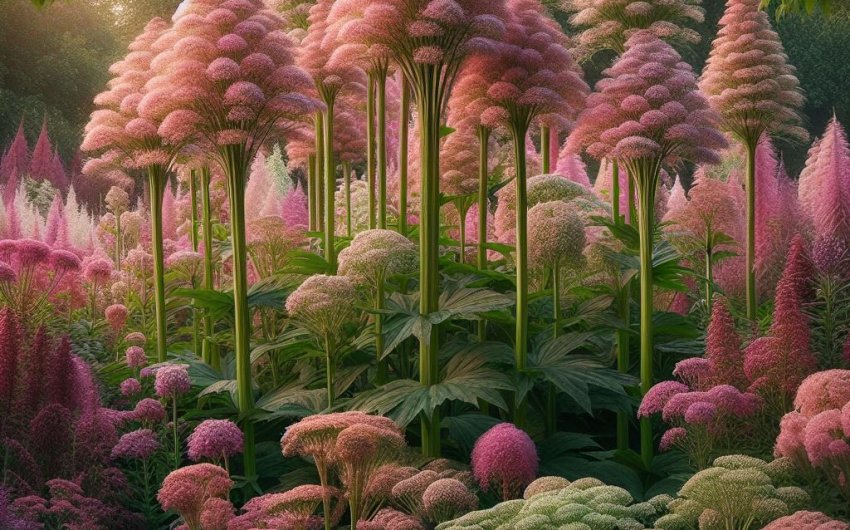
Joe Pye weed is a truly magnificent perennial that lives up to its "wonders" moniker, bringing towering beauty to your garden with its impressive stature and huge clusters of dusty rose to purple flowers. This native North American plant is a late-season showstopper, providing architectural height and an invaluable nectar source for pollinators when many other plants are fading. By incorporating Joe Pye weed, you can effortlessly create a dramatic and ecologically vital focal point that exudes majestic charm.
What is Joe Pye Weed and Why Is It a Garden Wonder?
Joe Pye weed, scientifically classified under the genus Eutrochium (formerly Eupatorium), is a remarkable group of tall, herbaceous perennial wildflowers native to wetlands, moist meadows, and woodland edges across North America. Far from being a "weed" in the pejorative sense, it is celebrated for its imposing stature, vibrant late-season blooms, and ecological significance, earning its place as a true garden wonder. These stately plants transform any landscape into a display of towering beauty.
What Makes Joe Pye Weed a Garden Wonder?
Its unique combination of impressive size, late-season charm, and ecological value sets it apart, making it an indispensable addition to many garden designs. It's a true example of Joe Pye weed wonders.
- Towering Height: This is its most striking feature. Many varieties can easily reach 5-8 feet (1.5-2.4 meters) tall, with some growing even taller, providing a majestic, architectural backdrop or focal point in the garden. This impressive height creates a sense of grandeur and structure.
- Late-Season Bloom Power: Joe Pye weed truly shines in late summer and early fall, when many other perennials are fading. It produces enormous, flat-topped clusters of dusty rose to lavender-purple flowers that can be several inches wide, providing a vibrant splash of color just when the garden needs it most.
- Pollinator Magnet: The vast flower heads are an irresistible magnet for pollinators, especially monarch butterflies, swallowtail butterflies, bees (including native bees), and other beneficial insects. It provides a crucial nectar source for these creatures as they prepare for migration or winter. Observing the flurry of activity around a blooming Joe Pye weed is a wonder in itself.
- Sturdy Structure: Despite its height, Joe Pye weed generally has strong, rigid stems that don't usually require staking, especially if grown in full sun. This robust habit contributes to its architectural presence.
- Low Maintenance and Adaptability: Once established, Joe Pye weed is surprisingly easy to care for, tolerating a range of soil types (as long as they are consistently moist) and being generally pest and disease resistant.
- Native Plant Benefits: As a native plant, it is naturally adapted to local climates, requires fewer inputs (water, fertilizer), and supports local ecosystems.
- Dramatic Visual Impact: Its sheer scale and mass of color create a dramatic visual impact, perfect for the back of a border, along a fence line, or as a statement plant.
By embracing Joe Pye weed, gardeners invite a plant that offers both breathtaking aesthetic appeal and vital ecological benefits, ensuring their garden is filled with towering beauty and a buzzing ecosystem. It truly lives up to its reputation as a Joe Pye weed wonder.
Which Joe Pye Weed Varieties Offer the Most Towering Beauty?
To achieve that magnificent display of towering beauty in your garden, choosing the right Joe Pye weed variety is essential, as different species and cultivars offer distinct heights, flower colors, and growth habits. Focusing on these top-performing types ensures you'll get the impressive stature and vibrant late-season blooms that define Joe Pye weed wonders.
What Are Excellent Choices for Impressive Height and Color?
These varieties are celebrated for their grandeur, robust growth, and dazzling floral displays, making them ideal for creating a dramatic statement in your garden. They truly are the definition of Joe Pye weed wonders.
- Eutrochium purpureum (Sweet Joe Pye Weed):
- Why it offers beauty: This is the classic species, typically growing 5-7 feet (1.5-2.1 meters) tall, sometimes taller, with upright, sturdy stems. It produces large, flat-topped clusters of dusty rose to mauve flowers in late summer. Its vanilla-scented leaves (when crushed) add a unique touch.
- Care Tip: Prefers moist to wet soil and full sun to partial shade. A Sweet Joe Pye Weed plant is a robust native.
- Eutrochium maculatum (Spotted Joe Pye Weed):
- Why it offers beauty: Can grow even taller than purpureum, reaching 6-8 feet (1.8-2.4 meters), and sometimes has purple-speckled stems. Its flower clusters are similar, often a rich rose-purple.
- Care Tip: Thrives in wet meadows and stream banks, making it excellent for rain gardens or consistently moist areas.
- Eutrochium fistulosum (Hollow Joe Pye Weed):
- Why it offers beauty: This is the tallest native species, often reaching 8-10 feet (2.4-3 meters) or more in ideal conditions, with hollow stems. Its flower heads are typically a light rose-pink to purple.
- Care Tip: Prefers moist to wet soil and full sun. Great for the very back of a large border.
- Eutrochium purpureum 'Gateway':
- Why it offers beauty: A very popular and slightly more compact cultivar, usually growing 5-6 feet (1.5-1.8 meters) tall, making it more manageable for average gardens. It produces dense, rosy-purple flower heads that are incredibly attractive to butterflies.
- Care Tip: A favorite for its reliable performance and slightly smaller size.
- Eutrochium dubium 'Little Joe':
- Why it offers beauty: A truly dwarf cultivar, reaching only 3-4 feet (0.9-1.2 meters) tall. This makes it perfect for smaller gardens, containers, or the mid-border, where you still want the Joe Pye weed charm without the towering height. It produces abundant mauve-pink flowers.
- Care Tip: Ideal for gardeners with limited space who still want Joe Pye weed wonders.
- Eutrochium dubium 'Baby Joe':
- Why it offers beauty: Even more compact than 'Little Joe', typically growing only 2-3 feet (0.6-0.9 meters) tall, making it suitable for even smaller spaces or mixed perennial containers. It produces dense clusters of purple-pink flowers.
- Care Tip: The smallest option, great for front-of-border or patio pots.
- Eutrochium maculatum 'Atropurpureum':
- Why it offers beauty: A striking cultivar known for its dark purple stems that provide architectural interest even before flowering. The large, flat-topped flower clusters are a rich deep purple.
- Care Tip: Provides great contrast with green foliage from other plants.
When selecting, always check the mature height and spread of the specific cultivar to ensure it fits your garden space. Choosing these robust and brilliantly flowering varieties ensures you cultivate true Joe Pye weed wonders, bringing towering beauty and a buzzing ecosystem to your garden for years to come.
What Are the Ideal Growing Conditions for Joe Pye Weed?
To truly experience the towering beauty and ecological benefits of Joe Pye weed wonders in your garden, providing their ideal growing conditions is paramount. These native perennials are relatively adaptable, but they do have specific preferences that, when met, ensure vigorous growth, profuse flowering, and long-term health. Replicating their natural habitat will guarantee a magnificent display.
What Are the Essential Environmental Needs?
Meeting these core requirements ensures your Joe Pye weed plants not only survive but truly thrive, embodying their wonder in your landscape. These are key tricks for vegetable gardening.
- Sunlight (Full Sun to Partial Shade):
- Preference: Joe Pye weed thrives in full sun (at least 6-8 hours of direct sunlight per day). In full sun, stems will be sturdier, and flowering will be more abundant.
- Tolerance: It can tolerate partial shade (4-6 hours of sun, especially morning sun), but in too much shade, plants can become leggy and may require staking, and flowering will be reduced.
- Impact: Maximize light exposure for the strongest, most floriferous growth.
- Soil (Consistently Moist and Rich):
- Moisture: This is perhaps the most critical factor. Joe Pye weed naturally grows in moist meadows, swamps, and stream banks. It requires consistently moist soil throughout the growing season. It does not tolerate prolonged dry spells.
- Drainage: While it loves moisture, it still appreciates well-drained soil. It doesn't want to sit in standing water, but it should never dry out.
- Fertility: Prefers rich, fertile soil high in organic matter. This provides the nutrients necessary to support its vigorous growth and impressive height.
- pH: Adaptable to a wide range of soil pH, from slightly acidic to neutral (pH 6.0-7.0), but its preference for consistently moist, organic-rich soil is more important.
- Improve Soil: If your soil is poor or drains too quickly, amend it generously with compost or leaf mold.
- Water (Abundant and Consistent):
- Necessity: Due to its large size and preference for moist environments, Joe Pye weed is a heavy drinker and will require regular, deep watering, especially during dry periods and intense summer heat.
- Avoid Drought: Do not allow the soil to dry out completely.
- Method: Water at the base of the plant to keep foliage dry, reducing potential for fungal issues. A garden hose with a gentle shower setting can provide ample moisture.
- Temperature (Cold Hardy):
- Joe Pye weed is exceptionally cold hardy, typically surviving winters in USDA Zones 3 through 9, depending on the species and cultivar. It thrives in temperate climates with cold winters.
- Air Circulation:
- Good air circulation helps prevent any potential fungal issues, though Joe Pye weed is generally quite disease resistant. Proper spacing between plants helps.
By meticulously ensuring these ideal conditions, especially consistent moisture and ample sun, you will cultivate a robust, flourishing patch of Joe Pye weed wonders, effortlessly bringing towering beauty and a buzzing ecosystem to your garden for years to come. This is essential garden wisdom for vegetable gardening.
How Do You Plant Joe Pye Weed for a Stunning Display?
Planting Joe Pye weed correctly is fundamental to ensuring its rapid establishment, vigorous growth, and spectacular display of late-season blooms, laying the groundwork for true Joe Pye weed wonders. Because it's a large, statement perennial, careful placement and initial care maximize its chances of thriving and bringing towering beauty to your garden. This thoughtful planting sets it up for long-term success.
What Are the Key Steps for Planting Joe Pye Weed?
Following these steps ensures your Joe Pye weed is settled into its new home in a way that promotes robust root development and minimizes stress, preparing it to be a showstopper. These are essential tips for vegetable gardening.
- Choose the Right Location (Sun and Moisture!):
- Sunlight: Select a spot that receives full sun (at least 6-8 hours of direct sunlight per day) to encourage sturdy stems and abundant flowering. Partial shade (4-6 hours) is tolerated, but plants may be leggier.
- Moisture: This is paramount. Choose an area with consistently moist soil. Joe Pye weed thrives in wet meadows or near water sources, so it's excellent for rain gardens, low spots, or areas where you can provide consistent supplemental water.
- Space: Plan for its mature size! Most varieties are large, so give them ample room (e.g., 3-5 feet / 0.9-1.5 meters apart for mature clumps) so they don't overcrowd other plants. It is a towering beauty.
- Prepare the Soil:
- Improve Drainage (if too wet): While it loves moisture, it still needs decent drainage to prevent root rot. If you have extremely heavy, compacted clay, work in compost and perhaps a small amount of grit to improve structure.
- Enhance Fertility/Moisture Retention: Joe Pye weed thrives in rich, fertile soil high in organic matter. Amend your planting area generously. Work 2-4 inches (5-10 cm) of compost or leaf mold into the top 8-12 inches (20-30 cm) of existing soil.
- pH: Most varieties are adaptable to slightly acidic to neutral pH (6.0-7.0), which most organic-rich soils provide.
- When to Plant:
- The best time to plant Joe Pye weed is in spring or early fall.
- Spring: After the danger of the last hard frost has passed, gives the plant the entire growing season to establish.
- Early Fall: Gives roots time to establish before winter dormancy.
- Avoid: Planting in the peak of summer heat, as it will struggle with establishment in very hot, dry conditions.
- Planting the Plants (from Pots):
- Dig a hole that is twice as wide as the root ball and just as deep.
- Gently remove the plant from its nursery pot. Loosen any circling roots at the bottom.
- Place the plant in the hole, ensuring the top of the root ball is level with the surrounding soil surface. Do not plant too deep.
- Backfill the hole with your amended soil, gently firming it around the plant's base to remove air pockets.
- Initial Watering (Crucial):
- Water thoroughly immediately after planting to settle the soil around the roots.
- For the first growing season, keep the soil consistently moist (never dry!) to aid establishment.
- Mulching (Highly Recommended):
- Apply a 2-4 inch (5-10 cm) layer of organic mulch (shredded leaves, compost, wood chips) around the base of the plant, keeping it a few inches away from the stems.
- Benefits: Mulch helps retain consistent soil moisture (vital for Joe Pye weed), suppresses weeds, and adds organic matter as it decomposes.
By meticulously following these planting steps, you set the stage for thriving Joe Pye weed wonders, ensuring their rapid establishment and magnificent display, effortlessly bringing towering beauty to your garden. This expertise is a key part of garden wisdom for vegetable gardening.
How Do You Care for Established Joe Pye Weed for Abundant Blooms?
Caring for established Joe Pye weed is a surprisingly low-maintenance endeavor, reflecting its robust, native perennial nature, but a few key practices ensure abundant blooms and a magnificent display of Joe Pye weed wonders. Once settled, these stately plants primarily ask for consistent moisture and occasional pruning, allowing them to bring towering beauty to your garden year after year.
What Are Essential Care Practices for Established Joe Pye Weed?
These practices support the plant's natural vigor, promoting profuse flowering and long-term health, ensuring you're always keeping your garden flourishing. They are crucial tips for abundant flowering.
- Watering (Consistently Moist is Key):
- High Demand: Joe Pye weed is a heavy drinker. Once established, it requires consistently moist soil throughout the growing season.
- Frequency: Water deeply and regularly, especially during dry spells and intense summer heat. Do not allow the soil to dry out completely.
- Method: Water at the base of the plant to keep foliage dry, reducing any potential for fungal issues. A garden hose with a soaker attachment is efficient for deep watering.
- Impact: Consistent moisture directly translates to taller, stronger stems and larger, more abundant flower heads.
- Sunlight (Full Sun for Sturdy Stems):
- Ensure your Joe Pye weed continues to receive full sun (6-8+ hours of direct sunlight) for the sturdiest stems and most profuse flowering.
- Impact: In too much shade, plants can become leggy and floppy, potentially requiring staking.
- Fertilization (Minimal to Moderate):
- Joe Pye weed is a vigorous grower and benefits from rich, fertile soil. If your soil is good and amended with compost, heavy fertilization is often unnecessary.
- Practice: A single, light application of a balanced, slow-release granular fertilizer in early spring can be beneficial. Alternatively, a top-dressing of 1-2 inches of compost in spring provides gentle, slow-release nutrients and improves soil structure.
- Avoid: Excessive nitrogen, which can promote lush foliage at the expense of flowers or make stems weaker.
- Pruning (For Height Management and Bushiness):
- Early Spring Pruning (Optional, for height/bushiness):
- Method: In early spring, once new growth emerges (about 6-12 inches tall), you can "pinch back" or cut back the stems by about one-third.
- Impact: This encourages branching, resulting in a bushier plant with more (but slightly smaller) flower heads, and can reduce the overall mature height, preventing flopping. This is a common trick for vegetable gardening.
- Fall/Winter Pruning (Optional, for aesthetics/wildlife):
- Method: After flowering, you can leave the faded flower heads standing for winter interest and a food source for birds, or cut them back to the ground in late fall/early winter for a tidier look.
- Impact: Leaving them standing provides shelter and food for wildlife, and allows you to enjoy their architectural beauty. Pruning encourages clean regrowth in spring. Use sharp garden pruners.
- Early Spring Pruning (Optional, for height/bushiness):
- Staking (Rarely Needed, if in Full Sun):
- In full sun, Joe Pye weed usually has sturdy stems and does not require staking.
- If needed: If plants are leggy due to too much shade or very rich soil, use strong stakes or a grow-through cage to provide support before they reach full height.
- Pest and Disease Control (Generally Resistant):
- Joe Pye weed is generally pest and disease resistant.
- Main Issue: Fungal issues (like powdery mildew) can occur in too much shade, with poor air circulation, or in overly wet (but not well-drained) conditions. Ensure good spacing and water at the base.
- Pests: Occasionally bothered by aphids, which can be sprayed off with water or insecticidal soap.
By adhering to these simple care practices, your established Joe Pye weed will reward you with abundant blooms and maintain its towering beauty, ensuring a magnificent display of Joe Pye weed wonders in your garden year after year.
How Can Joe Pye Weed Attract Pollinators and Wildlife to Your Garden?
Joe Pye weed is an absolute powerhouse for attracting pollinators and supporting local wildlife, making it an indispensable plant for any ecologically-minded gardener. Its late-season bloom time and vast nectar resources make it a vital pit stop for beneficial insects and migrating butterflies, bringing incredible life and activity to your landscape. This profound ecological role truly solidifies its status as one of nature's great garden wonders.
What Makes Joe Pye Weed a Pollinator Magnet?
The specific characteristics of Joe Pye weed's flowers and bloom time make it uniquely attractive and beneficial to a wide array of pollinators. It's a champion of natural pest control.
- Late-Season Bloom Time: This is a crucial factor. Joe Pye weed blooms from late summer through early fall, a period when many other flowering plants are starting to fade.
- Impact: It provides a critical and much-needed source of nectar and pollen for pollinators that are still active, particularly monarch butterflies preparing for their migration south, and bees stocking up for winter.
- Abundant, Flat-Topped Flower Clusters: The enormous, dense flower heads are composed of hundreds of tiny individual flowers. Their flat-topped structure provides a perfect landing pad for larger insects like butterflies, allowing them to rest and feed efficiently.
- Impact: Offers a massive feast for numerous insects simultaneously.
- Rich Nectar Source: Joe Pye weed is known to be an excellent source of high-quality nectar, providing the energy that butterflies and bees need for their metabolic activities.
- Native Plant Advantage: As a native plant, its nectar and pollen are perfectly adapted to and recognized by native North American insects, ensuring efficient energy transfer.
Which Pollinators and Wildlife Does Joe Pye Weed Attract?
Joe Pye weed's towering beauty and abundant flowers create a bustling hub of activity in the garden, attracting a diverse array of beneficial creatures. It's a true ecosystem enhancer.
- Butterflies (Especially Monarchs!):
- Attraction: Joe Pye weed is a prime monarch butterfly host plant in late summer, providing essential fuel for their long migration. It also attracts swallowtails (Eastern Tiger, Black, Spicebush), Painted Ladies, Fritillaries, and many other butterfly species.
- Observation: You will often see multiple butterflies fluttering around and feeding on a single plant, making it a joy to watch.
- Bees:
- Attraction: All types of bees, including honeybees and various native bee species (bumblebees, long-horned bees), are drawn to the copious nectar and pollen.
- Impact: Supports healthy bee populations, which are vital for pollinating other plants in your garden (including vegetables!) and in the wider ecosystem.
- Other Beneficial Insects:
- Attraction: The small flowers and overall plant structure attract other beneficial insects like hoverflies (whose larvae eat aphids), wasps, and beetles.
- Impact: Contributes to natural pest control in your garden, reducing reliance on chemical sprays.
- Hummingbirds (Less Common but Possible):
- While not a primary magnet, hummingbirds may occasionally visit the tubular flowers for nectar.
- Birds (Indirectly):
- After flowering, if left standing, the seed heads can provide a minor food source for some small birds in late fall/early winter.
- The dense structure can also offer temporary shelter.
By planting Joe Pye weed, you actively create a vibrant ecological hub in your garden. This not only enhances its towering beauty but also supports crucial pollinator populations and local wildlife, making it an invaluable addition for any gardener seeking garden wisdom and looking to foster a thriving, healthy ecosystem. These Joe Pye weed wonders contribute significantly to the overall health and biodiversity of your landscape.
How Can Joe Pye Weed Be Incorporated into Garden Design?
Incorporating Joe Pye weed into your garden design allows you to leverage its towering beauty and ecological benefits to create stunning, impactful, and functional landscapes. Its impressive stature, late-season blooms, and pollinator-attracting power make it a versatile asset for various garden styles, ensuring you make the most of these Joe Pye weed wonders. Thoughtful placement is key to integrating it seamlessly.
What Are Effective Design Ideas for Joe Pye Weed?
These design strategies maximize Joe Pye weed's unique characteristics, making it a focal point or a strong supporting player in your garden. They are excellent creative edible garden design ideas.
- Back of the Border Specimen:
- Strategy: Place tall varieties (E. fistulosum, E. purpureum) at the very back of a perennial or mixed border.
- Benefit: Provides architectural height and a majestic backdrop for shorter plants, creating depth and visual interest. It offers a spectacular late-season burst of color behind fading summer flowers.
- Pollinator Garden Focal Point:
- Strategy: Dedicate a prominent area of your garden to a large clump or drift of Joe Pye weed, possibly with other late-season pollinator favorites like asters, goldenrod, or coneflowers.
- Benefit: Creates an irresistible magnet for butterflies and bees, offering a dynamic and educational display of wildlife activity.
- Rain Gardens and Moist Areas:
- Strategy: Given its natural preference for moist to wet soil, plant Joe Pye weed in rain gardens, bioswales, or low-lying areas of your garden that tend to stay damp.
- Benefit: Thrives in conditions where many other plants might struggle, providing a beautiful and functional solution for managing excess moisture.
- Along Fences, Walls, or Property Lines:
- Strategy: Plant a row or drift of tall Joe Pye weed along a fence, wall, or at the back of a property line.
- Benefit: Creates a stunning, natural privacy screen or a living hedge in late summer, adding vertical interest and softening hard boundaries.
- Containers (Dwarf Varieties Only):
- Strategy: For smaller spaces or patios, use dwarf varieties ('Little Joe', 'Baby Joe') in large, sturdy containers.
- Benefit: Brings the charm of Joe Pye weed to limited areas, offering a manageable burst of late-season color and attracting pollinators to balconies. A large patio planter is essential.
- Cottage Garden Charm:
- Strategy: Integrate Joe Pye weed into a less formal, abundant cottage garden style. Its natural, slightly wild look blends beautifully.
- Benefit: Adds height, structure, and a rustic appeal, attracting a flurry of beneficial insects.
- Wildlife Garden:
- Strategy: Plant it as a core component of any garden designed to support wildlife, pairing it with other native plants.
- Benefit: Provides critical food and shelter for insects and birds, enhancing biodiversity.
What Are Design Considerations?
- Scale: Always consider the mature height and spread of your chosen variety to avoid overwhelming smaller plants or structures. It's a towering beauty, so give it room.
- Sunlight: Ensure adequate full sun exposure for sturdy stems and abundant flowers.
- Moisture: Group Joe Pye weed with other plants that appreciate consistently moist soil.
- Companion Plants: Pair with plants that bloom earlier (to provide interest before Joe Pye weed shines) or those that offer contrasting textures and colors.
- Good Companions: Coneflowers (Echinacea), Black-Eyed Susans (Rudbeckia), Asters, Goldenrod, Ironweed (Vernonia), Liatris, ornamental grasses, sedum.
By thoughtfully incorporating Joe Pye weed into your garden design, you not only create a magnificent visual statement but also foster a vibrant ecosystem, ensuring your landscape benefits from its incredible towering beauty and ecological importance, a true testament to Joe Pye weed wonders.