
Lamb’s Ear Elegance: Soft Touches in Your Garden
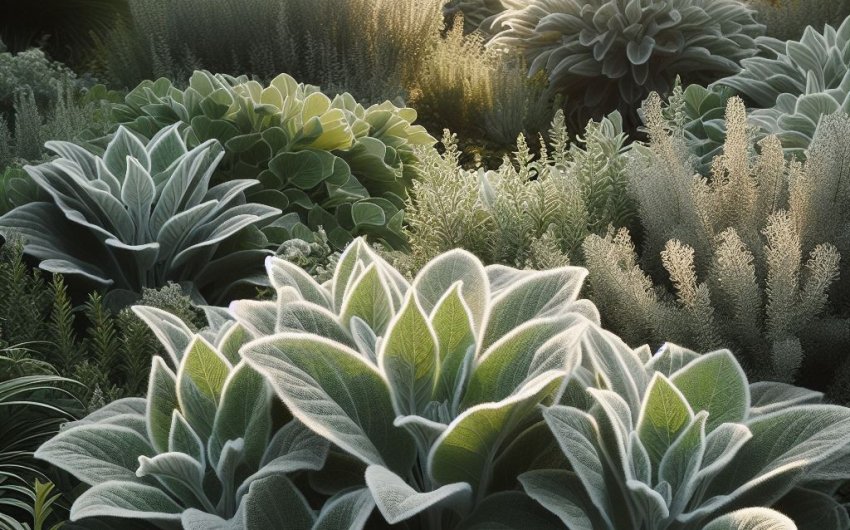
Lamb's Ear elegance offers unparalleled soft touches in your garden, captivating with its unique velvety foliage that invites touch and provides a calming visual texture. This drought-tolerant perennial is an exceptional choice for adding a gentle, silvery hue and a distinctive tactile element to sunny, well-drained borders, rock gardens, or pathways. By incorporating Lamb's Ear, you effortlessly introduce a low-maintenance, charming groundcover that contributes year-round interest and an undeniable sense of cool, fuzzy elegance to your landscape.
What is Lamb's Ear and What Makes it Unique?
Lamb's Ear, scientifically known as Stachys byzantina, is a truly delightful and unique herbaceous perennial belonging to the mint family (Lamiaceae). Native to the Middle East, particularly Turkey, Iran, and Armenia, it has long been cherished in gardens worldwide for its distinctive foliage rather than its flowers. What makes it so unique and gives it its endearing common name is the soft, fuzzy, silvery-green (or sometimes grayish-white) leaves that are remarkably reminiscent of a lamb's ear. This velvety texture is its defining characteristic, inviting touch and providing an unparalleled sensory experience in the garden.
What Are the Key Traits That Make Lamb's Ear So Special?
Its unique combination of tactile appeal, visual softness, and resilient nature sets it apart, making it an indispensable addition to many garden designs. It's a true example of Lamb's Ear elegance.
- Velvety, Fuzzy Foliage: This is the most striking and beloved feature. The leaves are covered in dense, soft, silvery hairs that give them an incredibly plush, almost woolly texture. This tactile quality is rare in garden plants and makes it irresistible to touch, often a favorite for children's gardens.
- Silvery-Green Hue: The fuzzy hairs give the foliage a beautiful silvery-green, grayish-white, or even near-white appearance, especially in full sun. This cool color contrasts wonderfully with vibrant greens and bright flowers, adding a calming visual element to the landscape.
- Textural Contrast: Lamb's Ear provides exceptional textural contrast when planted alongside plants with smooth, dark green, or spiky leaves, making it a valuable design tool for adding visual interest and depth.
- Drought Tolerance: As a native of arid regions, Lamb's Ear is remarkably drought-tolerant once established. Its fuzzy leaves are an adaptation to conserve moisture, making it an excellent choice for xeriscaping or low-water gardens.
- Low Maintenance: Once planted in the right conditions, Lamb's Ear is exceptionally easy to care for, requiring minimal watering, no fertilization, and little more than occasional tidying.
- Groundcover Potential: It forms a dense, spreading mat of foliage, making it an effective and attractive groundcover that suppresses weeds and softens edges.
- Deer and Rabbit Resistant: Its fuzzy texture and sometimes subtle aroma make it generally unappealing to deer and rabbits, protecting it from common browsing damage.
- Purple Flower Spikes (Optional): While primarily grown for its foliage, some varieties produce upright stalks of small, purplish-pink flowers in early summer, which are attractive to bees. Many gardeners choose to remove these flower stalks to maintain the neat foliage mat.
By embracing Lamb's Ear, gardeners introduce a plant that offers both unique sensory delight and enduring beauty, ensuring their garden is filled with soft touches and cool elegance, truly embodying Lamb's Ear elegance.
What Are the Ideal Growing Conditions for Lamb's Ear?
To truly experience Lamb's Ear elegance and ensure its vibrant, velvety foliage thrives in your garden, providing its ideal growing conditions is paramount. This low-maintenance perennial is not demanding, but it does have specific preferences that, when met, guarantee rapid establishment, robust health, and that distinctive soft touch in your garden. Replicating its native Mediterranean habitat will yield the best results.
What Are the Essential Environmental Needs?
Meeting these core requirements ensures your Lamb's Ear plants not only survive but truly flourish, displaying their unique beauty in your landscape. These are key tricks for successful gardening.
- Sunlight (Full Sun is Best):
- Preference: Lamb's Ear thrives in full sun, meaning at least 6-8 hours of direct sunlight per day.
- Impact: Full sun ensures the most vibrant silvery-gray foliage color, dense growth, and compact form. In too much shade, leaves tend to be greener, less fuzzy, and plants can become leggy and more susceptible to rot.
- Tolerance: It can tolerate some afternoon shade in very hot climates (USDA Zones 8-9 and above), but aim for at least 6 hours of sun.
- Soil (Excellent Drainage is Critical):
- This is the most crucial factor after sunlight. Lamb's Ear requires exceptionally well-drained soil. It absolutely cannot tolerate "wet feet" or heavy, constantly moist soils, which will quickly lead to root rot.
- It thrives in sandy, gritty, or rocky soils, which mimic its native arid environments.
- pH: Adaptable to a wide range of soil pH, from slightly acidic to slightly alkaline (pH 6.0-8.0), but good drainage remains the priority.
- Improve Drainage: If your soil is heavy clay, amend it generously with horticultural sand, perlite, or fine gravel. Raised beds, rock gardens, or planting on a slight slope are ideal.
- Water (Drought Tolerant Once Established):
- Once established (typically after its first year), Lamb's Ear is highly drought-tolerant. Its fuzzy leaves are a natural adaptation to conserve moisture.
- Establishment: Young plants will need more consistent moisture during their first growing season to develop a strong root system. Water thoroughly when the top few inches of soil are dry.
- Mature Plants: Water sparingly and deeply only during prolonged dry spells. Overwatering is the most common cause of failure for established Lamb's Ear. Allow the soil to dry out completely between waterings.
- Winter: Reduce or cease watering in winter, especially in areas with wet winters, as cold, wet conditions lead to rot.
- Temperature (Heat and Cold Hardy):
- Heat: It is very heat tolerant and thrives in hot, dry summers.
- Cold Hardiness: Most varieties are quite cold-hardy, typically surviving winters in USDA Zones 4-9, depending on the specific cultivar.
- Winter Wetness: Even cold-hardy varieties are vulnerable to winter rot if kept in cold, wet soil. Excellent winter drainage is essential.
- Air Circulation:
- Good air circulation is important, especially in humid climates. Dense, stagnant air can increase the risk of fungal leaf spot diseases or rot, although Lamb's Ear is generally very disease resistant.
By meticulously ensuring these ideal conditions, especially excellent drainage and ample sun, you will cultivate a robust, flourishing patch of Lamb's Ear, effortlessly bringing soft touches and cool elegance to your garden through these charming, low-maintenance perennials.
Which Lamb's Ear Varieties Offer the Softest Touches and Best Performance?
To truly capture Lamb's Ear elegance and introduce the softest touches in your garden, choosing the right variety is key. Different cultivars offer variations in height, spread, fuzziness, and flowering habits, allowing you to select the perfect one to suit your design preferences and gardening goals. Focusing on these top-performing types ensures a charming, low-maintenance display.
What Are Excellent Choices for Velvety Foliage and Garden Performance?
These varieties are celebrated for their distinctive fuzzy leaves, robust growth, and adaptability, making them ideal for adding cool elegance to your garden. They are the epitome of Lamb's Ear elegance.
- Stachys byzantina 'Helene von Stein' (also known as 'Big Ears'):
- Why it's a top choice: This is perhaps the most popular and highly recommended cultivar for its exceptionally large, soft, and fuzzy silvery-gray leaves. It produces few to no flower spikes, meaning its energy is focused on foliage, maintaining a beautiful, dense mat.
- Care Tip: Ideal for groundcover or borders where you want maximum textural impact without the distraction of flower stalks. Very low maintenance. A Helene von Stein Lamb's Ear plant is a gardener's favorite.
- Stachys byzantina 'Silver Carpet':
- Why it's a top choice: Another excellent choice for a foliage-focused display, as it produces virtually no flower stalks. It forms a dense, low-growing carpet of fuzzy, silvery leaves, making it an exceptional groundcover.
- Care Tip: Great for large areas where you want a uniform, velvety texture.
- Stachys byzantina (Species Plant):
- Why it offers beauty: The straight species typically grows a bit taller and produces more prominent purplish-pink flower spikes in early summer. The fuzzy flower stalks add an interesting vertical element and are attractive to bees.
- Care Tip: If you prefer a foliage-only look, simply snip off the flower stalks (deadhead) as they emerge.
- Stachys byzantina 'Cotton Ball':
- Why it offers beauty: A unique cultivar that produces small, spherical clusters of white, woolly flowers on short stalks. While the foliage is similar, the flower form is quite different.
- Care Tip: Offers a different floral aesthetic if you like the flowers.
- Stachys byzantina 'Primrose Heron':
- Why it offers beauty: Features charming golden-yellow foliage in spring that gradually fades to silvery-green as the season progresses. This adds an interesting color variation, especially for early-season interest.
- Care Tip: Provides a brighter contrast in the garden.
When selecting Lamb's Ear varieties, consider whether you want a foliage-focused plant (like 'Helene von Stein' or 'Silver Carpet') that produces few flowers, or if you appreciate the pollinator-attracting flower spikes (like the species plant). Always confirm the specific hardiness zone and mature spread to ensure it fits your garden's design. Choosing these robust and beautifully textured varieties ensures you cultivate true Lamb's Ear elegance, bringing soft touches and unique charm to your garden with minimal effort.
How Do You Plant Lamb's Ear for a Soft, Spreading Groundcover?
Planting Lamb's Ear correctly is fundamental to ensuring its rapid establishment, vigorous spread, and its signature soft, spreading groundcover effect, laying the groundwork for true Lamb's Ear elegance. Because it's a drought-tolerant succulent designed for well-drained conditions, precise planting methods maximize its chances of thriving and bringing a distinctive texture to your garden. This initial care sets it up for long-term success.
What Are the Key Steps for Planting Lamb's Ear?
Following these steps ensures your Lamb's Ear is settled into its new home in a way that promotes robust root development and minimizes stress, preparing it to be a charming groundcover. These are essential tricks for successful gardening.
- Choose the Right Location (Sun and Drainage!):
- Sunlight: Select a spot that receives full sun (at least 6-8 hours of direct sunlight per day). This ensures the most vibrant silvery-gray foliage and dense growth. While it tolerates some afternoon shade in very hot climates, aim for maximum sun.
- Drainage: This is paramount. Choose an area with exceptionally well-drained soil. Lamb's Ear will not tolerate "wet feet" or heavy, constantly moist soils, which quickly lead to root rot. Ideal spots include rock gardens, sunny borders, slopes, or between pavers.
- Prepare the Soil:
- Improve Drainage: If your soil is heavy clay, this step is critical. Work in generous amounts of coarse horticultural sand, perlite, or fine gravel to a depth of 6-8 inches (15-20 cm). This creates the fast-draining conditions Lamb's Ear needs. A small amount of compost can be added to improve overall structure, but avoid rich, heavy soils. A bag of perlite for soil amendment is very effective.
- pH: Lamb's Ear is adaptable to a wide pH range (6.0-8.0), so major pH adjustments are usually not necessary if drainage is good.
- When to Plant:
- The best time to plant Lamb's Ear is in spring or early summer after all danger of frost has passed. This gives the plants a full growing season to establish their roots before winter.
- In milder climates, early fall planting can also work, provided there's enough time for root establishment before the ground freezes.
- Planting the Plants (from Pots):
- Gently remove the Lamb's Ear from its nursery pot. Handle with care, as stems can be somewhat brittle.
- Dig a hole that is just as deep as the root ball and about twice as wide.
- Place the plant in the hole, ensuring the top of the root ball is level with the surrounding soil surface. Planting too deep can encourage rot around the crown, especially with fuzzy foliage.
- Backfill the hole with your amended soil, gently firming it around the plant's base to remove air pockets.
- Spacing for Spread:
- Space plants according to their mature spread (check the plant tag, typically 12-18 inches / 30-45 cm apart). This allows them room to spread and fill in, creating a continuous soft carpet.
- Initial Watering:
- Water thoroughly immediately after planting to settle the soil around the roots.
- For the first few weeks, keep the soil consistently moist (but not soggy) to aid establishment.
- Mulching (Inorganic Recommended):
- Once established, a thin layer of gravel, small decorative pebbles, or sand can be used as an inorganic mulch.
- Benefits: This helps keep the fuzzy foliage off the moist soil (reducing rot risk), suppresses weeds, and enhances the aesthetic of a rock garden.
- Avoid: Avoid organic mulches like wood chips or heavy leaf litter directly against the plant, as they can retain too much moisture around the succulent stems and fuzzy leaves.
By meticulously following these planting steps, you set the stage for thriving Lamb's Ear plants, ensuring their rapid spread into a beautiful, soft groundcover, thus effortlessly bringing cool elegance and Lamb's Ear splendor to your garden. This is essential garden wisdom for vegetable gardening.
How Do You Care for Established Lamb's Ear for Year-Round Beauty?
Caring for established Lamb's Ear is a delightfully low-maintenance task, reflecting its hardy and drought-tolerant nature, but a few key practices ensure its year-round beauty and continuous display of Lamb's Ear elegance. Once settled, these charming perennials primarily ask for good drainage, ample sun, and minimal intervention, allowing you to enjoy their soft touches in your garden with ease.
What Are Essential Care Practices for Established Lamb's Ear?
These practices support the plant's natural vigor, promoting robust foliage and long-term health, ensuring you're always keeping your garden flourishing. They are crucial tips for maintaining year-round appeal.
- Watering (Sparingly!):
- Drought Tolerant: Once established (after the first year), Lamb's Ear is highly drought-tolerant. Its fuzzy leaves are an adaptation to conserve moisture.
- Frequency: Water sparingly and deeply only during prolonged dry spells or extreme heat. Allow the soil to completely dry out between waterings.
- Avoid Overwatering: This is the most common cause of failure for established Lamb's Ear, leading to root and crown rot. If in doubt, don't water. A soil moisture meter for drought-tolerant plants can help confirm dryness.
- Winter: Reduce or cease watering in winter, especially in areas with wet winters. Excellent winter drainage is paramount to prevent rot.
- Sunlight (Full Sun is Key):
- Ensure your Lamb's Ear continues to receive full sun (6-8+ hours of direct sunlight) throughout the day.
- Impact: Full sun promotes the most vibrant silvery color and dense, compact growth. In too much shade, leaves will be greener, less fuzzy, and plants can become leggy and more prone to rot.
- Fertilization (Not Needed):
- Lamb's Ear is adapted to lean, poor soils and does not require regular fertilization.
- Avoid Over-fertilization: Rich soils or excessive nitrogen can lead to lush, weak, greener growth that is more susceptible to rot, especially in humid conditions.
- Pruning / Deadheading (For Tidiness and Rejuvenation):
- Remove Flower Stalks (Deadhead): Many gardeners choose to snip off the flower stalks (deadhead) as they emerge or after flowering.
- Why: This maintains the neat, dense mat of foliage and prevents the plant from putting energy into seed production, which can sometimes reduce its overall vigor or lead to sparse patches.
- Use sharp plant snips.
- Tidying Up: Trim away any brown, dead, or unsightly leaves as needed to maintain a neat appearance. This is especially important for old, mushy leaves underneath the plant, as they can encourage rot.
- Rejuvenation (If Leggy): If the patch becomes leggy or has bare spots in the center, you can lightly shear the entire plant in early spring to encourage fresh, dense growth.
- Remove Flower Stalks (Deadhead): Many gardeners choose to snip off the flower stalks (deadhead) as they emerge or after flowering.
- Weed Control (Easy!):
- Once established and spreading, Lamb's Ear forms a dense mat that effectively smothers most weeds.
- Practice: Hand-pull any persistent weeds that manage to pop through, especially when they are young. The inorganic mulch layer (if used) can further aid this.
- Pest and Disease Control (Rare):
- Lamb's Ear is generally very pest and disease resistant when grown in its preferred dry, sunny conditions.
- Main Issue: The primary problem is root and crown rot due to overwatering or poor drainage. Ensure air circulation around the crown, especially in humid climates.
- Pests: Occasionally mealybugs or aphids might appear, but they are usually easily managed with a strong spray of water or insecticidal soap.
- Divide (If Overly Spreading):
- If Lamb's Ear spreads more vigorously than desired, you can divide the clumps in early spring or fall to control its size or propagate new plants.
By adhering to these simple, largely hands-off care practices, your established Lamb's Ear will provide continuous year-round beauty and maintain its cool elegance, ensuring a vibrant display of Lamb's Ear splendor in your garden season after season.
How Do Lamb's Ear Provide Year-Round Interest in Your Garden?
Lamb's Ear is an exceptional perennial that offers remarkable year-round interest in your garden, transforming spaces with its unique foliage, soft texture, and enduring hardiness. Far from being a fleeting seasonal beauty, its ability to remain vibrant through multiple seasons, even in challenging conditions, makes it an invaluable asset for consistent cool elegance in your garden, ensuring true Lamb's Ear splendor.
What Features Contribute to Continuous Appeal?
Lamb's Ear brings constant charm through its distinctive foliage, prolonged presence, and resilience, providing beauty regardless of the season. It truly contributes soft touches in your garden.
- Velvety, Silvery Foliage (Evergreen All Seasons):
- Impact: The most defining feature. Its dense, soft, fuzzy hairs give the leaves a beautiful silvery-green to grayish-white appearance that is present year-round. This unique texture and cool color contrast wonderfully with other plants.
- Winter Color: In winter, many varieties maintain their fuzzy texture and often take on subtle purplish or brownish tints in colder weather, adding quiet color and texture to the dormant landscape when most other plants are bare. It remains an evergreen groundcover.
- Unique Textural Contrast (Continuous):
- Impact: Lamb's Ear provides exceptional textural contrast year-round when planted alongside plants with smooth, dark green, or spiky leaves. This adds visual interest and depth to garden beds, rockeries, or borders, even without flowers.
- Dense, Spreading Groundcover (Year-Round Structure):
- Impact: Ice plants form a dense, low-growing mat or carpet of foliage that remains attractive year-round. This provides consistent texture and structure, effectively suppressing weeds and defining edges.
- Benefits: Excellent for erosion control on sunny slopes.
- Prolonged Bloom (Optional, Early Summer):
- Impact: While primarily grown for foliage, if allowed to bloom, the species plant and some varieties produce upright stalks of small, purplish-pink flowers in early summer. These are attractive to bees and add a touch of delicate color.
- Benefit: For those who enjoy the flowers, they provide an extra burst of seasonal interest.
- Exceptional Hardiness and Drought Tolerance (Enduring Resilience):
- Impact: Its ability to withstand intense heat, drought, and often significant cold (USDA Zones 4-9) means it reliably maintains its presence and vitality through harsh conditions.
- Benefits: A consistent and dependable performer that requires minimal intervention, providing year-round peace of mind.
What Are Design Tips for Year-Round Interest?
To truly highlight their year-round splendor and cool elegance in your garden, consider these design strategies for Lamb's Ear. This ensures a consistent and beautiful display.
- Front of Sunny Borders: Plant Lamb's Ear at the very front of perennial or mixed borders. Its low, spreading habit creates a neat, silvery edge that perfectly sets off taller plants behind it.
- Rock Gardens: It is a quintessential plant for rock gardens, thriving in the well-drained, gritty soil and contrasting beautifully with the rough texture of stones.
- Path Edging: Use it to line pathways or between stepping stones. The soft texture invites touch, and its low profile keeps paths clear.
- Mass Plantings: For the most dramatic effect, plant a large mass of Lamb's Ear. This creates an impactful carpet of silvery texture that is a stunning focal point year-round.
- Containers (Annual in Cold Climates): In colder zones where it might struggle with winter wetness, it can be grown in containers as a striking annual or brought into a sheltered, cool spot for winter.
- Contrasting Companions: Pair Lamb's Ear with plants that offer strong contrasts in color and texture.
- Good Companions: Dark green foliage (e.g., Heuchera 'Obsidian'), plants with spiky forms (e.g., Lavander, Nepeta, ornamental grasses), or vibrant flowers (e.g., Coreopsis, Salvia).
By celebrating the multifaceted charm of Lamb's Ear, you guarantee exceptional year-round interest in your garden, effortlessly weaving a tapestry of soft textures and cool elegance that promises true Lamb's Ear splendor through every season. This ensures your garden is always beautiful and inviting.