
How to Design a Bee-Friendly Flower Garden?
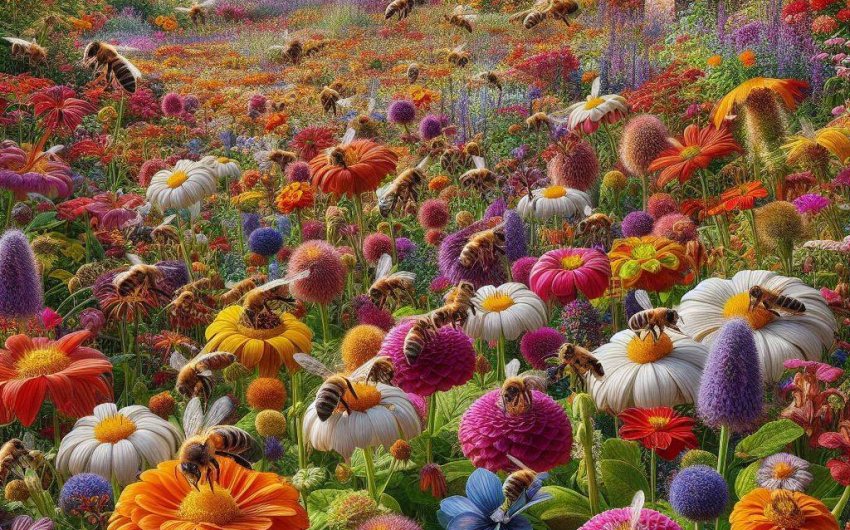
To design a bee-friendly flower garden, prioritize planting a diverse selection of native, nectar- and pollen-rich flowers that offer continuous blooms from early spring to late fall. Crucially, avoid all pesticides and provide essential resources like water, shelter, and nesting sites to support a thriving bee population.
Why Design a Bee-Friendly Flower Garden?
Designing a bee-friendly flower garden is more than just a beautiful landscaping choice; it's a vital step in supporting struggling bee populations and enhancing the health of our planet. Bees are incredible, hardworking creatures, and their well-being directly impacts ours.
The Critical Role of Bees
Bees are paramount to life on Earth:
- Pollination of Food Crops: Bees, both honey bees and native bee species, are responsible for pollinating roughly one-third of the food we eat. This includes a vast array of fruits (apples, berries, almonds), vegetables (squash, cucumbers, broccoli), and even nuts and seeds. Without them, our food supply would be drastically reduced and much less diverse.
- Support for Ecosystems: Beyond agriculture, bees pollinate countless wildflowers and native plants, which in turn provide food and habitat for other wildlife, contributing to overall biodiversity and ecological stability.
- Natural Pest Control: A thriving bee population often indicates a healthy ecosystem that supports other beneficial insects, many of which are natural predators of garden pests, reducing the need for chemical interventions.
The Challenges Bees Face
Unfortunately, bee populations worldwide are in decline, facing threats such as:
- Habitat Loss: Urbanization, monoculture farming, and development have dramatically reduced the wildflowers and natural areas that provide bees with diverse food sources and nesting sites.
- Pesticide Use: The widespread use of systemic pesticides, particularly neonicotinoids, can directly kill bees or weaken them, impairing their navigation, foraging, and reproductive abilities. Even small exposures can have devastating long-term effects.
- Disease and Parasites: Various diseases and parasites, like the Varroa mite, severely impact honey bee colonies.
- Climate Change: Shifting weather patterns and bloom times can disrupt the delicate synchronicity between bees and their preferred flowers.
Benefits of a Bee-Friendly Garden for You
Beyond the profound ecological benefits, creating a bee-friendly flower garden offers personal rewards:
- Vibrant Beauty: A garden teeming with bees is a dynamic, lively, and incredibly beautiful space. The sheer diversity of flowers and the constant buzzing activity create a sensory delight.
- Stress Reduction: Spending time in a thriving, natural garden, observing the industriousness of bees, can be incredibly relaxing and therapeutic.
- Educational Opportunity: It's a fantastic living classroom for children and adults to learn about ecology, pollination, and the fascinating lives of bees.
- Increased Garden Productivity: If you're growing vegetables or fruits, increased bee activity means better pollination and, consequently, higher yields of produce.
- Environmental Stewardship: You're actively participating in conservation, making a tangible difference for pollinators right in your own backyard.
- Reduced Reliance on Chemicals: A healthy, bee-friendly garden encourages natural pest control, reducing your need for harmful chemical interventions.
By choosing to design a bee-friendly flower garden, you're making a conscious decision to foster life, enhance beauty, and contribute to a healthier planet, one bloom at a time.
What are the Key Elements of a Bee-Friendly Flower Garden?
To effectively design a bee-friendly flower garden, you need to think beyond just planting a few pretty flowers. Bees, like all living creatures, have fundamental needs for survival: food, water, and shelter. A truly bee-friendly garden provides all three consistently.
1. Diverse Food Sources (Nectar and Pollen)
This is the cornerstone of any pollinator garden. Bees need a continuous supply of both nectar (for energy) and pollen (for protein, fats, and vitamins).
- Native Plants: The single most important choice. Native plants are adapted to your local climate and soil, and have co-evolved with native bee species, providing the most suitable nutrition.
- Continuous Bloom: Plant flowers that bloom in succession from early spring (when queen bees emerge) through late fall (when bees are preparing for winter).
- Early Bloomers: Crocus, hellebore, pussy willow, early spring ephemerals.
- Mid-Season Bloomers: Coneflower, bee balm, salvia, lavender, sunflowers, lupine.
- Late Bloomers: Asters, goldenrod, sedum, snakeroot.
- Diverse Flower Shapes and Sizes: Different bees have different tongue lengths and body sizes.
- Open Flowers: Provide easy access to nectar and pollen for short-tongued bees (e.g., asters, daisies, coneflowers).
- Tubular Flowers: Preferred by long-tongued bees (e.g., bee balm, penstemon, honeysuckle).
- Clusters of Small Flowers: Attract tiny bees (e.g., herbs like thyme, oregano).
- Single-Petaled Flowers: Avoid "double-flowered" varieties (e.g., some hybrid roses, zinnias with dense petals) as their many petals often block access to pollen and nectar. Choose simple, open flowers.
- Plant in Clumps/Drifts: Plant groups of the same flower species together (at least 3x3 feet or a cluster of 5-7 plants) rather than scattering individual plants. This makes them more visible and efficient targets for foraging bees.
2. Clean Water Source
Bees need water for drinking, diluting honey, and cooling their hives/nests.
- Bee Bath: Provide a shallow dish or bird bath. Fill it with pebbles, marbles, or small stones. Add water just to the top of the stones so bees have safe landing spots and don't drown.
- Moist Soil/Mud: Some bee species, like mason bees, use mud to build their nests. A small, consistently moist patch of bare soil can be beneficial.
3. Diverse Shelter and Nesting Sites
Most native bees are solitary and need specific nesting provisions.
- Bare Ground: Around 70% of native bee species are ground-nesting. Leave patches of exposed, undisturbed, well-drained soil in sunny areas. Avoid mulching every square inch of your garden.
- Hollow Stems/Pithy Stems: About 30% of native bees nest in hollow or pithy stems. Leave some perennial stems standing over winter (6-12 inches tall) after the growing season. Examples include coneflower, sunflower, bee balm, and elderberry.
- Bee Hotels/Houses: Provide bundles of hollow reeds, bamboo canes, or drilled wooden blocks with varying hole sizes (1/8 inch to 1/2 inch). Mount them securely in a sunny, sheltered spot, facing south or southeast.
- Brush Piles/Log Piles: Piles of natural debris, old stumps, or rotting logs provide crevices and tunnels for some bee species.
- Dense Plantings: Shrubs and trees offer cover from weather and predators, and some even provide natural nesting cavities.
By thoughtfully integrating these elements, you create a complete and inviting habitat, which is the essence of designing a bee-friendly flower garden.
How Do I Choose the Right Plants for Bees?
Choosing the right plants is arguably the most exciting and crucial step when you design a bee-friendly flower garden. Not all flowers are created equal in their appeal to bees; focusing on specific characteristics will ensure your garden is a true feast for them.
1. Prioritize Native Plants
- Ecological Match: Native plants are the single most important choice. They have co-evolved with your local bee species, meaning they provide the precise pollen and nectar that these bees need and can efficiently access.
- Adaptation: Native plants are adapted to your local climate, soil, and rainfall, making them easier to care for and more resilient.
- Host Plants: Many native plants also serve as host plants for beneficial insect larvae, providing crucial food for birds (who also eat insects) and other wildlife.
2. Focus on Nectar and Pollen Production
- Single Flowers: Choose flowers with single petals, where the pollen and nectar are easily accessible. Double-flowered varieties (e.g., some roses, dahlias) often have so many petals that they block access to the reproductive parts, making them useless to pollinators.
- Diverse Flower Shapes and Sizes: Different bees have different tongue lengths and body sizes.
- Short-tongued bees: Prefer open, shallow flowers like asters, coneflowers, and daisies.
- Long-tongued bees: Can access deeper flowers like bee balm, lupines, and honeysuckle.
- Tiny bees: Need very small flowers like those on herbs.
- Flower Colors: Bees see colors differently than humans. They are attracted to:
- Blues, purples, and yellows: These are highly visible to bees.
- Ultraviolet patterns: Many flowers have UV patterns invisible to humans but act as "nectar guides" for bees.
- Pollen and Nectar Rich: Research plants known for high pollen and nectar content.
3. Ensure Continuous Bloom from Spring to Fall
- Seasonal Diversity: Bees need food throughout their active season. Plan your garden so there's always something in bloom from early spring (when queen bees emerge) through late fall (when bees are preparing for winter).
- Early Spring: Crocus, hellebore, pussy willow, maple trees.
- Late Spring/Early Summer: Lupine, penstemon, columbine, bleeding heart, fruit trees.
- Mid-Summer: Coneflower, bee balm, blazing star, sunflowers, monarda, lavender.
- Late Summer/Fall: Asters, goldenrod, sedum, salvia, snakeroot.
- Plant in Clumps: Plant drifts or clumps of the same flower species together (at least 3x3 feet) rather than scattering individual plants. This creates a more visible target for foraging bees, making their work more efficient.
4. Include Trees and Shrubs
- Significant Food Sources: Trees and shrubs, especially native ones, can provide massive amounts of nectar and pollen when they bloom, often early in the season. Consider serviceberry, redbud, willow, native hollies, and blueberry bushes.
- Shelter and Nesting: They also offer crucial shelter and nesting opportunities.
5. Specific Plant Recommendations (Examples)
| Type of Plant | Examples (Common Name) | Benefits for Bees |
|---|---|---|
| Annuals | Cosmos, Zinnia (single-flowered), Sunflower, Borage, Marigold (single) | Provide continuous bloom for long periods. |
| Perennials | Echinacea (Coneflower), Bee Balm (Monarda), Salvia, Aster, Goldenrod, Sedum, Lavender, Penstemon, Lupine, Blazing Star | Return yearly, diverse flower shapes & colors. |
| Shrubs | Blueberry, Serviceberry, Buttonbush, Viburnum | Abundant early season food, shelter. |
| Trees | Maple, Willow, Redbud, Basswood, Oak | Major nectar/pollen sources, nesting. |
| Herbs | Basil, Oregano, Thyme, Mint, Borage, Catnip | Tiny flowers often preferred by small bees. |
Look for a Pollinator-Friendly Wildflower Seed Mix to get started with diverse bee-attracting plants. By selecting a diverse array of native, pollen- and nectar-rich plants with varied bloom times and flower shapes, you will successfully design an organic pollinator garden for bees that hums with life.
How Do I Provide Water and Shelter for Bees?
Beyond food, providing clean water and safe shelter is essential for successfully creating an organic pollinator garden for bees. These elements complete the habitat, ensuring bees have all the resources they need to thrive.
Providing Water for Bees
Bees need water for drinking, diluting honey, and cooling their hives or nests. However, they can easily drown in open water.
- Bee Bath (Shallow Water Source):
- Setup: Use a shallow dish, bird bath, or even a deep saucer.
- Stones/Pebbles: Fill the dish with pebbles, marbles, or small stones.
- Water Level: Add water just to the top of the stones, creating varied landing spots where bees can drink safely without falling in.
- Placement: Place in a sunny spot.
- Cleanliness: Clean and refill regularly to prevent algae growth and mosquito larvae.
- Consider a Bee Watering Station with Pebbles.
- Misting or Dripping:
- A very fine mist or slow drip from a hose onto leaves or a textured surface (like a rock) can attract bees, as they are drawn to moving water.
- Moist Soil/Mud:
- Some bee species (like mason bees) use mud or moist soil to build their nests. A small, consistently moist patch of bare soil in your garden can be beneficial.
Providing Shelter (Cover) for Bees
Bees need places to rest, escape harsh weather, hide from predators, and find refuge.
- Dense Plantings:
- Shrubs and Trees: Plant dense shrubs and trees, especially evergreens. Their intertwining branches provide excellent cover from rain, wind, and predators.
- Layered Landscaping: Create different height levels with trees, shrubs, and groundcovers. This offers diverse hiding spots for various bee sizes.
- Brush Piles:
- Rustic Shelter: A simple pile of branches, twigs, and logs (arranged aesthetically if preferred) offers immediate, natural shelter and nesting opportunities for some ground-nesting bees or overwintering insects.
- Log Piles/Stumps:
- Natural Rot: Decaying logs or tree stumps provide tunnels and crevices that many native bees use for nesting. Place them in sunny, undisturbed areas.
- Leaving Plant Stems:
- Hollow Stems: Some native bees (like certain mason bees or small carpenter bees) nest in the hollow stems of plants. After the growing season, instead of cutting down all perennial stems, leave some standing over winter (6-12 inches tall). New growth will emerge around them. Good examples include coneflower, sunflower, bee balm, and elderberry stems.
Providing Nesting Sites for Native Bees
While honey bees live in hives, most native bees are solitary and need different nesting accommodations.
- Bare Ground:
- Ground Nesting Bees: About 70% of native bee species are ground-nesting. They need patches of exposed, undisturbed, well-drained soil, preferably in a sunny spot.
- Avoid Mulching All Areas: Leave some areas of bare earth without mulch for these bees.
- Pithy or Hollow Stems (Bee Hotels):
- Stem-Nesting Bees: The remaining 30% of native bees nest in hollow stems or tunnels.
- Natural Stems: As mentioned, leave some intact stems over winter.
- Bee Hotels/Bee Boxes: You can purchase or build "bee hotels" or "bee boxes." These are bundles of hollow reeds, bamboo canes, or drilled wooden blocks with varying hole sizes (1/8 inch to 1/2 inch) to accommodate different species.
- Placement: Mount them securely in a sunny, sheltered location, facing south or southeast.
- Maintenance: Replace or clean tubes annually to prevent disease buildup.
- Consider a Native Bee House.
- Undisturbed Areas:
- Allow a small, undisturbed section of your garden to remain wild. This provides natural habitat, including leaf litter and dead wood that can serve as nesting and overwintering sites.
By thoughtfully incorporating these elements, you provide a complete habitat for bees, turning your garden into a vibrant, functional, and truly organic pollinator garden for bees.
How Do I Manage Pests Organically to Protect Bees?
Managing pests organically is paramount when you design an organic pollinator garden for bees. Any use of synthetic pesticides, even "bee-friendly" ones, carries risks. The goal is to encourage a balanced ecosystem where natural predators keep pests in check, rather than reaching for chemical solutions.
1. Promote a Healthy Soil Ecosystem
- Foundation of Health: Healthy soil leads to healthy plants, and healthy plants are naturally more resistant to pests and diseases.
- Compost: Regularly amend your soil with rich, finished compost. It improves soil structure, water retention, and provides a wide range of nutrients slowly.
- Organic Fertilizers: Use slow-release organic fertilizers (e.g., worm castings, aged manure, bone meal, blood meal) that feed the soil microbes, which in turn feed the plants.
- Minimize Soil Disturbance: Excessive tilling can harm the delicate soil food web.
2. Encourage Beneficial Insects (Biological Control)
- Plant for Beneficials: Just as you plant for pollinators, plant for predatory and parasitic insects. These are your natural pest control army.
- Plants they love: Dill, fennel, cilantro, parsley, yarrow, sweet alyssum, calendula, cosmos (especially single-flowered varieties). Many of these have small flowers that provide nectar and pollen for tiny beneficials like parasitic wasps and hoverflies.
- Diversity: A diverse range of flowering plants attracts a diverse range of beneficial insects.
- Avoid Broad-Spectrum Pesticides: Even organic ones can harm beneficial insects.
- Provide Water and Shelter: Beneficials also need water and places to hide.
3. Cultural Practices for Pest Prevention
- Right Plant, Right Place: Choose plants that are well-suited to your climate and garden conditions. Stressed plants are magnets for pests.
- Proper Watering: Over or under-watering stresses plants. Water deeply and consistently.
- Crop Rotation: Rotate where you plant specific crops each year to disrupt pest life cycles in the soil.
- Garden Cleanliness: Remove diseased or heavily infested plant material promptly. Don't compost diseased plants.
- Hand-Picking: For larger pests (tomato hornworms, squash bugs) or small infestations of aphids, simply hand-pick them off and drop them into a bucket of soapy water.
- Strong Water Spray: A strong jet of water can dislodge aphids, spider mites, and other soft-bodied pests from plants.
- Physical Barriers:
- Row Covers: Lightweight floating row covers can protect young seedlings from early season pests. Remember to remove them when plants begin to flower to allow pollinators access.
- Netting: Use fine mesh netting for specific plants to keep out larger pests.
4. Organic Pest Treatments (Last Resort)
If an infestation becomes severe and other methods fail, use these as a targeted last resort, always prioritizing bee safety:
- Insecticidal Soap: Effective against soft-bodied pests like aphids, mealybugs, and spider mites. It works on contact and has little residual effect once dry. Apply only in the evening when bees are not active, and target only the infested plants.
- Neem Oil: A botanical extract that acts as an antifeedant, repellent, and growth disruptor for many pests. It also has some fungicidal properties. Apply only in the evening when bees are not active. While generally considered low risk to bees once dry, direct spray can harm them.
- Avoid spraying any product directly on open flowers.
By focusing on building a healthy, resilient ecosystem through organic practices, you not only manage pests effectively but also ensure your organic pollinator garden for bees remains a safe and thriving haven for all beneficial insects.
How Do I Maintain an Organic Pollinator Garden Year-Round?
Maintaining an organic pollinator garden for bees is a continuous, year-round commitment that goes beyond just planting. Consistent organic practices and seasonal care ensure your garden remains a thriving, safe haven for bees and other wildlife.
Spring Maintenance
- Resist Early Cleanup: Leave perennial stems standing until temperatures are consistently above 50°F (10°C). Many native bees overwinter as larvae inside hollow stems, and disturbing them too early can kill emerging bees.
- Soil Amendment: Lightly top-dress beds with a layer of fresh, finished compost (1-2 inches). Gently work it into the topsoil. This replenishes nutrients naturally.
- Planting:
- Sow seeds or plant seedlings of your early, mid, and late-season flowers.
- Ensure proper spacing to allow for good air circulation and prevent disease.
- Watering: Water newly planted seeds and seedlings consistently until established.
- Pest Monitoring: Begin regular scouting for early signs of pests. Hand-pick or use water sprays as first defenses.
Summer Maintenance
- Watering:
- Water deeply and consistently, especially during dry spells. Most pollinator plants are drought-tolerant once established, but extreme heat requires attention.
- Maintain your bee bath, refilling and cleaning it regularly.
- Weeding:
- Hand-pull or hoe weeds regularly to reduce competition for water and nutrients.
- Apply fresh layers of organic mulch to suppress weeds and conserve moisture.
- Deadheading (Selectively):
- Remove spent flowers from some plants to encourage more blooms.
- Important: Allow some flowers to go to seed, especially native ones, to provide food for birds and self-seeding for next year. Leave seed heads standing through fall and winter.
- Pest Management: Continue regular monitoring. Rely on beneficial insects you've attracted. Only use organic, bee-safe treatments (like insecticidal soap or neem oil) as a last resort, applied in the evening.
- Observe and Enjoy: Spend time in your garden, watching the bees and other pollinators at work. Note which plants are most popular.
Fall Maintenance
- Leave the Leaves: Allow fallen leaves to remain on garden beds. They act as natural mulch, insulating the soil, providing habitat for overwintering insects, and breaking down to add organic matter.
- Leave Seed Heads Standing: Do not deadhead all spent flowers. Allow plants like coneflower, sunflower, and aster to produce seed heads, which provide crucial winter food for birds.
- Plant Fall-Blooming Plants: Add asters, goldenrod, and sedum to extend the pollinator season until the first hard frost.
- Plant Bulbs: Plant spring-blooming bulbs (crocus, snowdrop) that provide early nectar for emerging queen bees.
- Soil Amendment: Add another layer of compost or well-aged manure to beds that are no longer actively producing.
- Prepare Bee Houses: Clean out old bee house tubes and provide fresh ones for spring.
Winter Maintenance
- Minimize Disturbance: Avoid disturbing your garden beds during winter. Many beneficial insects and native bees overwinter in the soil or in hollow plant stems.
- Provide Water (if possible): If you can prevent your bee bath from freezing, it can be a valuable winter water source.
- Plan for Next Season: Use the dormant months to review your garden's performance, research new native plants, and plan improvements for the coming spring. Order seeds and review bee-friendly practices.
Year-round, consistent, and gentle maintenance, always with a mind towards protecting and supporting pollinators, is the true essence of an organic pollinator garden for bees.